Julia Chirkova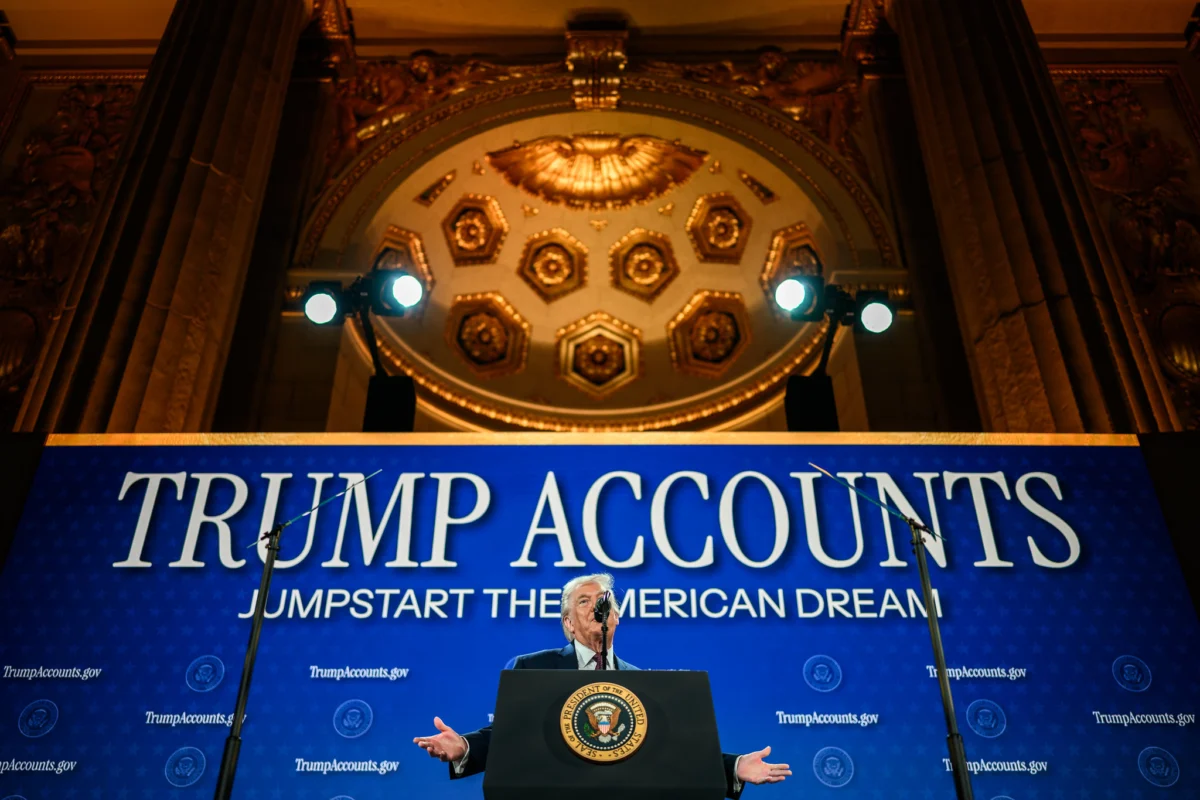
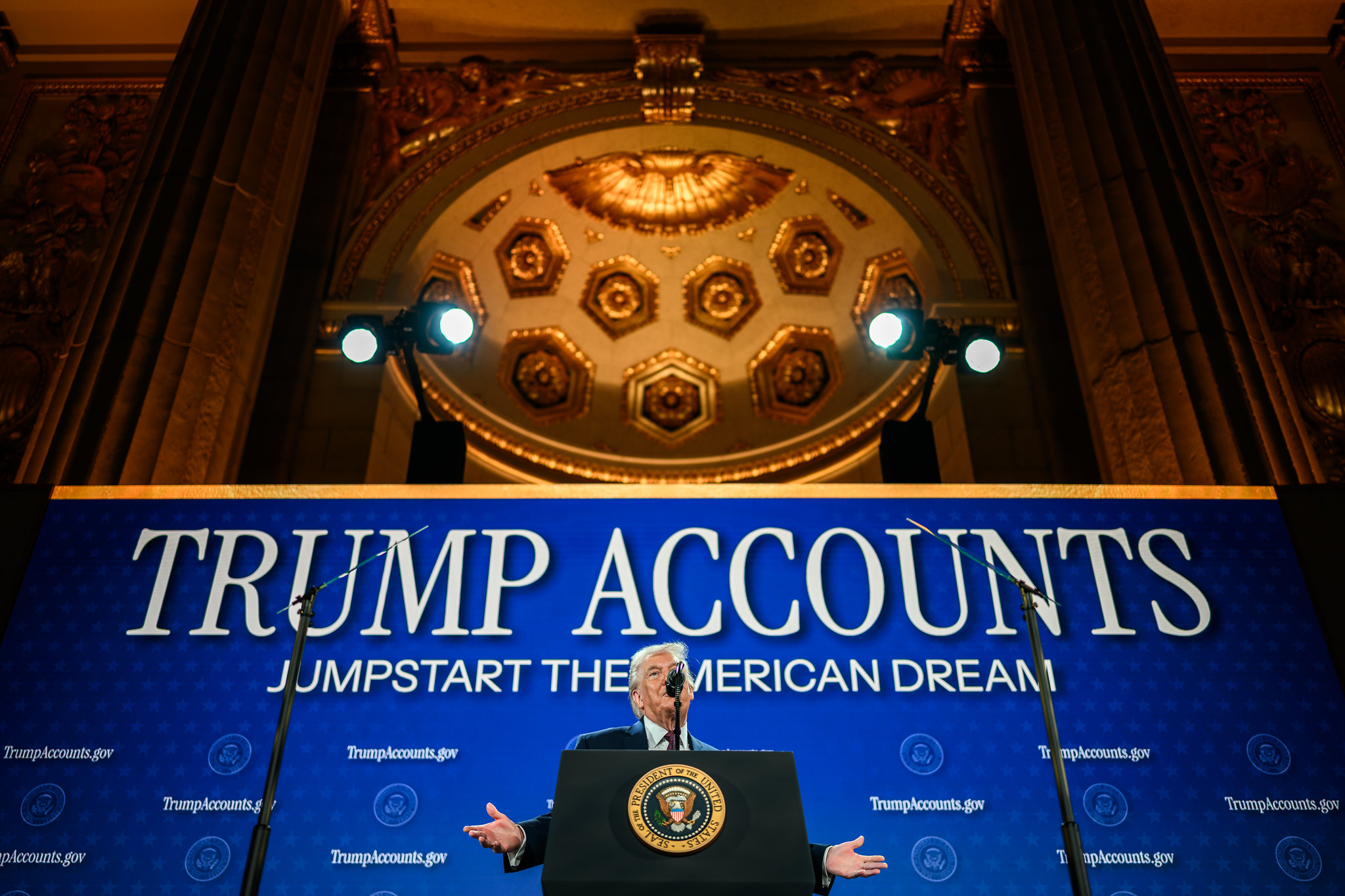
The U.S. Department of the Treasury and the Internal Revenue Service (IRS) have unveiled proposed regulations detailing eligible investments for "Trump Accounts," a novel savings vehicle established by the One Big Beautiful Bill Act. This initiative is designed to empower American children to begin accumulating wealth from an early age. The tax-advantaged accounts, officially launched on July 4th, are accessible to any U.S. child under the age of 18 who possesses a Social Security number. A key provision of the act offers a federal seed contribution of $1,000 to infants born between January 1, 2025, and December 31, 2028, irrespective of their family’s income level. As of the close of July, the program has seen significant uptake, with 7 million Trump Accounts established and 1 million eligible newborns receiving their initial federal seed funding.
Key Provisions of Proposed Investment Guidance
The recently issued proposed regulations, released on a Thursday, specifically address the parameters for investments within these accounts during their crucial growth phase. This period commences upon the establishment of a Trump Account and concludes on December 31st of the calendar year in which the beneficiary reaches the age of 17. Following this growth period, the restrictions on eligible investments are lifted.
For the duration of the growth period, the IRS guidelines stipulate that funds within a Trump Account must be invested in "eligible investments." Generally, this classification applies to mutual funds or exchange-traded funds (ETFs) that meet specific criteria. These criteria include tracking an equity index primarily composed of U.S. companies, such as the widely recognized S&P 500 index. Furthermore, eligible investments must not employ leverage and must maintain annual fees and expenses not exceeding 0.1% of the investment’s balance.
The regulations also establish a default investment mechanism. If an account beneficiary or their designated representative fails to select an eligible investment from the options provided by the account trustee, the funds will automatically be invested in an eligible option chosen by the trustee. This ensures that all funds within Trump Accounts are continuously working towards wealth accumulation, even in the absence of active selection.
Employer Contributions and Non-Discrimination Rules
In addition to clarifying investment parameters, the Treasury Department and IRS have also issued proposed rules concerning employer contributions to Trump Accounts. These regulations provide essential guidance for employers considering contributing to employee accounts or those of their dependents. A significant aspect of these proposed rules involves clarifying nondiscrimination requirements. This ensures that employers offering Trump Account contribution programs or dependent care assistance programs do so in a manner that is equitable and does not unfairly benefit highly compensated employees over others. The proposed regulations are slated to take effect for tax years beginning on or after January 1, 2026.
Timeline of Development and Public Comment Period
The journey to these proposed regulations began with the issuance of IRS Notice 2025-68 in December 2025. This notice solicited feedback from stakeholders regarding potential eligible investments. The current proposed regulations incorporate many of the comments received in response to that initial solicitation. The Treasury Department and IRS are now actively seeking further input from interested parties. A public comment period has been established, with submissions due by October 20, 2026. Comprehensive instructions on how to submit comments are detailed within the full text of the proposed regulations, available for public review.
Official Statements and Rationale
The proposed regulations have been met with expressions of optimism from key figures involved in their development. IRS CEO Frank Bisignano stated on August 20th, "These proposed regulations will provide clarity for trustees and beneficiaries of Trump Accounts, thus encouraging eligible participants to invest in low-fee mutual funds and ETFs that will grow on a tax-deferred basis potentially over their entire lives." He further emphasized the long-term vision, adding, "Funds deposited in Trump Accounts enable American children to start investing now and enjoy years of compound earnings for their future college, retirement and other needs."
Treasury Secretary Scott Bessent underscored the administration’s commitment to safeguarding the value of these investments. "Every dollar in a child’s Trump Account should be working toward that child’s financial future, not diminished by unnecessary fees," Bessent declared on Thursday. "Under President Trump’s leadership, Treasury is putting simple, commonsense protections in place to help families keep more of their investment returns."
The Treasury Department has previously identified State Street SPDR Portfolio S&P 500 ETF (SPYM) as the default investment for all Trump Accounts. Additionally, four other low-cost index ETFs have been designated as selectable investment options by parents or authorized guardians.
The rationale behind limiting eligible investments to those with low expense ratios and excluding products with excessive fees or overly complex strategies is rooted in promoting long-term growth. The Treasury Department articulated in a press release, "By emphasizing straightforward, low-cost investment options, the proposed guidance would allow children to benefit more fully from decades of compound growth and ensure that a greater share of investment returns remain in their accounts."
The framework for designating eligible investments, including those for subsequent trustees or rollovers, is designed to ensure that underlying indexes are primarily intended to reflect the performance of broad segments of the U.S. or global equity markets, based on objective financial criteria. This approach aims to provide families with clear, transparent investment choices prioritizing cost-effectiveness, diversification, and sustained long-term financial performance.
Echoing these sentiments, Bisignano reiterated the significant impact of fees over extended periods. "For a child investing over decades, even small differences in annual costs may have a meaningful effect on the amount available in adulthood," he noted. "By emphasizing low-cost index investing, the proposed rules seek to maximize the share of investment returns that remains in each child’s account."
Establishing a Trump Account: Practical Steps
Parents, guardians, and other authorized individuals can initiate the process of opening a Trump Account for a child by utilizing the IRS Individual Online Account. This portal allows for the completion of Form 4547, "Trump Account Election(s)." The election must be made before the calendar year in which the child turns 18. For U.S. citizens born between 2025 and 2028, a specific checkbox on Form 4547 can be selected to opt into the $1,000 pilot program contribution for the child’s Trump Account.
Background and Broader Context
The creation of Trump Accounts stems from the One Big Beautiful Bill Act, a legislative package aimed at fostering economic opportunity and long-term financial security for American families. The act reflects a broader political and economic philosophy prioritizing wealth creation and intergenerational financial stability. The introduction of a dedicated savings vehicle for children is a notable departure from traditional savings and investment strategies, signaling a governmental focus on early financial literacy and capital accumulation.
The timing of the program’s launch, July 4th, the nation’s Independence Day, carries symbolic weight, aligning the initiative with themes of freedom and future prosperity. The significant number of accounts already established within weeks of the launch suggests a strong public interest and engagement with the program’s objectives.
The emphasis on low-cost index funds and ETFs is a direct response to decades of financial research highlighting the detrimental impact of high fees on investment growth over the long term. By mandating or strongly encouraging investments in vehicles that track major market indexes with minimal expense ratios, the program seeks to maximize the power of compound interest for young beneficiaries. This strategy is designed to create a substantial difference in the accumulated wealth by the time a child reaches adulthood, potentially impacting their ability to finance higher education, start businesses, or secure their retirement.
Implications and Future Outlook
The proposed regulations represent a critical step in operationalizing the Trump Accounts initiative. By providing clear guidelines on eligible investments and related matters, the Treasury Department and IRS are laying the groundwork for the program’s sustained success. The focus on low fees and broad market tracking is a sound financial principle, likely to benefit account holders significantly over time.
The success of the Trump Accounts program will likely be measured not only by the number of accounts established and contributions made but also by the long-term financial outcomes for the children enrolled. As the program matures, further analysis may be warranted regarding its impact on childhood poverty, educational attainment, and overall economic mobility. The administration’s commitment to soliciting public comment suggests an ongoing effort to refine and adapt the program based on feedback and evolving economic conditions.
The availability of a federal seed contribution for newborns in specific birth years serves as a powerful incentive for early enrollment and underscores the program’s intent to provide a meaningful financial head start. The clarification of employer contribution rules also broadens the potential funding streams for these accounts, further enhancing their capacity to foster wealth accumulation.
For more comprehensive information and ongoing updates, individuals are encouraged to visit the official Trump Accounts website at trumpaccounts.gov. The ongoing public comment period offers a valuable opportunity for stakeholders to contribute to the shaping of this significant new financial instrument designed to benefit the next generation of Americans.