Layla Zulfa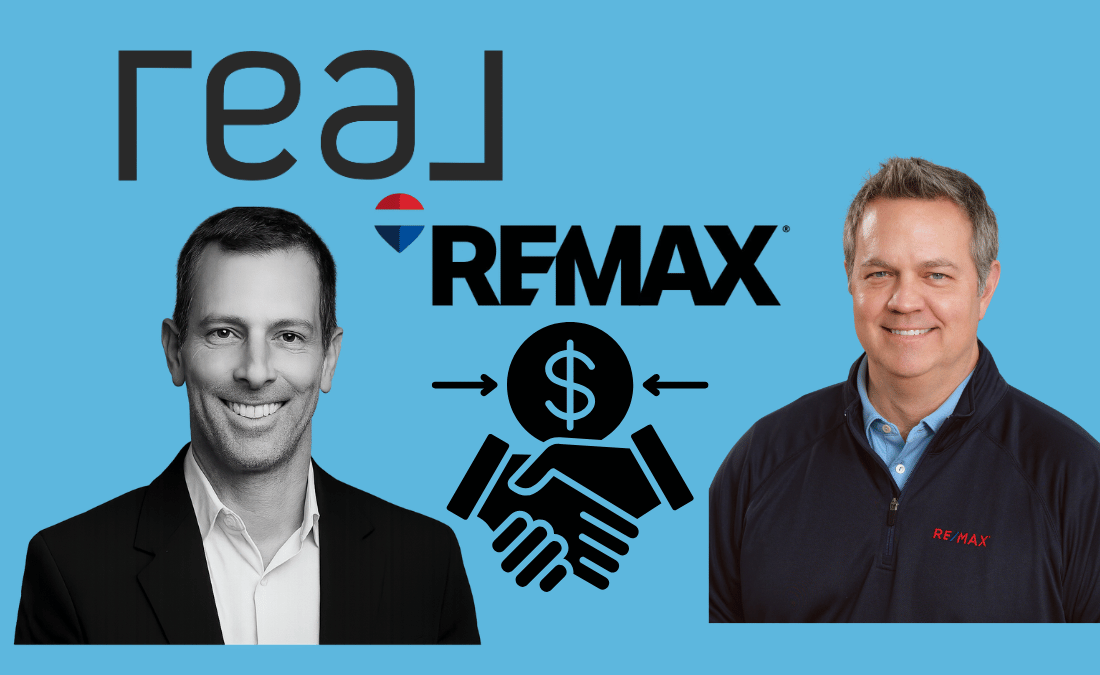
The Real Brokerage Inc. has achieved a significant milestone in its proposed acquisition of REMAX Holdings, receiving final court approval in British Columbia. This pivotal decision brings the cross-border brokerage merger one step closer to its anticipated closing. The announcement, made on Friday, signals a crucial advancement in what is poised to be a transformative event for the real estate industry, uniting two prominent players under a single, expanded entity.
Industry observers anticipate the merger to officially close on Monday, August 24th, provided all remaining closing conditions are met or waived. This date marks the culmination of extensive negotiations and regulatory reviews, stemming from an arrangement agreement and plan of merger initially unveiled in late April and subsequently amended in June. The comprehensive transaction involves intricate financial and operational restructuring, underscoring the complexity of merging two substantial real estate organizations.
A Deep Dive into the Transaction and its Regulatory Journey
The path to this impending closure has been meticulously navigated through a series of approvals and shareholder endorsements. Shareholders from both The Real Brokerage Inc. and REMAX Holdings cast their votes, giving their collective assent to the combination at separate special meetings held on August 14, 2026. This dual shareholder approval was a critical prerequisite, demonstrating the confidence of the investing public in the strategic rationale and potential synergies of the merger.
Beyond shareholder consent, the transaction has also garnered approval from key regulatory bodies. Notably, the Department of Justice (DOJ) has granted its green light, signifying a positive assessment of the merger’s impact on market competition. In mid-July, the companies received an early termination of their Hart-Scott-Rodino (HSR) Antitrust Improvements Act waiting period. This early clearance from the DOJ is a strong indicator that the regulatory authorities found no substantial antitrust concerns that would impede the merger.
The HSR Act, a cornerstone of U.S. antitrust law, mandates that parties proposing significant mergers and acquisitions must notify both the DOJ and the Federal Trade Commission (FTC). This requirement allows these agencies to review proposed transactions for potential anticompetitive effects before they are consummated. The early termination granted to Real and REMAX Holdings suggests a smooth and efficient review process, minimizing potential delays that could have jeopardized the deal’s timeline.
Timeline of Key Events
- Late April 2026: Initial announcement of the proposed acquisition of REMAX Holdings by The Real Brokerage Inc. This marked the public debut of the ambitious merger plan.
- June 2026: Amendment of the arrangement agreement and plan of merger. This indicates that adjustments were made to the initial terms, reflecting ongoing negotiations and potentially addressing new considerations.
- Mid-July 2026: Department of Justice grants early termination of the Hart-Scott-Rodino (HSR) Antitrust Improvements Act waiting period. This regulatory clearance was a significant step forward, alleviating concerns about antitrust challenges.
- August 14, 2026: Shareholders of both The Real Brokerage Inc. and REMAX Holdings approve the merger at separate special meetings. This dual shareholder endorsement was a crucial prerequisite for the deal’s progression.
- August 21, 2026 (Friday): Final court approval is received in British Columbia for the proposed acquisition. This legal milestone clears a major hurdle for the merger.
- August 22, 2026 (Thursday): REMAX Holdings shareholders make their elections for cash proration in the acquisition. The overwhelming preference for cash triggered proration, meaning some shareholders will receive a mix of cash and stock.
- August 24, 2026 (Monday – Anticipated): Expected closing date for the merger, subject to the satisfaction or waiver of any remaining closing conditions.
Shareholder Considerations and Leadership Transitions
A significant aspect of the transaction, which saw its resolution on Thursday, involved REMAX Holdings shareholders making their elections regarding how they would be compensated in the acquisition. The deal structure allows for a mix of cash and stock, and the overwhelming preference for cash payments exceeded the pre-determined cash cap for the transaction. This resulted in the implementation of proration, a mechanism where shareholders who elected for the maximum cash payout will receive a portion in cash and the remainder in stock, based on the deal’s terms. This financial choreography is designed to ensure the smooth distribution of consideration as outlined in the merger agreement.
Leadership transitions are also a key component of the post-merger landscape. Earlier this week, The Real Brokerage Inc. confirmed that Erik Carlson, the current CEO of REMAX Holdings, plans to step down from his executive role once the acquisition is finalized. However, Carlson is slated to join the board of directors for the newly formed Real REMAX Group, indicating a continued, albeit different, involvement. This transition underscores the integration process, where established leadership expertise is being leveraged in an advisory capacity.
Furthermore, Jenna Rozenblat, currently serving as The Real Brokerage Inc.’s Chief Operating Officer and Chief Integration Officer for this transaction, will assume the role of President of the Real REMAX Group upon the close of the deal. Rozenblat’s dual roles highlight her integral involvement in the strategic planning and execution of the merger, positioning her to lead the integrated entity. This appointment signifies a strong continuity in operational leadership from The Real Brokerage Inc. side.
Unveiling the Integrated Entity: Operational and Branding Outlook
As of Friday, the companies have not yet released detailed information regarding their integration plans, potential brand evolution, or strategies for addressing anticipated operational overlaps. This lack of immediate detail is not uncommon in large-scale mergers, as the focus in the final stages is often on regulatory and legal completion. However, the industry will be closely watching for announcements concerning how the distinct cultures and operational infrastructures of The Real Brokerage Inc. and REMAX Holdings will be harmonized.
The potential impact on branding is particularly significant. REMAX is a globally recognized brand with a vast network of franchisees. The Real Brokerage Inc. operates on a different model, primarily utilizing a technology-driven, agent-centric approach. The decision to maintain, merge, or rebrand these distinct identities will be a crucial factor in the success of the integrated company and its ability to resonate with agents and consumers alike.
Background and Broader Industry Context
The acquisition of REMAX Holdings by The Real Brokerage Inc. represents a significant consolidation within the real estate brokerage sector. The industry has been experiencing a period of evolution, driven by technological advancements, shifting consumer expectations, and an increasing demand for agent support services. Larger, more integrated companies are emerging as a response to these trends, aiming to achieve economies of scale, enhance technological capabilities, and offer more comprehensive value propositions to real estate agents.
REMAX Holdings, a well-established franchisor with a global presence, brings a substantial network of independent brokers and agents. The Real Brokerage Inc., a relatively younger but rapidly growing company, has focused on building a tech-enabled brokerage platform designed to attract and retain top-tier agents through competitive commission splits and robust support services. The merger aims to leverage the strengths of both organizations: REMAX’s brand recognition and extensive network, combined with The Real Brokerage’s innovative technology and operational efficiency.
Analysis of Potential Implications
The successful closure of this merger could have several far-reaching implications for the real estate landscape:
- Increased Market Share and Competitive Landscape: The combined entity will command a substantially larger share of the market, potentially reshaping the competitive dynamics among national and regional brokerages. This could lead to increased pressure on smaller independent brokerages to adapt or consolidate.
- Agent Value Proposition: The integration may lead to an enhanced value proposition for real estate agents. This could manifest in improved technology platforms, more comprehensive training and support, and potentially more attractive compensation models, especially if synergies lead to cost savings that can be reinvested in agent services.
- Technological Innovation: The Real Brokerage Inc.’s emphasis on technology, coupled with REMAX’s established operational footprint, could accelerate the adoption of innovative tools and platforms within the broader real estate ecosystem. This may include advancements in lead generation, transaction management, marketing, and agent productivity tools.
- Franchise Model Evolution: The dynamics of the franchise model will likely be a key area of focus. Understanding how The Real Brokerage Inc.’s model integrates with or influences REMAX’s existing franchise agreements will be crucial for the long-term success of the combined entity.
- Consumer Impact: While agent-focused, the merger could indirectly benefit consumers through more efficient and technologically advanced real estate transactions, potentially leading to a smoother buying and selling experience.
The successful integration of The Real Brokerage Inc. and REMAX Holdings is not merely a corporate transaction; it is a strategic move that could set new benchmarks for operational excellence, agent engagement, and technological advancement in the real estate industry for years to come. As the anticipated closing date of August 24th approaches, the market will be keenly observing the execution of this landmark merger and its unfolding impact.