Nila Kartika Wati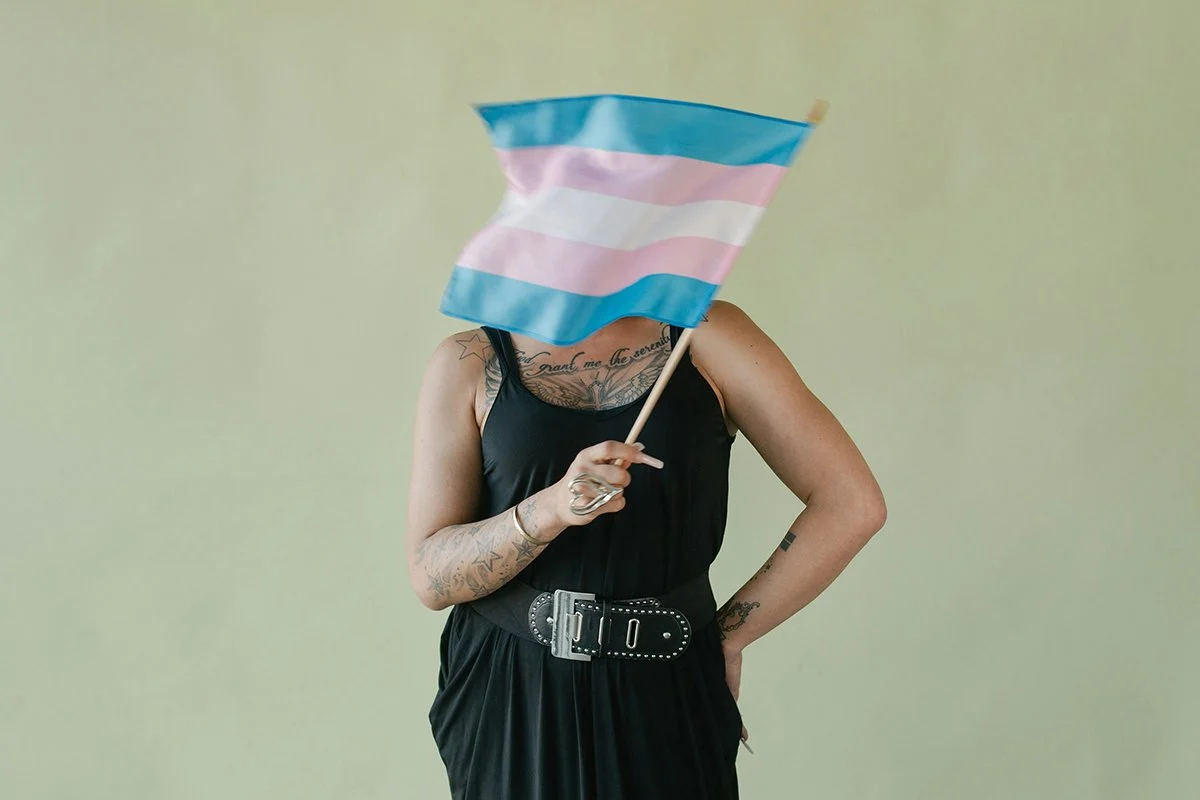
As California observes Transgender History Month this August, a designation established in 2021 to honor the contributions and resilience of the transgender community, leaders in San Francisco are sounding the alarm over a widening gap between the city’s sanctuary status and the material reality of those it serves. While San Francisco remains a global beacon for LGBTQIA+ rights, the convergence of federal funding retrenchment, a surge in national anti-transgender legislation, and a local cost-of-living crisis has created what advocates describe as an "existential threat" to the community’s safety net.
Jen Valles, the Executive Director of the SF LGBT Center, along with Carlo Gómez Arteaga, Co-Executive Director of the Transgender District, and historian Dr. Megan Rohrer, are highlighting a duality in the current landscape. On one hand, San Francisco continues to pioneer representation, being the first city in the world to establish a legally recognized Transgender District. On the other hand, the community is grappling with a relentless federal assault on healthcare access, housing security, and legal recognition that threatens to undermine decades of progress.
A Chronology of Resilience and Recognition in San Francisco
The struggle for LGBTQIA+ rights in San Francisco is not a modern phenomenon but a decades-long evolution of civil disobedience and policy innovation. Understanding the current crisis requires a look at the milestones that shaped the city’s identity:
- 1966: The Compton’s Cafeteria Riot. Three years before New York’s Stonewall Inn uprising, transgender women and drag queens in San Francisco’s Tenderloin District fought back against police harassment, marking one of the first recorded instances of militant queer resistance in United States history.
- 1977: Harvey Milk’s Election. The election of Harvey Milk to the Board of Supervisors signaled the community’s entry into formal political power, establishing San Francisco as a hub for legislative advocacy.
- 2004: Winter of Love. Former Mayor Gavin Newsom’s directive to issue marriage licenses to same-sex couples set a national precedent that eventually led to the Supreme Court’s legalization of marriage equality.
- 2017: Establishment of the Transgender District. The city officially recognized a six-block area in the Tenderloin as the Transgender Cultural District, the first of its kind globally.
- 2021: Declaration of Transgender History Month. Governor Gavin Newsom and San Francisco officials designated August as Transgender History Month to commemorate the Compton’s Cafeteria Riot and celebrate trans heritage.
- 2024: The Funding Crisis. A coalition of 11 LGBTQ+ service providers in San Francisco mobilized to oppose significant budget cuts, highlighting a shift from celebration to survival.
The National Legislative Landscape and Its Local Impact
While San Francisco maintains robust local protections, including access to gender-affirming care and non-discriminatory bathroom policies, the national climate is increasingly hostile. According to data from the American Civil Liberties Union (ACLU), over 527 anti-LGBTQ bills were introduced in state legislatures across the United States in 2024 alone. These bills target everything from healthcare for minors and adults to the ability of transgender individuals to update federal identification documents.
This legislative surge has triggered a domestic migration crisis. Leaders at the SF LGBT Center report a significant increase in "internal refugees"—individuals fleeing states where their existence has been effectively criminalized. However, this influx of people seeking safety is occurring at a time when San Francisco’s own resources are being stretched thin.
The federal government’s recent actions have further exacerbated this tension. Attacks on HIV/AIDS funding and the removal of non-binary gender markers on federal documents have created a climate of fear. Dr. Megan Rohrer notes that even in a sanctuary city, the nonprofit sector is becoming increasingly nervous. There is a growing concern that hiring transgender employees or maintaining specific trans-focused programs could jeopardize federal grants, particularly if future administrations intensify their opposition to LGBTQ+ rights.
Economic Precarity and the Erosion of the Safety Net
The "San Francisco Sanctuary" promise is frequently hindered by the city’s extreme economic environment. The high cost of housing, food, and transportation disproportionately affects the transgender and gender-non-conforming (GNC) community, which historically faces higher rates of unemployment and workplace discrimination.
Supporting data from the National Center for Transgender Equality indicates that transgender people are three times more likely to be unemployed than the general population, and 29 percent of transgender individuals live in poverty. In San Francisco, where the median rent for a one-bedroom apartment often exceeds $3,000, these statistics translate into a burgeoning homelessness crisis within the LGBTQIA+ community.
Nonprofit organizations are currently the primary line of defense, but they are facing what Carlo Gómez Arteaga describes as a "limbo state." Federal funding cuts are often announced and then partially restored, making long-term planning, hiring, and program development nearly impossible. The instability is forcing organizations to consider "sunsetting" essential programs, such as housing assistance and mental health services, just as demand is reaching record highs.
The Battle for Historical Memory and the Threat of Erasure
A central theme of the current discourse among San Francisco leaders is the intentional erasure of LGBTQ+ history as a tool of political control. Jen Valles points to historical precedents, such as the Nazi destruction of the Institute of Sexology in Berlin during the 1930s, where decades of research and documentation on transgender lives were burned.
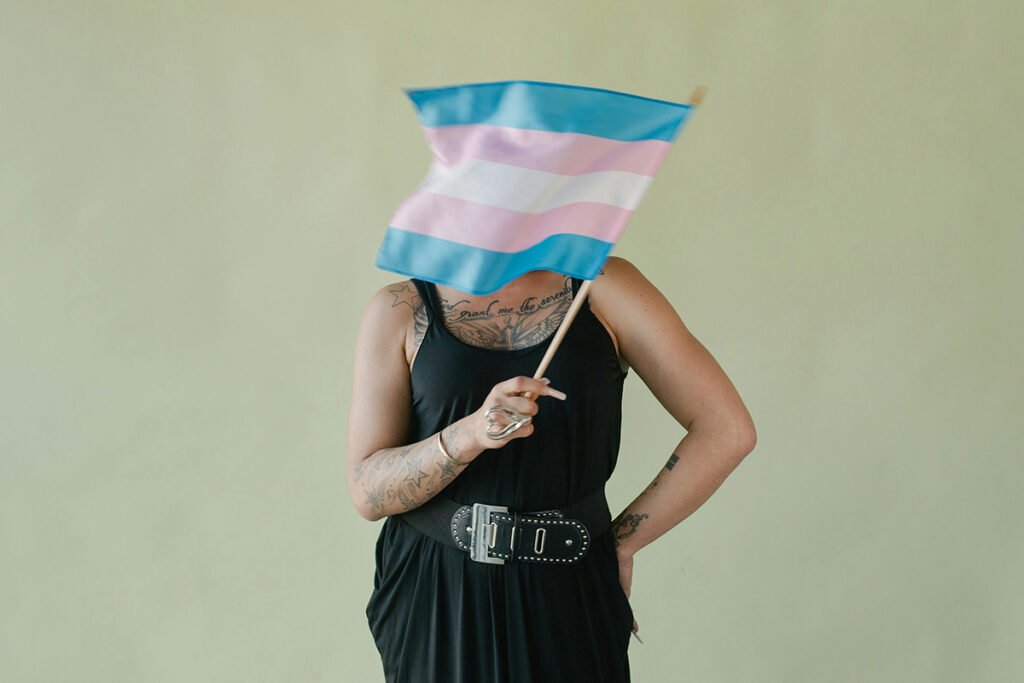
"The erasure of transgender people has always been a cornerstone of fascism," Valles stated. "Our existence threatens conformity and essentialism—core requirements of control."
In San Francisco, preserving history is viewed as a political act of resistance. The Transgender District and the SF LGBT Center serve as "third spaces"—communal environments outside of home and work where marginalized individuals can gather, organize, and build collective power. The reduction in funding for these spaces is seen not just as a financial loss, but as a strategic elimination of the infrastructure required for social movements to thrive.
Legal Setbacks and the Shifting Judicial Ground
The sense of security once provided by legal precedents is also beginning to crumble. Leaders highlighted a recent Supreme Court decision involving a counselor in Colorado that, while not striking down conversion therapy bans entirely, placed such bans in California and 20 other states on uncertain legal footing.
Every major American medical association, including the American Medical Association (AMA) and the American Psychological Association (APA), has denounced conversion therapy as harmful and ineffective. Yet, the judicial shift toward protecting "religious freedom" at the expense of civil rights has reopened psychological wounds for many in the community. At the SF LGBT Center, the Psychiatric Survivors Memorial Skylight stands as a permanent reminder of the history of institutionalization and abuse faced by queer and trans youth—a history that many fear is being repeated through modern legislative efforts.
Strategic Responses: Solidarity and the Call for Unrestricted Funding
In response to these challenges, San Francisco’s LGBTQIA+ leadership is moving toward a model of radical solidarity. A coalition of 11 service providers recently successfully lobbied the city government to restore budget cuts, though they emphasize that one-year stopgap funding is insufficient.
Advocates are calling on philanthropic foundations and allies to adopt three specific strategies to ensure the community’s survival:
- Multi-Year Unrestricted Funding: Moving away from project-specific grants to flexible funding that allows organizations to respond to sudden federal policy shifts or local emergencies.
- Infrastructure Support: Investing in the "backbone" of organizations—rent, utilities, and staff salaries—to provide stability against a volatile political climate.
- Platform Amplification: Encouraging allies to use their social and political capital to advocate for systemic change, rather than relying solely on financial contributions.
Broader Implications for the American Story
As the United States approaches its 250th anniversary, the struggle of the LGBTQIA+ community in San Francisco reflects a broader national reckoning with the promise of "liberty and justice for all." The leaders emphasize that trans history is American history, from the native communities that recognized multiple genders long before the nation’s founding to the trans women of color who led the Stonewall uprising.
The current moment in San Francisco is a litmus test for the rest of the country. The city’s ability to maintain its sanctuary status in the face of federal and economic pressure will likely signal the future of civil rights protections in the United States. While the challenges are significant, the prevailing sentiment among the city’s leaders remains one of "radical welcome."
"We cannot take our community centers or our organizers for granted," Jen Valles concluded. "This is an all-hands-on-deck moment. Protecting the freedom to live authentically is not just an LGBTQ+ issue; it is a fundamental requirement for a free society."
The ongoing advocacy in San Francisco underscores a critical reality: while laws and proclamations are vital, the actual safety of vulnerable populations depends on the sustained, long-term commitment of both local government and private philanthropy to fund the institutions that turn "sanctuary" from a political slogan into a lived reality.