Nila Kartika Wati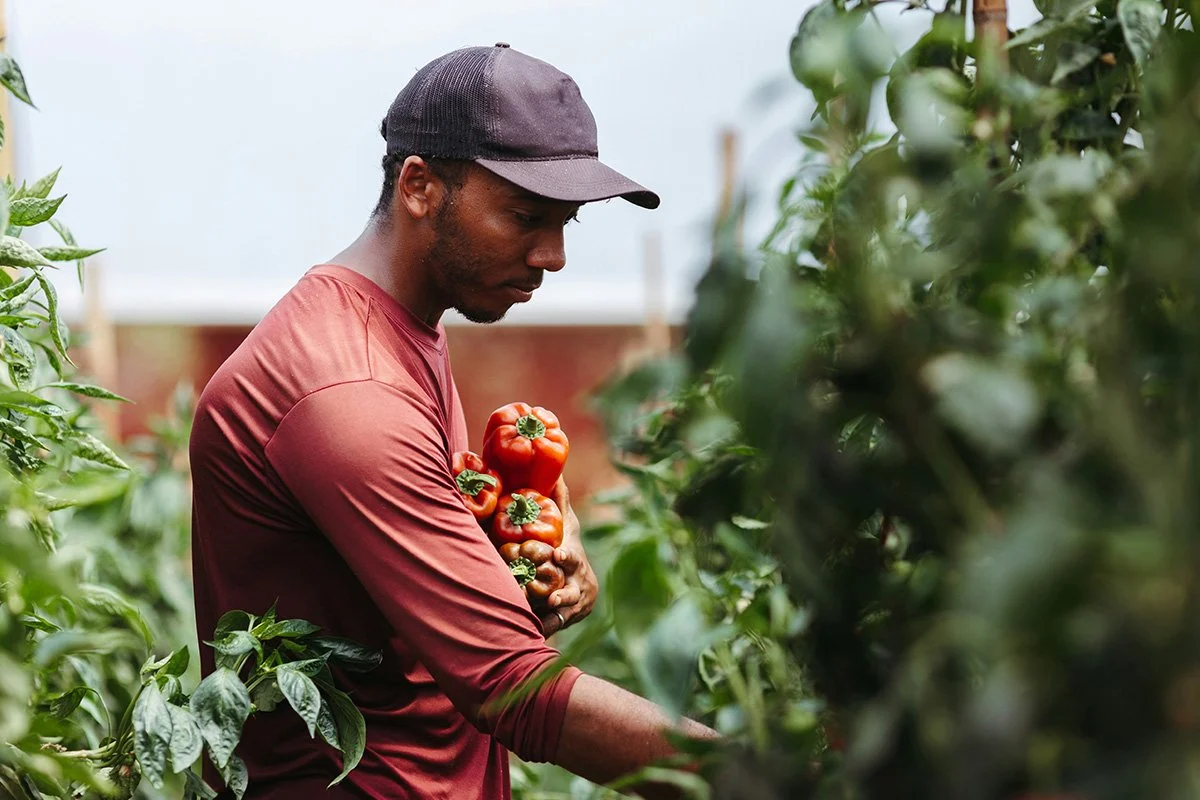
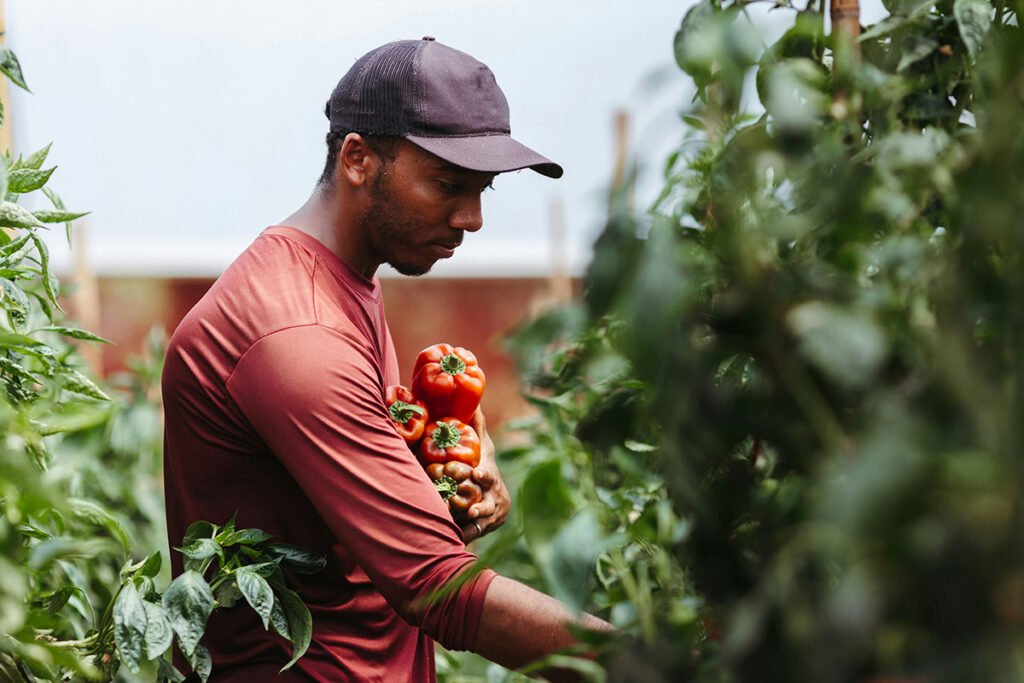
In the heart of central Louisiana, a 17-acre certified organic farm is serving as a living laboratory for a radical shift in American philanthropy and rural economic development. Owned and operated by the nonprofit organization Jubilee Justice, this acreage in Alexandria represents more than an agricultural endeavor; it is the cornerstone of a burgeoning economic infrastructure designed to rectify over a century of systemic racial and economic disparity. As the organization transitions from its foundational phase to a model of long-term sustainability, it is forcing a national conversation on what it truly takes to make community ownership endure beyond the lifecycle of a traditional charitable grant.
The initiative, co-founded by President Konda Mason and Vice President Mark Watson, is situated on land that once operated as a cotton plantation—a site of historical trauma now being repurposed for restorative justice. At the center of this transformation is the Black Farmers’ Rice Incubator project. By utilizing Afro-Indigenous farming techniques and focusing on regenerative agriculture, Jubilee Justice aims to provide Black farmers with the tools to reclaim a heritage that has been systematically eroded. According to data provided by the organization, Black land ownership in the United States has plummeted by approximately 90 percent since the 1920s, a decline driven by discriminatory lending practices, legal loopholes in heir property rights, and systemic exclusion from government support programs.
A Historical Context of Dispossession and Resilience
To understand the necessity of Jubilee Justice, one must examine the chronology of Black agricultural decline in the United States. In 1920, Black farmers operated nearly one million farms, accounting for roughly 14 percent of the nation’s farmers. Today, that number has dwindled to less than 2 percent. This mass dispossession was not merely a result of market forces but was accelerated by documented biases within the U.S. Department of Agriculture (USDA), most notably addressed in the landmark class-action lawsuit Pigford v. Glickman.
Jubilee Justice seeks to reverse this trend not just by returning people to the land, but by ensuring they own the entire value chain of their labor. The organization’s focus on rice is both cultural and economic. Historically, enslaved West Africans brought sophisticated rice-cultivation knowledge to the Americas, which became a primary driver of wealth for white plantation owners in the Lowcountry. By reintroducing rice through the System of Rice Intensification (SRI)—a climate-smart, high-yield methodology—Jubilee Justice is attempting to reconnect Black farmers with an ancestral crop while positioning them to compete in the modern organic market.
The Infrastructure of Ownership: Beyond the Seed
A primary critique leveled by Jubilee Justice against traditional philanthropy is the tendency to fund "projects" rather than "ecosystems." A project might provide seeds and a tractor, but an ecosystem provides the processing facilities, the market access, and the governance structures necessary for long-term survival.
The centerpiece of this ecosystem is the Jubilee Justice Specialty Foods Mill. This solar-powered facility allows farmers to retain the "value-added" portion of their crop. In traditional industrial agriculture, the majority of profit is captured not by the grower, but by the processors, packagers, and distributors. By owning the mill cooperatively, Black farmers can process their own grain, control the quality of the final product, and keep the resulting wealth within their own communities.
This model aligns with the principles of Community Wealth Building (CWB), an economic development framework first popularized by The Democracy Collaborative in 2005. CWB shifts the focus from attracting outside investment to anchoring wealth locally through worker cooperatives, community land trusts, and democratic financial institutions.
Comparative Models: The Evergreen Cooperatives
The strategy employed in Louisiana finds a parallel in the urban landscape of Cleveland, Ohio, with the Evergreen Cooperatives. Launched to revitalize low-to-moderate-income neighborhoods, the Evergreen model utilizes the purchasing power of "anchor institutions"—such as hospitals and universities—to support a network of worker-owned businesses. These include a high-tech laundry facility, an energy-efficiency company, and a massive urban greenhouse.
Like Jubilee Justice, the Evergreen Cooperatives demonstrate that ownership alone is insufficient. The success of these enterprises depends on a secondary layer of support: ongoing business consulting, access to low-interest capital, and a shared governance model that ensures the mission remains focused on community benefit rather than individual profit. For Jubilee Justice, this support network includes partnerships with academic institutions like Cornell University, where professors provide technical expertise to refine no-till, organic rice-growing methods.
The Hidden Mechanics of Sustainability
The "hidden infrastructure" of Jubilee Justice involves a complex web of relationships and technical support that rarely makes it into a standard donor report. This includes:
- Governance Training: Teaching farmers and community members how to manage shared assets and navigate the legal complexities of cooperative ownership.
- Market Development: Establishing direct-to-consumer pipelines and partnerships with retailers who value the social and environmental provenance of the product.
- Technological Integration: Maintaining a solar-powered milling infrastructure and engaging with equipment manufacturers to adapt machinery for small-scale, organic operations.
- Land Stewardship: Implementing regenerative practices that restore soil health, ensuring the 17-acre farm remains productive for future generations.
In its most recent annual review, Jubilee Justice emphasized that maintaining "honest dialogue" with manufacturers and growers is as critical as the harvest itself. These relationships form a buffer against the volatility of the agricultural market and the inherent risks of transitioning to organic standards.
Redefining Success: New Metrics for Philanthropy
As Jubilee Justice enters its next phase, the organization and its supporters are calling for a shift in how philanthropic success is measured. Traditional metrics—such as the number of people trained or the total acreage under cultivation—offer only a superficial view of impact. To determine if community ownership is truly taking root, a different set of questions must be asked:
- Wealth Retention: What percentage of the final retail price of the rice is staying in the hands of the farmer and the local community?
- Asset Growth: Is the value of the community-owned infrastructure (the mill, the land, the equipment) increasing, and is that equity accessible to the participants?
- Intergenerational Stability: Are younger generations seeing a viable economic future in these systems, thereby stemming the "brain drain" from rural communities?
- Policy Influence: To what extent is the model being used to advocate for broader systemic changes in USDA policy or state-level agricultural support?
Evidence of success is already manifesting in the numbers. Currently, 18 nearby farms across several states have joined the Jubilee Justice project, creating a regional network that shares resources and knowledge. The operational status of the Specialty Foods Mill serves as a concrete proof of concept, demonstrating that a nonprofit-led initiative can successfully manage industrial-grade processing equipment using renewable energy.
Broader Implications for Economic Justice
The Jubilee Justice model offers a blueprint for a "post-grant" world. If philanthropy’s ultimate goal is to become obsolete, it must invest in the conditions that allow for self-sufficiency. This requires a departure from the "charity" mindset toward an "investment" mindset—one where the return is measured in community resilience and economic sovereignty.
The implications extend beyond agriculture. The lessons learned in the rice fields of Louisiana can be applied to housing, renewable energy, and technology. The core principle remains the same: the community must own the means of production and the infrastructure of distribution.
As Jubilee Justice continues to refine its operations, it stands as a challenge to the status quo. It suggests that the path to ending rural racism and economic disparity is not paved with intermittent donations, but with the hard, technical work of building systems that the community can control, maintain, and grow. The 17-acre farm in Alexandria is no longer just a plot of land; it is a prototype for a new American economy—one that values the steward as much as the soil.