Nila Kartika Wati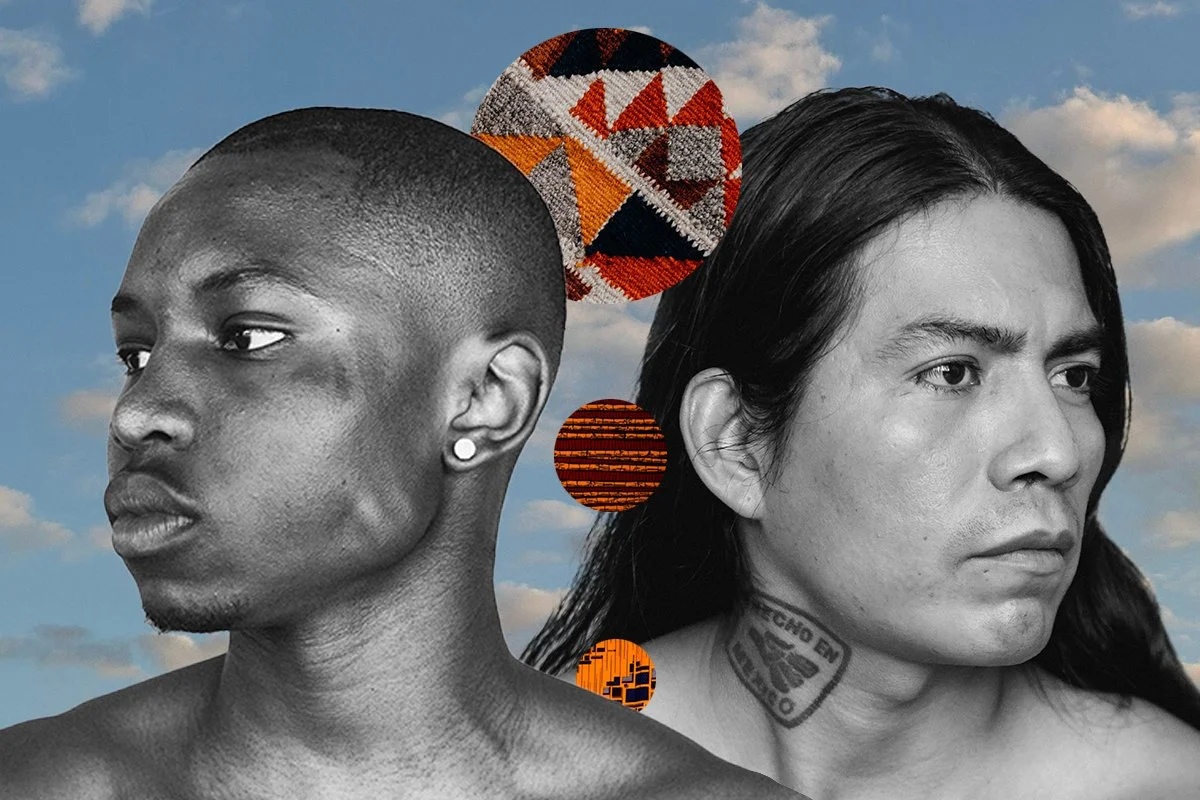
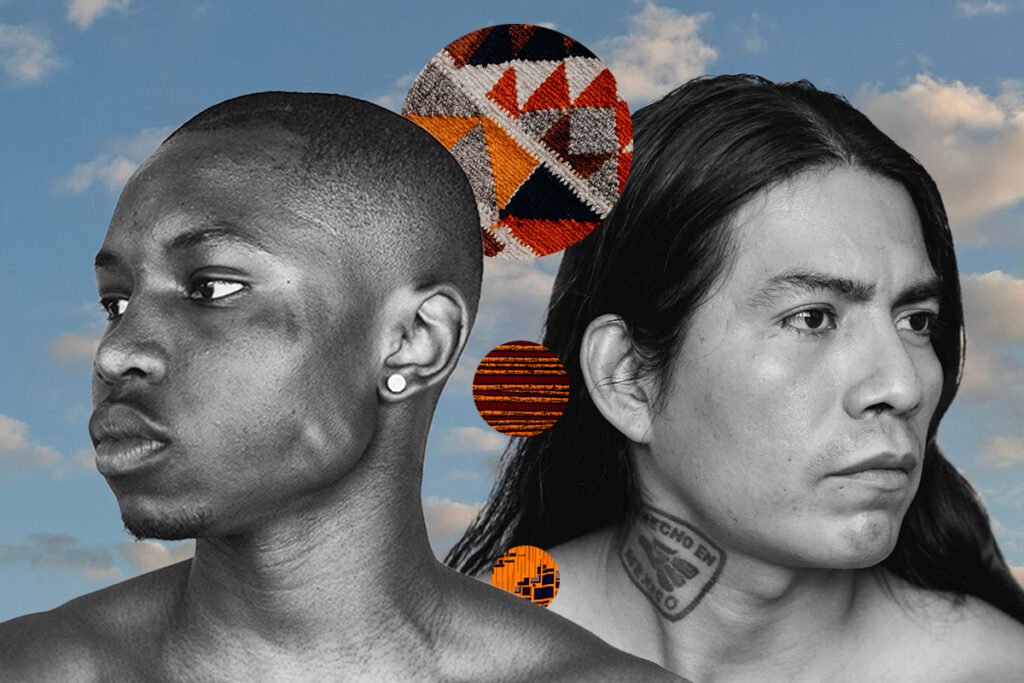
The landscape of social justice organizing in the United States underwent a significant shift in early 2026 as the Twin Cities became a focal point for cross-community solidarity between Black and Indigenous movements. This resurgence of activism, catalyzed by an increased federal presence and a series of tragic encounters with law enforcement, has brought together veteran organizers to address the dual legacies of settler colonialism and systemic racism. At the heart of this movement is a dialogue between Nick Tilsen, President and CEO of the NDN Collective, and Jason Sole, a renowned abolitionist and restorative justice educator. Their collaboration highlights a growing national trend: the intersection of the LandBack movement and the fight for Black reparations as a unified front for collective liberation.
The Evolution of Grassroots Organizing in the Twin Cities
The Twin Cities of Minneapolis and St. Paul have historically served as a laboratory for both state surveillance and radical community resistance. In early 2026, this tension reached a breaking point during what local organizers described as a "cruel ICE occupation." The deployment of Immigration and Customs Enforcement (ICE) agents into urban neighborhoods sparked widespread community defense efforts. It was during this period of heightened state violence that Nick Tilsen and the NDN Collective staff arrived in Minnesota to support local organizers.
The timing of this intervention coincided with a pivotal moment for Jason Sole. A formerly incarcerated individual who spent years navigating the complexities of the American legal system, Sole was granted a unanimous pardon in late 2025. His journey from the South Side of Chicago to becoming a criminal justice educator for over 16 years exemplifies the transformative potential of restorative justice. Sole’s initiative, "Humanize My Hoodie," has gained international recognition for challenging the criminalization of Black identity and attire, specifically aiming to dismantle the biases that lead to the disproportionate policing of young Black men.
Sole’s entry into organizing began in 2004, shortly after his release from prison. His transition from a youth entangled in gang violence to a leader in the abolitionist movement was guided by figures of historical significance. Among his mentors was Chuck McDoug, a co-founder of the Student Nonviolent Coordinating Committee (SNCC). The influence of SNCC—an organization famous for its youth-led sit-ins and voter registration drives during the 1960s—is evident in Sole’s tactical approach to community defense. By organizing alongside legends such as Angela Davis and Marian Wright Edelman, Sole has bridged the gap between the Civil Rights era and contemporary struggles for racial justice.
Chronology of Crisis and Community Response
The urgency of the 2026 protests was underscored by the death of Renée Good, who was killed by an ICE agent just eight days prior to the high-level strategy meetings between NDN Collective and local leaders. The killing of Good served as a catalyst for a multifaceted community response that prioritized mutual aid over traditional hierarchical leadership.
The timeline of events in early 2026 reveals a rapid escalation of community-led initiatives:
- Late 2025: Jason Sole receives a unanimous pardon, signaling a shift in the political climate regarding restorative justice in Minnesota.
- January 2026: Increased ICE activity is reported in the Twin Cities, leading to the establishment of "Sanctuary Zones" by local activists.
- February 2026: The death of Renée Good triggers massive street protests and a call for federal accountability.
- March 2026: NDN Collective deploys resources to the region, integrating Indigenous land defense strategies with urban abolitionist tactics.
- July 2026: The launch of the "Day 1 Movement" during the 250th anniversary of the United States, linking LandBack and reparations.
During the height of the ICE occupation, the roles within the movement became fluid. As Sole noted, the community adopted a model where no single individual held a "main role." Activists functioned as nurses, grocery couriers, and legal observers, creating a resilient infrastructure designed to withstand state pressure. This model of unity is what Tilsen describes as the essential antidote to "tyranny," arguing that collective action is the only viable response to the rise in state violence witnessed across American cities.
Data and Context: The Disproportionate Impact of State Systems
The struggle in the Twin Cities is supported by decades of data illustrating the systemic nature of the issues at hand. Minnesota has long struggled with some of the highest racial disparities in the country regarding incarceration and economic mobility. According to Department of Justice statistics from the early 2020s, Black and Indigenous people in Minnesota were incarcerated at rates significantly higher than their white counterparts—a trend that Sole and Tilsen argue is a direct continuation of historical dispossession.
The LandBack movement, led by organizations like the NDN Collective, seeks the return of Indigenous lands to Indigenous hands. This is not merely a symbolic gesture but a structural requirement for environmental and social stability. Simultaneously, the movement for Black reparations seeks to address the multi-generational economic theft of slavery and Jim Crow.
Key data points informing these movements include:
- Land Dispossession: Indigenous peoples currently steward only a fraction of their ancestral territories, yet these lands contain a significant portion of the world’s remaining biodiversity.
- The Racial Wealth Gap: Estimates suggest that the median white household holds nearly eight times the wealth of the median Black household, a gap that has remained largely stagnant for decades.
- Surveillance Trends: The use of federal agencies like ICE in domestic urban centers has increased by over 40% in certain jurisdictions since 2022, often targeting communities of color under the guise of national security.
Dismantling Internalized Biases for Collective Liberation
A central theme of the dialogue between Tilsen and Sole is the necessity of dismantling anti-Blackness within Indigenous communities and addressing colorism across all marginalized groups. For collective liberation to be successful, organizers argue that the "skin of what is seen" must not interrupt the "work of what can be done."
Sole emphasizes that dismantling anti-Blackness requires active relationship-building. He posits that biases are often the result of segregation and a lack of proximity. By encouraging Indigenous folks to spend time within Black communities and vice versa, the movement aims to create a shared understanding of the "struggle of darker skin." This approach moves beyond theoretical solidarity into a practiced, lived experience of mutual support.
The concept of "liberation" itself is being redefined. For Sole, liberation begins at the individual level—achieving a state of wholeness and happiness that does not require external validation or permission. However, this individual liberation is viewed as a prerequisite for collective liberation. Tilsen and Sole agree that for Black and Indigenous peoples to be truly free, they must dismantle the very systems of oppression—such as the culture of anti-Blackness—that were designed to keep these communities divided.
The Day 1 Movement and the 250th Anniversary Analysis
The year 2026 marks the 250th anniversary of the Declaration of Independence. For many, this milestone is a moment of national celebration; however, for Black and Indigenous organizers, it serves as a stark reminder of the document’s exclusionary origins. The Declaration, written by enslavers, famously referred to Native people as "merciless Indian savages."
In response to this anniversary, the "Day 1 Movement" was launched. This initiative seeks to pivot the national conversation away from whitewashed history and toward a future defined by LandBack and reparations. The movement argues that the United States cannot achieve its stated ideals of liberty and justice without first rectifying the foundational injustices of land theft and chattel slavery.
Analysis of the Day 1 Movement suggests a shift in political strategy. Rather than seeking incremental reforms within existing systems, organizers are calling for a "Day 1" reimagining of the social contract. This includes:
- Policy Integration: Aligning environmental justice policies with Indigenous land management.
- Economic Restructuring: Implementing reparations frameworks that provide direct capital and land to Black communities.
- Abolitionist Frameworks: Replacing punitive policing and immigration enforcement with community-led safety and restorative justice models.
Broader Implications for National Policy
The collaboration between Jason Sole and the NDN Collective represents a sophisticated evolution of social justice work in the 21st century. By linking the specific trauma of an ICE occupation to the broader historical context of land theft and incarceration, these leaders are providing a roadmap for other movements across the globe.
The implications for national policy are significant. As the "Day 1 Movement" gains traction, it challenges the federal government to move beyond performative acknowledgments of historical harm. The demand is for structural change that honors treaties with Indigenous nations and fulfills the long-overdue debt to Black Americans.
Furthermore, the success of the Twin Cities’ community defense model suggests that localized, decentralized organizing can effectively counter federal overreach. As Jason Sole articulated, the goal is to grow "in love with people" while remaining uncompromising in the fight against tyranny. This blend of restorative philosophy and radical activism is likely to define the next era of American civil rights, as communities move closer to a reality where liberation is not just a slogan, but a lived experience for all.