Candice Horbacz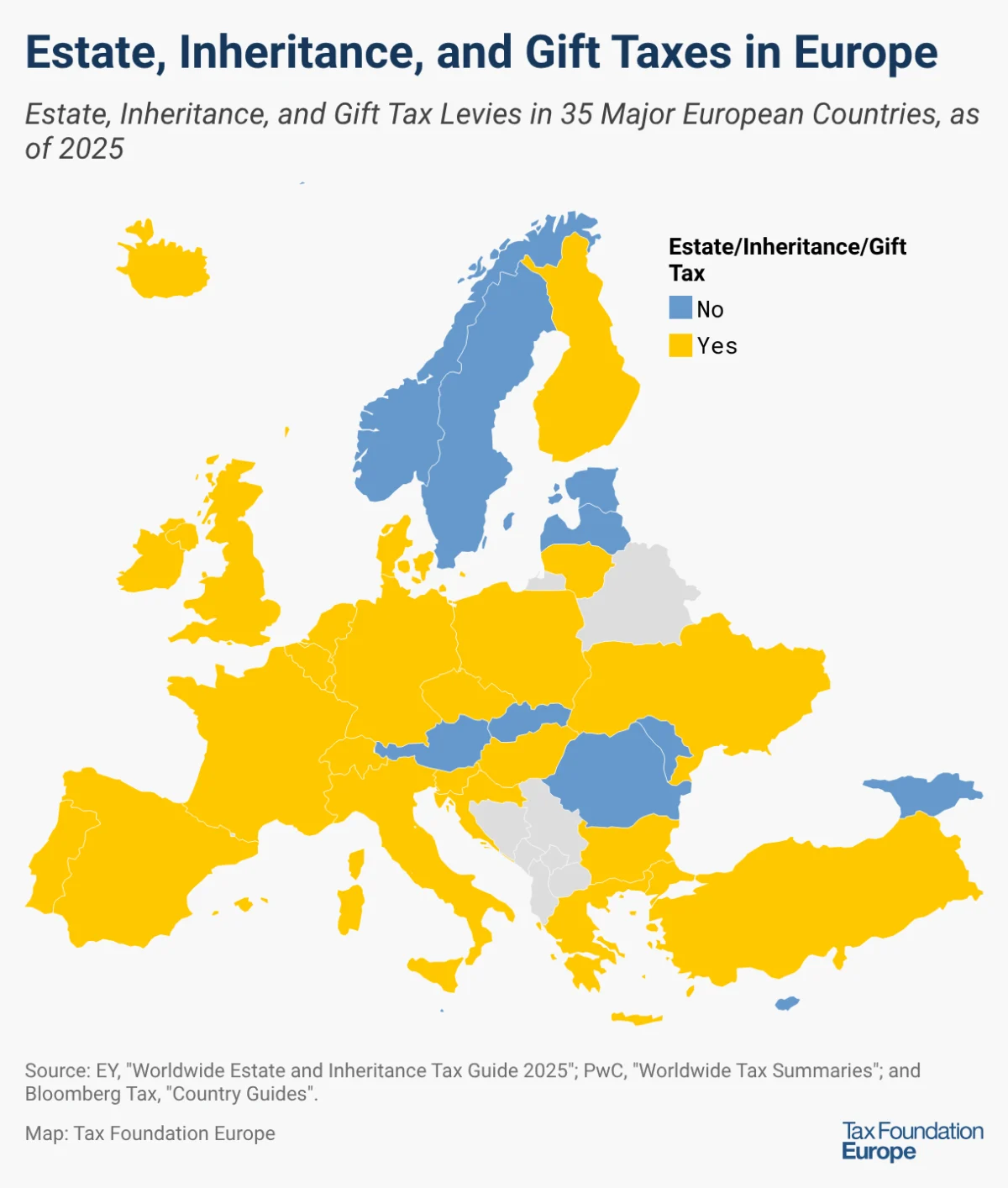
Inheritance taxes, a fiscal instrument with roots stretching back to the Roman Empire, where a 5 percent levy on inherited property funded soldiers’ pensions, remain a significant, albeit contentious, feature of modern European fiscal policy. Today, this practice is widespread, with 24 out of the 35 European countries currently levying estate, inheritance, or gift taxes. These taxes, designed to capture wealth transfers, present a complex interplay of historical precedent, economic theory, and social equity considerations, sparking continuous debate among policymakers, economists, and the public.
Defining the Mechanisms: Estate, Inheritance, and Gift Taxes
To understand the contemporary landscape, it is crucial to distinguish between the primary forms of wealth transfer taxation. An estate tax is levied directly on the total net value of the deceased individual’s property before any assets are distributed to heirs. The estate itself is responsible for paying this tax. This approach treats the entirety of the deceased’s accumulated wealth as a single taxable event. Countries employing an estate tax often set high exemption thresholds, meaning only the wealthiest estates are subject to the levy, and progressive rates may apply to amounts exceeding these thresholds.
In contrast, an inheritance tax is not imposed on the total estate but rather on the value of assets received by each individual beneficiary. The tax liability falls directly on the heirs, and the rates often vary based on the relationship between the deceased and the heir. For instance, spouses and direct descendants typically face lower rates or higher exemptions than more distant relatives or unrelated beneficiaries. This distinction reflects a policy choice about whether the taxable event is the transfer of wealth from the deceased or the receipt of wealth by the inheritor.
Completing this trio are gift taxes, which are levied when property or assets are transferred by a living individual. These taxes are crucial for preventing individuals from circumventing estate or inheritance taxes by distributing their wealth before death. Gift taxes often share similar rate structures and exemptions with inheritance taxes, and in many jurisdictions, they are integrated into a unified system that tracks cumulative lifetime transfers. The intent is to ensure that wealth passed down through generations contributes to public revenue, regardless of the timing of the transfer.
A Historical Trajectory: From Roman Legions to Modern States
The concept of taxing inherited wealth is far from new. Beyond the Roman vicesima hereditatum introduced by Emperor Augustus in 6 AD, which explicitly funded military pensions, similar levies can be traced through various historical periods. In medieval Europe, feudal systems often involved payments or services due to a lord upon the inheritance of land, effectively a form of inheritance tax. The modern resurgence and formalization of these taxes gained traction in the late 19th and early 20th centuries, particularly following the industrial revolution and the burgeoning need for state revenue to fund social programs and large-scale conflicts.
Great Britain, for instance, introduced legacy and succession duties in the late 18th and mid-19th centuries, evolving into estate duty by 1894. These taxes were seen as a legitimate means to fund growing public expenditures and address concerns about inherited wealth concentrating power and influence. Similarly, many European nations adopted various forms of death duties in the aftermath of World War I and II, driven by immense war debts and the expanding role of the welfare state. The progressive nature of these taxes, often targeting larger estates, aligned with emerging social democratic ideals of redistribution and equality. Over time, the rationale shifted from purely revenue generation to encompassing goals of wealth redistribution and preventing the perpetuation of extreme economic disparities across generations.
The European Mosaic: Prevalence and Specifics
The European continent presents a diverse picture regarding wealth transfer taxation. While 24 of 35 countries levy some form of estate, inheritance, or gift tax, the specifics vary widely. Countries such as France, Germany, Spain, and Italy maintain robust inheritance tax regimes, often characterized by progressive rates and differing thresholds based on the relationship between the deceased and the heir. France, for example, has some of the highest effective rates for transfers to non-direct relatives, reflecting a strong emphasis on family lineage in its tax structure. Germany also imposes a significant inheritance and gift tax, with rates that can reach 50% for unrelated beneficiaries, though generous exemptions exist for close family and business assets under certain conditions.
Conversely, a notable minority of European countries have opted to repeal these taxes entirely, often citing concerns about their economic impact. Sweden abolished its inheritance and gift tax in 2004, followed by Norway in 2014 and Austria in 2008. These repeals were often motivated by arguments that such taxes discourage saving, investment, and entrepreneurship, lead to capital flight, and impose significant administrative burdens on family businesses. The debate in these countries often centered on whether the social benefits of wealth redistribution outweighed the perceived economic costs and complexities. Other countries, like Estonia, Latvia, and Cyprus, have never implemented such taxes, relying on other fiscal instruments to generate revenue. This divergence underscores the ongoing ideological and economic debate surrounding wealth transfer taxation within the EU.
Navigating Cross-Border Complexities: Double Taxation and EU Initiatives
The increasing cross-border mobility of capital and individuals within the European Union has introduced significant complexities, particularly regarding the potential for double taxation. A situation can arise where an estate or inheritance falls under the tax jurisdiction of two or more countries that apply different types of wealth transfer taxes. For instance, one country might levy an estate tax on the total assets of a deceased resident, while another country, where some assets or heirs are located, might impose an inheritance tax on the portion received by its residents. This can lead to beneficiaries being taxed twice on the same transferred wealth, creating a substantial financial burden and disincentive for cross-border investment and residency.
Recognizing this challenge, European Union Member States have implemented various mechanisms intended to prevent or relieve double taxation. These mechanisms often involve bilateral tax treaties between countries, which specify rules for allocating taxing rights and providing relief (e.g., credit methods or exemption methods). At the EU level, while there isn’t a harmonized EU-wide inheritance tax, the European Commission actively promotes cooperation and provides guidance to member states to mitigate cross-border tax obstacles. The EU Succession Regulation (Regulation (EU) No 650/2012), for example, aims to simplify international succession by allowing individuals to choose the law of their nationality to govern their succession, which can indirectly help in navigating tax complexities, though it does not directly harmonize tax rules. The goal is to ensure the smooth functioning of the internal market and protect citizens from undue fiscal burdens arising from differing national tax systems.
The Economic Debate: Revenue Generation vs. Behavioral Impacts
The primary justification for inheritance, estate, and gift taxes, particularly from a governmental perspective, often centers on their potential for revenue generation and their role in a progressive tax system. However, the actual capacity of these taxes to collect substantial revenue is a subject of ongoing debate. Data from the Organisation for Economic Co-operation and Development (OECD) consistently shows that revenue from wealth transfer taxes typically constitutes a very small percentage of total tax revenue in most countries – often less than 1%. This limited revenue-generating capacity can be attributed to several factors, including high exemption thresholds, complex tax planning strategies employed by wealthy individuals, and the relatively infrequent nature of taxable events. For example, even in countries with high rates, the administrative costs of collection can sometimes disproportionately outweigh the net revenue, especially for smaller estates.
Beyond revenue, the economic debate delves into the behavioral impacts of these taxes. Critics argue that wealth transfer taxes can have negative effects on entrepreneurial activity, saving rates, and work incentives. The prospect of a significant portion of one’s accumulated wealth being taxed upon transfer can discourage individuals from saving and investing throughout their lifetime. For family-owned businesses, inheritance taxes can pose a severe challenge, potentially forcing heirs to sell parts of the business or assets to cover tax liabilities, thereby disrupting continuity, jeopardizing jobs, and hindering future investment. This argument posits that such taxes can erode capital formation and reduce the overall economic dynamism of a country. Furthermore, there are concerns about "brain drain" or capital flight, where wealthy individuals might relocate themselves or their assets to jurisdictions with more favorable tax regimes, further diminishing the domestic tax base.
Addressing Wealth Inequality: A Core Rationale
A fundamental argument in favor of inheritance, estate, and gift taxes is their potential to reduce wealth inequality. Proponents, including organizations like the OECD, often highlight these taxes as a mechanism to promote greater social equity and intergenerational fairness. The argument posits that inherited wealth, particularly large inheritances, can perpetuate and exacerbate existing economic disparities, creating an "unearned" advantage that undermines meritocracy. By taxing these transfers, governments can theoretically redistribute wealth, fund public services, and provide opportunities for those who do not benefit from substantial inherited assets.
This perspective aligns with the broader push for progressive taxation, where those with greater means contribute a larger proportion of their wealth to the public purse. The idea is that an individual’s success should primarily be a result of their own efforts and talents, rather than solely dependent on the wealth of their ancestors. In an era of growing concerns about the concentration of wealth in the hands of a few, inheritance taxes are viewed by many as a vital tool to mitigate the entrenchment of dynastic wealth and foster a more level playing field for future generations.
Official Stances and Stakeholder Reactions
The ongoing policy debate is shaped by the divergent views of various stakeholders. The OECD, representing a consensus of developed economies, generally supports wealth transfer taxes as part of a comprehensive tax system that addresses wealth inequality and contributes to public finances, albeit with recognition of their modest revenue-generating capacity. Their analyses often focus on how these taxes can be designed effectively to achieve equity goals while minimizing economic distortions.
Conversely, business associations, particularly those representing small and medium-sized enterprises (SMEs) and family businesses, frequently advocate for the reduction or repeal of inheritance taxes. They argue that these taxes threaten the survival and growth of family enterprises, which are often cornerstones of local economies. Organizations like BusinessEurope or national Chambers of Commerce routinely issue statements highlighting the liquidity challenges and administrative burdens these taxes impose, advocating for generous exemptions for business assets or complete abolition.
Economic think tanks and academic researchers are also divided. Some, often aligned with social democratic principles, emphasize the equity benefits and the importance of taxing capital transfers to prevent excessive wealth concentration. Others, typically adhering to more liberal or libertarian economic philosophies, stress the negative impacts on capital formation, savings, and entrepreneurship, often advocating for their repeal to boost economic growth and investment.
Political parties across Europe reflect this ideological divide, with left-leaning parties generally favoring robust inheritance taxes for social justice reasons, and right-leaning parties often advocating for their reduction or abolition to stimulate economic activity and protect private property rights.
Broader Implications and Future Trajectories
The debate surrounding inheritance, estate, and gift taxes is multifaceted, extending beyond mere fiscal policy to touch upon fundamental questions of economic justice, intergenerational equity, and the role of the state in wealth distribution. The implications of these taxes are far-reaching:
- Social Cohesion: Proponents argue that by reducing extreme wealth disparities, these taxes can foster greater social cohesion and reduce resentment arising from perceived unfairness in economic opportunities.
- Economic Competitiveness: Critics contend that high wealth transfer taxes can deter investment and encourage capital flight, potentially harming a nation’s long-term economic competitiveness and attractiveness for high-net-worth individuals.
- Policy Complexity: The implementation of these taxes often involves complex legal and administrative frameworks, necessitating specialized expertise for both tax authorities and taxpayers, contributing to compliance costs.
- Succession Planning: The existence of these taxes profoundly influences financial planning, wills, and succession strategies for individuals and families, often leading to sophisticated wealth management practices to mitigate tax liabilities.
Looking ahead, the discussion around wealth transfer taxes in Europe is likely to intensify. With increasing global wealth disparities and growing pressure on public finances, the call for greater contributions from inherited wealth may grow louder. However, concerns about economic impact, particularly on small and medium-sized enterprises and investment, will continue to serve as a powerful counter-narrative. The future trajectory will likely involve a continuous search for a delicate balance: designing tax regimes that address societal concerns about inequality and contribute to public revenue, while simultaneously minimizing disincentives for productive economic activity and ensuring a competitive environment within the global economy. The European experience, with its varied approaches and ongoing reforms, will continue to offer valuable lessons in this complex and enduring fiscal policy challenge.