Nila Kartika Wati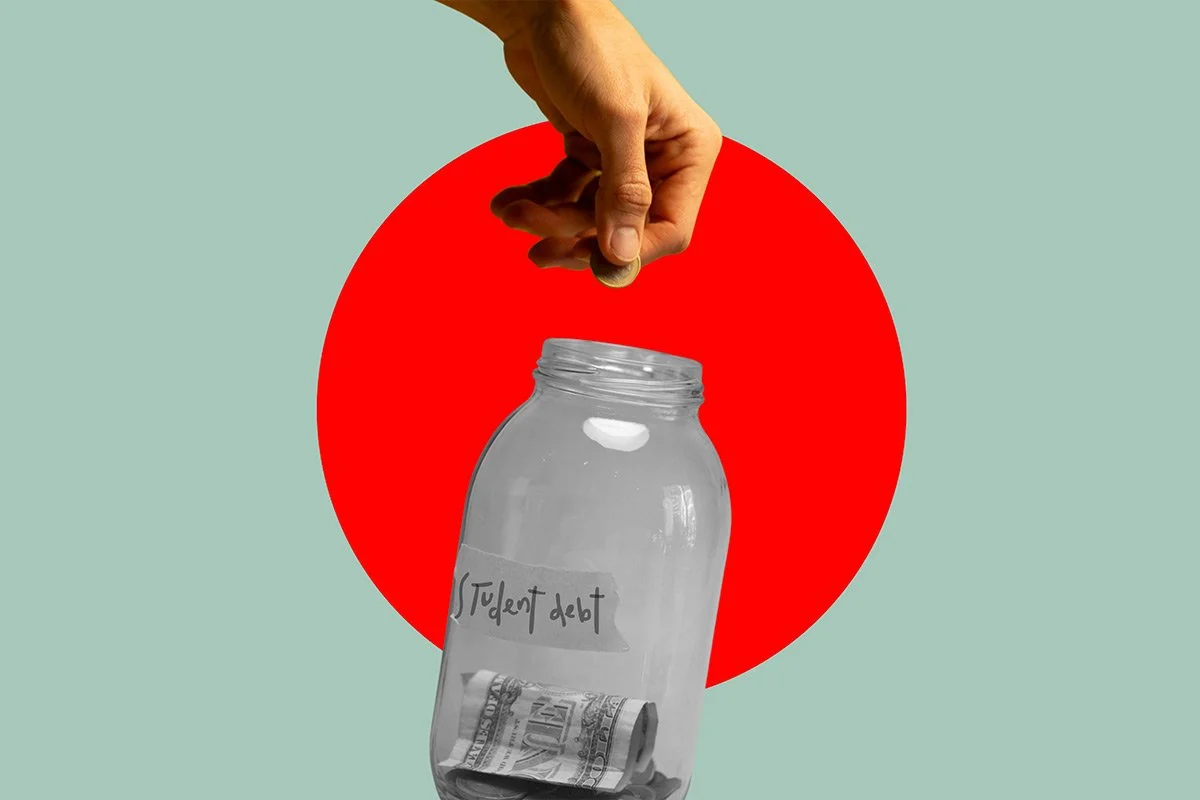
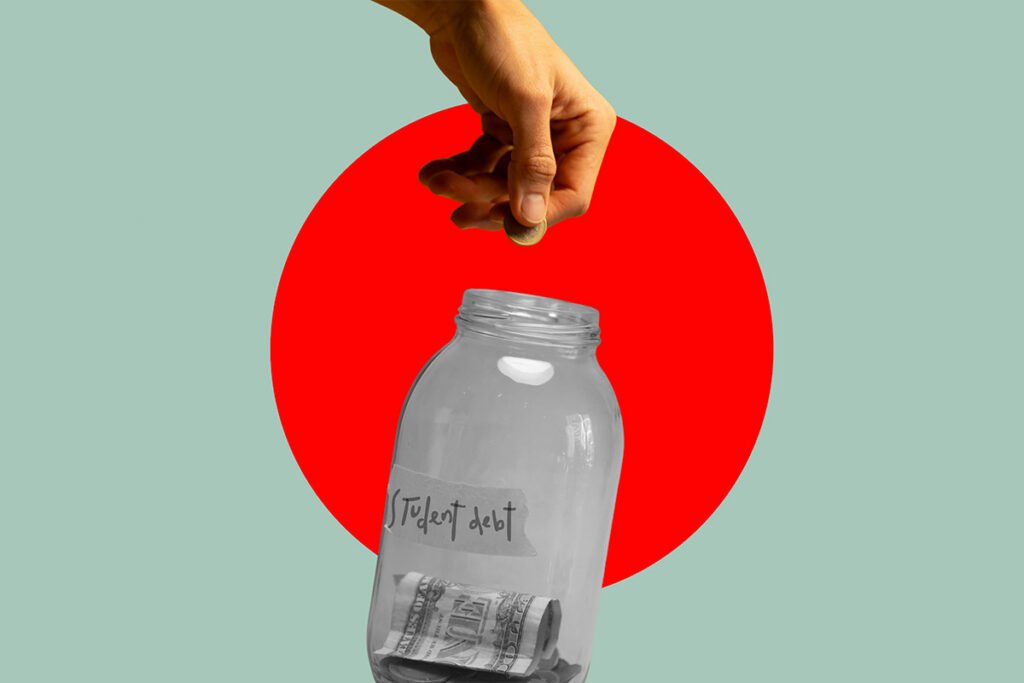
The United States is currently grappling with an unprecedented surge in student loan defaults, a direct consequence of the termination of the multi-year payment pause and the implementation of sweeping new legislative reforms. For the first time since the onset of the COVID-19 pandemic in 2020, millions of borrowers are being forced to navigate a repayment landscape that has become significantly more expensive and administratively unstable. With monthly obligations for many now exceeding the cost of median mortgage or automotive payments, economic analysts warn of a cascading effect on consumer spending and national financial stability.
The resumption of payments has not been a smooth transition. Instead, it has been characterized by systemic failures, including widespread administrative errors, incorrect balance reporting, and a lack of clear communication from loan servicers. Advocacy groups and federal watchdogs report that the infrastructure designed to manage the $1.7 trillion in outstanding federal student debt is buckling under the pressure, leaving millions of Americans in a state of financial limbo.
A Chronology of Policy Shifts and Judicial Intervention
The current crisis is the result of a complex timeline of executive actions, legislative overhauls, and judicial rulings that have reshaped higher education financing over the last six years.
The trajectory began in March 2020, when the Trump administration implemented an emergency pause on federal student loan payments and interest accrual. This measure, intended to provide relief during the economic lockdowns, was extended multiple times by both the Trump and Biden administrations. For over three years, borrowers were able to redirect those funds toward essential living expenses, savings, and debt reduction in other areas.
However, the path toward permanent relief was stymied by legal challenges. In 2023, the Supreme Court struck down the Biden administration’s plan for broad-based debt cancellation, which would have forgiven up to $20,000 for millions of low- and middle-income borrowers. Following this, the administration introduced the Saving on a Valuable Education (SAVE) plan, designed to lower monthly payments and prevent interest growth. This too faced a major setback when it was dismantled following a Supreme Court ruling in early 2026, forcing approximately seven million borrowers to transition to less favorable repayment programs.
The most significant shift occurred with the passage of the "One Big Beautiful Bill" in 2025. This legislation profoundly restructured the federal student loan system, imposing strict lifetime borrowing limits—capped at $257,500 for combined undergraduate and graduate studies—and eliminating popular repayment options such as Pay As You Earn (PAYE) and Income-Contingent Repayment (ICR). The convergence of these legislative changes and the end of the payment pause has created what many experts describe as a "perfect storm" for borrowers.
Administrative Failures and the Surge in Defaults
As the payment pause expired, the Department of Education and its contracted servicers faced the monumental task of transitioning 40 million people back into active repayment. The result has been described by advocacy groups as an administrative "meltdown."
The Debt Collective, a prominent organization representing student debtors, has documented thousands of cases where borrowers received inaccurate delinquency notices or inflated payment demands. Braxton Brewington, a spokesperson for the organization, emphasizes that many borrowers who are technically eligible for affordable plans find themselves unable to access them due to bureaucratic backlogs. "We are asking Congress to amplify the voices of student debtors and to press for a renewed pause," Brewington stated, citing the fact that current balances are often incorrect due to systemic glitches.
Data suggests that the current wave of defaults is not a matter of "strategic default" or a refusal to pay, but a fundamental inability to meet obligations. Mike Pierce, Executive Director of Protect Borrowers, noted that the system itself is preventing compliance. "It’s happening because they simply can’t afford to—and because the system itself prevents them from keeping up with their payments," Pierce said. He pointed to a massive backlog in processing applications for income-driven repayment plans, which has left many borrowers with "standard" payment amounts they cannot possibly fulfill.
The Financial Burden of the 2025 Legislative Overhaul
The "One Big Beautiful Bill" of 2025 has become a focal point of criticism for its role in increasing the financial burden on households. By eliminating more flexible repayment programs, the law has left new and existing borrowers with fewer, more rigid choices. For many, the transition from the defunct SAVE plan to these remaining options has resulted in the largest single increase in household expenses in a generation.
Under the new law, repayment terms have become harsher. Borrowers are now frequently expected to remain in repayment for 20 to 30 years, with fewer avenues for early forgiveness. The lifetime borrowing cap of $257,500 has also begun to impact professional and graduate students, particularly in fields like medicine and law, where tuition costs often exceed these limits, potentially pushing students toward more expensive private lending markets.
Mary-Pat Hector, CEO of Rise, argued that these legislative shifts represent a prioritization of corporate interests over the needs of everyday Americans. "When you look at bills like the Big Beautiful Bill and others, what we’ve seen is bailouts for corporations and investments in billionaires, but no real effort to provide relief for everyday Americans," Hector said. She highlighted the "interest trap," where borrowers find their balances doubling or tripling despite making regular payments, due to the high-interest rates associated with federal loans.
Remaining Lifelines: PSLF and IDR
Despite the restrictive nature of recent legislation, two primary federal programs remain as avenues for debt relief: Public Service Loan Forgiveness (PSLF) and Income-Driven Repayment (IDR).
The PSLF program continues to offer total forgiveness of the remaining balance on Direct Loans after 120 qualifying monthly payments, provided the borrower works full-time for a government or eligible nonprofit organization. This program remains a critical tool for retaining talent in essential fields such as nursing, teaching, and social work. Verna Williams, CEO of Equal Justice Works, emphasized the importance of protecting this program from further legislative cuts. "We continue working to ensure that the program remains available, because we know it has a real impact on the lives of those who need it," Williams said.
The IDR program also remains a pathway to forgiveness, typically after 20 or 25 years of payments adjusted to the borrower’s income. However, the effectiveness of IDR has been hampered by the elimination of the PAYE and ICR tracks, leaving borrowers with fewer ways to manage their debt if their income fluctuates.
Broader Socioeconomic Implications
The resumption of student loan payments is having a measurable impact on the broader economy. Economists note that the sudden withdrawal of hundreds of dollars a month from millions of households is cooling consumer spending. Beyond the macroeconomic data, the social implications are profound.
Studies have shown that high levels of student debt lead to significant delays in life milestones. Borrowers are increasingly postponing marriage, the decision to start a family, and the purchase of their first homes. Furthermore, the debt burden is impacting the "silver economy," as older generations, including those on Social Security, find their benefits garnished to pay off decades-old student loans.
There is also a growing debate regarding the historical context of higher education funding. Advocacy groups point out that for much of the 20th century, public universities were either tuition-free or highly subsidized. Braxton Brewington noted that the shift toward a high-debt model coincided with increased enrollment among women and people of color. "It wasn’t until women, Black Americans, and Latinos began attending college that higher education suddenly became a gap," Brewington said, suggesting that structural barriers were reinforced as marginalized groups gained access.
Future Outlook and the Push for Reform
The current state of mass defaults has reignited the political debate over the future of higher education in the United States. While the Supreme Court has limited the executive branch’s ability to provide mass cancellation, the pressure on Congress and the administration to find a solution is mounting.
Proponents of reform argue that the "affordability" crisis is now a matter of economic justice. There is a renewed push for "One Big Beautiful Bill" to be amended or replaced with legislation that restores affordable repayment options and addresses the underlying cost of tuition. Some advocates are even calling for a return to the model of higher education as a public good, similar to the systems found in many European nations and in the U.S.’s own past.
As the 2026 election cycle approaches, student debt is expected to remain a top-tier issue. Organizations like Rise and Protect Borrowers are mobilizing voters to demand a federal commitment to what they describe as "essential public goods," including free or low-cost college, healthcare, and childcare.
For now, millions of Americans remain caught in a cycle of debt and administrative confusion. The surge in defaults serves as a stark reminder of the fragility of the current student loan infrastructure and the deep-seated need for a sustainable, long-term solution to the nation’s $1.7 trillion debt crisis. Failure to address these systemic issues, experts warn, could lead to a prolonged period of economic stagnation for an entire generation of workers.