Nila Kartika Wati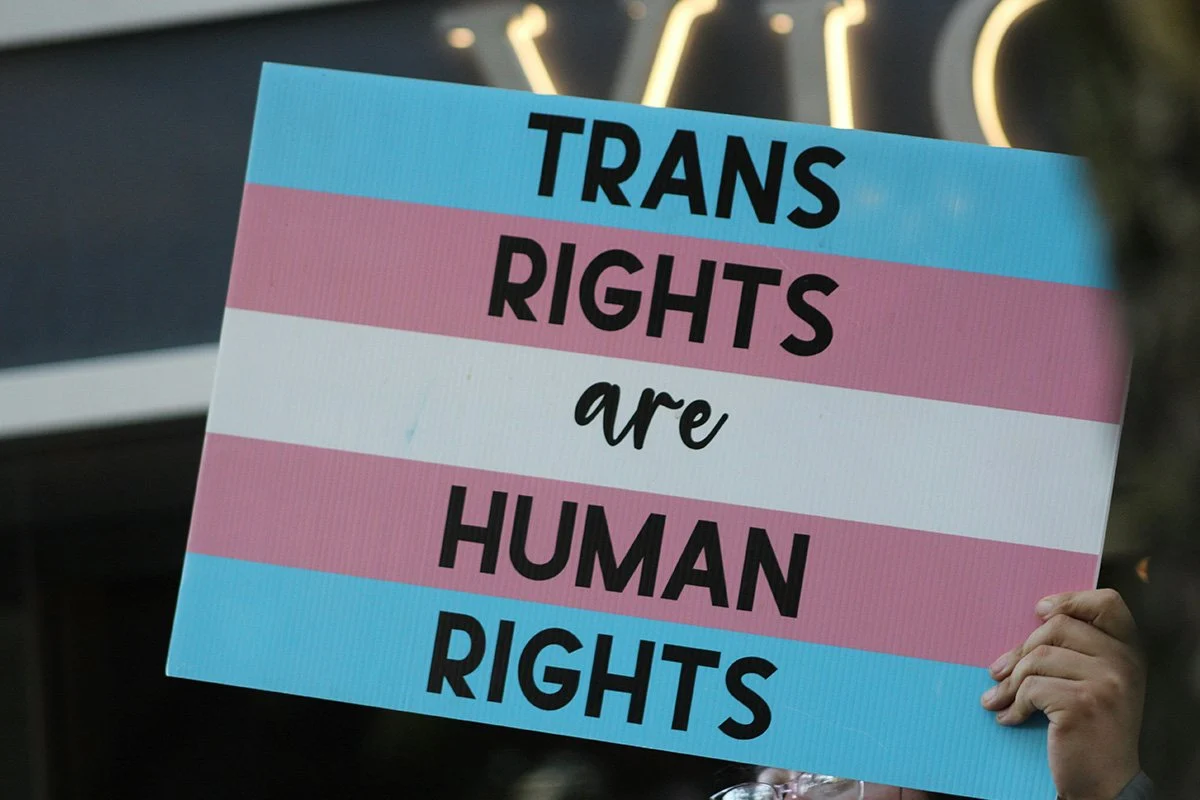
The landscape of American philanthropy is undergoing a significant shift as funding for transgender-led organizations continues to dwindle, despite a marked increase in legislative and political challenges facing the community. Recent data indicates that for every $100 distributed by U.S. foundations in 2024, only three cents were allocated to organizations serving transgender and gender-nonconforming populations. This figure represents a decline from the 3.5 cents recorded in 2023, signaling what advocates describe as a philanthropic exodus at a critical juncture for civil rights. While trans-led organizations have historically operated on the margins of mainstream charitable giving, the current retraction comes as these groups face an unprecedented surge in anti-transgender legislation and multi-million-dollar opposition campaigns.
The funding crisis is compounded by a political climate where transgender rights have become a central flashpoint in national discourse. During the 2024 and 2026 election cycles, opposition groups reportedly spent upwards of $215 million on television advertisements and media campaigns targeting transgender rights. This massive influx of capital from the opposition stands in stark contrast to the "scraps" received by trans-led nonprofits, which are tasked with providing essential services such as housing, food security, and legal defense for their communities. As major donors and institutional foundations reconsider their portfolios, the gap between the needs of the community and the resources available to meet them continues to widen.
Historical Context and the Evolution of LGBTQ+ Funding
The current state of transgender philanthropy must be viewed through the lens of the broader LGBTQ+ rights movement over the past two decades. Following the 2015 Supreme Court decision in Obergefell v. Hodges, which legalized same-sex marriage nationwide, there was a notable shift in philanthropic priorities. During the height of the marriage equality movement, funders and private donors invested more than $150 million to secure equal protections. However, once the objective of marriage equality was achieved, many large-scale donors pivoted away from LGBTQ+ issues, assuming the primary battle for civil rights had been won.
This pivot left transgender-specific issues under-resourced. While "LGB" organizations often saw growth in corporate partnerships and mainstream acceptance, trans-led organizations—particularly those led by Black, Indigenous, and People of Color (BIPOC)—continued to struggle for foundational support. Historically, philanthropy has favored large, national advocacy groups over grassroots, community-led initiatives. This structural bias has meant that the organizations closest to the most vulnerable members of the transgender community are often the least likely to receive sustainable, multi-year funding.
The timeline of the past five years shows an acceleration of this trend. In 2021, a record number of anti-transgender bills were introduced in state legislatures, focusing primarily on healthcare access for minors and participation in sports. By 2023 and 2024, the scope of these bills expanded to include adult healthcare, bathroom access, and legal recognition of gender identity. As the legal threats scaled up, philanthropic support failed to follow suit, leading to the current 2026 "exodus" where boards of major foundations are reportedly advising a retreat from what they perceive as "controversial" social issues.
Analyzing the 2024-2026 Funding Data
The statistics provided by Funders for LGBTQ Issues highlight a troubling trajectory for trans-led non-profits. The drop from 3.5 cents to 3 cents per $100 of foundation giving may seem incremental, but in the context of billions of dollars in total annual philanthropic giving, it represents millions of dollars in lost operational capacity.
This decline is occurring while overall philanthropic giving in the United States has remained relatively stable or increased in other sectors. The disparity suggests that the withdrawal is a conscious choice by institutional leadership rather than a symptom of broader economic contraction. Reports from within the sector indicate that many foundations are moving toward "neutrality" or "risk mitigation," fearing that supporting transgender rights could lead to public relations backlash or political retribution in an increasingly polarized environment.
Furthermore, the concentration of wealth in the opposition’s favor is stark. The $215 million spent by Republican-aligned groups on anti-trans advertisements during recent election cycles represents more than ten times the total annual philanthropic investment in trans-specific causes. This "funding vacuum" has allowed the opposition to dominate the narrative, utilizing media saturation to influence public perception despite data suggesting that their positions do not represent the majority view.
The Impact of "Social Proof" and Public Opinion
Research into public sentiment reveals a disconnect between media narratives and actual voter beliefs. According to data from Voss Research and other strategic analysts, only approximately 35 percent of the American public believes that anti-transgender policies should be a legislative priority. Despite this, the overwhelming volume of anti-trans advertising creates a phenomenon known as "social proof."
Social proof is a psychological and social phenomenon where people copy the actions of others in an attempt to undertake behavior in a given situation. In the context of philanthropy and politics, when donors and the general public are bombarded with messages suggesting that trans rights are unpopular or "extreme," they often default to what they believe is the majority opinion, even if that opinion is manufactured by high-spend advertising. This creates a feedback loop: foundations withdraw funding because they fear the movement is unpopular, and the movement becomes less visible and more vulnerable because it lacks the funding to counter the opposition’s narrative.
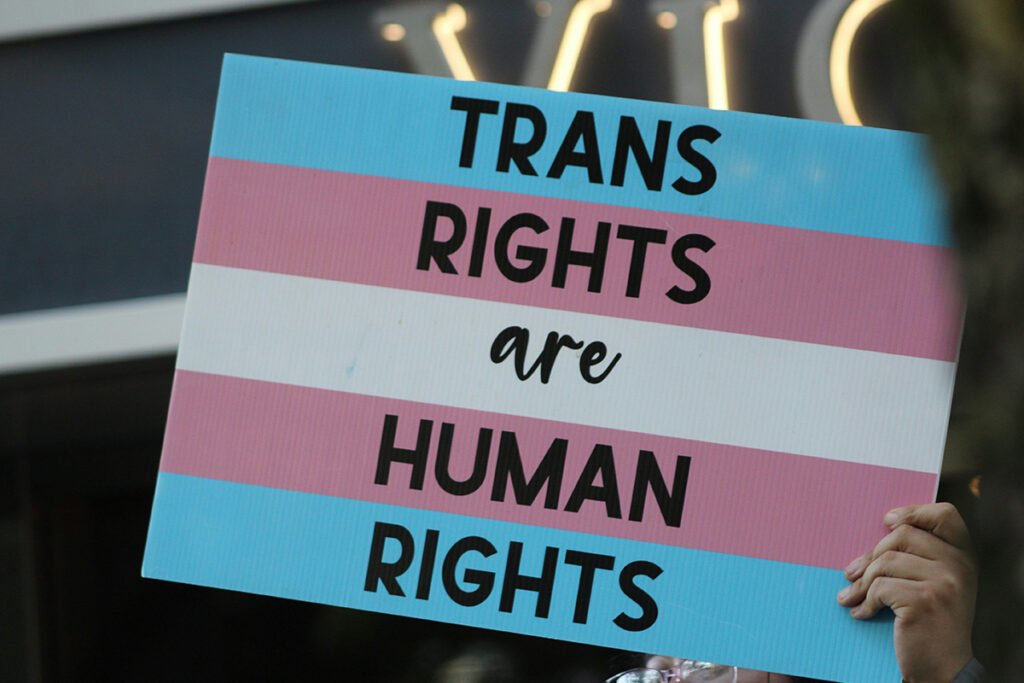
Advocates argue that building "pro-trans social proof" is essential for survival. This involves not only financial investment but also visible, unapologetic support from allies across various sectors. The goal is to demonstrate that supporting transgender rights is not only a moral imperative but also aligns with the majority opinion of a democratic society that values individual dignity and bodily autonomy.
Current Challenges: The 2026 Ballot Initiatives
As of late 2026, the battle for transgender rights has moved beyond state legislatures and into the hands of voters via ballot measures. Five states—Arizona, Colorado, Missouri, Nebraska, and Washington—are currently facing anti-transgender ballot initiatives. These measures serve as a "litmus test" for opposition groups to determine the effectiveness of their strategy of division and disinformation.
The organizations pushing these measures are often the same entities advocating for the repeal of progressive tax structures, such as taxes on millionaires in Washington State. This intersectionality suggests that the targeting of transgender people is part of a broader strategy to protect concentrated wealth and roll back social safety nets.
On-the-ground campaigns in these five states are currently operating with budgets that are described as a "drop in the bucket" compared to the millions of dollars flooding the airwaves with anti-trans propaganda. Without an immediate infusion of capital from philanthropy, organizers warn that these ballot measures could set legal precedents that will be difficult to overturn and will embolden similar efforts in other states.
Institutional Responses and the Role of Leadership
The response from the philanthropic sector has been mixed. While some niche funders and social justice-oriented foundations have doubled down on their commitment to trans justice, many mainstream institutions have remained silent. Internal reports suggest that some non-profit boards are actively advising their executive directors to "de-emphasize" trans-specific programming in favor of more "universal" or "less divisive" LGBTQ+ issues.
Critics of this approach argue that "sacrificing" the most marginalized members of the community is a failing strategy. History shows that when the rights of one group are successfully curtailed, the opposition often moves to target other marginalized communities. The current attacks on transgender healthcare, for example, are frequently linked to broader efforts to restrict reproductive rights and bodily autonomy for all citizens.
To counter this, movement leaders are calling for a "multi-issue" approach to organizing. This involves integrating transgender leadership into other social justice sectors, including racial justice, labor rights, and disability advocacy. By building power across movement ecosystems, advocates hope to create a more resilient front against the well-funded efforts to roll back civil liberties.
Broader Implications and the Future of Democracy
The under-resourcing of the transgender movement has implications that extend far beyond the LGBTQ+ community. Political analysts suggest that the treatment of transgender people serves as a "canary in the coal mine" for the health of a democracy. When a society allows a small minority to be politically scapegoated and economically starved of resources, it signals a weakening of the democratic principles of equality and protection for all.
The "vicious cycle" of underfunding leads to real-life consequences: increased rates of homelessness, mental health crises, and violence against transgender individuals, particularly trans women of color. When philanthropy withdraws, the burden of care falls entirely on the community itself, which is already stretched thin by systemic barriers to employment and healthcare.
The path forward, according to advocates and researchers, requires a fundamental shift in how philanthropy views "risk." Instead of viewing support for transgender communities as a political liability, foundations are being urged to see it as an investment in a more inclusive and robust democracy. The success of trans-led organizations in building community power, running grassroots campaigns, and maintaining spaces for joy and resilience—despite receiving only three cents of every $100—demonstrates a high level of organizational efficiency and dedication.
The central question facing the philanthropic community in 2026 is whether it will continue to retreat in the face of manufactured controversy or whether it will provide the resources necessary for a "fighting chance." As the five state ballot measures loom and the 2028 election cycle begins to take shape, the decisions made by foundation boards today will likely determine the legal and social landscape for transgender Americans for decades to come. Resourcing these communities is increasingly framed not just as an act of charity, but as a necessary defense of the democratic values of liberty and justice for all.