Layla Zulfa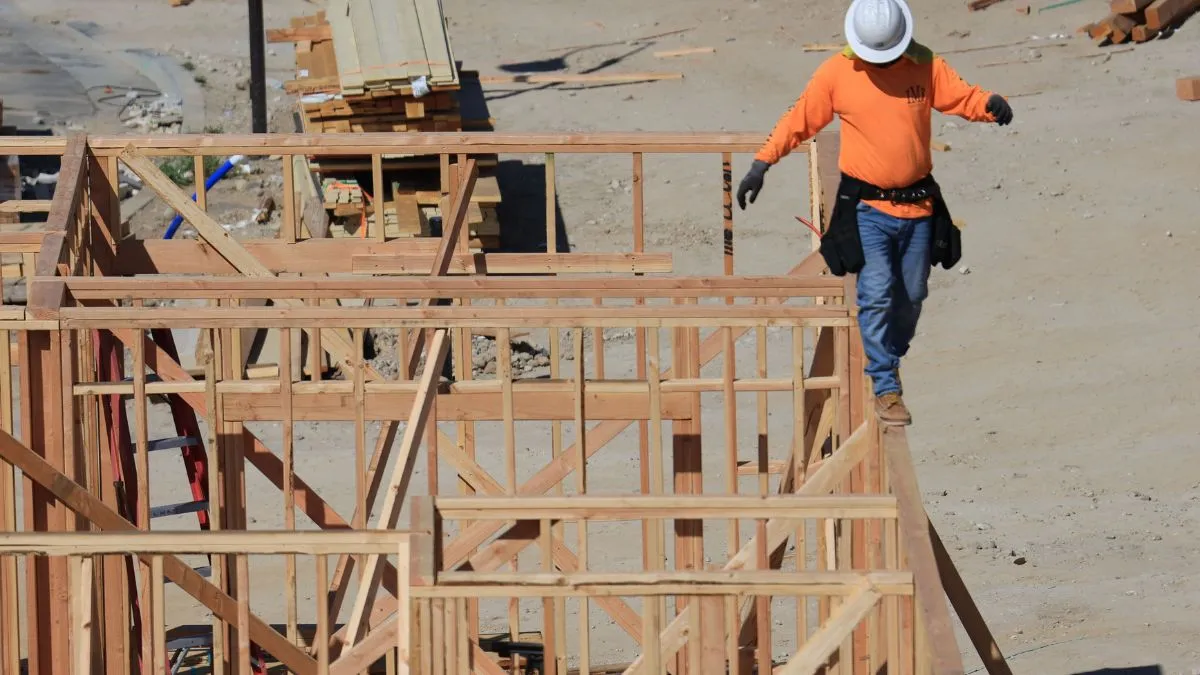
Residential construction has been grappling with a critical shortage of skilled frontline workers for nearly two decades, a problem that significantly worsened following the Great Financial Crisis of 2008 and has never fully recovered. The U.S. Department of Labor consistently reports deficits in skilled trades, with projections indicating a need to fill hundreds of thousands of positions annually. According to the Home Builders Institute (HBI), the industry requires the recruitment of approximately 723,000 workers each year to meet current demand and effectively close the persistent labor gap. This deficit directly impacts the pace of new home construction and the ability to address the nation’s housing affordability crisis.
Immigrant workers have historically played a crucial role in bolstering the construction workforce. Official statistics indicate that one in four residential construction workers on job sites across the nation are foreign-born. However, this figure is widely considered an underestimate by industry insiders, who suggest the actual proportion is considerably higher. This deep reliance on immigrant labor has faced renewed pressure this past summer due to a notable surge in immigration enforcement operations, including targeted job-site raids. These actions have instilled fear among workers, including those legally authorized to work in the U.S., and, according to numerous homebuilders, have further strained an already limited construction labor pool.
The impact of these intensified enforcement measures varies across different markets. In some regions, homebuilders report significant disruptions to their operations. In others, the situation has escalated to an existential threat, jeopardizing their ability to continue as viable businesses, complete ongoing projects, and meet their financial obligations, including the repayment of construction loans. The job-site raids and heightened enforcement tactics not only disrupt existing crews but also foster an environment of anxiety that can deter even legally authorized workers from reporting to their jobs. This adds another layer of uncertainty to an industry already struggling to find sufficient skilled labor capacity to build the nation’s housing supply.
Industry Leaders Take Concerns to Capitol Hill
These pressing concerns were at the forefront of discussions when over 1,100 homebuilders, remodelers, and other industry stakeholders convened on Capitol Hill on June 10 for the 2026 National Association of Home Builders (NAHB) legislative conference. Alongside efforts to advance the 21st Century ROAD to Housing Act, a legislative initiative aimed at boosting housing supply and reducing regulatory red tape, industry leaders forcefully advocated for comprehensive immigration reform and increased investment in workforce development programs.
This advocacy initiative took place just five days after the U.S. Senate passed a significant immigration enforcement bill, a nearly $70 billion package that contributed to record levels of Immigration and Customs Enforcement (ICE) arrests during the summer months. In response to this escalation, homebuilding leaders have issued a strong call for bipartisan immigration reform. They emphasize the need for measures that not only strengthen border security but also establish a clear and legal pathway for undocumented workers to remain and contribute to the U.S. economy. Furthermore, they urged the administration to ensure that enforcement tactics do not inadvertently sweep up or harm workers who are legally authorized to be in the country.
However, industry leaders are increasingly acknowledging that immigration reform, while crucial, will not single-handedly resolve the construction industry’s deep-seated labor shortage. They are simultaneously intensifying efforts to attract more domestic workers into the skilled trades. This involves expanding training programs, bolstering apprenticeship opportunities, and providing financial support for trade education. These initiatives are designed to cultivate a larger and more sustainable homebuilding workforce over the long term. The 21st Century ROAD to Housing Act was signed into law one month after the NAHB’s advocacy day, benefiting from overwhelming bipartisan support in both chambers of Congress.
Bipartisan immigration reform, however, represents a considerably more challenging legislative hurdle. Similarly, initiatives aimed at attracting, training, and retaining more domestic workers are projected to take a decade or more to effectively offset the growing labor deficits. The complexity of achieving progress on both these fronts underscores the formidable challenge the homebuilding industry faces in closing its labor gap in the immediate future.
"Americans Are Ticked Off That This Is Not Resolved"
In 2024, a notable bipartisan effort to address immigration policy saw Senators James Lankford (R-OK), Chris Murphy (D-CT), and former Senator Kyrsten Sinema (I-AZ) engage in negotiations for the Emergency National Security Supplemental Appropriations Act. This $118 billion national security package included substantial immigration and border provisions. Despite garnering bipartisan support, the bill ultimately failed to pass the Senate.
Following the bill’s failure, Senator Lankford expressed his profound frustration on the Senate floor, stating, "I’m determined to sit down with anyone who wants to solve the problem, regardless of what side of the aisle that they’re on, to figure out how we solve these things. Because Americans are ticked off that this is not resolved, and they expect us to get things done. So why don’t we do that?" This episode, representing one of the most recent attempts to forge a bipartisan immigration consensus, vividly illustrates the elusive nature of meaningful immigration reform.
The last significant bipartisan immigration reform bill enacted into law was the Illegal Immigration Reform and Immigrant Responsibility Act of 1996, signed by President Bill Clinton. This legislation significantly amplified immigration enforcement measures but did not offer legal status for undocumented workers. A decade prior, the Immigration Reform and Control Act of 1986 (IRCA), passed during the Reagan administration, represented a more comprehensive bipartisan approach. IRCA provided a pathway to legal status for millions of undocumented immigrants while simultaneously enhancing immigration enforcement.

Currently, many homebuilding industry leaders are endorsing a similar strategy. They advocate for a framework that bolsters border security while simultaneously creating legal avenues for many undocumented workers to remain in the country, potentially through guest-worker visa programs. Industry stakeholders, most prominently the NAHB, have publicly expressed their support for the Dignity Act. This bipartisan bill, sponsored by Representatives Maria Elvira Salazar (R-FL) and Veronica Escobar (D-TX), has garnered backing from a coalition of lawmakers across the political spectrum, including the bipartisan Problem Solvers Caucus. Notably, the Trump administration had previously declined to support this legislation.
"We Need Some Way to Bring Them Out of the Shadows"
The Dignity Act proposes to establish a mechanism allowing undocumented workers who arrived in the United States before December 31, 2020, to legally reside and continue working in the country, without granting them a direct pathway to citizenship. Under the proposed legislation, undocumented workers granted legal status would be required to demonstrate a clean record, pass criminal background checks, pay back taxes and current income taxes, and contribute an annual restitution fee of $1,000 to a fund dedicated to training American workers.
In an interview with HousingWire, NAHB President and CEO Jim Tobin asserted that The Dignity Act represents the most viable bipartisan compromise currently available. While acknowledging that no piece of legislation is perfect, Tobin argued that the bill effectively addresses both border security concerns and the critical workforce needs of industries like construction in a manner that can garner bipartisan consensus. The NAHB, while supporting efforts to deport criminals and secure the border, maintains that mass deportations of undocumented workers are neither logistically feasible nor practically sound.
"There’s a lot of ways to do it, but I think it’s about understanding the reality of the situation," Tobin stated. "We need these workers, and like I said, by and large, the vast majority are law-abiding people who just want a better life for themselves. Moving forward, we need some way to bring them out of the shadows, making sure they’re paying their taxes, paying into Social Security and paying into Medicare."
Tobin further noted that NAHB has received reports from some homebuilders indicating an intensification of immigration enforcement over the past several months. A primary concern is the potential for legal workers to be inadvertently caught up in these enforcement efforts. "It seems like it’s just kind of a broad-based drag," Tobin explained. "And that’s frustrating the builders because… people, even the people who are here legally, are reluctant to come to work because they feel like they’re going to be detained."
During the Trump administration, a temporary pause on ICE raids was granted in June 2025 for specific industries such as agriculture and hospitality, but construction was notably omitted from these exemptions. The administration quickly rescinded these carve-outs within days and has given no indication of easing immigration enforcement. In fact, some industry advocates who traveled to Washington, D.C., for the NAHB’s legislative conference in June reported that administration officials reaffirmed their commitment to the current enforcement strategy.
Tobin believes that a significant shift in immigration enforcement tactics will necessitate a change in political dynamics and the public narrative surrounding immigration. He observes that the debate is frequently "reset" by the news cycle, with high-profile crimes involving undocumented immigrants pushing the conversation toward stricter enforcement, while reports of heavy-handed ICE enforcement momentarily shift the debate in the opposite direction. He posits that the upcoming midterm elections, and any potential changes in the control of the House or Senate, could incentivize the president to pursue a bipartisan immigration deal.
"I firmly believe that President Trump… could be the linchpin to come back towards the center," Tobin remarked, highlighting the Trump administration’s success in securing the southern border. "We’ve got good enforcement mechanisms, but now let’s find a way to craft the laws of this country to provide a legal mechanism for people to come into the country and provide pathways to legalization, normalization or whatever we want to call it."
"It Is Vital That We Have Legal Immigration in This Country"
Tobin argued that any effective solution to the immigration system must encompass both a pathway for undocumented workers and a modernized legal immigration system that permits employers to legally recruit the immigrant workers they require. To this end, NAHB supports expanding guest worker programs to bolster the construction workforce. Some builders and contractors have already turned to the H-2B visa program, which allows employers with temporary, seasonal labor needs to hire foreign workers.
However, this program is capped at 66,000 visas annually, divided between two halves of the fiscal year. NAHB contends that this cap is excessively restrictive and is urging Congress and the Department of Homeland Security to increase the number of available visas. NAHB also advocates for the reinstatement of a previous exemption that allowed returning H-2B workers to be excluded from the annual cap. This exemption expired in 2016, making it more challenging for employers who have historically relied on H-2B workers to secure adequate labor.
"It is vital that we have legal immigration in this country to support the industries where the domestic workforce is not flowing," Tobin emphasized. Rusty Payton, CEO of the Florida Home Builders Association, echoed this sentiment, stating, "Employers who are working to follow the law need a clear, reliable and workable system that allows eligible individuals to obtain and maintain authorization to work without unnecessary uncertainty or disruption." He urged Congress to create legal pathways for industries like construction.
The industry’s immigration advocacy also extends to the state level. Ken Burgess, a lobbyist representing the Idaho Home Builders Association and the Building Contractors Association of Southwestern Idaho, noted that Idaho’s homebuilding industry has "mainly been playing defense" regarding immigration legislation. The Idaho state legislature introduced nearly a dozen immigration-related bills in the previous year alone, including one mandating E-Verify compliance for all Idaho employers and another requiring school districts to report students’ immigration status. Many states, including Idaho, also direct law enforcement agencies to cooperate with ICE on immigration enforcement, which some builders believe has contributed to an increase in construction-site raids.

Idaho’s homebuilding industry has joined forces with other affected sectors, such as dairy and agriculture, to challenge certain state-level immigration measures. This coalition has worked to persuade the state legislature that immigration is fundamentally a federal issue that requires resolution at the federal level. "When we formed this coalition with the ag guys and the dairy guys, they were thrilled to have someone outside of the ag industry be a part of that discussion," Burgess remarked. "It added another layer of credibility to what they were trying to head off, and I think many legislators don’t fully appreciate [our concerns] until we sit and talk to them."
"We Want to Put Trades Training on Par with a College Degree"
While immigration reform remains a paramount priority, Tobin and other homebuilding leaders stress that addressing the construction industry’s labor shortage necessitates a sustained, decade-long effort to recruit more domestic workers. They maintain that any comprehensive solution must adopt a dual-track approach, integrating immigration reform with expanded initiatives to draw more Americans into the skilled trades. The homebuilding industry has been engaged in recruitment efforts for domestic workers for years and would welcome federal government assistance. However, any such endeavors will require significant time to yield substantial results, underscoring the more immediate need for immigration reform.
In a statement provided to HousingWire, White House spokesperson Lauren Bis defended the Trump administration’s immigration enforcement policies and tactics, asserting that they are designed, in part, to create more job opportunities for American citizens. "There is no shortage of American minds and hands to grow our labor force, and President Trump’s agenda to create jobs for American workers represents this Administration’s commitment to capitalizing on that untapped potential while delivering on our mandate to enforce our immigration laws," Bis stated.
Last year, President Trump signed an executive order aimed at enhancing workforce training for domestic workers in sectors such as construction. The administration’s strategy for expanding the domestic construction workforce centers on increasing registered apprenticeships and other training opportunities for American workers, with the goal of supporting over one million apprenticeships annually in skilled trades. NAHB supports increased funding for skilled trades apprenticeships and initiatives to recruit more domestic labor into construction. The organization has endorsed the CONSTRUCTS Act, for example, which would direct the U.S. Department of Labor to establish a competitive grant program for residential construction training, allocating $20 million in annual funding through 2030.
Tobin argued that expanding financial support for trades education, apprenticeships, and pre-apprenticeship programs would represent a significant victory. He identified three primary barriers that deter young people from pursuing careers in the skilled trades. The first is financial; some students cannot afford trade school, making expanded funding crucial. The second is logistical; some students live too far from trade schools or lack transportation, highlighting the need for transportation assistance or free bus vouchers to enhance training accessibility. The third barrier is psychological; parents and guidance counselors often steer students toward four-year college degrees, viewing the trades as a secondary or fallback option.
"We need to get to parents earlier in a kid’s or a child’s schooling, starting in middle school, then into high school, and then into trade schools," Tobin advised. He further advocated for trades education to be recognized as a legitimate and valued career path, on par with white-collar professions. "We want to put trades training on par with a college degree, because our economy needs everybody," Tobin stated. "Let’s talk about the trades as a viable career path, not just a job."
"It’s Going to Take Us Decades But We Need to Start Now"
Ed Brady, President and CEO of the Home Builders Institute, a nonprofit organization dedicated to providing free training and job placement services for residential construction, concurred that funding represents a significant impediment to recruiting more young people into the trades. "I’ve seen a lot more interest, but at the school level, it takes funding," Brady observed. "At the federal and state level, we need to rebalance and take some money that has been going to higher education and put it into trades training and career technical education, whether it be nursing, auto, technology, or construction trades. We need to rebalance those resources so they’re appropriately spread out."
According to Brady, a growing concern regarding the potential for artificial intelligence (AI) to displace numerous entry-level white-collar jobs serves as a potent recruitment tool for the trades. Many trades positions are considered "AI-proof," with an estimated 300,000 current openings that are unlikely to be automated away. "There is the old school that says our domestic population doesn’t want to get into this industry, and that they won’t do these jobs," Brady stated. "I think that shifted. I think we have to embrace what our young people are looking for. The longer it takes us to buy into that, the longer it’s going to take for us to build that next generation of skilled trades."
Other organizations, such as the Building Talent Foundation, are also actively working to recruit more domestic workers into residential construction and address the industry’s labor shortage. However, both Brady and Tobin acknowledge that altering perceptions of the trades and cultivating a larger domestic workforce will be a protracted process, potentially spanning years or even decades. "It’s taken us decades to unwind the value of the trades. It’s going to take us decades to get back there, but we need to start now," Tobin reiterated.
In the interim, Tobin argued, the industry requires a multifaceted approach that combines domestic recruitment with comprehensive immigration reform. "We’ve got to start having the conversation about what we need for this economy to function at its highest level, and that’s a combination of skill-based trades training, but also recognizing we’re going to need immigrant labor in many of our important sectors," Tobin concluded.