Julia Chirkova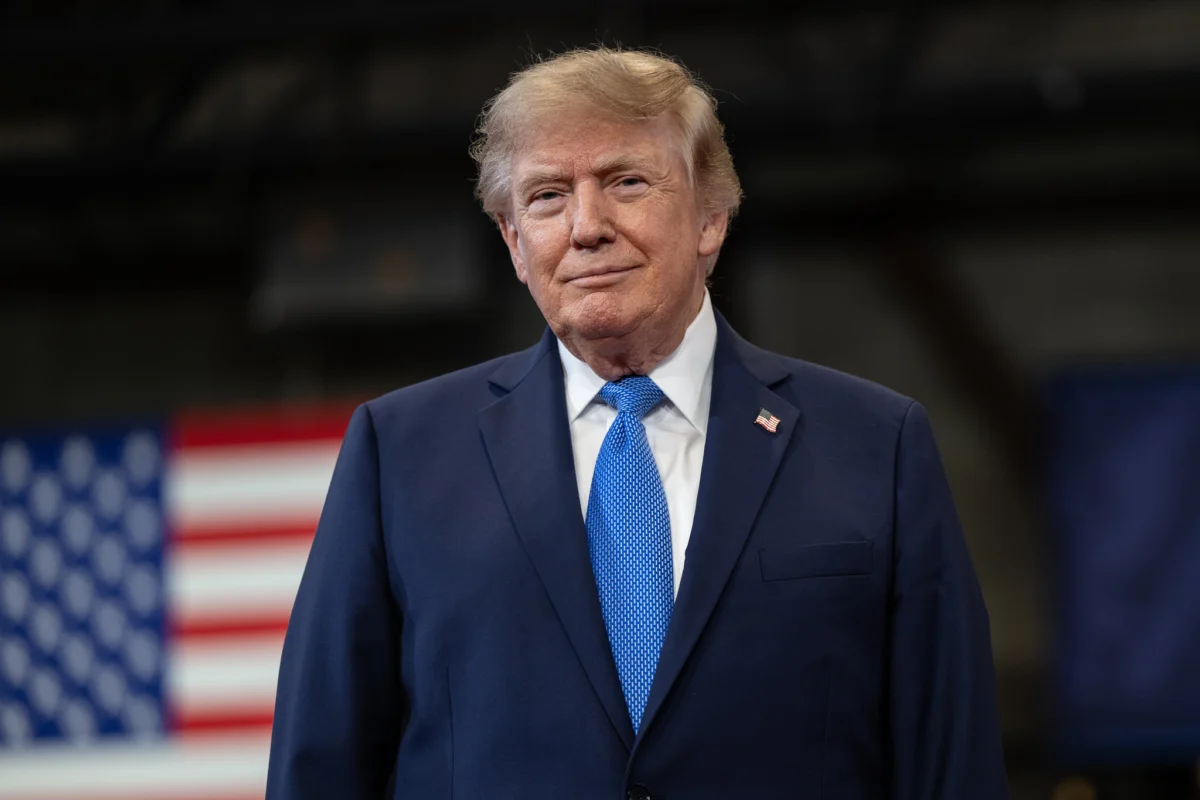
For years, the siren song of tax incentives has echoed through the halls of Hollywood, a desperate plea to stem the tide of productions migrating overseas. This week, that long-held hope received a significant jolt of momentum as President Donald Trump publicly endorsed the effort to establish a federal film and television tax credit, signaling a potential turning point in the industry’s ongoing struggle to retain its creative workforce and economic vitality.
The endorsement, delivered via a post on his Truth Social platform, arrives after more than a year of behind-the-scenes coalition-building. California lawmakers, influential industry lobbyists, and powerful Hollywood unions have been diligently working to forge a bipartisan consensus for such a measure. While the precise details and legislative pathways remain under negotiation, the President’s public support injects a powerful new dynamic into the conversation, elevating the issue to a national political priority.
Industry experts and advocates believe that a federal incentive could be a crucial tool in luring productions back to the Golden State. While it’s unlikely to immediately reverse the current "production crisis" – a term used to describe the significant decline in filming days within Southern California – the addition of a federal credit could dramatically enhance California’s competitive standing. Many states across the U.S. have already cultivated robust film hubs, complete with experienced crews and generous tax breaks, creating a challenging landscape for the traditional heart of the American entertainment industry.
A Bipartisan Push Gains Traction
"I will put our crews and our talent against any talent anywhere in the world," stated Rep. Laura Friedman, D-Glendale, a former producer who has been a vocal champion of a national film tax credit. "If we have a level playing field upon which to shoot, where we are not much more expensive than other locations, productions will come back to Los Angeles." Friedman’s assertion underscores the core argument for a federal incentive: to level the playing field and allow American talent and infrastructure to compete on equal footing with international locations that offer substantial financial advantages.
President Trump’s public statement followed a meeting with actor Jon Voight, a prominent figure within Hollywood who has been designated as one of the President’s ambassadors to the entertainment industry. Voight has been instrumental in lobbying efforts aimed at securing a federal tax credit. Despite a historically complex and often contentious relationship between Trump and many Hollywood heavyweights, particularly in light of their political divergences, this initiative finds common ground in Trump’s broader agenda of "re-shoring" jobs and bolstering domestic industries. The push for a federal film tax credit aligns perfectly with this economic philosophy, creating a rare moment of bipartisan alignment.
Speaking to reporters, President Trump indicated that he had actively engaged in efforts over the past week to advance the cause of federal tax incentives for the film and television sector. He revealed conversations with key industry players, including representatives from streaming giant Netflix and Ari Emanuel, the chief executive of TKO Group Holdings Inc., among "many others." Trump expressed optimism about a bipartisan legislative push to revitalize Hollywood productions through "big subsidies and big credits."
"We don’t give anything and we should," Trump remarked, emphasizing the perceived disadvantage of the U.S. not currently offering comparable incentives to other nations. He explicitly stated his desire for legislation that would "match" the inducements offered by other countries, highlighting a clear objective to make domestic production more financially attractive.
Navigating the Legislative Landscape
The immediate challenge now shifts to lawmakers to translate this presidential endorsement into concrete legislative action. The bill is expected to have a Republican sponsor hailing from a state with a significant film and television production presence. While Representative Friedman declined to name the individual, citing ongoing internal Republican deliberations, the indication suggests a concerted effort to ensure broad party support.
The legislative journey is likely to involve the House Committee on Ways and Means, where the specifics of the tax credit will be hammered out. Current discussions suggest that the federal credit would be designed to be "stackable" with existing state-level incentives, mirroring the successful model employed in Canada. A potential framework being discussed involves a federal tax credit of 20% on all labor costs, encompassing the salaries of both actors and crew members.
This approach builds upon previous legislative proposals. Senator Adam Schiff, D-Calif., had previously introduced legislation advocating for a baseline labor-based tax credit ranging from 15% to 20%, with additional bonuses for independent productions. A spokesperson for Senator Schiff noted that last year, a significant 45% of all U.S. films and scripted television shows were filmed internationally, a marked increase from approximately 33% in 2022. This escalating trend underscores the urgency of the situation.
The convergence of support from figures like Senator Schiff and President Trump on this national tax credit initiative is a testament to the broad coalition that has been assembled, drawing together diverse political interests for a common economic goal.

Industry Unity and Operational Considerations
The proposal has garnered widespread backing from key industry organizations. The Motion Picture Association, a prominent studio lobbying group, has publicly endorsed the initiative. Similarly, major labor unions, including the Screen Actors Guild–American Federation of Television and Radio Artists (SAG-AFTRA), the Directors Guild of America (DGA), and the International Alliance of Theatrical Stage Employees (IATSE), have signaled their strong support.
"I am in strong agreement with the President," Senator Schiff stated in a recent post on X. "Congress should immediately take up and pass a federal film tax incentive to bring back these good-paying jobs that we’ve lost to other countries."
Production incentive experts emphasize that for any national film tax credit to be effective, it must feature a streamlined and efficient application process with minimal bureaucratic hurdles. One proposed model suggests integrating the national incentive as an overlay to existing state programs. This approach, according to Peter Marshall, managing principal of media insurance services at Epic, an insurance broker and consultant, would avoid the need for a separate federal agency to vet the same criteria, thereby preventing potential delays.
"Parameters will also need to be clear, and the program easy to access," advised Kathleen Thompson, vice president of tax incentives at payroll service Cast & Crew. She noted a palpable sense of optimism within the production community, with many clients and industry colleagues expressing excitement about the prospect of the legislation passing.
California’s Competitive Edge and Lingering Challenges
The addition of a federal tax credit, stacked on top of California’s recently enhanced production incentives, could provide the state with a significant advantage when producers evaluate potential filming locations. "California is still the leader in production," asserted Joe Chianese, senior vice president at Entertainment Partners, a firm that tracks global production incentives. "Producers would like to stay home if they can, but it boils down to the math."
Despite improvements to California’s film and television tax credit program, certain limitations persist. The state’s program operates with an annual funding cap of $750 million and features designated application windows. While it does allow for the inclusion of actors’ salaries – a substantial component of film budgets – in the tax break calculations, other factors continue to influence production decisions.
Beyond the incentive structures, the general cost of conducting business in California remains higher than in many other U.S. locations. Furthermore, some filmmakers have voiced concerns about the perceived bureaucratic complexities and "red tape" that can make shooting in Los Angeles more challenging.
"Can we be more competitive with a federal incentive? Absolutely," Thompson stated. "Can it completely turn the tide? I don’t know, but I hope so for our industry and our state."
The Urgency of Action
Industry stakeholders are expressing a desire for swift legislative progress. They recognize that even after a tax credit is passed, it will likely take over a year for producers to reconfigure their long-term production plans and begin shifting filming back to the U.S., given the extended timelines inherent in film and television production.
"There is a ticking clock," warned Marshall of Epic. "If something isn’t done by the end of the year or in sight, there will be a further solidification of offshoring." This sentiment underscores the competitive pressure the industry faces and the need for decisive action to prevent further erosion of domestic production.
The economic impact of runaway production is felt beyond the major studios and unions. Peter Max-Muller, owner of The Ruby, a contemporary clothing rental business in North Hollywood, has experienced firsthand the decline in local shoots. His sales figures often correlate with production activity, and recent data from the nonprofit FilmLA indicates a 13% drop in shoot days in Los Angeles County during the second quarter of the year compared to the same period in 2023. Max-Muller views the proposed federal incentive as a critical measure to "get that runaway production back."
It is this urgency that fuels Representative Friedman’s commitment to expediting the passage of the tax credit legislation. "The film industry is deep in the identity of Los Angeles," she concluded. "And it’s worth saving." The collective effort to secure a federal film and television tax credit represents a critical juncture for Hollywood, a potential lifeline in its ongoing battle to preserve its legacy and secure its future.