Nila Kartika Wati
As the United States navigates its 250th year since the signing of the Declaration of Independence, the nation is increasingly compelled to evaluate the endurance and efficacy of its founding principles. While the anniversary serves as a milestone for celebrating democratic ideals, it also provides a critical vantage point from which to scrutinize whether contemporary legal and social systems align with the core promises of liberty, equality, and justice for all citizens. Among the most pressing areas of this scrutiny is the evolving landscape of drug policy, specifically the transition from the era of total prohibition to the burgeoning reality of marijuana legalization. This shift has raised a fundamental question for policymakers and civil rights advocates alike: for whom is prohibition actually ending, and are the systemic harms created by decades of punitive enforcement being repaired, or simply repackaged into new forms of inequality?
The disconnect between stated American ideals and the operational reality of the legal system is perhaps most starkly illustrated by the "War on Drugs." For over half a century, this policy framework has dictated the domestic approach to narcotics, with marijuana serving as a primary catalyst for police intervention. While the recent wave of legalization across various states has been hailed as a triumph of progressive reform, emerging data suggests that these changes often struggle to guarantee the non-repetition of historical inequities. Legislative bodies frequently respond to public pressure for reform with narrow, incremental adjustments that leave the broader architecture of criminalization largely intact. Consequently, while total marijuana arrests have seen a nationwide decline following legalization, the disproportionate burden of enforcement borne by Black communities persists—and, in several jurisdictions, has intensified—despite documented evidence that marijuana usage rates are comparable across racial lines.
The Virginia Case Study: A Microcosm of National Challenges
Virginia, home to the oldest legislative body in the United States, currently serves as a critical case study for the complexities of drug policy reform. The Commonwealth’s journey toward legalization reflects a broader national tension between the desire for market-based reform and the necessity of reparative justice. In 2021, Virginia took the historic step of legalizing the possession and cultivation of small amounts of marijuana for adults aged 21 and older. This legislative shift was largely propelled by grassroots organizers and advocacy groups who highlighted the staggering human cost of the state’s previous policies, which resulted in approximately 20,000 to 25,000 arrests annually for minor marijuana offenses.
Before the 2021 reforms, racial disparities in enforcement were endemic across the Commonwealth. In Arlington County, one of the most affluent regions in the country, Black individuals were arrested for marijuana-related offenses at 14 times the rate of White individuals. Following the implementation of the new laws, total cannabis-related arrests plummeted by over 90 percent. The reform package also established the Cannabis Equity Reinvestment Fund, intended to redirect tax revenue into the communities most impacted by the War on Drugs, and created a civil penalty of $25 for public consumption, a move designed to replace criminal charges with a manageable fine.
However, the transition has been far from seamless. In an unprecedented move, the state delayed the establishment of a regulated retail market, creating a legal gray area that advocates argue has allowed punitive structures to persist. The promise of structural repair was further complicated by executive interventions. In the spring of 2026, as lawmakers moved to finalize an adult-use retail market that prioritized equity reinvestment, Governor Abigail Spanberger introduced a substitute proposal. This executive alternative sought to expand criminal penalties, implement harsher sentencing structures, and significantly reduce the number of available licenses. Most notably, the substitute proposed defunding the Equity Reinvestment Fund, a move that critics argued would preserve the punitive framework of the War on Drugs rather than dismantle it.
The Legislative Stalemate and the Rise of "Poverty Penalties"
The tension between the General Assembly and the Executive branch reached a boiling point when Senator Lashrecse Aird and Delegate Paul Krizek urged their colleagues to reject the Governor’s substitute. The legislature ultimately sided with the advocates of reparative justice, leading to a gubernatorial veto of the retail proposal. While the Governor did sign certain reforms—such as a bill ensuring marijuana use no longer impacts parental custody and a reparative measure to reconsider sentences for over 1,000 individuals still incarcerated or on probation for now-legal conduct—the subsequent budget negotiations introduced new challenges.
In a last-minute compromise to keep the legislative process moving, lawmakers agreed to a significant hike in the civil fine for public marijuana consumption. The fine was increased from $25 to $250, representing a 900 percent escalation. Legal analysts and community advocates have termed such increases "poverty penalties." These fines act as a regressive tax on low-income populations. For individuals unable to pay, a $250 fine can quickly spiral into license suspensions, mounting interest, and potential jail time, which in turn leads to job loss and an inability to meet family obligations.
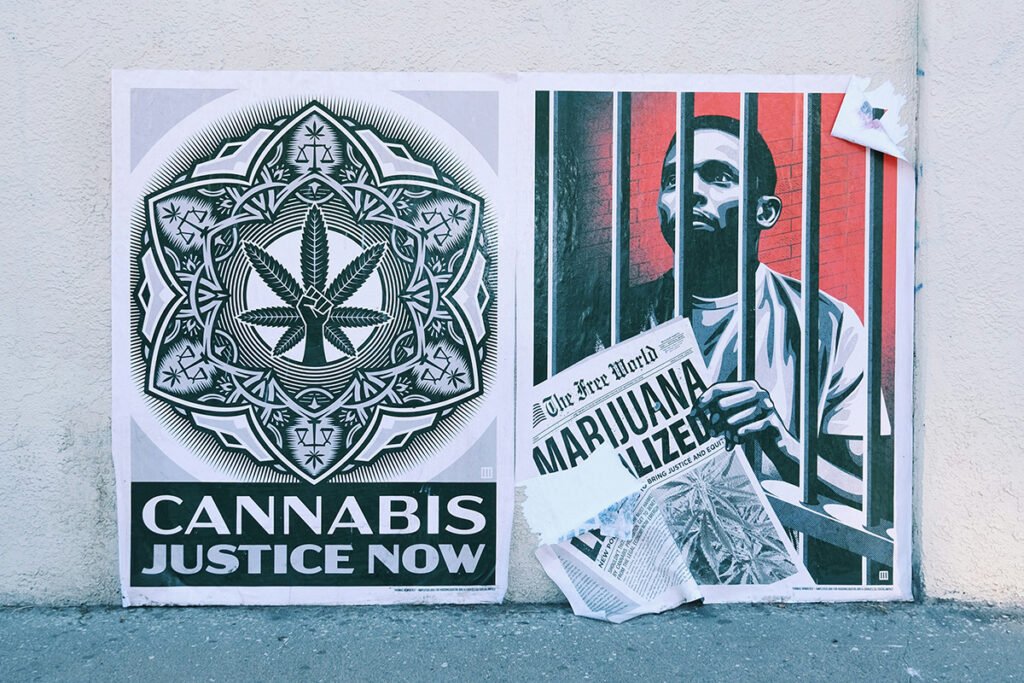
Recent data obtained through Freedom of Information Act (FOIA) requests underscores the racialized impact of these fines. While Black people represent approximately 19 percent of Virginia’s population, they account for 47.7 percent of all public consumption tickets issued since legalization. Statewide, there have been 375 such charges, with Black Virginians receiving nearly half. On a per capita basis, Black residents are 3.3 times more likely to be cited for public consumption than White residents. Despite a coalition of 19 organizations urging the state to strike the increase, the $250 fine remains part of the state’s regulatory framework, albeit with a one-year delay in implementation.
Chronology of Virginia’s Marijuana Reform (2021–2026)
To understand the current state of affairs, it is essential to trace the timeline of Virginia’s legislative actions:
- July 2021: Virginia officially legalizes the possession of up to one ounce of marijuana for adults 21 and older and allows for the cultivation of up to four plants per household. The law includes a "trigger" provision for a retail market but requires further legislative reenactment.
- 2022–2023: Legislative efforts to launch the retail market stall amid partisan disagreements over licensing structures and social equity provisions.
- Early 2026: The General Assembly passes a comprehensive retail market bill focused on reparative justice and the Cannabis Equity Reinvestment Fund.
- Spring 2026: Governor Spanberger offers a substitute bill that increases criminal penalties and removes equity funding. The General Assembly rejects the substitute.
- May 2026: The Governor vetoes the retail market proposal but signs bills related to parental rights and resentencing.
- June 2026: A budget compromise results in the public consumption fine increasing from $25 to $250, despite vocal opposition from civil rights groups.
- September 2026: FOIA data reveals that racial disparities in public consumption citations have persisted despite the legal status of the drug.
Guarantees of Non-Repetition: An International Framework for Domestic Repair
As the United States grapples with these internal contradictions, legal scholars suggest looking toward international law for frameworks that can guide more effective approaches to justice. A central concept in this regard is the principle of "guarantees of non-repetition." This principle involves leveraging laws and institutions specifically designed to prevent a particular harm from recurring. In the context of marijuana legalization, this would require more than just the cessation of arrests; it would necessitate a proactive dismantling of the systems that allowed for disparate enforcement in the first place.
Effective non-repetition strategies include:
- Automatic Expungement: Moving beyond petition-based systems to automatically clear the records of those previously convicted of marijuana offenses, thereby removing barriers to employment and housing.
- Clear Enforcement Limits: Establishing strict statutory limits on the ability of law enforcement to use the odor of marijuana or public consumption as a pretext for stops, searches, and arrests.
- Independent Oversight: Empowering civilian-led oversight bodies to track racial disparities in real-time and hold law enforcement agencies accountable when patterns of biased enforcement emerge.
- Structural Reinvestment: Ensuring that the economic benefits of the new legal industry are directed toward the individuals and neighborhoods that were historically targeted by prohibition.
Developing these policies requires a three-pronged approach of inquiry, implementation, and accountability. Inquiry involves examining the institutional sources of harm—police protocols, prosecutorial priorities, and administrative rules. Implementation demands durable structural reform rather than cosmetic adjustments to fines or offenses. Accountability depends on independent institutions that can monitor outcomes and enforce standards with meaningful representation from the most affected communities.
Broader Implications and the Path Forward
The situation in Virginia is indicative of a national trend where the "machinery of prohibition" continues to extract wealth and opportunity from marginalized communities, even after the underlying conduct has been legalized. The transition to a post-prohibition era is not merely a matter of commerce; it is a matter of civil rights. If legalization does not include intentional safeguards against the repetition of past harms, it risks becoming a system that benefits corporate interests while continuing to penalize the poor and people of color.
The War on Drugs weaponized the state against its own citizens through surveillance, criminalization, and exclusion from basic rights. Advocates argue that these historical debts cannot be settled through symbolic reforms or partial legalization. Instead, drug policies must be interrogated and dismantled wherever they continue to expose individuals to the loss of housing, benefits, employment, or freedom for conduct that is now legal in name.
As the United States marks its 250th year, the push for genuine transformation in drug policy remains a litmus test for the nation’s commitment to its founding ideals. The anniversary demands more than a reflection on the past; it requires a commitment to structural repair that prioritizes equity and accountability. For Virginia and the rest of the nation, the time to invest in guarantees of non-repetition is now, ensuring that the next 250 years are defined by a justice system that truly serves all members of the public equally.