Nila Kartika Wati
The federal landscape for environmental justice, painstakingly constructed over the last several years to address systemic inequities in energy distribution and pollution, has entered a period of profound volatility. Susan Hendershot, a prominent figure in the movement who previously served on the White House Environmental Justice Advisory Council (WHEJAC) and led Interfaith Power & Light, has spent decades advocating for a federal framework that prioritizes the needs of disadvantaged communities. However, as the political pendulum swings in Washington, the institutional mechanisms designed to safeguard these communities are being dismantled, leaving a vacuum that the private sector is now being pressured to fill.
In early 2025, the transition of power brought an immediate reversal of Biden-era climate priorities. The Trump administration dissolved the WHEJAC and moved to freeze the Greenhouse Gas Reduction Fund (GGRF), a $27 billion "green bank" initiative intended to catalyze private investment in low-income and marginalized areas. Simultaneously, the Justice40 Initiative—a landmark executive directive that aimed to steer 40 percent of the overall benefits of certain federal climate and clean energy investments to "overburdened" communities—was rescinded. These actions, coupled with the freezing of hundreds of environmental justice grants across the Department of Energy (DOE) and the Environmental Protection Agency (EPA), have signaled a retreat from the federal government’s role as a guarantor of environmental equity.
A Chronology of Federal Environmental Justice Policy
To understand the current crisis, it is necessary to examine the rapid escalation and subsequent retraction of federal environmental justice (EJ) mandates over the last five years.

In January 2021, Executive Order 14008, "Tackling the Climate Crisis at Home and Abroad," established the Justice40 Initiative and the WHEJAC. This was the first time in U.S. history that environmental justice was centralized within the White House. By 2022, the Inflation Reduction Act (IRA) provided the financial teeth for these policies, authorizing billions in grants for community-led cooling centers, solar arrays, and pollution monitoring.
The momentum continued through 2023 and 2024 as the EPA began distributing the $27 billion GGRF. However, the 2024 election cycle introduced significant uncertainty. By January 2025, the new administration began the process of "impounding" funds—a legal maneuver to prevent the expenditure of Congressionally authorized money. This prompted a swift legal challenge. In a pivotal turn earlier this month, a federal judge rejected the administration’s attempt to reclaim these funds, effectively unblocking approximately $20 billion in climate grants. While this judicial victory provides a temporary reprieve, it underscores the fragility of a justice movement that relies solely on the whims of the executive branch.
The Economic Imperative: The High Cost of Inaction
While federal policy remains in flux, the economic data regarding environmental harm continues to darken. Manufacturing and industrial production remain the primary drivers of U.S. greenhouse gas emissions. Unlike the transportation and electricity sectors, which have seen a gradual decline in emissions due to electrification and the retirement of coal plants, industrial emissions are projected to rise.
The long-term financial consequences of this trajectory are staggering. A comprehensive analysis by the University of Chicago estimated that the long-term social cost of corporate carbon emissions could exceed $87 trillion. This figure represents more than the total market value of the entire U.S. corporate sector. Furthermore, climate-related disasters cost the global economy an estimated $145 billion in 2024 alone. Projections from the Boston Consulting Group suggest that if global temperatures rise by 3°C by the end of the century, global economic output could shrink by as much as 15 to 34 percent.

These figures have forced a shift in corporate boardrooms. Decarbonization is increasingly viewed not as a philanthropic endeavor, but as a strategy for long-term price stability and risk mitigation. A 2025 study published in the Journal of Cleaner Production found that for every one percent increase in ESG-linked (Environmental, Social, and Governance) investment, there was a corresponding 0.15 percent rise in short-term private investment and a 0.26 percent rise in long-term investment. This suggests that capital is moving toward sustainability because the market perceives it as a more stable bet.
The Paradox of Private Sector Development
Despite the shift toward green investment, the private sector often replicates the very harms it seeks to mitigate. A primary example is the recent partnership between Microsoft and Constellation Energy. To power its energy-intensive AI data centers, Microsoft signed a 20-year, 835-megawatt power purchase agreement to restart Unit 1 of the Three Mile Island nuclear facility, now rebranded as the Crane Clean Energy Center.
While the deal provides carbon-free electricity on a massive scale, it has faced significant pushback from local residents. Amish and Mennonite communities in the surrounding area, who often lack digital communication tools, have raised concerns regarding emergency evacuation protocols, spent fuel storage, and the impact of water withdrawals from the Susquehanna River. This case highlights a recurring tension: a "fast" transition to clean energy often bypasses the "fair" transition promised by environmental justice advocates.
Shifting the Paradigm: From Extraction to Ownership
Denise Fairchild, a veteran urban planner and architect of the "energy democracy" movement, argues that the solution lies in a fundamental shift in ownership. Her work in the Bronx revealed how environmental injustice is built into the physical infrastructure of cities, where residents bear the brunt of pollution but have zero equity in the energy systems serving them.

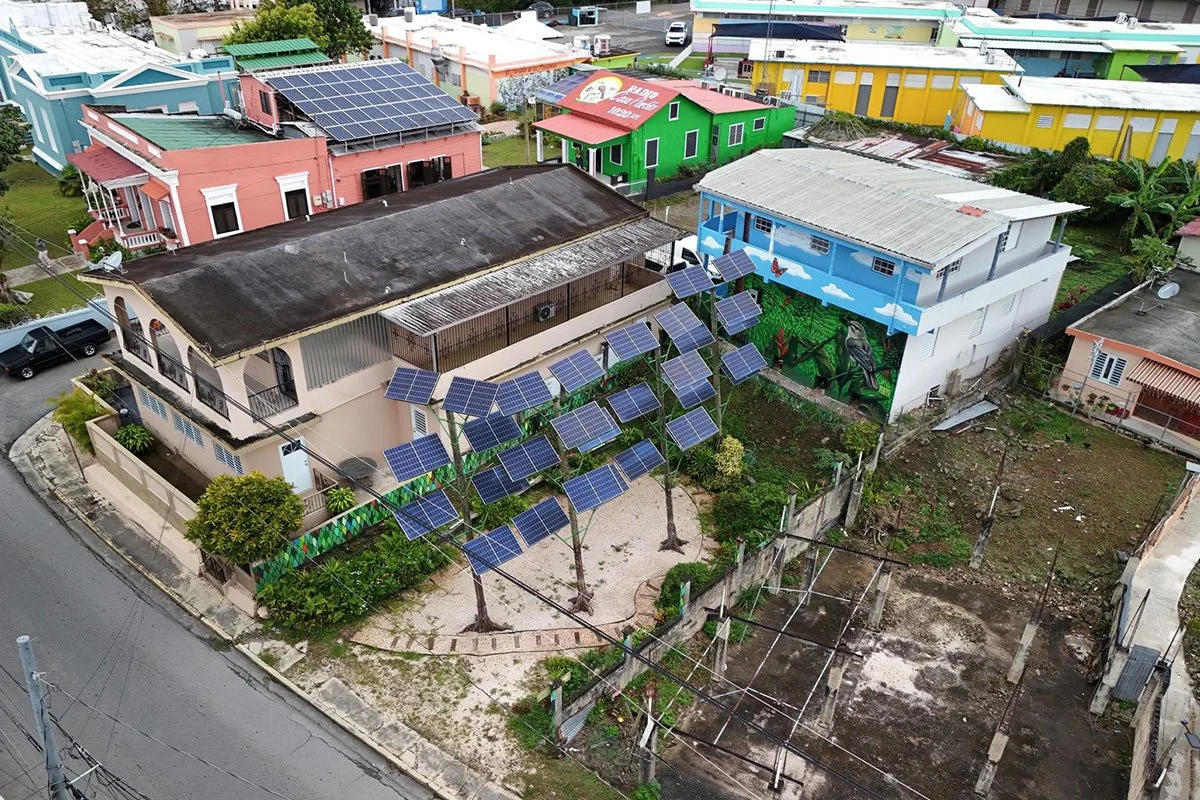
Energy democracy posits that communities should be more than just the sites of new infrastructure; they should be owners and decision-makers. This model seeks to move away from the "extractive" relationship between developers and communities—where a company builds a project, takes the profits, and leaves the local population with the environmental risks—toward a "regenerative" model.
For developers, this approach is increasingly seen as a pragmatic necessity. A survey conducted by the Lawrence Berkeley National Laboratory found that community opposition is one of the leading causes of project cancellations in the solar and wind sectors. Canceled projects often result in millions of dollars in sunk costs. By integrating community ownership or benefit models, developers can reduce political friction and expedite the permitting process.
Community Benefit Agreements as a Tool for Stability
The primary mechanism for formalizing this new relationship is the Community Benefit Agreement (CBA). A CBA is a legally binding contract between a developer and community groups that outlines the benefits the developer will provide in exchange for local support. These benefits often include job guarantees, revenue-sharing, and funding for local infrastructure.
One of the most notable examples is the 2015 agreement between Vineyard Wind and the community of Martha’s Vineyard. The developer committed $200,000 annually to subsidize electricity for low-income households and invested in local solar and battery storage. While the relationship has seen moments of public tension, the CBA provides the community with ongoing leverage to ensure the developer honors its commitments. Similarly, Nantucket has negotiated its own agreements to address the specific environmental and economic impacts of offshore wind development on its shores.

Implications for a Volatile Future
The current era of environmental justice is defined by a shift from federal reliance to local and private sector accountability. With the recent court ruling unblocking billions in federal climate grants, there is a narrow window for these funds to be deployed into community-led projects before another potential shift in federal policy.
The private sector now holds the balance of power. Companies like Microsoft and lenders like Self-Help, where Susan Hendershot now directs climate community engagement, have the capital to bypass federal gridlock. However, the success of the clean energy transition will likely depend on whether the private sector views environmental justice as a regulatory hurdle or as a foundational component of project stability.
If developers continue to prioritize speed over equity, they risk a resurgence of the "Not In My Backyard" (NIMBY) opposition that has historically stalled American infrastructure. Conversely, by adopting the principles of energy democracy and utilizing robust Community Benefit Agreements, the private sector can build a more resilient energy grid that enjoys broad public support.
The unblocking of the Greenhouse Gas Reduction Fund marks a critical juncture. As these billions of dollars flow into the economy, the focus will shift from the halls of Congress to local zoning boards and corporate boardrooms. The goal of foundational organizers like Hendershot and Fairchild remains the same: ensuring that the people who have historically paid the highest price for industrial progress are the ones who finally reap its rewards. The coming years will determine if the "green bank" and the private sector can deliver on that promise in the absence of a consistent federal mandate.