Nila Kartika Wati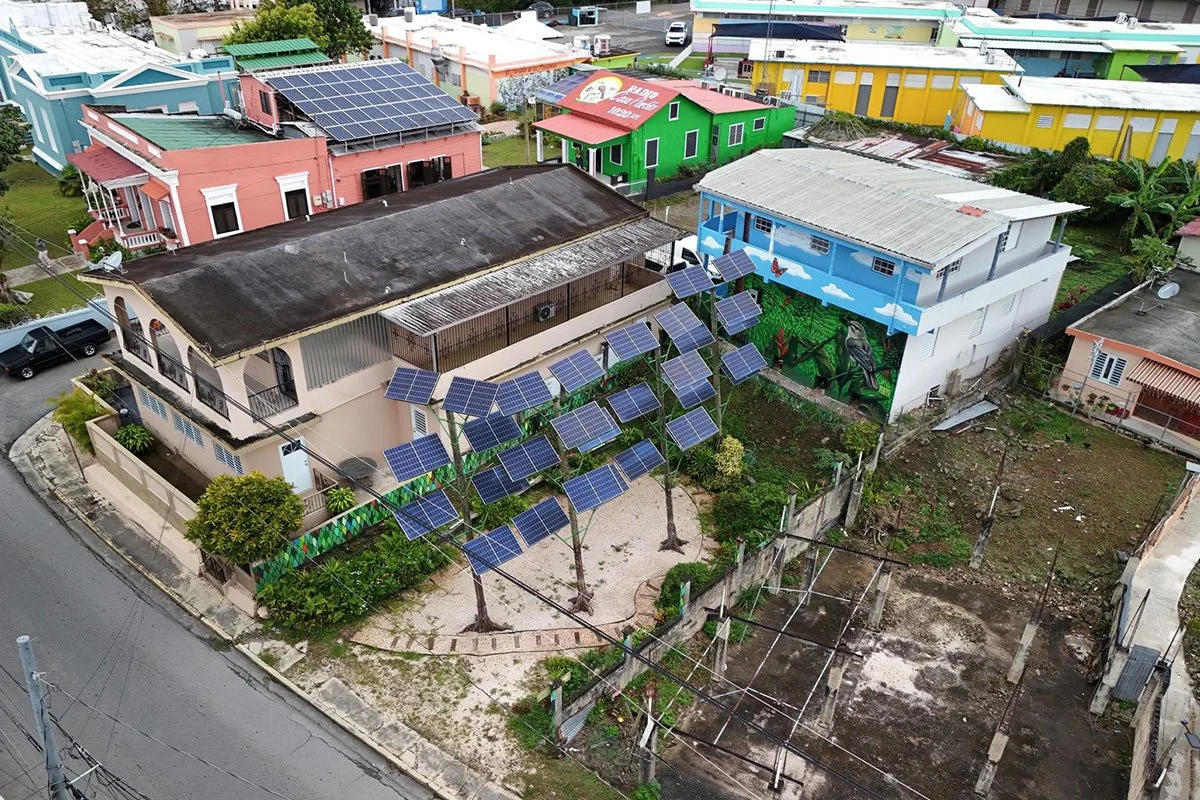
The mountain town of Adjuntas, situated in the rugged central cordillera of Puerto Rico, has become the epicenter of a global conversation regarding energy independence and community-led infrastructure. For two weeks following the landfall of Hurricane Maria in September 2017, Lucy’s Pizza was the only establishment open in the municipality. Landslides had effectively severed the town from the capital, San Juan, and the island-wide electrical grid had suffered a catastrophic collapse. To keep his kitchen operational, owner Gustavo Irizarry relied on a diesel generator—a loud, expensive, and temperamental machine that required constant oversight. By the time the central grid was restored six months later, Irizarry had spent over $15,000 on fuel alone, a figure that represents the broader economic burden placed on Puerto Rican small businesses during the longest blackout in United States history.
The struggle in Adjuntas is a microcosm of a larger systemic failure. While blackouts on the U.S. mainland typically last hours or days, tens of thousands of Puerto Ricans endured six to eleven months without power following Maria. This period of darkness highlighted the profound vulnerability of a centralized grid dependent on imported fossil fuels and the political reality of Puerto Rico’s status as a U.S. territory. As the United States approaches its 250th anniversary, the narrative in Adjuntas is not one of federal promises kept, but of a community that realized it could no longer wait for external salvation.
The Fragility of the Centralized Grid and the Path to Privatization
Puerto Rico’s electrical infrastructure was in a state of decay long before the 2017 hurricane season. Decades of underinvestment, a lack of preventative maintenance, and the bankruptcy of the state-owned Puerto Rico Electric Power Authority (PREPA) left the system incapable of withstanding a Category 4 storm. Hurricane Maria destroyed approximately 80 percent of the island’s transmission and distribution lines, leading to a total blackout that claimed thousands of lives, many due to the failure of medical equipment such as dialysis machines and respirators.
In the aftermath of the disaster, the Puerto Rican government and federal oversight boards moved toward privatization as a solution. In 2021, the operation and maintenance of the grid were handed to LUMA Energy, a private consortium. Proponents argued that private management would bring efficiency and reliability. However, data suggests a different outcome. According to reports from the Government Accountability Office (GAO), blackouts have become more frequent and of longer duration since the transition. Furthermore, Puerto Ricans pay more than double the average U.S. mainland price for electricity that remains the least reliable in the country. The island’s reliance on imported coal and gas also contributes to disproportionately high rates of respiratory illnesses, such as asthma, among its 3.2 million residents.
A Chronology of Resistance: The Origins of Casa Pueblo
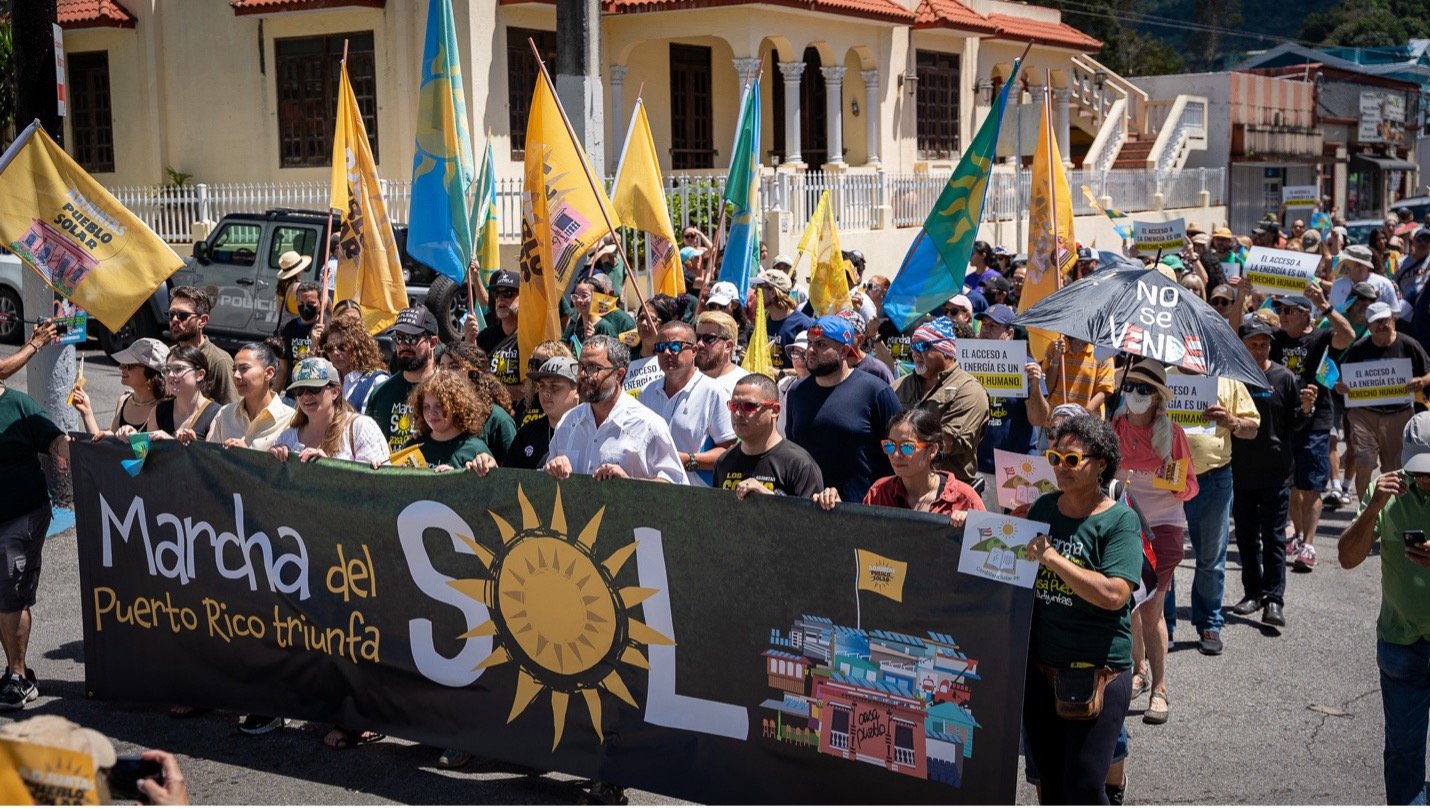
The movement for energy sovereignty in Adjuntas predates Hurricane Maria by decades. Casa Pueblo, a community-based nonprofit, was founded by Alexis Massol González and Tinti Deyá Díaz. Initially focused on environmental protection and successfully stopping a massive open-pit mining project in the 1980s, the organization shifted its focus to energy in the late 1990s.
- 1999: Casa Pueblo installs its first solar array, becoming a rare example of renewable energy in the central mountains.
- 2017 (September): Hurricane Maria devastates the island. Casa Pueblo’s headquarters remains powered, serving as a hub for neighbors to charge phones and refrigerate life-saving insulin.
- 2018: Casa Pueblo identifies the need to scale from a single solar-powered building to a town-wide microgrid. They form a partnership with the Honnold Foundation, an intermediary funder focused on solar energy.
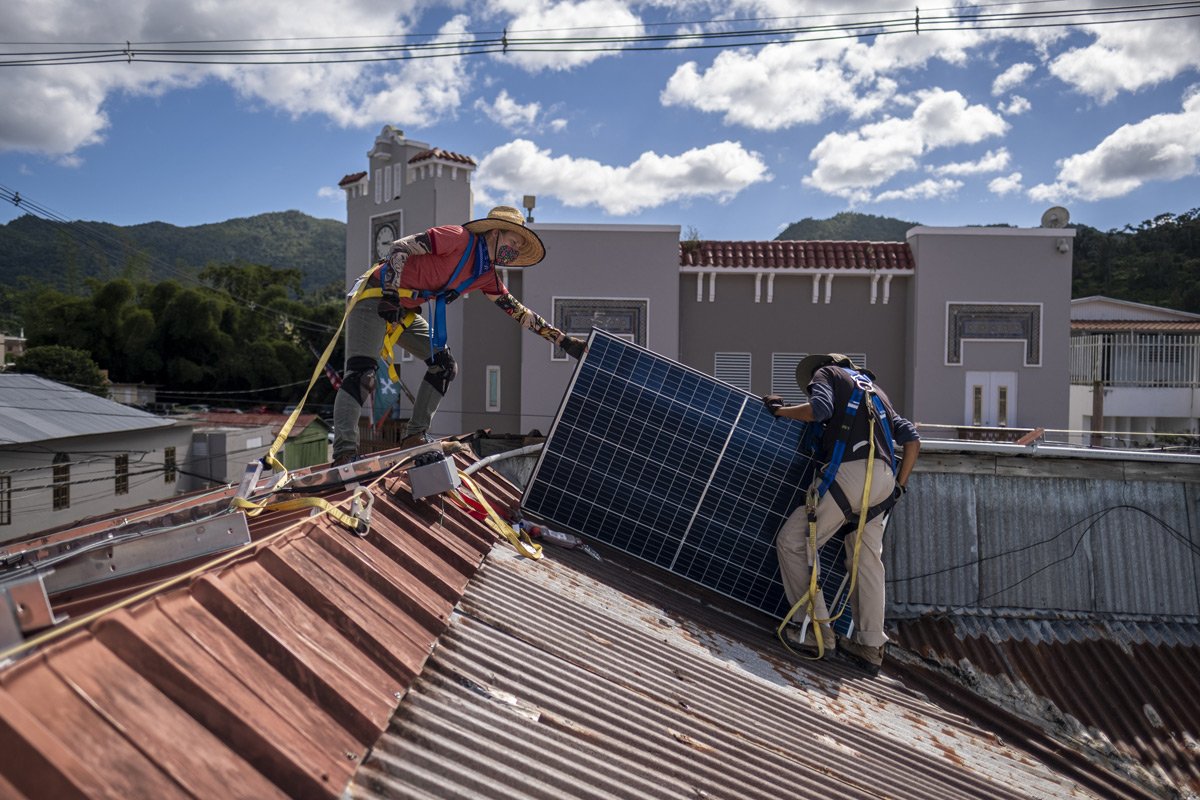
- 2020 (February): Installation begins on the first rooftop panels for the commercial plaza, designed to withstand Category 5 winds of up to 165 miles per hour.
- 2022 (September): Hurricane Fiona strikes. While the island-wide grid fails again, the solar systems in Adjuntas remain operational.
- 2023 (March): The Plaza de la Independencia Energética is officially inaugurated as the island’s first community-owned solar microgrid.
- 2025 (April): An island-wide blackout occurs. The Adjuntas microgrids maintain power for over 24 hours while the rest of the island waits for the grid to return.
The Adjuntas Microgrid Model: Technical and Social Architecture
The project in Adjuntas is not merely a collection of solar panels; it is a sophisticated energy ecosystem designed for collective resilience. The core of the system is the Plaza de la Independencia Energética, which consists of 187 kilowatts of solar capacity backed by one megawatt-hour of battery storage. This is sufficient to power the town’s commercial heart for several days without sunlight or grid connection.
The social architecture of the project is equally innovative. The microgrid is owned and operated by the Community Solar Energy Association of Adjuntas (ACESA). This association is comprised of local business owners—including the bakery, hardware store, and pizzeria—who pay for the solar power they consume. Crucially, the surplus revenue generated by these commercial members is used to fund solar installations for low-income residents with urgent medical needs. This model inverts the traditional utility structure, where profits are extracted from the community. In Adjuntas, the wealth generated by the sun stays within the town to support its most vulnerable members.
To ensure long-term sustainability, Casa Pueblo established the Community Laboratory for the Energy Transition. This facility serves as a training ground for local residents, particularly women, to become solar installers and technicians. By housing the expertise within the community, Adjuntas avoids the "vendor-lock" and maintenance delays that often plague rural infrastructure projects.
Federal Promises and the Reality of Funding Reversals
The success of Adjuntas stands in stark contrast to federal efforts to stabilize Puerto Rico’s energy sector. In 2022, the U.S. Congress appropriated $1 billion to the Puerto Rico Energy Resilience Fund (PR-ERF). The fund was intended to provide rooftop solar and battery backup for approximately 30,000 of the island’s most vulnerable households, specifically targeting those with energy-dependent disabilities.
However, recent developments have sparked significant controversy. The Department of Energy (DOE) has reportedly redirected approximately $815 million of these funds toward grid-level repairs rather than the promised household solar installations. This reversal has left an estimated 12,000 households that had already qualified for the program in a state of uncertainty.
In response, nearly 200 disability rights and community organizations, including the Movement for the Achievement of Independent Living, have demanded the full restoration of the fund. Critics argue that prioritizing centralized grid repairs over decentralized solar ignores the lessons of the last seven years: that a centralized grid in a hurricane-prone region is inherently fragile, and that for those on life-support equipment, decentralized solar is a matter of life and death.
Cultural Impact and Global Implications
The movement for energy independence has moved from the mountains of Adjuntas into the mainstream of Puerto Rican culture. Global superstar Bad Bunny has become a vocal advocate for the cause. During his 2025 residency in San Juan, he invited Casa Pueblo to speak with fans about renewable energy. His 2024 Super Bowl halftime performance, featuring the song "El Apagón" (The Blackout), was performed atop a mock utility pole, serving as a protest against the failing grid and the privatization of essential services.
The "Adjuntas Model" is now being studied as a blueprint for other regions facing climate instability and energy poverty. Casa Pueblo’s laboratory currently collaborates with community efforts in Mexico, Guatemala, Honduras, and Colombia to share technical knowledge and organizational strategies.
Conclusion: Energy as a Human Right
The experience of Adjuntas suggests that the path to a resilient future lies in the decolonization of energy resources. By moving away from a model of individual survival and toward a vision of collective strength, the town has redefined what it means to be resilient. The project demonstrates that when philanthropy provides flexible, trust-based support—as seen with the Honnold Foundation’s $2 million investment—communities can build systems that they own and control.
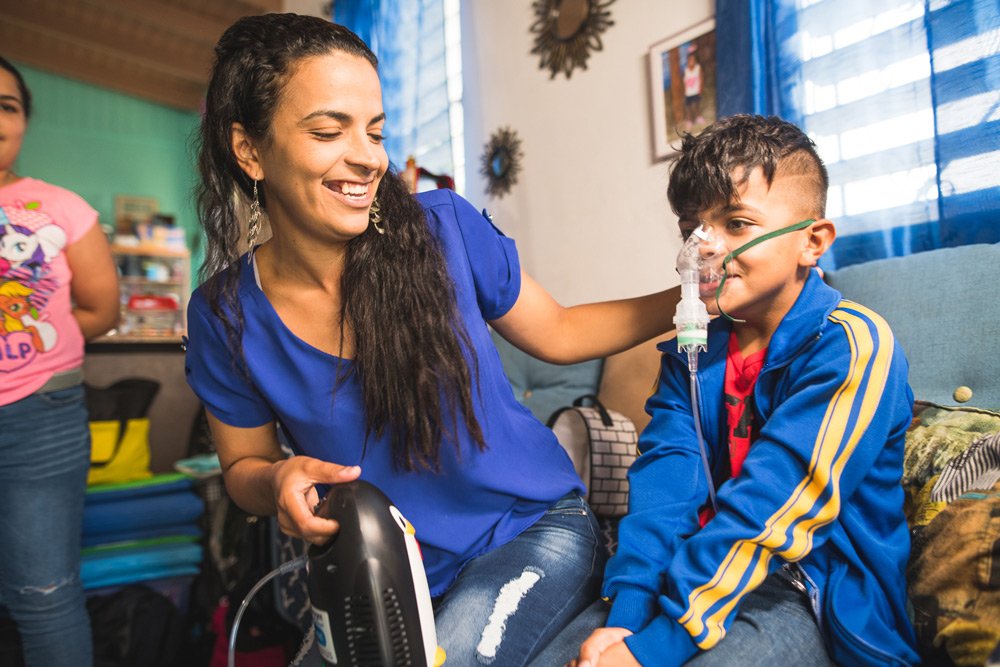
For the residents of Adjuntas, reliable electricity is not an abstraction or a luxury; it is the difference between a child receiving a nebulizer treatment and a parent being unable to perform dialysis. As the climate crisis intensifies, the Adjuntas model offers a compelling argument for treating clean, reliable energy as a fundamental human right rather than a privilege. The town’s transition to solar is more than a technical achievement; it is a demand for justice and a practical step toward the self-determination of the Puerto Rican people.