Lina Irawan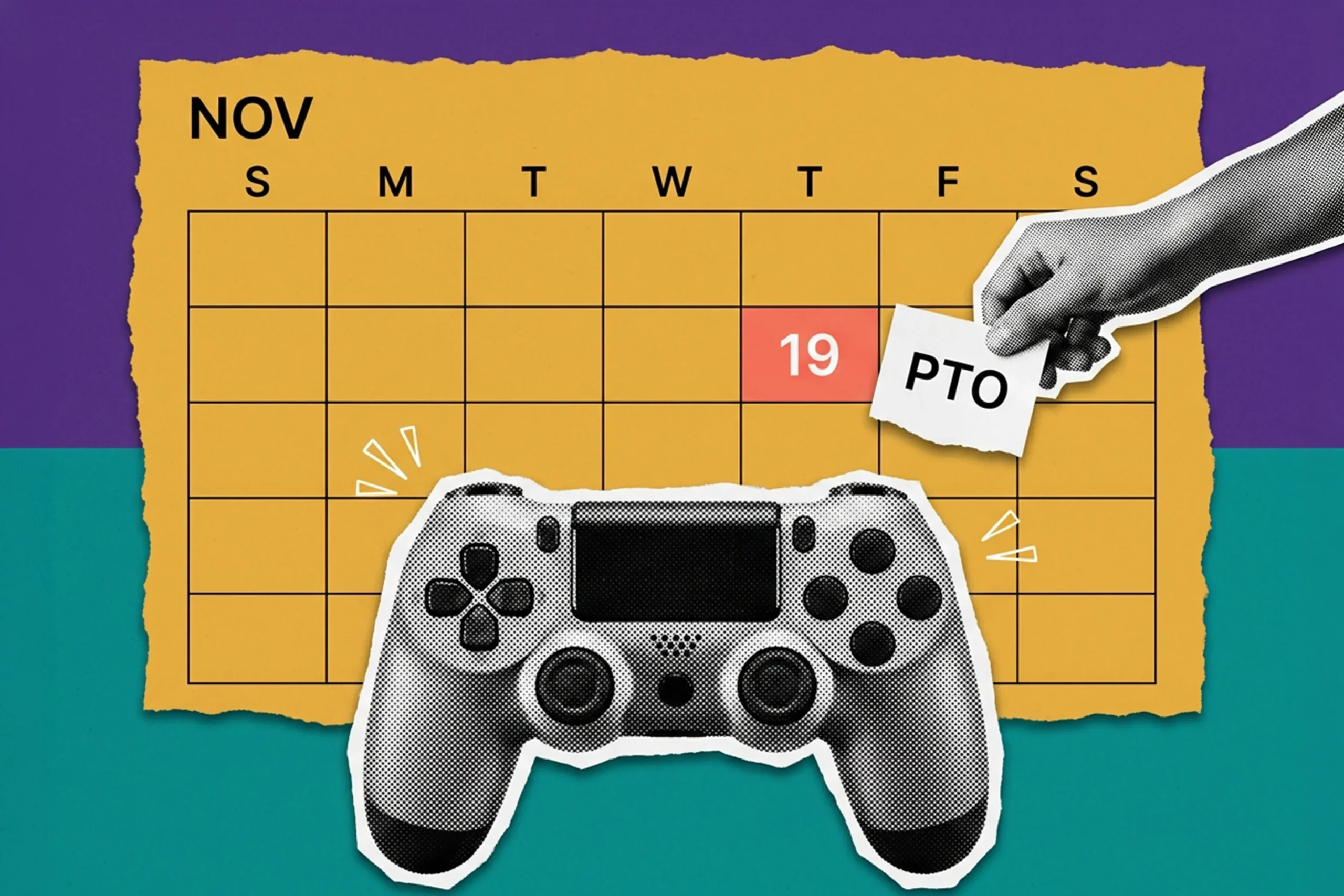
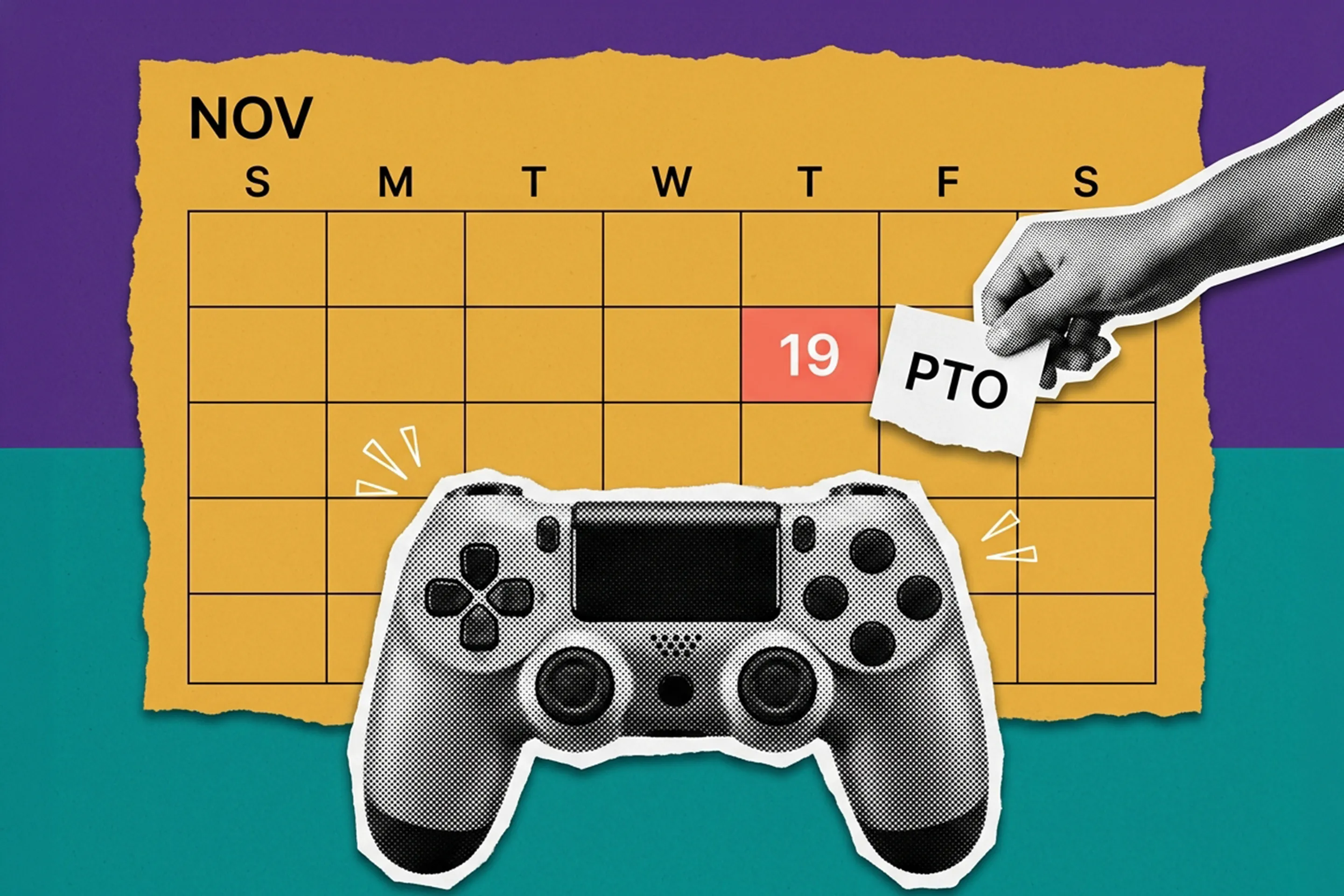
Nov. 19, 2026, is rapidly emerging as a de facto national holiday for millions globally, as the highly anticipated release of Grand Theft Auto VI is prompting a significant surge in employee vacation requests. After more than a decade since its last main installment, the sixth iteration of one of the most celebrated and financially successful video game franchises in history is poised to redefine entertainment consumption patterns and, inadvertently, workplace attendance. The cultural phenomenon surrounding the game’s launch is so profound that businesses are already observing a measurable impact on their workforce planning, far in advance of the official release date.
The Unprecedented Anticipation for Grand Theft Auto VI
The Grand Theft Auto series, developed by Rockstar Games and published by Take-Two Interactive, has consistently pushed boundaries in storytelling, open-world design, and satirical social commentary since its inception in 1997. Renowned for its gritty narratives, immersive environments, and unparalleled freedom of gameplay, the franchise has sold nearly 475 million copies worldwide, with Grand Theft Auto V alone accounting for over 195 million units, making it the second best-selling video game of all time. This staggering success has cultivated a fiercely loyal and expansive fanbase, eagerly awaiting the next chapter.
The hype surrounding GTA VI has been building for years, fueled by leaks, rumors, and eventually, official announcements that culminated in a record-breaking trailer release. The game is set to transport players to the sprawling, neon-soaked criminal underworld of Leonida, a fictionalized rendition of Florida, complete with recognizable nods to real-world locales such as Miami (Vice City), Tampa, and Key West. This return to a beloved setting, coupled with advancements in graphics, gameplay mechanics, and character development—including the series’ first female protagonist in a leading role—has galvanized the global gaming community. Preorders for GTA VI have already surpassed 5.2 million copies, signaling an economic event far beyond the typical video game launch.
Data Reveals a Significant Uptick in Time-Off Requests
The tangible evidence of this fervor is manifesting in human resources departments across various industries. According to proprietary data shared by BambooHR, a leading HR software provider, with Money, vacation requests for November 19, 2026, are remarkably higher than typical trends for the third Thursday of November. The analysis indicates that time-off requests for this specific date are ranging between 9% and 17% above the seasonal average. This surge is particularly notable given that these figures were recorded when the release date was still approximately ten weeks away, suggesting that the actual number of requests could escalate further as the launch approaches.
While a spokesperson for BambooHR acknowledged that broader cultural shifts towards a more liberal use of paid time off (PTO) could contribute to general increases in vacation requests, the specific and concentrated spike around November 19 strongly points to GTA VI as a primary catalyst. Historical data from BambooHR for comparable dates in previous years shows no similar anomalies, reinforcing the unique influence of this particular cultural event. The data underscores an evolving dynamic where major entertainment releases are not merely influencing consumer spending but are directly impacting workforce management and productivity on a national, if not global, scale.
Anecdotal Evidence and Employer Reactions
Beyond the statistical analysis, anecdotal accounts from employees and employers provide vivid illustrations of the game’s impending impact. Social media platforms, particularly X (formerly Twitter) and Reddit, are abuzz with discussions from gamers openly declaring their intentions to take time off. One user on X succinctly stated, "I know some people that are going to take weeks off, and I’m one of them," reflecting a widespread sentiment among dedicated fans.
A Reddit user shared a particularly telling interaction from July, recounting how their request for November 19-20 off was met with an immediate, knowing nod from their manager, who presumed—correctly—it was for GTA VI. In a surprising turn, the manager not only approved the request but decided to join the ranks of those taking leave for the game’s release. This narrative highlights a growing understanding and, in some cases, shared enthusiasm within workplaces regarding the game’s significance.
Some forward-thinking employers are actively adapting to this anticipated disruption. In a notable instance from California, a popular motorsports shop preemptively announced its closure on November 19. The company’s public notice, circulated on social media, candidly explained its decision: "After reviewing multiple employee scheduling conflicts, management has determined that normal business operations may be impacted due to the release of Grand Theft Auto VI. We appreciate your patience and understanding during this unprecedented cultural event." This proactive approach demonstrates a recognition of the game’s cultural weight and a pragmatic response to maintain employee morale while managing operational challenges. Such transparency and flexibility could become a model for other businesses facing similar workforce pressures.
Broader Economic Implications and Productivity Concerns
The widespread nature of these vacation requests has led to serious discussions about potential economic ramifications. The Wall Street Journal recently published an article warning of a "work blackout" around the GTA VI release, speculating on significant productivity losses. This concern is not unfounded. A separate analysis conducted by the gaming intelligence platform Win.gg explored the impact of late-night gaming sessions on subsequent work performance. Their findings suggest that individuals who stay up late playing video games report an average loss of two hours of productivity the following day. When extrapolated nationwide across an enthusiastic gaming population, this collective sluggishness could translate into an estimated $5 billion loss in economic output.
These projections draw parallels to other large-scale cultural events that have historically impacted workplace productivity. The Super Bowl, for instance, has long been associated with a phenomenon dubbed "Super Bowl Fever" on the Monday following the championship game. Workforce data firm UKG has meticulously tracked this trend for years. In early 2026, UKG estimated that approximately 22.6 million U.S. employees called out of work or were significantly less productive on Super Bowl Monday, leading to an estimated $5.2 billion in lost productivity. The striking similarity in the projected economic impact highlights the unprecedented scale of GTA VI’s influence, positioning it as a cultural event comparable to the nation’s biggest sporting spectacle.
The Evolution of Work-Life Balance in a Digitally Connected World

The GTA VI phenomenon also serves as a poignant indicator of evolving attitudes towards work-life balance and the increasing integration of digital culture into daily professional lives. For many, a major video game release is not merely a leisure activity but a significant cultural touchstone, akin to a major concert, film premiere, or sporting event that merits dedicated time off. This shift challenges traditional corporate structures that might view such requests as frivolous, prompting a reevaluation of flexible work policies and employee engagement strategies.
HR consultants and industrial psychologists are observing this trend with keen interest. "The GTA VI release is a prime example of how major digital events are now powerful enough to influence real-world economic and workforce trends," states Dr. Eleanor Vance, a lead HR strategist at Global Workforce Solutions. "Companies that understand and proactively address these cultural moments, perhaps by offering flexible hours, ‘game day’ PTO options, or even organizing office-wide events around the release, are likely to foster greater employee loyalty and mitigate potential productivity dips." This suggests that employers who embrace, rather than resist, these cultural shifts may find themselves with a more engaged and resilient workforce.
Furthermore, the extensive pre-release marketing and community engagement by Rockstar Games and Take-Two Interactive has cultivated an environment where the game’s launch is perceived as a communal experience. Players are not just anticipating a game; they are anticipating shared moments with friends, streaming events, and a collective dive into a new virtual world. This communal aspect amplifies the desire to participate immediately, rather than waiting, thereby fueling the vacation request surge.
Conclusion: A New Benchmark for Cultural Impact
The impending release of Grand Theft Auto VI on November 19, 2026, is shaping up to be more than just a monumental event for the gaming industry; it is a significant cultural moment with tangible impacts on the global workforce and economy. The striking data from BambooHR, coupled with widespread anecdotal evidence and cautious economic forecasts, paints a clear picture of a unique phenomenon. The sheer volume of preorders and the unprecedented surge in vacation requests underscore the game’s immense pull, rivaling the disruptive power of traditional cultural events like the Super Bowl.
As the countdown to November 19 continues, businesses and HR departments will be closely watching to see how this "Super Bowl moment" of the gaming world ultimately unfolds. It sets a new benchmark for how digital entertainment can permeate and influence real-world professional spheres, challenging conventional notions of productivity, leisure, and work-life integration in the 21st century. The legacy of Grand Theft Auto VI may extend beyond its virtual streets, potentially reshaping corporate policies and our understanding of cultural influence for years to come.