Julia Chirkova

The Public Company Accounting Oversight Board (PCAOB) has initiated a significant regulatory action, issuing a Notice of Delinquency and Impending Withdrawal to 97 audit firms registered with the Board. This unprecedented move, the largest mass revocation of registrations in the PCAOB’s history, stems from firms being delinquent or failing to maintain active status in their filings, as stipulated by PCAOB Rule 2107(h), "Constructive Withdrawal Requests." This rule, adopted in November 2024, establishes a streamlined process for the PCAOB to ensure its registry accurately reflects firms actively engaged in public company auditing. The current action marks the inaugural application of this new regulatory framework.
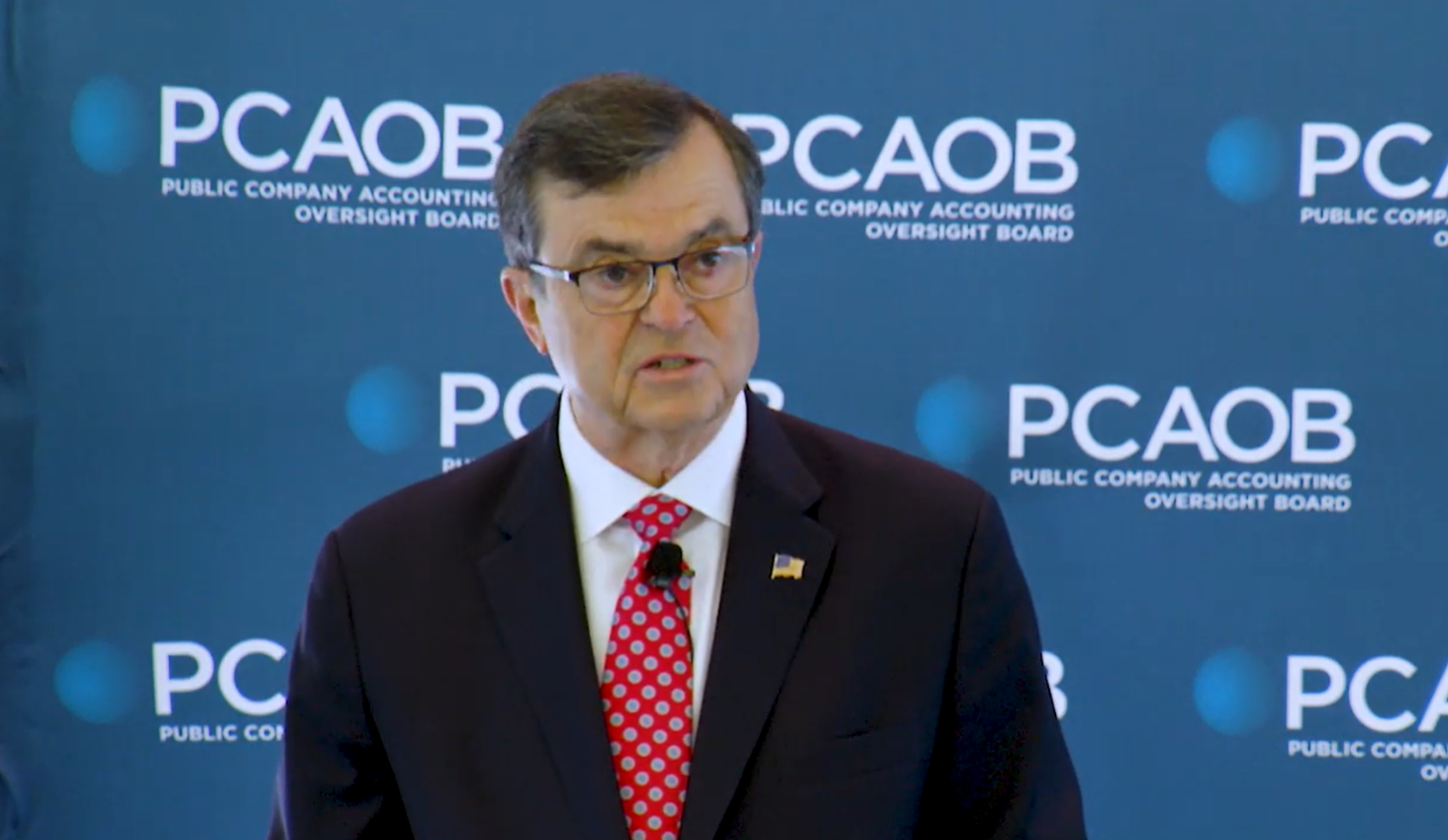
PCAOB Chairman Demetrios (Jim) Logothetis emphasized the critical importance of this initiative, stating, "This action provides investors and other market participants with a more accurate picture of the audit firms that remain active in the public company audit space. Maintaining complete and accurate registration records is a basic and essential function of the PCAOB and an important part of our mission to protect investors and the integrity of our capital markets." The firms receiving these notices are Abdulwahab Al-Ageel CPA’s and Consultants, Abrams and Company, P.C., Ahmed Mansour & Associes, Alvarez & Associates, Inc., Certified Public Accountants, Audit Firm Femida Audit LLC, BDO China Zhonglian Mindu Shu Lun Pan CPAs Co., Ltd., BDO Kazakhstanaudit LLP, Beijing Ever Trust CPAs Co., Ltd., Beijing Huaweixin Certified Public Accountants Co. Ltd, Beijing Senheguang Certified Public Accountants Co.,Ltd, Beijing Zhongxingyu Certified Public Accountants, Beijing Zhongxuanyu CPA Co.,Ltd., Chavez Aguilar & Asociados Sociedad Civil, Constantin Rediva Srl, D K Chhajer & Co, Daniel Hertz, LLP, David E Klein, David Weiss CPA, PLLC, DNJ Consulting Inc., Duran & Asociados, Ernest H. Gardner, F.S. Taylor & Associates, PC, Faircloth & Associates P.A., ‘Finances M’ close company, Fortune Certified Public Accountants Ltd., Fred R Goldstein CPA, Gan-Su Hong-Xin Accountants Firm Ltd., GW Robinsons LLP, Hajiani CPA LLC, Harvey E. Karll CPA, P.C., HLB Ijaz Tabussum and Co., Chartered Accountants, Hoferer + Partner GmbH, Insurance Industry Auditing and Consulting, LTD, Intercom-Audit, J.W. Hunt and Company, LLP., Jeri Ramon & Asociados Sociedad Civil De Responsabilidad Limitada, Johnson, Holscher and Company, P.C., Jonasch-Platzer Wirtschaftsprüfungs- und Steuerberatungs GmbH, Joseph Topolski Certified Public Accountant, JSC 2K, Kappin Professional Corporation, Kemp & Company, A Professional Association, KNAV UK Limited, KSI Contadores De Mexico, S.C., Kuczak & Associates, P.A., Langmeads Limited, León, Delgado & Asociados, Lightfoot Guest Moore & Co., PC, Lindsay Y Compañia Limitada, M. Bradford Randolph, Marescot Palomino & Associates PLLC, Mario Marcel, McKenzie Forensic Auditors, Inc, Mehra Malhotra And Company, Michael Damsky CPA, P.C., Michael L Thompson CPA, PLLC, Millward and Company, Inc., MSH, CPA’s, LLC, MYC Chartered Accountants, Nkonki Incorporated, Norman Katz, CPA, Parker Randall CF (H.K.) CPA Ltd, Paula S. Morelli CPA P.C., Perpetual Synergy Limited, Peter A. Foley, PITAGORA REVISIONE S.R.L., Rivera Y Asociados Contadores Publicos S.C., Rodriguez Pinto Y Asociados Sociedad Civil De Responsabilidad Limitada, RSM & Co., S.Audit GmbH Wirtschaftsprüfungsgesellschaft, Sandoval Aliaga Y Asociados S.C., Saul N. Friedman & Company, Shanghai LVR Financial Consulting Co., Ltd., Shanghai RISMO C.P.A. LTD, Sharpton Brunson and Company, P. A., Shenzhen Kung Ming Certified Public Accountants Co. Ltd., Shenzhen Shouzheng Accounting Firm (General Partnership), Sidney W. Azriliant, CPA PC, Soni Chatrath & Co., Tamba S. Mayah, CPA, Tambakad & Goil, Thomas E. Flanagan, CPA, TriMerge Consulting Group, PA, TSV Integradora Especializada en Servicios Corporativos, S. C., Turkmen Bagimsiz Denetim Ve Yeminli Mali Musavirlik A.S., UHY Auditores & Consultores S.A., UHY El Geziry, Elfakhrani & Co., VA Business Assurance Services, VHL Revisionsgesellschaft mbH Wirtschaftsprüfungsgesellschaft, Vigo & Asociados Sociedad Civil, watson & company, p. a., WatsonRice LLP, Weis & Asociados Sociedad Civil, Yayoi Audit Corporation, Yildizlar Bağımsız Denetim Ve Yeminli Mali Müşavirlik Anonim Şirketi, Zhong Cai Accountants Company, and Zhonglei Certified Public Accountants Co.,Ltd. These firms received their notices on November 5, 2026, and their withdrawal will become effective on March 1, 2027.
Background: The PCAOB’s Evolving Role and the Need for an Accurate Registry
Established by the Sarbanes-Oxley Act of 2002, the PCAOB is a non-profit corporation tasked with overseeing the audits of public companies and other issuers to protect investors and further the public interest in the preparation of informative, accurate, and independent audit reports. A core function of the PCAOB is to maintain a comprehensive and up-to-date registry of accounting firms that audit public companies. This registry is crucial for market transparency, allowing investors, audit committees, and other stakeholders to identify firms that are authorized to perform such critical financial oversight.
Historically, the PCAOB’s registration process has evolved to address the dynamic nature of the accounting profession. Firms may cease operations, merge, or change their focus, necessitating a mechanism to remove inactive entities from the registered list. The introduction of PCAOB Rule 2107(h) represents a proactive step to address this challenge. Prior to this rule’s adoption, the process for removing inactive firms could be more protracted. Rule 2107(h) establishes a clear framework for identifying and addressing firms that are no longer actively engaged in auditing public companies, thereby ensuring the integrity and reliability of the PCAOB’s public registry. The rule aims to prevent the registry from becoming a static repository of entities that no longer fulfill the criteria for active participation in the public company audit market.
Chronology of Action and Rule Implementation
The current wave of withdrawals is directly linked to the implementation of PCAOB Rule 2107(h). The Board adopted this rule in November 2024, signaling a strategic shift towards more efficient registry management. Following adoption, the PCAOB initiated a period of communication and outreach to registered firms, emphasizing the importance of maintaining active registration status and the consequences of failing to do so.
The firms identified in the recent notices were found to be delinquent in their filings or otherwise failed to demonstrate active engagement in accordance with PCAOB requirements. The "Notice of Delinquency and Impending Withdrawal" serves as a formal communication to these firms, outlining the specific reasons for the delinquency and the impending cessation of their registration. The rule allows for a defined period—in this case, until March 1, 2027—for firms to rectify any outstanding issues or to voluntarily withdraw their registration. If no corrective action is taken and the firms do not voluntarily withdraw, their registration will be automatically terminated on the specified withdrawal date. This structured approach ensures due process while upholding the PCAOB’s mandate for an accurate and current registry.
Supporting Data and Implications for the Market
The issuance of notices to 97 firms represents a significant culling of the PCAOB’s registered population. While the exact number of registered firms fluctuates, this action is expected to lead to a more streamlined and relevant list of active audit firms. The implications of this mass withdrawal extend to various market participants:
- Investors: A cleaner registry enhances investor confidence by ensuring that the firms listed as registered auditors are genuinely active and compliant. This reduces the risk of investors relying on the perceived legitimacy of a firm that is no longer operational or adhering to regulatory standards.
- Public Companies: Companies seeking audit services will have a more accurate pool of eligible firms. This can streamline the audit firm selection process and ensure that companies are engaging with entities that meet the PCAOB’s oversight requirements.
- Audit Firms: For the firms that remain registered, this action reinforces the importance of ongoing compliance and active participation. It may also present opportunities for firms that are actively engaged and compliant to gain market share.
- PCAOB Oversight: By removing inactive or non-compliant firms, the PCAOB can focus its resources more effectively on the firms that are actively auditing public companies, leading to more targeted and impactful oversight.
The exact number of registered audit firms can vary, but typically ranges in the thousands globally. A reduction of 97 firms, while substantial, is unlikely to fundamentally alter the competitive landscape for major audit services but will refine the universe of smaller and mid-sized firms. The long-term impact will be a more efficient and transparent marketplace for audit services.
Official Responses and Regulatory Intent
The statement from PCAOB Chairman Demetrios (Jim) Logothetis underscores the regulatory intent behind this action. The emphasis on providing "a more accurate picture of the audit firms that remain active in the public company audit space" highlights the PCAOB’s commitment to transparency and investor protection. The chairman’s assertion that "maintaining complete and accurate registration records is a basic and essential function of the PCAOB" reinforces the foundational nature of this regulatory step.

This action is not punitive in nature but rather a procedural enforcement of existing rules designed to maintain the integrity of the PCAOB’s registration database. The rule itself is intended to be a tool for efficiency, allowing the Board to manage its registry effectively without the need for protracted individual enforcement actions for simple non-compliance with filing requirements. By leveraging the "Constructive Withdrawal Requests" process, the PCAOB aims to ensure that its registry reflects only those firms that are actively engaged and meeting their ongoing obligations, thereby enhancing the reliability of information available to the investing public.
Broader Impact and Future Considerations
The PCAOB’s proactive approach to registry management signals a broader trend towards greater accountability and transparency within the auditing profession. As the capital markets evolve and regulatory scrutiny intensifies, oversight bodies like the PCAOB are continually refining their tools and processes to ensure the integrity of financial reporting.

The success of this initiative will likely be measured by the ongoing accuracy and completeness of the PCAOB’s registry and the continued confidence of investors and market participants in the firms that are authorized to audit public companies. Future actions by the PCAOB may include further enhancements to the registration process or more frequent reviews of firm activity to ensure sustained compliance. The regulator’s focus remains on fostering an environment where audit quality is paramount and where the public can rely on the information provided by registered audit firms. The systematic removal of inactive firms is a necessary step in this ongoing effort to uphold the integrity of the auditing profession and protect the interests of investors in the global capital markets.