admin
admin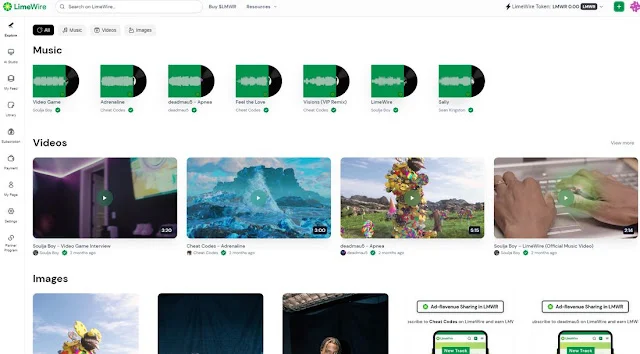
In a significant strategic pivot, LimeWire, a name historically synonymous with peer-to-peer file sharing from the early 2000s, has undergone a radical transformation, re-establishing itself as a cutting-edge generative AI content publishing platform. This ambitious relaunch positions LimeWire as a unique player in the rapidly expanding landscape of artificial intelligence, offering creators innovative tools for content generation, sharing, and monetization within a decentralized framework. The platform not only seeks to differentiate itself from the multitude of existing AI tools but also aims to redefine the creator economy by empowering artists, musicians, and designers with direct avenues to share and profit from their digital creations.
The Rebirth of a Brand: From P2P to AI Pioneer
To fully appreciate LimeWire’s current trajectory, it is essential to contextualize its origins and subsequent evolution. The original LimeWire emerged in the early 2000s as a popular, albeit controversial, file-sharing application built on the Gnutella network. It quickly gained widespread adoption, allowing users to share music, movies, and software globally. However, its success was inextricably linked to rampant copyright infringement, leading to extensive legal battles with the Recording Industry Association of America (RIAA) and other copyright holders. These protracted legal challenges culminated in a permanent injunction in 2010, effectively shutting down the service and marking the end of an era for digital content sharing. The brand name, once a symbol of digital freedom for some and piracy for others, lay dormant for over a decade.
The current iteration of LimeWire represents a complete conceptual overhaul, meticulously engineered to align with contemporary digital trends and intellectual property standards. The re-emergence is not merely a rebranding but a fundamental shift in purpose, leveraging advanced AI technology and blockchain integration to foster a legitimate and empowering ecosystem for digital creators. This strategic revival seeks to shed the legacy of its past by embracing innovation and establishing a platform that champions original content creation and fair compensation for artists.
Navigating the Generative AI Landscape
LimeWire’s re-entry into the digital sphere coincides with an unprecedented boom in generative artificial intelligence. The global generative AI market is projected to grow exponentially, with estimates suggesting it could reach hundreds of billions of dollars by the end of the decade. This rapid expansion is driven by advancements in machine learning models capable of producing highly realistic and diverse content, from images and text to audio and video, often from simple text prompts. Key players like OpenAI’s DALL-E, Midjourney, and Stability AI’s Stable Diffusion have captured public imagination, democratizing access to creative tools that once required specialized skills.
However, the proliferation of generative AI also presents significant challenges, particularly concerning intellectual property, ethical usage, and fair compensation for the artists whose works often train these sophisticated models. LimeWire positions itself within this dynamic environment by not only offering powerful AI creation tools but also by integrating robust monetization and ownership mechanisms designed to directly benefit creators. The platform aims to address the common concerns of digital artists by providing clear pathways for ownership and revenue generation, distinguishing itself from platforms that primarily focus on creation without robust creator-centric economic models. This approach resonates with the growing demand for platforms that prioritize the artist’s financial well-being in the burgeoning creator economy.
LimeWire Studio: A Hub for AI-Powered Creation
At the core of the new LimeWire is the LimeWire Studio, a versatile digital workspace designed to empower users to generate, refine, and publish original AI content. Currently, the platform’s primary focus is on AI Image Generation, offering a sophisticated suite of tools that support leading advanced models such as Stable Diffusion 2.1, Stable Diffusion XL, and DALL-E 2. This multi-model approach provides creators with a broad spectrum of capabilities, allowing them to experiment with different algorithmic interpretations and achieve diverse artistic outcomes.
The image generation process within LimeWire Studio is designed for both accessibility and depth. Users can initiate the creative process with prompts ranging from simple keywords to intricate, multi-layered instructions, allowing for precise control over the generated output. What truly sets LimeWire apart in this domain is its seamless integration of various AI models and an extensive library of design styles. Creators can effortlessly toggle between different AI engines and apply distinct visual identities, including cinematic, digital art, pixel art, anime, and analog film styles. Each style imparts a unique aesthetic, enabling artists to explore a vast creative spectrum and produce highly individualized AI-generated images.
Further enhancing the creative experience, LimeWire Studio incorporates additional features such as samplers for fine-tuning image quality and detail, extensive customization options, and intuitive prompt guidance. These tools collectively aim to provide a user-friendly interface that caters to both novice creators venturing into AI art for the first time and experienced artists seeking advanced control over their output. The platform’s commitment to innovation is further underscored by its active development of a proprietary AI model, signaling future enhancements and an expanded horizon of creative possibilities for its user base.
Empowering the Creator Economy: Monetization and Ownership
Beyond its robust creation tools, LimeWire’s most distinctive offering lies in its comprehensive monetization models and its integration with blockchain technology to ensure digital ownership. This approach directly addresses one of the most pressing challenges for digital artists: how to effectively earn revenue from their work in an increasingly digitized and often ephemeral content landscape.
Upon completing a creative endeavor within LimeWire Studio, creators have the option to publish their content. A cornerstone feature is the platform’s automated Non-Fungible Token (NFT) minting process, which leverages either the Polygon or Algorand blockchain. This transformative step imbues each piece of artwork with a unique, immutable digital signature, securing its authenticity and establishing verifiable ownership in the decentralized realm. By minting content as NFTs, LimeWire ensures that creators retain clear rights to their digital assets, a significant departure from traditional digital distribution models where ownership can be ambiguous.
Creators maintain full control over the accessibility of their NFT creations. They can opt for a public release, making their content discoverable by a wider audience and fostering community engagement. This public exposure also opens avenues for enthusiasts and collectors to trade the NFTs on secondary markets, generating further value and exposure for the artist. Alternatively, creators can choose to share their posts exclusively with premium subscribers, transforming their digital art into special offerings for dedicated fans, thereby cultivating a more intimate and personalized experience within the LimeWire community. This flexibility in distribution underscores LimeWire’s commitment to empowering creators with choices that align with their artistic and business strategies.
A key differentiator for LimeWire is its generous ad revenue sharing model. When creators publish content on the platform, they are eligible to receive 70% of all ad revenue generated from other users viewing their images, music, and future video content. This revenue stream provides a substantial incentive for designers and artists, allowing them to experiment with AI image and content generation tools while simultaneously earning a passive income. This model is particularly beneficial for emerging artists who might not yet have a large subscriber base but can still benefit from general platform engagement.
LMWR Tokens: The Native Cryptocurrency of the Ecosystem
The revenue earned by creators on LimeWire is disbursed in LMWR tokens, the platform’s native cryptocurrency. This integration of a proprietary token underscores LimeWire’s commitment to the broader Web3 ethos, providing a transparent and efficient means of value transfer within its ecosystem. Earnings are paid out monthly in LMWR, which creators can then trade on various popular cryptocurrency exchange platforms, including Kraken, ByBit, and UniSwap, providing liquidity and convertibility to fiat currency or other digital assets.
Beyond revenue distribution, LMWR tokens also serve as a utility token within the platform. Users can utilize their LMWR tokens to pay for prompts when engaging with LimeWire’s generative AI tools, creating a closed-loop economic system that incentivizes both creation and platform engagement. This dual function as both a reward mechanism and a transactional currency strengthens the token’s utility and reinforces the decentralized nature of the LimeWire ecosystem.
Strategic Partnerships and Early Adopters
The credibility and potential impact of LimeWire’s new direction have been bolstered by early adoption from notable artists and musicians. Acclaimed figures such as Deadmau5, Soulja Boy, and Sean Kingston have embraced the platform to publish their content, particularly in the form of NFT music, videos, and images. While the original article does not provide direct quotes, industry observers suggest that these artists are drawn to LimeWire’s promise of direct engagement with fans, immutable ownership of their digital assets, and novel monetization streams that bypass traditional intermediaries. Their participation lends significant weight to LimeWire’s vision, demonstrating the platform’s appeal to established creators seeking innovative ways to distribute and monetize their work in the digital age. This early endorsement by prominent artists serves as a powerful signal to the wider creative community, validating LimeWire’s model as a viable and forward-thinking solution for digital content creators.
A Look Ahead: Future Expansions and AI Innovation
While LimeWire currently excels in AI Image Generation, the platform has outlined ambitious plans for future expansion, promising to introduce AI music and video generation tools in the near future. This strategic roadmap aims to position LimeWire Studio as a comprehensive, dynamic, and evolving platform within the broader realm of AI-powered content creation. The integration of AI music and video capabilities will unlock even more avenues for creative expression and audience engagement, enabling artists to produce multi-modal digital experiences directly on the platform.
The development of its proprietary AI model is another testament to LimeWire’s ongoing commitment to innovation. This internal research and development initiative is expected to further enhance the platform’s generative capabilities, potentially offering unique features and optimized performance tailored specifically to the needs of its creative community. Such advancements are crucial for maintaining a competitive edge in the rapidly evolving AI landscape and for continually expanding the creative horizons for LimeWire users.
Accessibility and Pricing Models
LimeWire champions accessibility by offering a free tier for users eager to explore its AI tools. Upon signing up, users receive 10 credits, enabling them to generate up to 20 AI images per day. This free access also includes a 50% share of ad revenue, providing an immediate opportunity for creators to experience the platform’s monetization potential without initial investment.
For creators seeking enhanced capabilities and greater benefits, LimeWire offers a range of premium subscription plans:
- Basic Plan ($9.99/month): Provides 1,000 credits per month (up to 2,000 image generations), early access to new AI models, and a 50% ad revenue share.
- Pro Plan ($29/month): Offers 3,750 credits per month (up to 7,500 image generations), early access to new AI models, and a 60% ad revenue share.
- Advanced Plan ($49/month): Includes 5,000 credits per month (up to 10,000 image generations), early access to new AI models, and a 70% ad revenue share.
- Elite Plan ($99/month): Delivers 11,250 credits per month (up to 22,500 image generations), early access to new AI models, and a 70% ad revenue share.
All premium plans come with additional perks, including a Pro profile badge, access to full creation history, faster image generation speeds, and an ad-free experience. These tiered offerings cater to a diverse range of creators, from hobbyists to professional artists, ensuring that the platform remains scalable and appealing across various user segments.
Broader Implications and Market Positioning
LimeWire’s strategic transformation carries significant implications for the broader creative landscape and the evolving creator economy. By integrating generative AI with blockchain-based ownership and direct monetization, the platform serves as a potent example of how Web3 technologies can democratize access to creative tools and empower artists. The ability to automatically mint content as NFTs and earn revenue in cryptocurrency (LMWR tokens) provides a direct, transparent, and potentially more equitable model for creators, challenging traditional paradigms dominated by centralized platforms and intermediaries.
The platform’s emphasis on user ownership and royalties on secondary NFT trades (2.5% royalty each time content is traded) could foster a more sustainable economic model for digital artists. This contrasts sharply with many traditional social media platforms where creators generate content that primarily benefits the platform owner. However, LimeWire also faces challenges common to the nascent Web3 space, including regulatory uncertainties surrounding cryptocurrencies and NFTs, the need for robust content moderation to prevent misuse of AI tools, and the ongoing educational effort to onboard users unfamiliar with blockchain technology.
In a competitive landscape populated by established AI art generators and burgeoning Web3 platforms, LimeWire’s unique blend of historical brand recognition, advanced AI tools, and a comprehensive monetization strategy could carve out a significant niche. Its success will likely hinge on its ability to continuously innovate, attract a diverse base of creators and consumers, and effectively navigate the complexities of digital rights and decentralized economies.
Conclusion
LimeWire’s re-emergence as a decentralized AI content publishing platform marks a pivotal moment in its history and in the evolution of the creator economy. By providing an inclusive environment where anyone can unleash their artistic potential through generative AI and effortlessly monetize their work, LimeWire stands as a democratizing force in the creative landscape. The platform’s integration of AI, automated NFT minting, and direct revenue sharing models effectively eliminates traditional barriers, empowering designers, musicians, and artists to publish their creations and earn revenue with unprecedented ease.
The ongoing commitment to innovation, evident in plans for new features and proprietary AI models, and the upcoming expansion to include music and video generation tools, promise a future brimming with creative potential. As LimeWire continues to evolve, it is poised to become a comprehensive hub for multi-modal AI content creation, sparking anticipation about the diverse and innovative ways in which artists will leverage these tools to produce and publish their unique creations. For those eager to explore the frontiers of generative art and digital ownership, LimeWire offers an accessible and forward-thinking platform, inviting creators to stay tuned for a future brimming with artistic exploration and economic empowerment.