Lina Irawan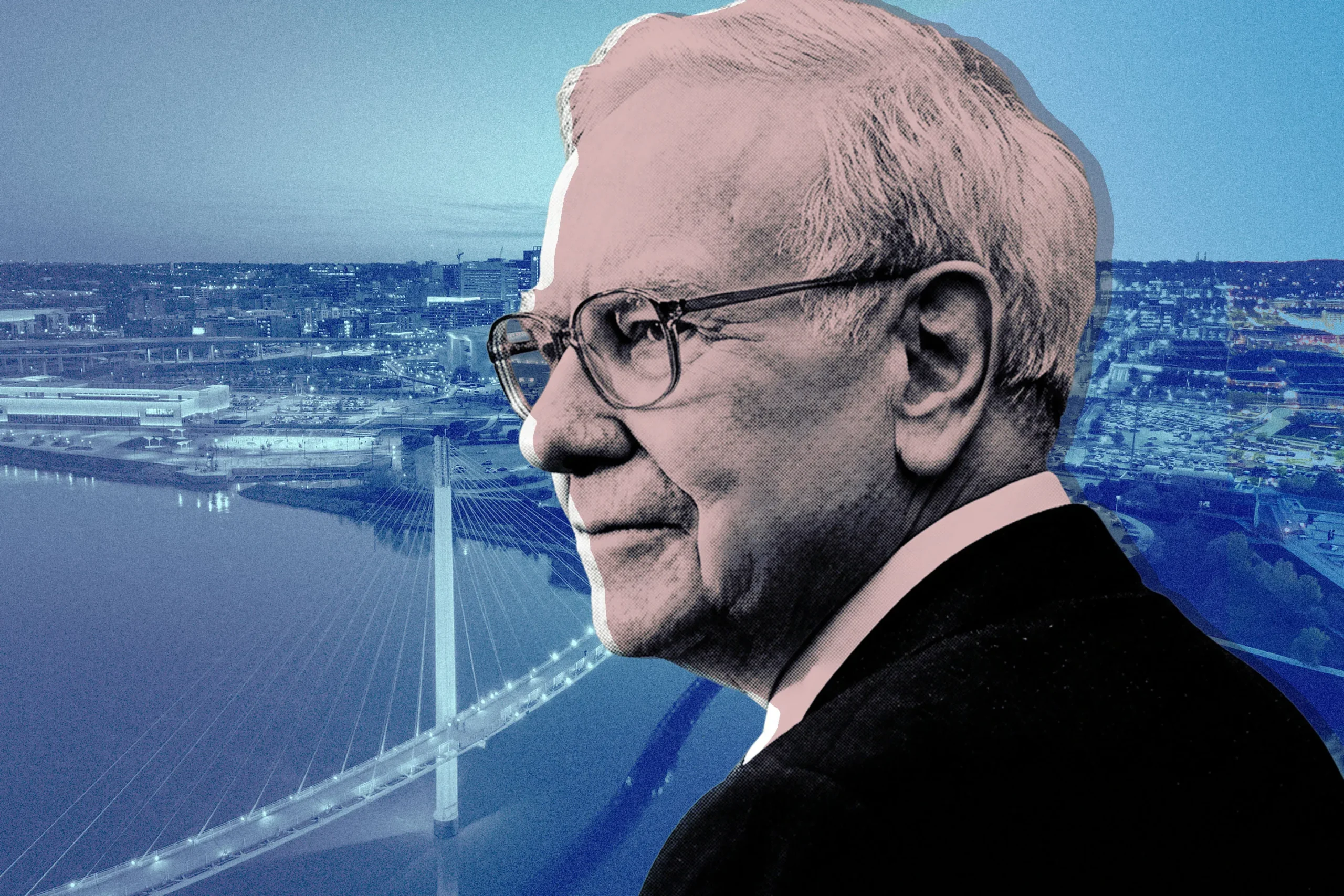
OMAHA, NE – Famed investor and former CEO Warren Buffett announced Friday, September 18, 2026, that he is stepping down as chairman of the Berkshire Hathaway board of directors, effective immediately, concluding a remarkable seven-decade run at the helm of the diversified conglomerate. The 96-year-old "Oracle of Omaha" confirmed the transition in a letter posted to the company’s website, stating, "The timing is right to complete the transition." He acknowledged the inexorable march of time, noting, "Father Time always wins. He has, however, been generous with me. He has given me the opportunity to see Berkshire reach a point where I am more confident than ever about what lies ahead." The move finalizes a carefully orchestrated succession plan that began with his relinquishment of the CEO role in 2025, underscoring the company’s commitment to continuity and stability as it navigates a future without its iconic founder in a direct leadership capacity.
A Legacy of Unparalleled Transformation
Buffett’s departure from the chairman role marks the culmination of an extraordinary career that saw him transform Berkshire Hathaway from a struggling textile mill into a trillion-dollar colossus, a testament to his unique investment philosophy and unwavering long-term vision. When Buffett took control of Berkshire Hathaway in 1965, it was a failing New England textile manufacturer. Through a series of astute acquisitions and strategic investments, he meticulously reshaped its identity, shedding its industrial past to build a sprawling empire encompassing diverse sectors from insurance and energy to manufacturing, retail, and consumer goods. Today, Berkshire’s nearly $300 billion investment portfolio includes significant, often controlling, stakes in some of the world’s most recognizable household names, such as American Express, Apple, Bank of America, Chevron, Coca-Cola, Geico, BNSF Railway, Dairy Queen, and See’s Candies. This diversification has shielded the company from economic downturns and allowed for consistent capital allocation across high-performing segments.
Under his unparalleled six-decade tenure as CEO, from 1965 until the end of 2025, Buffett’s "buy and hold" philosophy, coupled with a deep understanding of intrinsic value and a disciplined approach to capital allocation, yielded astonishing returns for shareholders. Together with his longtime intellectual partner and vice chairman, Charlie Munger, who passed away in 2023 at the age of 99, Buffett’s investing acumen delivered a compounded annual return of 19.7% to shareholders. This figure impressively outpaced the S&P 500’s average annual return over the same period, often by a significant margin, illustrating the superior performance of their strategy. Over the entirety of his 60-year leadership as CEO, Buffett’s stewardship resulted in an astonishing overall return of more than 5,000,000% for Berkshire Hathaway Class A shareholders, turning modest initial investments into generational wealth. The sheer scale of this achievement is difficult to overstate, positioning Berkshire Hathaway as one of the most successful investment vehicles in history.
The Phased Succession Plan: A New Era of Leadership
The transition of the chairman role follows a meticulously planned succession strategy designed to ensure the stability and continuity of Berkshire Hathaway. Buffett had previously stepped down as CEO at the end of 2025, passing the operational reins to Greg Abel, his longtime lieutenant and former head of Berkshire Hathaway Energy. Abel, 64, has been widely regarded as Buffett’s heir apparent for years, having demonstrated exceptional leadership and business acumen across various Berkshire subsidiaries. His appointment as CEO solidified the company’s operational leadership, allowing Buffett to focus on his chairman duties, particularly capital allocation and oversight, for a transitional period.
Now, with Buffett relinquishing the chairman role, his son, Howard Buffett, 71, will become the new chairman, in accordance with Berkshire’s established succession plan. Howard Buffett has served as a board member since 1993, accumulating decades of experience within the company’s governance structure. Crucially, Howard Buffett’s role is expected to be that of a non-executive chairman, primarily focused on safeguarding Berkshire’s unique culture, values, and ethical standards, rather than day-to-day operational or investment decisions. This distinction is vital, as it ensures that Greg Abel retains full authority over the conglomerate’s vast operational businesses and investment strategies, a role he has been steadily assuming since his promotion to Vice Chairman of Non-Insurance Operations in 2018. The clear delineation of responsibilities aims to maintain the philosophical underpinnings of Berkshire while empowering the next generation of leadership with executive authority.
The Oracle’s Enduring Philosophy and Investor Wisdom
Warren Buffett famously eschewed the idea of a traditional retirement, once writing in the company’s 1991 shareholder letter that he planned to retire "about five to ten years after I die." This quip encapsulated his lifelong dedication to investing and his deep connection to Berkshire Hathaway. While he is stepping down from formal leadership positions, he will remain an integral part of the company as chairman emeritus and a board member, ensuring his continued counsel and institutional knowledge remain accessible.
Beyond his unparalleled financial achievements, Buffett’s legacy is deeply intertwined with his accessible wisdom and ethical approach to business. His annual letters to shareholders became required reading for investors worldwide, offering not just insights into Berkshire’s performance but also profound lessons on value investing, market psychology, corporate governance, and life itself. These letters, renowned for their clarity, wit, and candor, served as a masterclass in financial literacy for millions.
Equally iconic were Berkshire’s annual meetings in Omaha, dubbed "Woodstock for Capitalists." These gatherings drew tens of thousands of shareholders who flocked to hear Buffett and Munger dispense insights on a wide range of financial topics, often with plain-spoken humor and a pragmatic outlook. At these events, Buffett would answer shareholder questions for hours, addressing everything from market bubbles and economic forecasts to personal finance and ethical decision-making. His most memorable folksy quips on value, volatility, market bubbles, and personal finance have become iconic advice, shaping the investment strategies of a new generation of investors and cementing his status as one of history’s most influential financial thinkers. The continued existence of these forums, even with Buffett in a less prominent role, will be crucial for maintaining the unique bond between Berkshire and its shareholder base.
Market Reaction and Future Outlook
The announcement of Buffett’s full transition from executive leadership roles was largely anticipated, given his age and the gradual nature of the succession plan. Consequently, immediate market reaction is expected to be measured, reflecting confidence in the established leadership structure. Financial analysts and market observers have consistently praised Berkshire Hathaway’s proactive approach to succession, which contrasts sharply with many other founder-led companies that often face uncertainty upon their leader’s departure.
Analysts are likely to highlight several key factors in their assessment:
- Continuity of Investment Strategy: Greg Abel has been deeply involved in Berkshire’s capital allocation decisions for years, working closely with Buffett. The core investment philosophy, centered on value and long-term holding periods, is expected to persist under Abel’s leadership, supported by a seasoned team of investment managers like Todd Combs and Ted Weschler.
- Stability of Operations: Berkshire’s diverse portfolio of wholly-owned businesses, managed by experienced executives, is designed to operate autonomously. The strength of these underlying businesses provides a robust foundation independent of top-level leadership changes.
- Governance Oversight: Howard Buffett’s role as non-executive chairman is critical for maintaining the company’s distinct culture and ensuring that ethical considerations remain paramount in decision-making, a cornerstone of Warren Buffett’s philosophy.
- Transparency and Trust: The transparency with which Buffett has communicated his succession plans over the years has built immense trust among shareholders, minimizing the potential for disruptive speculation.
While the "Buffett premium"—the perceived added value investors assign to Berkshire Hathaway due to Buffett’s personal touch—may gradually diminish over time, the fundamental value of the conglomerate’s assets and its proven business model are expected to sustain its long-term appeal. The company’s massive cash reserves and its reputation for financial prudence position it well for future opportunities, even in challenging economic environments.
Beyond the Boardroom: Philanthropy and Broader Influence
Warren Buffett’s influence extends far beyond the financial markets. His commitment to philanthropy, particularly through his pledge to donate the vast majority of his wealth to charitable causes, most notably the Bill & Melinda Gates Foundation, has set a precedent for wealth distribution among the super-rich. This commitment ensures that his financial legacy will continue to impact global health, poverty reduction, and educational initiatives for decades to come.
His plain-spoken advice, often delivered with a folksy charm, has resonated with individuals from all walks of life, transcending the confines of finance. He has been a vocal advocate for rational decision-making, ethical conduct, and long-term thinking, principles that apply equally to personal finance, business management, and societal challenges. His impact on how people think about money, investing, and responsibility is immeasurable.
In conclusion, Warren Buffett’s decision to step down as chairman of Berkshire Hathaway marks the end of an extraordinary era of direct leadership but not the end of his profound influence. His meticulously planned succession ensures that the principles and operational strengths he built will continue to guide the company. As Berkshire Hathaway moves forward under new formal leadership, the enduring legacy of the "Oracle of Omaha" – his wisdom, his investment philosophy, and his commitment to ethical capitalism – will undoubtedly continue to inspire and shape the financial world for generations to come. The transition represents not a departure from the past, but rather a robust affirmation of a future built upon the rock-solid foundations he so carefully constructed.