Layla Zulfa
August’s new home sales experienced a modest rebound, indicating a degree of resilience in the housing market. However, this uptick was not without its considerable challenges for homebuilders. Data released by the U.S. Census Bureau on Thursday revealed that sales of newly built single-family homes rose by 6.4% from July. Despite this month-over-month gain, sales remained 2.0% below their pace of a year ago. This trend underscores a critical paradox: while more transactions are occurring, it is demanding greater concessions from builders in terms of price reductions, buyer incentives, and innovative affordability solutions to coax potential buyers off the sidelines and into making the significant financial commitment of purchasing a new home.
The year-to-date sales figures continue to lag behind those of 2025, painting a picture of an uneven recovery. Compounding the issue, the median price of a new home sold in August experienced a notable decline, falling 5.8% compared to the same period in the previous year. This price correction is a direct consequence of builders’ strategic adjustments throughout much of 2026. Faced with persistent affordability hurdles, homebuilders have actively engaged in a multi-pronged approach: adjusting prices downwards, offering attractive mortgage rate buydowns, redesigning housing products to be more cost-effective, and shifting their focus toward lower price points. These measures appear to be effective in generating immediate sales transactions, but they have not yet translated into a widespread recovery of overall buyer demand.
The pressure to make housing more accessible is particularly acute for first-time homebuyers and those driven primarily by affordability concerns. However, this challenge is not limited to these demographic segments. Even buyers who have traditionally been more insulated from market fluctuations, such as active adults leveraging significant equity from previous home sales, are demonstrating increased deliberation in their purchasing decisions. This prolonged decision-making process necessitates that builders work more diligently across all price points to convert interested prospects into confirmed buyers.
The evolving sales mix is a clear indicator of the intensified focus on affordability. In August, the median new home sales price stood at $393,700. This figure represents a modest increase of 0.4% from July but a significant decrease of 5.8% when compared to August 2025. A telling trend is the increasing share of homes sold at lower price points. Homes priced below $300,000 constituted 22% of August sales, a proportion that has been steadily growing in recent months. Conversely, the share of homes selling at higher price points, specifically those exceeding $500,000, has seen a contraction. This shift reflects a market where value and monthly payment affordability are paramount considerations for a growing segment of the buyer pool.
Persistent Inventory and Builder Strategies
Homebuilders are also grappling with a substantial inventory of homes for sale. At the close of August, an estimated 483,000 new homes were on the market. At the current sales pace, this represents an 8.5-month supply. Of this total inventory, 112,000 homes were completed and ready for immediate occupancy. This standing inventory exerts continuous pressure on builders to secure buyers, even as many are strategically scaling back new construction starts. The figures suggest a delicate balancing act for the industry: maintaining sales momentum and moving existing inventory while simultaneously absorbing the financial costs associated with making monthly payments feasible for a constrained pool of potential buyers.
The median new home sale price of $393,700 in August, while up slightly from July, highlights the year-over-year price correction. Homes priced between $300,000 and $499,999 represented half of all new home sales, indicating a strong concentration in this mid-range segment. As previously noted, the 22% of sales below $300,000 signifies a growing demand for entry-level and more budget-friendly options. The 26% of sales above $500,000, while still substantial, reflects a segment of the market where buyers may be less sensitive to immediate affordability pressures or are seeking higher-end features. The upward trend in sales below $300,000 and the corresponding decrease in sales above $500,000 are crucial indicators of shifting market dynamics.
Regionally, the South continues to be a dominant force in new home sales, accounting for approximately 66% of all recorded transactions in August. This regional strength is likely attributable to a combination of factors, including more favorable price points in many Southern markets, a generally more robust population growth, and potentially less stringent regulatory environments compared to other parts of the country.
The months’ supply of new homes, at 8.5 months, remained unchanged from a year ago. This stability in supply, despite ongoing efforts by builders to reduce it, is a direct result of their proactive stance in pulling back on new construction. This strategic slowdown aims to prevent an oversupply that could further depress prices and prolong market recovery.
The Intensified Effort for Each Sale
A growing consensus among public and private homebuilders points to a persistent caution among buyers. A confluence of factors is contributing to this hesitant market sentiment. High mortgage rates, which have remained stubbornly elevated, are a primary deterrent. This is compounded by broader economic instability, geopolitical uncertainties, concerns regarding the long-term impact of artificial intelligence on job security, and the recent rise in gasoline prices. These elements collectively contribute to a climate where potential buyers are increasingly reluctant to commit to one of the largest financial decisions of their lives.
Industry leaders have publicly acknowledged these challenges. Executives from major homebuilders like Lennar and KB Home, both prominent players in HousingWire’s Homebuilder Rankings, have reported that the difficult market conditions that emerged in the spring and early summer of 2026 have persisted, and in some cases, intensified as the year progressed. They cited inflation, the sustained high level of mortgage rates, ongoing geopolitical conflicts, and heightened competition from the resale market as key contributing factors. For many prospective buyers, the inability to qualify for a mortgage due to stringent lending standards or the prolonged time it takes to secure financing as they await potential rate reductions are significant hurdles.
Lennar President and CEO Stuart Miller articulated this sentiment during the company’s recent earnings call, stating, "When families are paying more at the pump and more for electricity, their willingness to make the largest financial commitment of their lives moderates, even when their underlying desire to own has not changed at all." This statement effectively captures the tension between the enduring aspiration for homeownership and the immediate financial pressures that temper purchasing power.
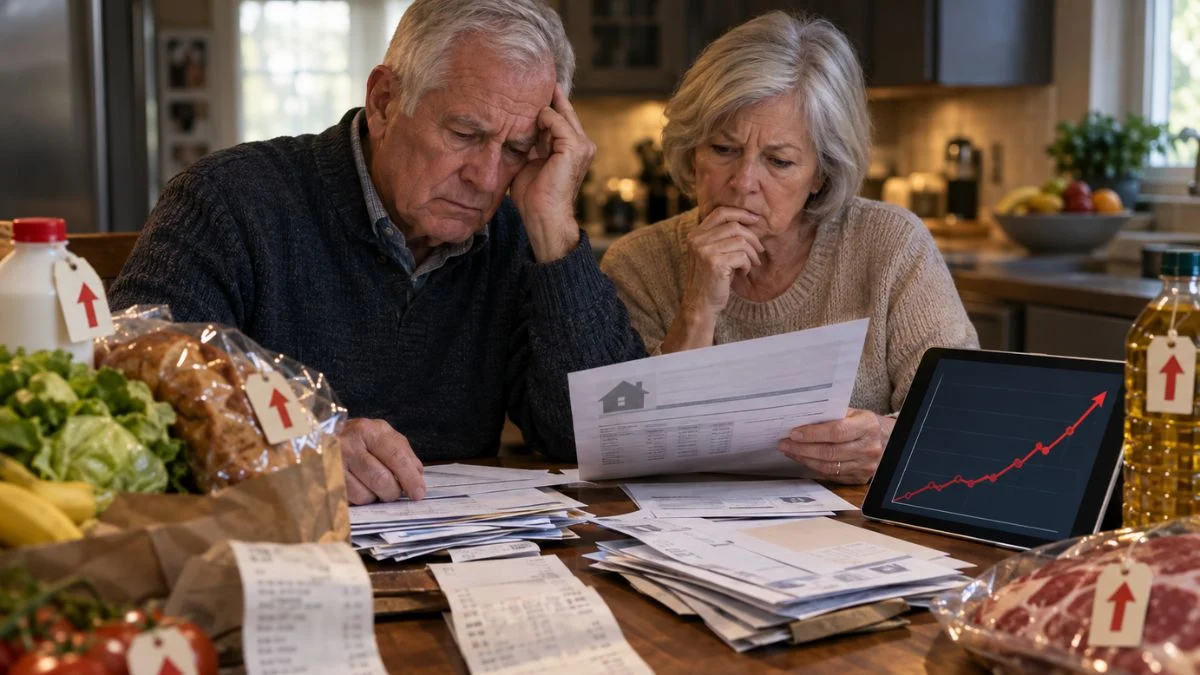
First American Senior Economist Sam Williamson echoed this observation, emphasizing that this buyer hesitancy translates into a necessity for builders to "work harder for every sale." This intensified effort manifests in aggressive pricing strategies and the widespread use of incentives. According to Cotality Chief Economist Selma Hepp, an estimated 80% to 90% of new home sales now necessitate mortgage rate buydowns. "Homebuilders have become increasingly aggressive in using price cuts, mortgage rate buydowns and other incentives to attract buyers, effectively shifting homes from ‘for sale’ to ‘on sale’," Hepp remarked.
However, even these substantial incentives are not always sufficient to bridge the affordability gap. Lennar reported that approximately 50% of prospective buyers visiting their communities in the last quarter were unable to qualify for a mortgage, despite the company’s average sales price falling by 3% compared to the previous year. This statistic underscores the profound affordability constraints impacting a significant portion of the market, particularly those who are aspiring first-time homebuyers.
The challenge of accumulating a sufficient down payment also remains a substantial barrier for many prospective buyers. A recent report from Realtor.com highlighted that the average down payment made by homebuyers has fallen to $27,100, the lowest level recorded in five years. This indicates that buyers are making smaller down payments, likely to mitigate the upfront cash outlay required for a purchase.
Further illustrating the affordability crisis, former Zillow Senior Economist Orphe Divounguy reported that a median-income U.S. household would require approximately $159,100 in cash at closing to purchase a median-priced home while keeping monthly housing costs below the recommended 28% of gross income. This figure is a stark fourfold increase compared to what was needed in 2020, underscoring the dramatic erosion of purchasing power over a relatively short period.
Factors Influencing a Buyer Rebound
The decision to purchase a home is inherently a complex interplay of emotional and financial considerations. Prospective buyers need to feel a sense of confidence that the timing is right for such a significant investment. In the current environment, marked by ongoing international conflicts, a volatile mortgage rate landscape, and pervasive economic uncertainty, many individuals are adopting a wait-and-see approach, anticipating a period of greater stability before making a move.
For demand to rebound meaningfully, builders and market analysts agree that affordability and purchasing power must see substantial improvement. If mortgage rates continue to hover at elevated levels, as widely expected, consumers will require relief from other economic pressures. This could manifest as moderating inflation, a sustained decrease in gasoline prices, or more robust wage growth that outpaces the cost of living.
Consumer confidence, which remains subdued, particularly when contrasted with pre-pandemic levels, is often cited as one of the most potent indicators to monitor for a potential shift in housing market sentiment. A significant boost in consumer optimism could serve as a catalyst for increased housing demand.
KB Home Executive Chairman Jeffrey Mezger expressed this sentiment during the company’s recent earnings call, stating, "I think if you get a little jolt of consumer confidence, you’ll see a lift in housing demand." He elaborated on the underlying interest from potential buyers, noting, "The people are out there. Our traffic is down, but it is down by an order of magnitude, about 10%. So there are a lot of people out still looking for homes. They’re just cautious. And there’s a lot of things going on right now that they’re trying to digest. But if they feel better about where things are headed, I think you’ll see demand come right back." This perspective suggests that the desire to own a home remains strong, but the current economic climate is a significant impediment to converting that desire into action. The path forward for the new home market will likely depend on a delicate recalibration of prices, continued innovation in affordability solutions, and a broader improvement in the economic outlook that fosters greater consumer confidence.