admin
admin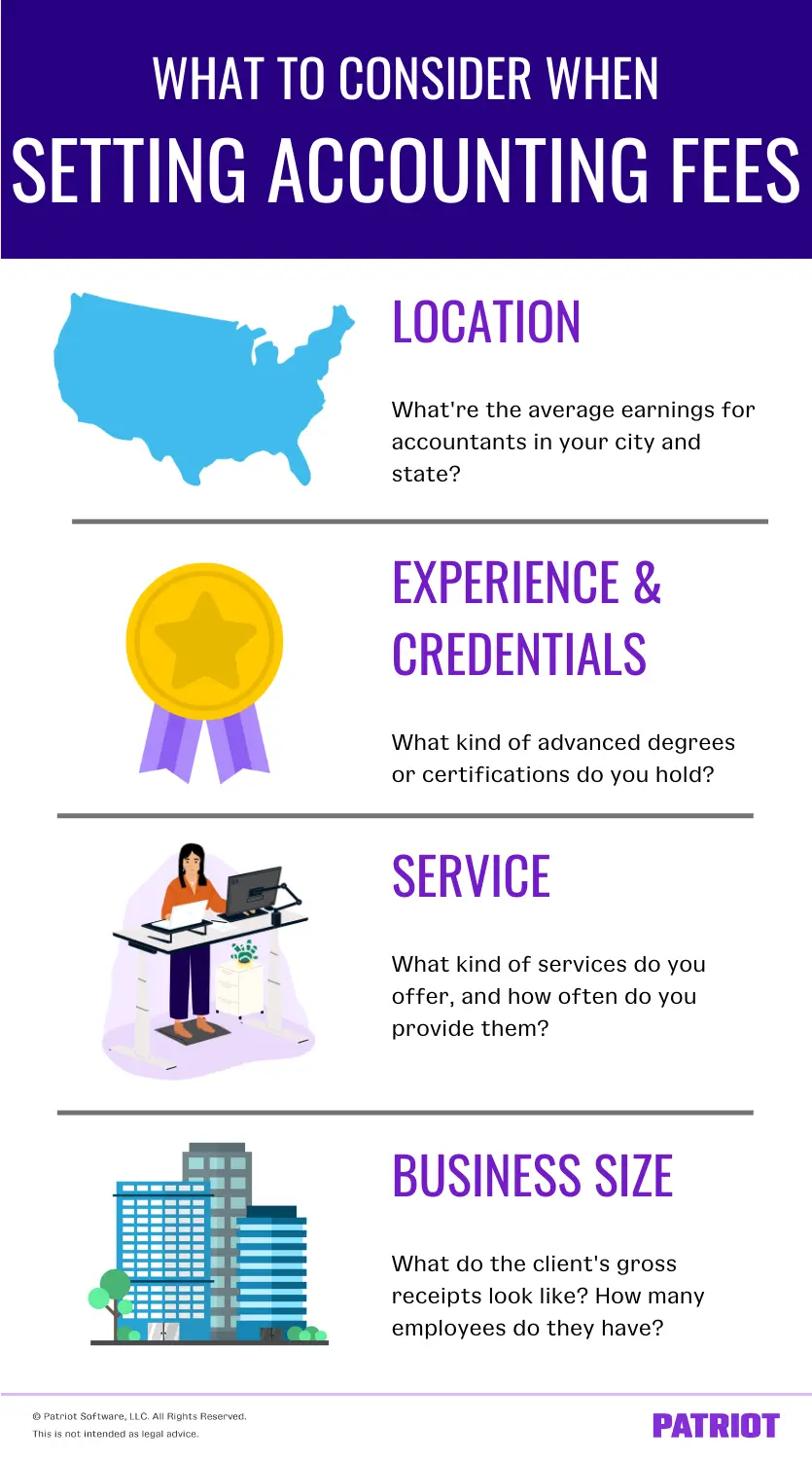
Setting appropriate accounting service rates is a foundational challenge for both nascent firms and established practices seeking to update their fee structures. This critical decision transcends simple arithmetic; it is a strategic balancing act that dictates client acquisition, retention, and ultimately, the financial health of the accounting practice. Overpricing risks alienating potential clients and driving them towards competitors, while underpricing undermines profitability, devalues expertise, and jeopardizes the firm’s long-term sustainability. The dynamic nature of the accounting profession, influenced by evolving regulations, technological advancements, and shifting client expectations, necessitates a nuanced approach to pricing that considers multiple variables beyond mere cost recovery.
The Evolving Landscape of Accounting Pricing Models
Historically, hourly billing was the predominant model for accounting services, reflecting the direct correlation between time spent and fees charged. While still prevalent, particularly for ad-hoc or unpredictable engagements, the industry has witnessed a gradual shift towards more value-centric and predictable pricing structures. This evolution is driven by clients’ desire for transparency, budget certainty, and a clear understanding of the value proposition, rather than just the time input. Accountants today often employ a hybrid approach or specialize in one of several key pricing models:
- Hourly Rates: This traditional model charges clients based on the actual time spent on their engagement, multiplied by a predetermined hourly rate. It offers flexibility for unforeseen complexities but can lead to client dissatisfaction if hours accumulate unexpectedly. Average hourly rates for independent accountants and CPAs can range significantly, typically from $75 to $300+ per hour, depending on factors like location, experience, and service complexity. For specialized services or highly experienced CPAs in major metropolitan areas, rates can exceed $400 per hour.
- Fixed or Flat Fees: Increasingly popular, this model involves quoting a single, all-inclusive price for a defined scope of work, such as annual tax preparation, monthly bookkeeping, or specific audit engagements. Fixed fees provide transparency and predictability for clients but require accountants to accurately estimate the scope and time commitment to avoid undercharging. This model is particularly effective for recurring, standardized services. For instance, basic individual tax returns might range from $200 to $800, while small business tax returns could be $500 to $2,500+, depending on complexity.
- Value-Based Pricing: This advanced model prices services based on the perceived value delivered to the client, rather than the time or effort expended. It focuses on the outcomes and benefits the client receives (e.g., tax savings, improved financial clarity, business growth) and can command higher fees, especially for advisory or strategic consulting services. This model requires a deep understanding of the client’s business and challenges.
- Retainer or Subscription-Based Fees: Similar to fixed fees but typically for ongoing, bundled services, this model charges a recurring fee (e.g., monthly, quarterly) for a package of services. It provides stable revenue for the accounting firm and continuous support for the client, fostering long-term relationships. This model is common for outsourced CFO services, comprehensive bookkeeping, or ongoing tax planning, with monthly retainers ranging from $500 to $5,000+, depending on the breadth and depth of services.
- Tiered Pricing: Firms often offer different service packages at varying price points, allowing clients to choose the level of service that best fits their needs and budget. This model combines elements of fixed and subscription pricing, providing flexibility and catering to a wider client base.
The choice of pricing structure is a strategic decision influenced by the nature of the service, the client relationship, and the firm’s operational model. A blend of these approaches often provides the most robust and adaptable pricing strategy.
Average Accounting Fees and Earnings: A Snapshot of the Market
Understanding market averages is a crucial starting point for any accountant establishing or revising their fee schedule. However, it’s imperative to recognize that these figures represent broad benchmarks and actual charges can vary significantly. According to data from the U.S. Bureau of Labor Statistics (BLS), the median annual salary for accountants and auditors was approximately $78,000 as of May 2023, with the top 10% earning over $132,000. For self-employed accountants or partners in firms, earnings can be considerably higher, reflecting the direct correlation between client fees and personal income.
When delving into specific service types, the fee landscape diversifies further:
- Bookkeeping Services: For basic monthly bookkeeping, small businesses can expect to pay anywhere from $200 to $1,000 per month, depending on the volume of transactions and required reconciliations. More comprehensive services, including accounts payable/receivable management, might push these figures higher.
- Tax Preparation (Individuals): A simple W-2 income tax return without itemized deductions might cost $150-$300. Returns with itemized deductions, investments, or rental properties could range from $300-$800. Complex returns involving multiple income streams, foreign assets, or business income can easily exceed $1,000.
- Tax Preparation (Businesses): For small businesses (e.g., S-Corps, LLCs, Partnerships), annual tax preparation typically ranges from $500 to $2,500, but can go much higher for larger or more complex entities.
- Payroll Services: Outsourced payroll services often charge a base fee plus a per-employee fee. A common structure might be $50-$100 per month base fee plus $5-$10 per employee, per pay period.
- Financial Consulting/Advisory: These services, which often involve strategic planning, forensic accounting, or business valuation, are typically charged at higher hourly rates or substantial fixed project fees, often starting at $150-$250 per hour and scaling upward based on expertise and impact. Project fees can easily run into thousands or tens of thousands of dollars.
- Audit Services: For small to medium-sized businesses, an annual financial audit can range from $5,000 to $25,000+, depending on the size and complexity of the organization, industry regulations, and the extent of internal controls testing required.
These figures underscore the wide variance in professional fees, which are intricately tied to a confluence of factors unique to each accounting firm and client engagement.
Four Critical Factors Influencing Accounting Fees
While national averages provide a useful baseline, a robust pricing strategy must incorporate specific variables that directly impact service delivery costs and perceived value. Disregarding these factors risks mispricing services, leading to either lost opportunities or diminished profitability.

-
Location: The geographic location of the accounting firm and its client base significantly influences fee structures. Operating costs, including rent, utilities, and employee salaries, vary widely by region. Consequently, accounting services in major metropolitan areas with a high cost of living (e.g., New York City, San Francisco, Los Angeles) command higher rates than those in rural or less expensive urban centers. For instance, Indeed.com reports that an accountant in Los Angeles, CA, earns an average of $78,530 annually, significantly higher than the $68,627 average in Houston, TX. Firms offering virtual services must also consider the client’s location, as clients in high-cost areas may expect to pay more, while those in lower-cost areas might seek more competitive pricing. Researching local market rates and competitor pricing is essential for setting location-appropriate fees.
-
Experience and Credentials: The depth of an accountant’s experience, their educational background, and professional certifications directly correlate with their perceived expertise and, consequently, their billing rates. A newly licensed CPA will typically charge less than a veteran CPA with decades of experience handling complex corporate taxation or international finance. Advanced degrees (e.g., MBA, Master of Science in Taxation) and specialized certifications suchations like Certified Public Accountant (CPA), Certified Management Accountant (CMA), Certified Fraud Examiner (CFE), or Personal Financial Specialist (PFS) signify a higher level of knowledge and competence. These credentials build trust and credibility, allowing practitioners to justify premium pricing. Clients are often willing to pay more for proven expertise that can mitigate risks, ensure compliance, or unlock significant financial benefits. Firms should prominently feature their team’s qualifications in their marketing efforts to underscore their value proposition.
-
Scope and Complexity of Services: The specific types of services offered and their inherent complexity are primary drivers of accounting fees. Routine bookkeeping or basic individual tax preparation typically commands lower fees than intricate tax planning, forensic accounting, complex financial audits, or specialized consulting engagements. Services requiring in-depth analysis, extensive research, specialized software, or significant risk assessment naturally warrant higher compensation.
- Routine vs. Advisory: Compliance-based services (e.g., tax preparation, basic bookkeeping) are often more commoditized than advisory services (e.g., business valuation, M&A due diligence, strategic financial planning), which deliver higher perceived value and demand premium rates.
- Frequency and Urgency: Recurring services (e.g., monthly bookkeeping, quarterly payroll) may be offered at a lower per-unit cost than one-time engagements. Similarly, rush jobs or last-minute requests, especially during peak seasons like tax time, often incur premium charges due to the disruption they cause to workflow and resource allocation.
- Industry Specialization: Accountants specializing in niche industries (e.g., healthcare, real estate, technology, non-profits) can charge more due to their specialized knowledge of industry-specific regulations, challenges, and opportunities.
-
Client Business Size and Complexity: The size and operational complexity of a client’s business profoundly impact the effort and resources required from an accounting firm. A sole proprietorship with minimal transactions will naturally incur lower fees than a rapidly growing mid-sized corporation with multiple entities, international operations, hundreds of employees, and complex financial reporting requirements. Factors to consider include:
- Transaction Volume: Higher volumes of sales, purchases, and bank reconciliations increase bookkeeping and reconciliation efforts.
- Number of Employees: Directly impacts payroll processing complexity, compliance requirements, and benefits administration.
- Industry and Regulatory Environment: Highly regulated industries (e.g., financial services, pharmaceuticals) demand more specialized expertise and meticulous compliance, driving up costs.
- Financial Structure: Businesses with complex capital structures, multiple revenue streams, diverse investments, or international components require more sophisticated accounting and tax strategies.
- Organizational Structure: Multi-entity businesses, consolidations, and intricate ownership structures add layers of complexity to financial reporting and tax planning.
Many firms categorize clients into tiers (e.g., small, medium, large business) with corresponding service packages and fee schedules to reflect these variations.
Strategic Fee-Setting Tips for Accountants
Developing a sound pricing strategy is an iterative process that requires careful consideration, market research, and a clear understanding of one’s own value proposition.
- Understand Your Costs: Before setting prices, thoroughly calculate your overhead (rent, software, salaries, marketing, insurance, professional development) and determine your desired profit margin. This ensures that your fees cover expenses and contribute to sustainable growth.
- Conduct Market Research: Investigate what competitors in your geographic area and service niche are charging. Look at local firms, regional players, and national averages. Online platforms, industry surveys, and networking can provide valuable insights.
- Define Your Value Proposition: Clearly articulate the unique benefits and outcomes you provide to clients. Do you save them money, reduce their stress, help them grow, or ensure compliance? Highlight these advantages in your client communications to justify your fees.
- Consider Your Target Market: Are you aiming for small businesses, high-net-worth individuals, specific industries, or rapidly growing startups? Your pricing should align with the budget and expectations of your ideal client base.
- Offer Flexible Pricing Options: Provide clients with choices, such as tiered packages (basic, standard, premium), bundled services, or retainer options. This caters to diverse needs and budgets, increasing conversion rates.
- Articulate Your Pricing Clearly: Be transparent about your fee structure and what is included in each service. Avoid hidden costs and ensure clients fully understand the scope of work before engagement.
- Review and Adjust Regularly: The market is dynamic. Periodically review your pricing strategy (at least annually) to ensure it remains competitive, profitable, and aligned with your evolving expertise and service offerings. Adjust for inflation, increased operational costs, and changes in market demand.
- Leverage Technology: Utilize accounting software, automation tools, and client portals to streamline processes, increase efficiency, and potentially offer more competitive rates or take on more clients without a proportional increase in costs. This can enhance your value proposition.
- Offer Free Consultations: Many firms offer initial consultations to prospective clients. This provides an opportunity to understand their needs, showcase your expertise, and articulate the value you can provide before discussing specific fees. It also helps in accurately scoping the project.
Broader Impact and Implications
The strategic setting of accounting fees has far-reaching implications for individual practitioners, accounting firms, and the broader economic landscape. For accountants, effective pricing is fundamental to achieving financial stability, attracting and retaining top talent (who expect competitive compensation), and investing in continuous professional development and technology. Firms that consistently undervalue their services risk burnout, high turnover, and an inability to deliver high-quality, sustainable service.
For clients, transparent and value-aligned pricing fosters trust and allows them to make informed decisions about their financial partners. While cost is always a factor, businesses increasingly seek value, expertise, and a proactive approach that helps them navigate complex financial environments and achieve strategic goals. A clear understanding of accounting costs empowers clients to budget effectively and appreciate the return on investment from professional services.
The industry as a whole is witnessing a trend towards greater specialization, advisory services, and technology integration. Pricing models are adapting to reflect this shift, moving away from purely time-based billing towards models that emphasize outcomes, predictability, and ongoing relationships. As regulatory landscapes become more intricate and economic conditions fluctuate, the demand for skilled and strategically priced accounting services will only intensify, solidifying the accountant’s role as an indispensable business advisor. Continuously evaluating and refining pricing strategies is not just about maximizing profit; it’s about sustaining relevance, demonstrating value, and fostering long-term success in a competitive and evolving professional services market.