admin
admin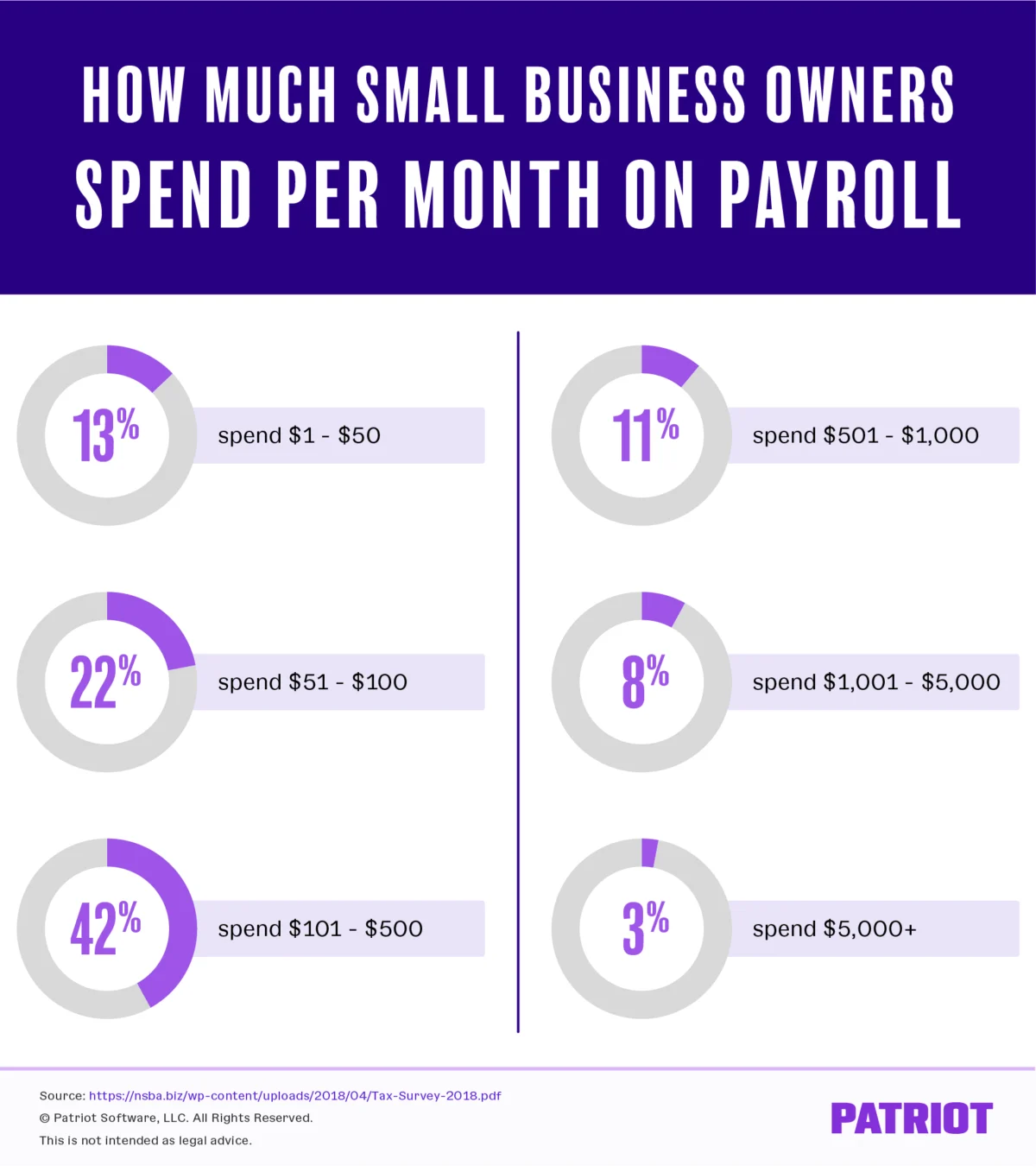
For any organization employing staff, establishing a robust and compliant system for payroll processing, tax withholding, and meticulous record-keeping is not merely an administrative task but a critical operational imperative. The financial outlay associated with this essential function is highly variable, ranging from a modest few dollars to several thousands per month, contingent on numerous factors. Businesses, particularly small and medium-sized enterprises (SMEs), frequently grapple with determining whether their current payroll expenditures are optimal or if a more cost-effective yet reliable process could be implemented. This comprehensive analysis delves into the multifaceted components that define payroll service costs, offering insights into pricing structures, contributing factors, and strategies for optimization.
The Foundational Elements of Payroll Costs
There is no singular, universal cost for payroll services. Instead, the expenditure is a dynamic figure influenced by the chosen method of payroll management, the number of employees, the complexity of the organizational structure, and the breadth of services required. Research consistently indicates that for small businesses utilizing software-based solutions, costs typically comprise a monthly base fee alongside a per-employee charge. These ranges commonly fall between $20 and $80 for the base fee, supplemented by $4 to $12 per employee per month. This pricing often scales with the inclusion of advanced features such as comprehensive tax filing, multi-state payroll support, and integrated human resources functionalities.
A pivotal study by the National Small Business Association (NSBA), detailed in their Small Business Taxation Survey, provided valuable insights into the actual spending patterns of small companies across diverse industries and localities. While specific numerical breakdowns from the original visual representation are not provided here, the survey underscored that a significant portion of small businesses allocate a considerable monthly sum to ensure accurate and compliant payroll operations, highlighting the widespread nature of this financial commitment.
Dissecting Total Payroll Expenditures: Beyond the Service Fee
It is crucial for businesses to understand that "payroll costs" extend far beyond the direct fees paid to a service provider or for software. The total payroll expenditure encompasses a broader spectrum of financial obligations. These include:
-
Employee Wages, Salaries, and Benefits: This constitutes the largest segment of overall payroll costs. It includes:
- Base Pay: Hourly wages, fixed salaries, commissions, and bonuses.
- Overtime: Legally mandated additional pay for hours worked beyond standard limits.
- Paid Time Off (PTO): Vacation, sick leave, and holiday pay.
- Benefits: Health insurance premiums (employer contribution), retirement plan contributions (e.g., 401(k) matching), life insurance, disability insurance, and other fringe benefits.
- Reimbursements: Travel, meal, or other work-related expenses reimbursed to employees.
- Severance Pay: Payments made to employees upon termination.
-
Payroll Taxes: Businesses bear significant responsibilities for both withholding employee taxes and paying employer taxes. These include:
- Employee Withholdings: Federal income tax, state income tax (where applicable), local income tax (where applicable), Social Security (6.2% of wages up to an annual limit), and Medicare (1.45% of all wages).
- Employer Taxes: Matching Social Security and Medicare contributions (FICA), Federal Unemployment Tax Act (FUTA, typically 0.6% on the first $7,000 of wages per employee), and State Unemployment Tax Act (SUTA), which varies significantly by state and employer history. These employer-paid taxes can substantially increase the overall financial burden and must be meticulously calculated and remitted to avoid penalties.
-
Administrative Costs (Payroll Services Cost): This category specifically covers the expense associated with the processing of payroll. This can manifest in several forms:
- Payroll Software Subscriptions: Monthly or annual fees for cloud-based or installed software.
- Professional Service Fees: Payments to accountants, bookkeepers, or Professional Employer Organizations (PEOs).
- Direct Deposit Fees: Transaction fees charged by banks or payment processors for electronic fund transfers.
- Check Printing Costs: Expense of blank check stock, printer ink, and potentially specialized software for check generation.
- Time Tracking Systems: Costs for hardware or software to record employee hours.
- Year-End Reporting Fees: Charges for generating W-2s, 1099s, and other annual tax documents.
- Compliance Support: Fees for services that ensure adherence to labor laws, minimum wage regulations, and tax code changes.
- Audit and Amendment Fees: Charges for correcting errors or undergoing payroll audits.
Factors Driving Payroll Service Costs: A Comparative Analysis of Methods
The method a business selects for payroll administration is the most significant determinant of its administrative costs. Three primary approaches are prevalent, each with distinct cost implications:
-
Hiring a Professional (Accountant, Bookkeeper, or PEO):
This option generally represents the highest administrative cost but offers the greatest peace of mind and frees up significant internal resources. When engaging a professional, businesses delegate the entire payroll function, from calculating wages and taxes to filing necessary reports.- Accountants/Bookkeepers: These professionals often charge based on an hourly rate, a fixed fee per pay period, a per-employee fee, or an annual retainer. Hourly rates for experienced payroll specialists can range from $50 to $200, while fixed monthly fees for a small business might be $100 to $500, depending on complexity and employee count. Key questions to ask include what services are bundled (e.g., tax filings, W-2/1099 generation), if year-end forms incur extra charges, and if there are additional fees for multi-state payroll, garnishments, or amendments.
- Professional Employer Organizations (PEOs): PEOs offer a co-employment model where they handle not only payroll but also HR, benefits administration, and compliance. This is typically the most expensive professional option, with costs often calculated as a percentage of total payroll (e.g., 2% to 12%) or a fixed per-employee per-month fee (e.g., $150 to $250 per employee). While costly, PEOs can provide access to better benefits packages and robust HR support that small businesses might not otherwise afford. Industry analysts suggest PEOs are particularly beneficial for rapidly growing businesses or those operating in multiple states with complex regulatory requirements, as they centralize compliance and reduce administrative burden significantly.
-
Managing Payroll Manually (DIY):
At first glance, performing payroll manually appears to be the most economical choice. However, this method carries substantial hidden costs and risks. It is the most time-consuming approach and highly susceptible to errors, which can lead to costly penalties from tax authorities, employee dissatisfaction, and even legal disputes.- Direct Financial Costs: While seemingly minimal, direct costs exist. For businesses offering direct deposit, transaction fees typically range from $1.50 to $1.90 per transfer, plus potential setup fees of $50 to $149. If paying by check, the cost of specialized check stock and printer ink adds up.
- Hidden Costs of Time and Risk: The most significant "cost" here is the time commitment required for calculations, record-keeping, tax form preparation, and staying abreast of constantly evolving tax laws and labor regulations. For a business owner, time spent on manual payroll is time taken away from core business operations, representing a substantial opportunity cost. Moreover, calculation errors can result in significant fines and penalties from the IRS or state tax agencies, potentially dwarfing any perceived savings from not using a paid service. Financial advisors consistently emphasize that the risk associated with manual payroll often outweighs the initial cost savings, particularly as a business grows.
-
Utilizing Payroll Software:
Software solutions offer a balanced middle ground, providing automation and compliance support at a more accessible price point than full-service professionals. The cost of payroll software varies based on:- Number of Employees: Most software models follow the base fee plus per-employee structure.
- Feature Set: Basic software handles calculations and direct deposit. Full-service options include automated tax filing, new-hire reporting, year-end forms, and integration with time tracking or accounting software.
- Payroll Frequency: Some providers charge per pay run, while others offer unlimited runs within a monthly fee.
- Tax Filing Services: Full-service payroll often includes automatic federal, state, and local tax filings and deposits, which is a significant value proposition.
- Direct Deposit: Many software packages include free direct deposit, eliminating per-transaction fees.
- Add-ons: Integrations with HR, benefits, or time and attendance systems can increase costs.
The market for payroll software is competitive, with providers like Patriot Payroll offering tiered solutions such as Basic Payroll (for businesses handling their own tax filings) and Full Service Payroll (where the provider manages all federal, state, and local tax filings and deposits). Businesses are advised to leverage free trials and avoid long-term contracts where possible to find the best fit.
Optimizing Payroll Costs: Strategic Approaches

Businesses can actively manage and reduce their payroll expenses without compromising accuracy or compliance. Key strategies include:
- Choose Unlimited Payroll Runs: If your business requires frequent payroll processing (e.g., weekly or bi-weekly), opt for software or services that offer unlimited payroll runs within a fixed monthly fee rather than charging per run.
- Bundle Services: Look for providers that bundle essential services like tax filing, year-end forms (W-2s, 1099s), and new-hire reporting into a single transparent price. Unbundled services can lead to unexpected add-on fees.
- Utilize Free Direct Deposit: Many modern payroll software solutions offer free direct deposit. This can significantly reduce costs compared to manual check printing or per-transaction direct deposit fees.
- Avoid Long-Term Contracts: Flexibility is key. Opt for month-to-month contracts where possible, allowing you to switch providers if your needs change or if you find a more cost-effective solution.
- Audit Add-ons: Regularly review your payroll service plan to ensure you are not paying for features or add-ons that your business no longer uses or genuinely needs.
- Right-Size Your Solution: A solo entrepreneur’s needs differ vastly from a 50-person company. Select a solution that matches your current employee count and complexity, with scalability options as you grow.
- Negotiate (for larger businesses): If you have a substantial number of employees, some professional payroll services or PEOs may be open to negotiating rates.
The Broader Implications: Compliance, Scalability, and Strategic Focus
The choice of payroll system extends beyond mere cost; it has profound implications for a business’s operational efficiency, compliance posture, and ability to scale.
- Compliance Risk: Inaccurate or untimely payroll processing can lead to severe penalties from regulatory bodies. The IRS assesses penalties for late or incorrect tax deposits, failure to file on time, and errors on forms. State labor departments also enforce strict rules regarding wage payments, overtime, and record-keeping. A reliable payroll system is a cornerstone of compliance.
- Scalability: As a business grows, its payroll needs become more complex. An initially inexpensive manual system quickly becomes unsustainable. Software solutions or professional services designed for growth can seamlessly accommodate an increasing workforce, multi-state operations, and evolving benefits structures without significant operational disruption.
- Strategic Focus: By outsourcing or automating payroll, business owners and managers can reallocate valuable time and resources from administrative tasks to core business activities like product development, sales, and customer service. This shift can be a significant driver of innovation and growth. HR consultants often highlight that freeing up internal resources from repetitive payroll tasks allows them to focus on strategic initiatives such as talent management and employee engagement, which directly impact long-term business success.
Calculating Total Payroll Costs: A Practical Example
To illustrate the calculation of total payroll costs, consider a simplified example:
A business has one employee earning a $40,000 annual salary.
- Employee Wages: $40,000
- Benefits (e.g., health insurance, 401(k) match): $8,500
- Employer Taxes (FICA match, FUTA, SUTA): $3,669 (estimate)
- Administrative Costs (Payroll software, $42/month): $504 annually
Total Payroll Costs = Employee Wages + Benefits + Employer Taxes + Administrative Costs
Total Payroll Costs = $40,000 + $8,500 + $3,669 + $504
Total Payroll Costs = $52,673
This example clearly demonstrates how administrative costs, while a small fraction of the total, are just one piece of the larger payroll financial puzzle.
Frequently Asked Questions (FAQs) on Payroll Service Costs
-
What is the average cost of payroll services for small businesses?
Many small businesses typically pay a base fee of $20-$80 per month plus $4-$12 per employee per month for software-based payroll solutions. Actual costs vary based on included features (e.g., tax filing), employee headcount, and the number of states employees are located in. -
What’s the cheapest way to run payroll?
Managing payroll manually (DIY) appears cheapest on paper, but it carries substantial risks of costly errors and a significant drain on time. For most small teams, a budget-friendly payroll software solution offers the optimal balance between cost and benefits, mitigating risks while providing efficiency. -
Which fees should I watch out for?
Be vigilant for per-pay-run charges, additional fees for year-end W-2/1099 generation, charges for same-day direct deposits, multi-state filing fees, garnishment processing fees, new-hire reporting fees, and initial setup or onboarding charges. Transparency in pricing is paramount. -
Are payroll service fees tax-deductible?
Generally, yes. Payroll processing fees are considered ordinary and necessary business expenses, making them tax-deductible. However, businesses should always consult with a tax advisor for specific guidance pertaining to their unique situation. -
How can I reduce payroll expenses?
To optimize payroll costs, consider choosing plans with unlimited payroll runs, bundling tax filing services, utilizing free direct deposit options, avoiding long-term contracts, and regularly auditing your add-ons to ensure they are still necessary. -
How do software vs. accountant costs compare?
Payroll software typically involves lower recurring costs and offers self-service convenience. Accountants and Professional Employer Organizations (PEOs) are generally more expensive but provide hands-on support and expert guidance, making them suitable for businesses with complex, multi-state operations, or those experiencing rapid growth.
Conclusion: A Strategic Investment
Assessing payroll service costs requires a holistic understanding of all contributing factors, from direct wages and benefits to employer taxes and administrative fees. The number of employees, the desired level of service (DIY, software, professional), and the complexity of regulatory compliance significantly influence the final expenditure. Rather than viewing payroll as a mere expense, businesses should consider it a strategic investment in compliance, efficiency, and employee satisfaction. Diligent research and careful comparison of options are essential to select a payroll solution that aligns with both budgetary constraints and long-term business objectives.