Julia Chirkova
New York, NY – U.S. companies signaled a period of significant caution in the labor market during September, announcing the lowest number of job cuts for the month since 2022. According to data released by the outplacement firm Challenger, Gray & Christmas Inc., employers initiated 43,281 layoffs last month, representing a nearly 20% decrease compared to the same period in the previous year. This trend contributes to a broader narrative of reduced staffing reductions, with planned workforce adjustments down by almost 40% year-to-date when compared to the first nine months of 2025.
However, the report also paints a picture of subdued hiring intentions. September, typically a month when businesses begin to ramp up their workforce in anticipation of the crucial holiday shopping season, saw employers announce plans to add only 90,787 workers. This figure marks the weakest September hiring intentions recorded since 2011, underscoring a prevailing wait-and-see approach among businesses.
Andy Challenger, Chief Revenue Officer at Challenger, Gray & Christmas, elaborated on the sentiment driving these trends. "Companies are in a wait-and-see period right now," he stated in a release accompanying the data. "Employers are facing high energy costs, an uncertain war in Iran, a rate hike that could make hiring more expensive, plus the likelihood of surging healthcare costs." This confluence of economic pressures appears to be tempering both the willingness to let go of existing staff and the enthusiasm for bringing on new employees.
While overall hiring intentions have seen a modest increase of 3% year-to-date compared to the same period in 2025, the lack of a significant surge typically associated with the holiday season indicates a strategic recalibration by employers. "Hiring plans are up over the year, but we’re not seeing the surge of hiring plans that come with the holiday season, which suggests a very cautious approach," Challenger added.
Labor Market Stability Characterized by Limited Layoffs and Moderate Hiring
The data from Challenger, Gray & Christmas offers a snapshot of a labor market exhibiting a notable degree of steadiness. The constrained layoff activity, coupled with a moderate pace of hiring, suggests that while companies are not aggressively expanding, they are also hesitant to significantly downsize their existing workforces. This equilibrium is expected to be reflected in upcoming government labor reports.
The U.S. Bureau of Labor Statistics’ monthly jobs report, due Friday, is projected to show the unemployment rate holding steady at 4.1% in September. Payrolls are anticipated to increase by approximately 90,000 jobs. This projected gain, while not indicative of explosive growth, represents a solid, albeit not record-breaking, increase, following the second-largest monthly rise observed since 2024. The consistent, moderate job creation, combined with low layoff numbers, points to a resilient but not overheated labor market.
Key Drivers of Job Cuts and the Growing Influence of AI
Digging deeper into the reasons behind the announced job cuts, the Challenger report identified "market and economic conditions" as the primary driver for layoffs in September. This broad category often encompasses factors such as inflation, consumer demand fluctuations, and broader economic uncertainty.
However, when examining the year-to-date data, a more specific and increasingly prominent factor emerges: artificial intelligence (AI). So far in 2026, AI has been cited as the most frequent reason for planned dismissals, accounting for approximately 21% of all announced job cuts. This statistic highlights a significant technological shift occurring within various industries, where automation and AI-driven efficiencies are beginning to reshape staffing needs.
Economic and Geopolitical Factors Shaping Business Decisions
The prevailing cautious sentiment among U.S. companies is not without cause. Several significant economic and geopolitical factors are contributing to the "wait-and-see" approach observed in the labor market.
High Energy Costs: Fluctuations and persistent high costs in energy markets can significantly impact operational expenses for businesses across various sectors, from manufacturing and transportation to retail. This uncertainty can lead companies to defer expansion plans or hiring decisions until energy prices stabilize.
Geopolitical Instability: The mention of an "uncertain war in Iran" points to the broader global geopolitical landscape as a source of concern. International conflicts and tensions can disrupt supply chains, impact international trade, and create broader economic uncertainty, prompting businesses to adopt a more conservative stance.
Interest Rate Environment: The possibility of further interest rate hikes by the Federal Reserve, as indicated by Andy Challenger, is a critical factor. Higher interest rates increase the cost of borrowing, making it more expensive for companies to finance new projects, investments, or even ongoing operations. This can directly influence hiring decisions, as expanding the workforce often requires capital investment.
Rising Healthcare Costs: The increasing burden of healthcare costs for employers is another significant factor. As healthcare premiums and expenses continue to climb, companies may find themselves re-evaluating their overall compensation packages and benefits, which can indirectly affect hiring budgets and strategies.
Historical Context and Projections
To fully appreciate the significance of the September 2026 data, it’s useful to consider the historical context. The last time September saw fewer job cuts was in 2022. This suggests that while the current period reflects a slowdown in layoffs compared to the immediate post-pandemic recovery, it doesn’t necessarily indicate a return to pre-pandemic layoff levels.
The muted hiring intentions in September are particularly noteworthy. Historically, September is a crucial month for retailers and other consumer-facing businesses to build up their seasonal workforces. The fact that hiring plans are the weakest since 2011 suggests that businesses are either anticipating lower consumer spending during the holiday season, or they are opting for more agile staffing models that rely less on large, upfront hiring.
Industry-Specific Trends and the AI Impact
While the Challenger report provides an aggregate view, specific industries may be experiencing different labor market dynamics. The pervasive influence of AI as a driver of job cuts suggests that sectors heavily reliant on routine tasks or data processing are likely to see the most significant impact. This could include areas within technology, customer service, finance, and even some aspects of manufacturing.
The rise of AI in workforce reduction is a complex phenomenon. While it leads to job displacement in some roles, it also creates new opportunities in areas such as AI development, maintenance, and ethical oversight. However, the immediate impact highlighted by the Challenger data is the potential for significant job cuts in roles that can be automated or augmented by AI.
Broader Implications for the Economy and Workforce
The trends observed in September have several broader implications for the U.S. economy and its workforce.
Reduced Consumer Spending: Weak hiring intentions could translate into slower wage growth and potentially less disposable income for a segment of the population, which could, in turn, dampen consumer spending. This could create a feedback loop, further reinforcing the cautious approach of businesses.
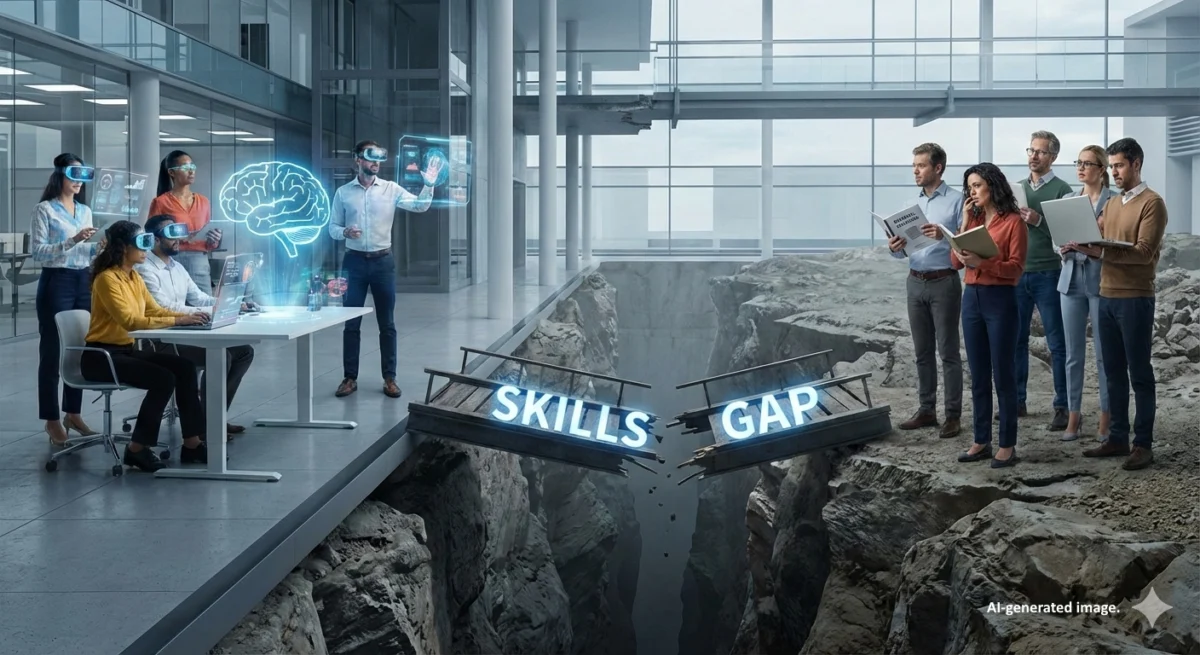
Skills Gap and Retraining Needs: The increasing role of AI in driving job cuts underscores the growing importance of adapting to technological advancements. This highlights the need for robust retraining and upskilling programs to help workers transition into new roles and industries that are emerging or growing in the AI-driven economy.
Labor Market Resilience: Despite the cautious outlook, the low number of layoffs suggests that the underlying labor market remains relatively resilient. Companies appear hesitant to shed workers, indicating a belief in the long-term demand for labor, even if short-term expansion is being deferred.
Inflationary Pressures: While not explicitly stated as a primary driver of layoffs, persistent inflation, which contributes to high energy and potentially healthcare costs, remains a significant economic concern. The Federal Reserve’s response to inflation through interest rate adjustments will continue to be a key factor influencing business investment and hiring decisions.
Outlook for the Remainder of the Year
As the year draws to a close, the labor market is likely to remain under close observation. The cautious sentiment evinced in September suggests that the remainder of 2026 may see a continuation of this measured approach. Companies will likely focus on optimizing existing operations, carefully evaluating new hires, and potentially exploring more flexible staffing solutions.
The interplay of economic indicators, geopolitical developments, and technological advancements will continue to shape the employment landscape. While the immediate outlook points to a steady but not booming job market, the long-term implications of AI and other transformative forces will require ongoing adaptation and strategic planning from both businesses and the workforce.
Photo credit: ZSun Fu/Unsplash
©2026 Bloomberg L.P. Visit bloomberg.com. Distributed by Tribune Content Agency LLC.