Lana Rhoades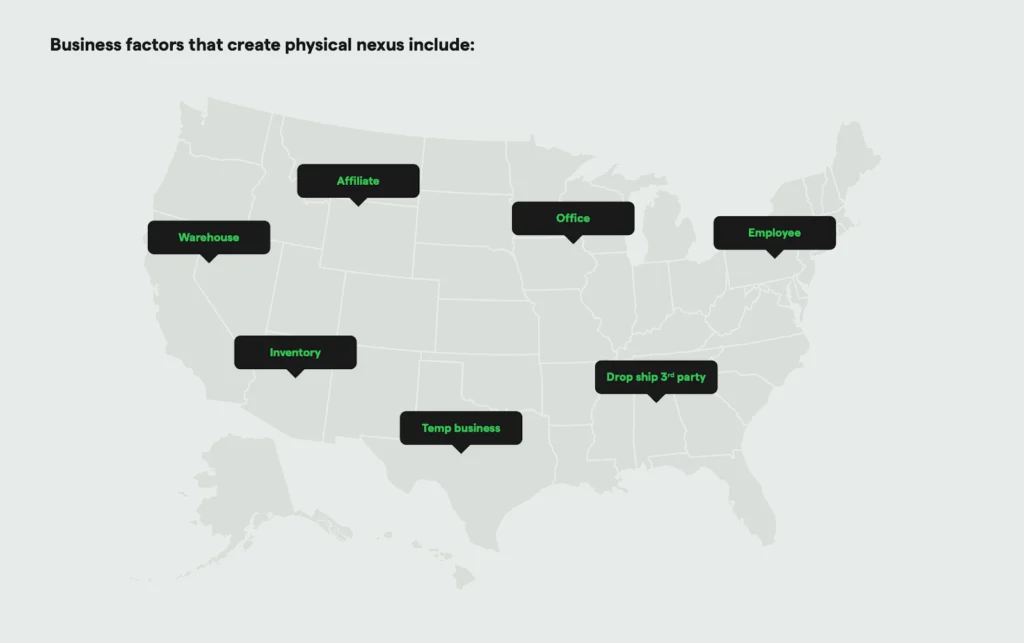
As global e-commerce sales are projected to exceed $8.1 trillion by the close of 2026, the regulatory framework governing digital commerce has reached a level of complexity that demands rigorous corporate oversight. For modern retailers, the concept of "sales tax nexus" has transitioned from a niche accounting concern to a fundamental pillar of risk management and financial strategy. The rapid expansion of the digital economy has prompted state governments to aggressively redefine what constitutes a taxable connection, leaving businesses to navigate a fragmented landscape of physical and economic thresholds.
The current environment is the result of a decade-long shift in how tax jurisdictions view interstate commerce. With online transactions now accounting for a massive portion of total retail spend, states have moved to close "tax gaps" that previously allowed out-of-state sellers to avoid collecting sales tax. This shift has created a high-stakes environment where failure to maintain compliance can lead to retroactive tax assessments, heavy interest penalties, and exhaustive audits that threaten the viability of small and mid-sized enterprises (SMEs).
The Historical Evolution of Nexus Laws
To understand the current state of sales tax nexus, one must look back at the judicial milestones that dismantled the previous status quo. For decades, the "physical presence" standard established by the 1992 Supreme Court case Quill Corp. v. North Dakota governed the land. Under Quill, a state could only require a business to collect sales tax if that business had a physical footprint—such as an office, warehouse, or sales representative—within the state’s borders.
The rise of Amazon and the broader e-commerce boom eventually rendered the Quill standard obsolete in the eyes of state legislators. The turning point arrived on June 21, 2018, with the landmark Supreme Court decision in South Dakota v. Wayfair, Inc. The court ruled that states could mandate tax collection from out-of-state sellers even if they lacked a physical presence, provided the seller had a "substantial nexus" based on economic activity.
Following the Wayfair decision, nearly every state with a general sales tax—45 states plus the District of Columbia—quickly enacted economic nexus laws. This created a "post-Wayfair" era characterized by a patchwork of revenue and transaction-count thresholds that vary significantly from one jurisdiction to the next.
Defining the Modern Nexus: Physical vs. Economic
In 2026, nexus is categorized into two primary forms: physical and economic. While economic nexus receives the most attention in the media, physical nexus remains a potent trap for the unwary, particularly those utilizing modern fulfillment networks.

The Persistence of Physical Nexus
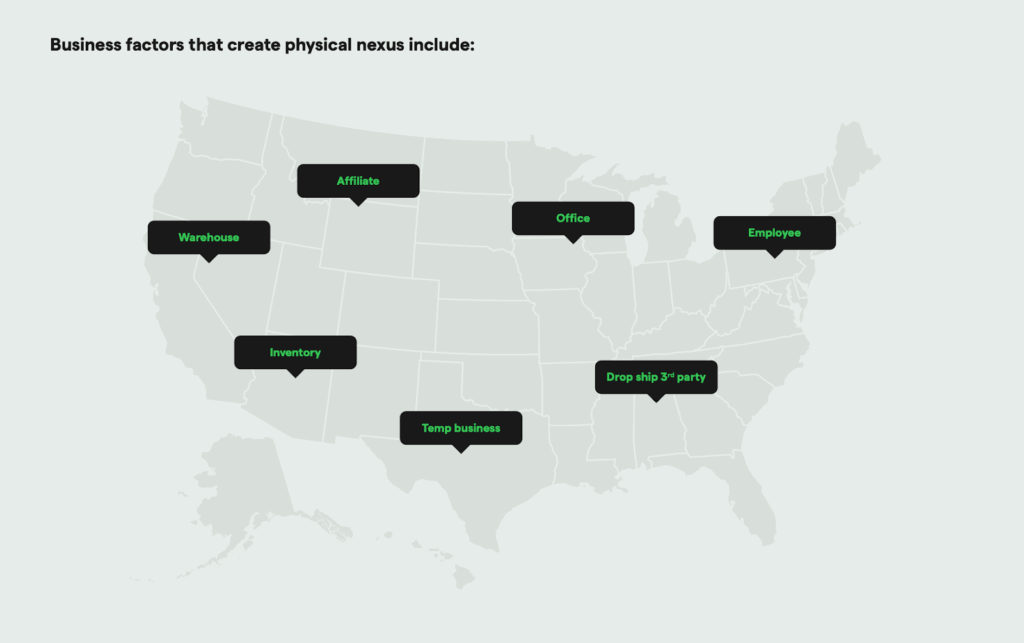
Physical nexus is triggered by tangible business activities. While the definition seems straightforward, it has expanded to include indirect connections. Key triggers include:
- Inventory Storage: Utilizing Third-Party Logistics (3PL) providers or services like Fulfillment by Amazon (FBA) often creates physical nexus. If a retailer’s goods are stored in a warehouse in Pennsylvania, that retailer has physical nexus in Pennsylvania, regardless of where the company is headquartered.
- Remote Personnel: The rise of remote work has complicated nexus significantly. A single employee or independent contractor working from home in a different state can establish a physical presence for the entire company.
- Temporary Presence: Attending trade shows, hosting "pop-up" shops, or sending technicians into a state for repairs can trigger nexus for the duration of the activity and, in some states, for the remainder of the tax year.
The Complexity of Economic Nexus
Economic nexus is determined by the volume of business conducted within a state. Initially, many states adopted the "South Dakota Standard": $100,000 in annual sales or 200 separate transactions. However, a significant trend emerged between 2023 and 2026, where many states—including North Carolina, Indiana, and Maine—moved to eliminate the transaction-count threshold.
Legislators found that the 200-transaction rule unfairly burdened small businesses selling low-value items. Consequently, the 2026 landscape is increasingly focused on gross revenue. For instance, California maintains a high threshold of $500,000, while Illinois utilizes a $100,000 threshold or 200 transactions, illustrating the ongoing lack of national uniformity.
Data-Driven Analysis of Product Taxability
Establishing nexus is only the first step in the compliance journey; retailers must also determine the taxability of their specific inventory. In the United States, most "tangible personal property" is taxable, but exemptions vary wildly by state, reflecting local political and economic priorities.
Data from recent tax studies highlight several categories where taxability is inconsistent:
- Digital Goods and SaaS: Software-as-a-Service (SaaS) and digital downloads (ebooks, music, streaming) are among the most contested categories. In states like Texas, SaaS is considered a taxable data processing service, whereas in other states, it may be exempt or taxed at a lower rate.
- Apparel: Most states tax clothing, but some, such as New Jersey and Pennsylvania, exempt "essential" apparel while taxing "luxury" items or sports equipment.
- Food and Groceries: While most states exempt unprepared groceries, "prepared food" or dietary supplements often carry the full sales tax rate.
- Medical Supplies: Items ranging from prescription drugs to prosthetic devices often receive exemptions, but the definition of "medical equipment" varies.
For a retailer operating nationwide, managing these nuances requires a real-time database of thousands of tax jurisdictions (including local, county, and special-purpose districts), as a single product might be taxed at 0% in one zip code and 10.25% in another.
The Impact of Marketplace Facilitator Laws
A significant development in the mid-2020s has been the maturation of Marketplace Facilitator Laws. These statutes shift the burden of tax collection from the individual "third-party" seller to the platform itself (e.g., Amazon, eBay, Etsy, Walmart Marketplace).
While these laws simplify compliance for small sellers who operate exclusively on these platforms, they create a "dual-status" complexity for hybrid retailers who sell through both a marketplace and their own direct-to-consumer (DTC) website. In these cases, the retailer must ensure they are not "double-taxing" the customer while still accurately reporting total gross sales to the state to determine if they have met economic nexus thresholds. Most states require that marketplace sales count toward the nexus threshold, even if the marketplace is the entity actually remitting the tax.
Chronology of a Compliance Strategy
For a business scaling its operations in 2026, the timeline for maintaining compliance typically follows a specific lifecycle:
- Monitoring Phase: The business tracks sales by state in real-time, comparing gross revenue against specific state thresholds. This often involves the use of automated "nexus insight" dashboards.
- Threshold Breach: Once a threshold is crossed, the business enters a "grace period" (ranging from 30 to 90 days depending on the state) to register with the state’s Department of Revenue.
- Registration: The business applies for a Sales Tax Permit. Crucially, a business cannot legally collect tax from customers until it has received this permit.
- Collection and Remittance: The business begins calculating tax at checkout and filing regular returns (monthly, quarterly, or annually) with the state.
- Exemption Management: The business collects and stores "resale certificates" from B2B customers to justify why tax was not collected on certain transactions.
Broader Implications and Future Outlook
The implications of nexus laws extend beyond simple accounting. From a valuation perspective, companies with "unquantified tax exposure" are increasingly viewed as risky assets during mergers and acquisitions. Inferred statements from industry analysts suggest that "tax due diligence" has become a primary hurdle in e-commerce acquisitions, with buyers often demanding significant holdbacks in escrow to cover potential back-tax liabilities.
Furthermore, the administrative burden has fueled a massive growth in the tax-tech sector. Automation is no longer a luxury but a necessity. Manual tracking of over 11,000 taxing jurisdictions in the U.S. is functionally impossible for a growing business. Modern software solutions now integrate directly with e-commerce platforms (Shopify, Magento, BigCommerce) to automate the entire lifecycle from calculation to filing.
Looking forward, there is ongoing discussion regarding the "Streamlined Sales and Use Tax Agreement" (SSUTA), an effort by state governments to simplify sales tax administration. While 24 states have joined the agreement to date, the largest economies—California, New York, and Texas—remain outside the pact, suggesting that a truly unified national system is unlikely to emerge in the near future.
Conclusion: The Cost of Non-Compliance
In the 2026 fiscal environment, "ignorance of the law" is an increasingly expensive defense. State tax authorities have become more sophisticated, utilizing data-sharing agreements and web-scraping technology to identify high-volume sellers who have failed to register.
For e-commerce retailers, the strategy is clear: proactive monitoring, early registration, and the implementation of robust automation tools. By treating sales tax nexus as a dynamic component of their broader financial operations, businesses can mitigate risk, protect their margins, and focus on capturing their share of the multi-trillion dollar global digital marketplace. The tangled web of state rules may be daunting, but with the right roadmap and technological support, compliance becomes a manageable—and essential—part of doing business in the modern age.