Lana Rhoades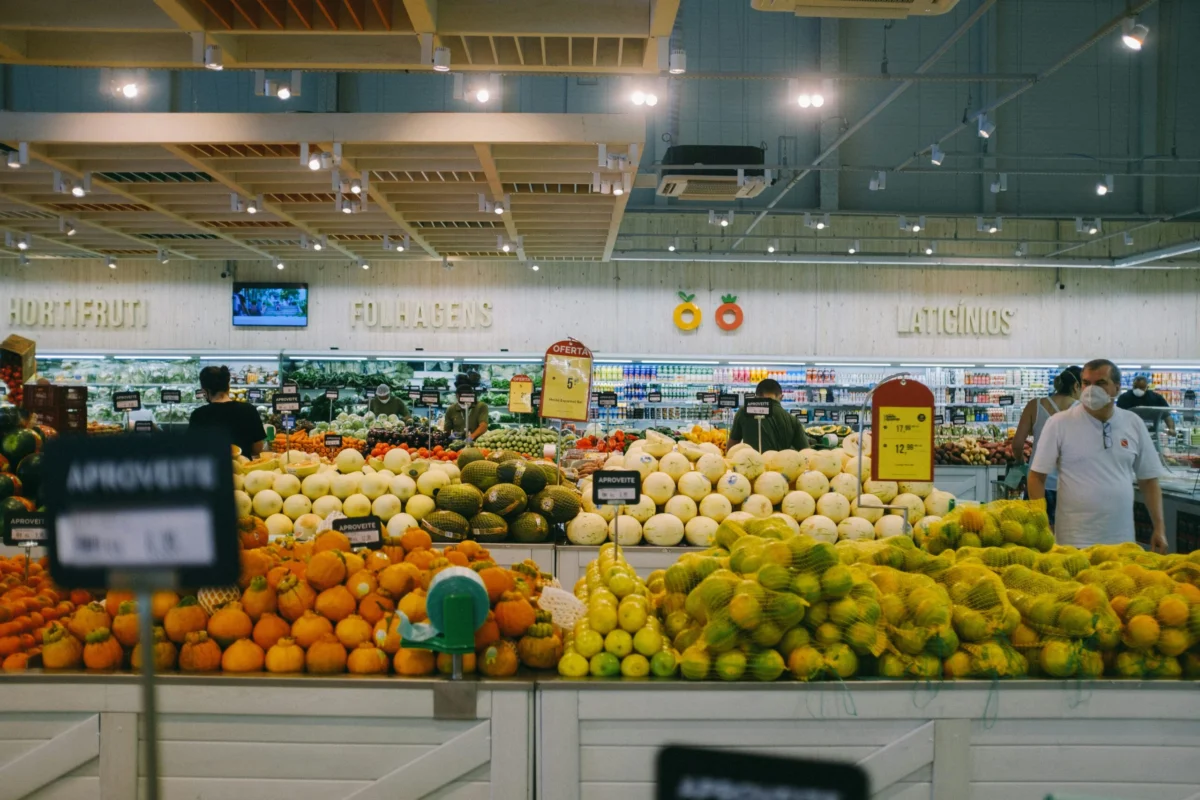
The primary financial risk facing modern food and beverage retailers is not found in high-profile litigation or supply chain disruptions, but rather in the quiet misclassification of Stock Keeping Units (SKUs) within digital product catalogs. As of late 2026, the food and beverage sector remains the most intricate vertical for taxability, where minor coding decisions regarding product ingredients or packaging can escalate into significant multi-state liabilities. In an environment where a raw chicken is exempt but a rotisserie chicken is taxable, or where a chocolate bar with flour is treated differently than one without, the margin for error has never been thinner.
The Evolving Regulatory Environment of 2024-2026
The landscape of grocery taxation in the United States has undergone a period of rapid transformation over the last 24 months. Historically, sales tax on groceries has been viewed as a regressive measure, disproportionately affecting lower-income households that spend a larger percentage of their earnings on essential nutrition. In response to inflationary pressures and political shifts, a wave of states has moved to eliminate or reduce state-level grocery taxes.
A chronological review of recent legislative actions highlights this momentum. In August 2024, Oklahoma eliminated its 4.5% state grocery tax. This was followed by Kansas, which completed its multi-year phase-down to a 0% rate on January 1, 2025. The trend accelerated into 2026, with both Arkansas and Illinois removing their state-level grocery taxes on the first day of the year.
However, the removal of state-level taxes does not equate to a tax-free environment for consumers or a simplified filing process for sellers. In Illinois, the elimination of the 1% state tax was accompanied by a legislative provision authorizing hundreds of municipalities to impose their own 1% local grocery taxes via ordinance. This "Home Rule" complexity means that a seller must still track and collect taxes based on the specific jurisdiction of the delivery or point of sale, even if the state rate is zero. Similarly, in Georgia, while groceries are exempt from the 4% state rate, they remain subject to various local assessments.
The Shrinking Circle of Taxable Groceries
As of September 2026, only about a dozen states continue to apply a statewide tax to grocery items. These states often employ a tiered system where food is taxed at a reduced rate compared to general merchandise.
Alabama serves as a primary example of this tiered complexity. In September 2025, the state reduced its grocery tax rate to 2%. However, because local rates are layered on top of the state rate, consumers in certain Alabama municipalities continue to pay nearly 9% on food purchases. Other states maintaining grocery taxes include Idaho (6%), Mississippi (reduced to 5% in July 2025), Utah (combined 3%), and Missouri (1.225%). For multi-state operators, these variations necessitate a sophisticated tax engine capable of distinguishing between a 0% rate in a neighboring state and a 6% rate in Idaho.
The Technical Definitions of Prepared Food
The distinction between "grocery" and "prepared food" is a frequent source of audit assessments. Most states participating in the Streamlined Sales Tax (SST) Agreement—a coalition of 23 states including Michigan, Washington, and New Jersey—use a standardized three-part test to determine if an item is "prepared."
An item is classified as prepared food if the seller:
- Sells the item in a heated state or heats the item for the customer.
- Combines two or more ingredients into a single item for sale.
- Provides eating utensils, such as forks, spoons, napkins, or straws.
The "utensil rule" is particularly hazardous for delivery services and convenience stores. Under SST guidelines, a cold, pre-packaged salad that would otherwise qualify as an exempt grocery item becomes a taxable prepared food item the moment a plastic fork is included in the bag. The regulatory logic suggests that the provision of a utensil indicates the food is intended for immediate consumption, shifting it from a "staple" to a "service."
This distinction creates scenarios where identical ingredients receive opposite tax treatments. A sealed package of sliced deli meat is an exempt grocery; that same meat placed between two slices of bread by the seller becomes a taxable sandwich. For meal-kit delivery services that ship chilled, fully cooked meals, the "combination test" often triggers taxability even if the food is shipped cold, as the seller has already performed the labor of assembly.
The "Flour Rule" and the Candy Paradox
One of the most counterintuitive aspects of food taxability involves the classification of candy and snacks. Under the SST definition, candy is a preparation of sugar or sweeteners combined with chocolate, fruits, or nuts, but it specifically excludes products containing flour.
This exclusion creates the "Kit Kat vs. Hershey’s" paradox. A standard Hershey’s milk chocolate bar contains no flour and is therefore taxed as candy in states that exclude candy from grocery exemptions. Conversely, a Kit Kat or a Twix bar contains a wafer or cookie layer made with flour. In many jurisdictions, this inclusion of flour reclassifies the item as "food" rather than "candy," allowing it to remain tax-exempt or taxed at a lower grocery rate.
Similar complexities exist in the beverage sector. A "soft drink" is generally defined as a non-alcoholic beverage containing natural or artificial sweeteners but no milk or milk substitutes, and consisting of 50% or less fruit or vegetable juice. Consequently, a beverage with 51% juice may be exempt as a grocery staple, while a 49% juice blend is taxed as a soft drink. Plain bottled water is frequently exempt, but the addition of a single drop of sweetener can flip the product into a taxable category.
Alcohol Taxation and District-Level Assessments
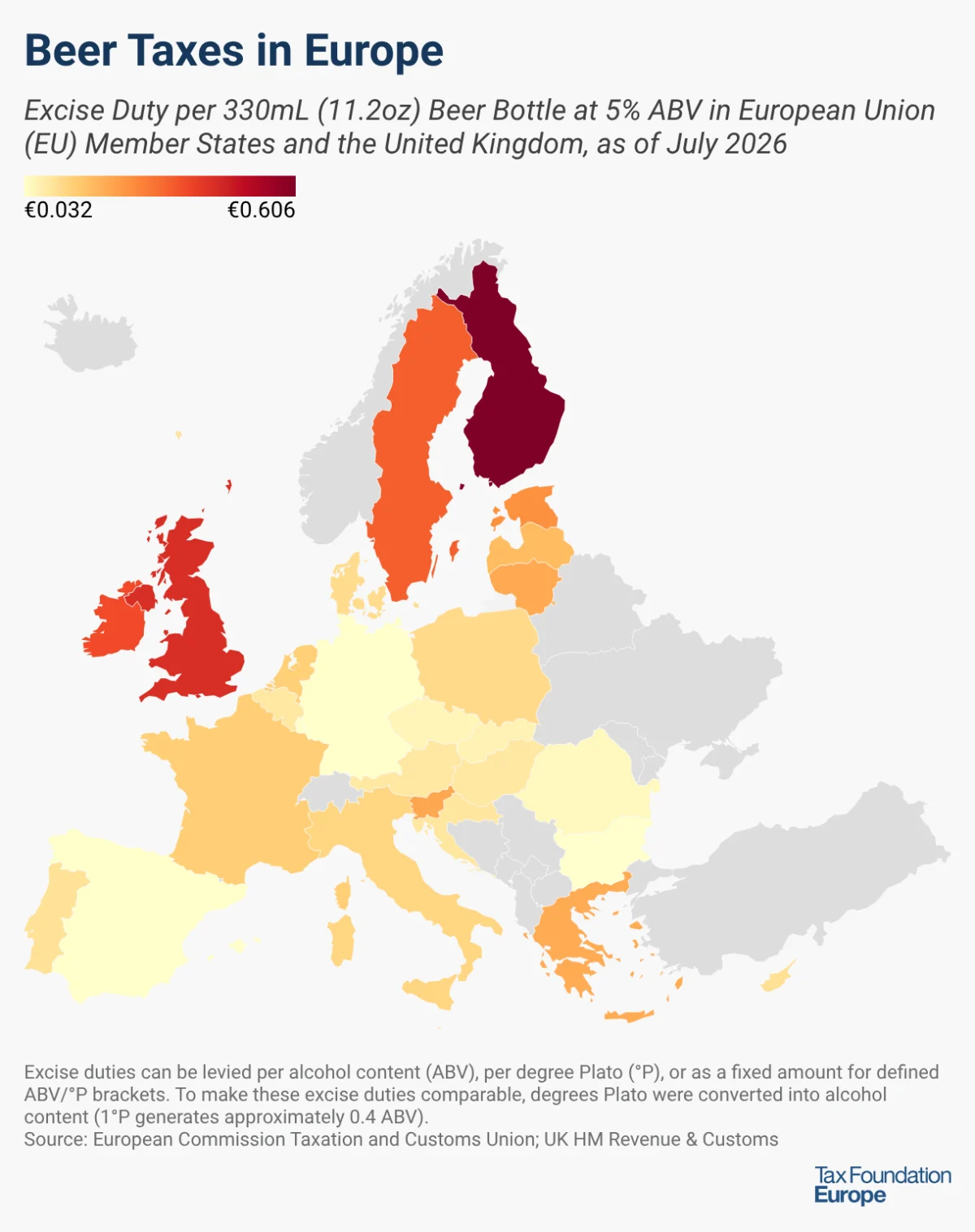
Alcohol represents a distinct regulatory "world" where standard sales tax rates are often replaced or supplemented by excise taxes and special district rates. Beyond the base sales tax, 17 "control states" maintain government monopolies over the sale of distilled spirits, effectively pricing the tax into the product itself.
In non-control jurisdictions, the tax burden is often significantly higher than the general sales tax. Washington, D.C., for example, applies a 10.25% rate to alcohol sold for off-premises consumption, compared to a 6% general rate. In states like Tennessee, Kansas, and South Carolina, a "liquor-by-the-drink" tax (ranging from 5% to 15%) is applied to on-premises sales, entirely separate from the general sales tax. For direct-to-consumer (DTC) wine brands, failing to account for these localized "sin taxes" can result in a cumulative shortfall that represents a substantial percentage of total revenue.
Audit Mechanics and the Cost of Error
The risk of misclassification is magnified by the methodology employed by state departments of revenue during audits. Auditors rarely review every single transaction over a three-to-four-year period. Instead, they typically select a statistical sample, identify errors within that sample, and extrapolate the error rate across the entire period’s gross sales.
If a snack brand incorrectly codes a chocolate-covered nut SKU as "exempt food" instead of "taxable candy," and that SKU appears frequently in the auditor’s sample, the resulting assessment will include the back tax for every sale of that SKU across the entire audit period. Furthermore, states routinely impose penalties ranging from 5% to 25% of the tax due, plus compounded interest. In many cases, the final assessment can exceed the original profit margin of the products sold.
Industry Response and Best Practices
In response to these complexities, industry experts recommend a rigorous four-step internal audit for all food and beverage enterprises.
First, every SKU must be mapped to a precise taxability category based on ingredient labels, specifically looking for the presence of flour or the percentage of juice. Second, businesses must validate these classifications against the specific definitions used in their nexus states, as SST definitions are not universal. Third, companies must ensure their tax engines are capable of calculating rates at the hyper-local level to account for municipal grocery taxes and special alcohol districts.
Finally, for B2B wholesalers, the management of exemption certificates is critical. An auditor will treat a missing or expired resale certificate as a taxable sale, shifting the liability to the seller. Digital storage and automated tracking of certificate expiration dates have become standard requirements for compliance.
As the retail landscape continues to blur the lines between grocery, deli, and restaurant services, the ability to accurately classify products at the granular level has become a cornerstone of fiscal health. In 2026, tax compliance is no longer a back-office administrative task; it is a strategic necessity in the highly competitive and low-margin world of food and beverage retail.