admin
admin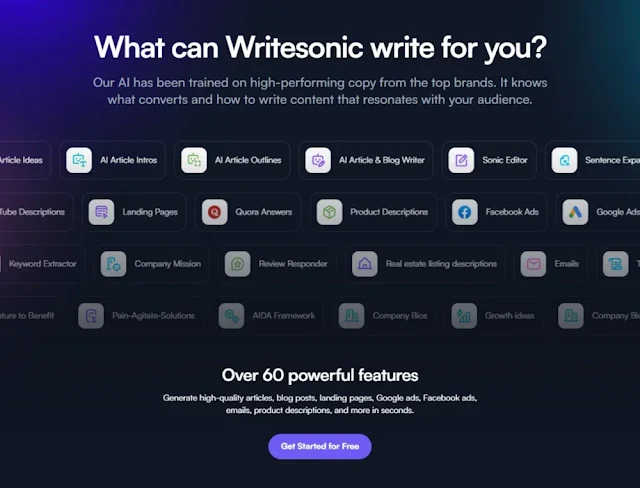
The landscape of digital content creation is undergoing a profound transformation, driven by the rapid advancements in artificial intelligence. As businesses, marketers, and individual creators face an ever-increasing demand for high-quality, engaging, and SEO-optimized content, AI content generators have emerged as indispensable tools. These platforms leverage sophisticated algorithms and machine learning models to automate various aspects of content production, from generating blog posts and marketing copy to crafting product descriptions and social media updates. The market for AI writing assistants is experiencing exponential growth, projected to reach billions of dollars in the coming years, reflecting a widespread industry adoption aimed at enhancing efficiency, scalability, and content consistency.
The Evolution of AI in Content Creation

Artificial intelligence’s role in writing has evolved significantly over the past decade. Initially, AI tools were primarily limited to basic functionalities such as grammar checking, spell correction, and rudimentary text summarization. However, with the advent of large language models (LLMs) and advanced neural networks, AI’s capability has expanded dramatically. Modern AI content generators can understand context, generate human-like text, adapt to specific tones, and even conduct preliminary research for content outlines. This technological leap has shifted AI from being a mere assistant to a powerful co-creator, enabling faster content cycles and empowering creators to focus on strategy and refinement rather than just raw production. The increasing sophistication of natural language processing (NLP) has made these tools accessible and highly effective for a diverse range of applications, from niche blogging to enterprise-level content marketing.
Driving Factors and Market Impact
Several key factors are propelling the widespread adoption of AI content generators. Firstly, the sheer volume of content required to maintain a competitive online presence across websites, blogs, social media, and advertising platforms is overwhelming for traditional human-only teams. AI tools offer a scalable solution, capable of generating vast amounts of text in a fraction of the time. Secondly, the emphasis on search engine optimization (SEO) necessitates content that is not only engaging but also strategically optimized with keywords and relevant topics. Many AI generators integrate SEO functionalities, helping users create content that ranks higher. Thirdly, cost-efficiency plays a crucial role; while human writers command significant fees, AI subscriptions offer a more predictable and often lower operational cost for content generation. According to recent market analyses, businesses leveraging AI for content generation report significant improvements in productivity, often reducing content creation time by up to 50% and increasing output by over 100%. This translates into quicker market responses and more agile content strategies.
Challenges and Ethical Considerations
Despite their immense benefits, AI content generators are not without their challenges. The primary concern revolves around the quality and originality of the generated content. While AI can produce grammatically correct and coherent text, it sometimes lacks the nuanced understanding, creativity, and unique voice that human writers bring. There’s also the potential for AI to generate generic or repetitive content, requiring human editors to refine and infuse it with genuine insight and personality. Ethical considerations, such as potential biases in AI models, the risk of plagiarism (even if unintentional, due to training data), and the broader implications for content authenticity, remain important discussion points. Industry best practices advocate for AI tools to be used as aids rather than replacements for human oversight, ensuring that generated content aligns with brand values and ethical standards.
A Deep Dive into Leading AI Content Generation Platforms

The market offers a diverse array of AI content generators, each with unique strengths catering to different needs. Here’s an analytical look at ten prominent tools that have made a significant impact in 2022:
1. Jasper AI (Formerly Jarvis)
Jasper AI has established itself as a leading force in AI content generation, renowned for its ability to produce high-quality, long-form content efficiently. Utilizing advanced AI models, Jasper assists users in identifying optimal phrasing and sentence structures tailored to specific writing styles and mediums. Its "Boss Mode" plan, priced at $99/month, signifies its focus on professional users and content teams requiring extensive capabilities, including longer document generation and enhanced control over AI output. Jasper’s integration with various content types, from blog posts to marketing copy, makes it a versatile tool for businesses aiming for scale and consistency in their content strategy. The platform also frequently offers promotional credits, such as 10,000 free credits upon signup, to attract new users.
2. Copy.ai
Copy.ai excels in generating short-form marketing copy and a wide array of content formats, leveraging over 90 templates. This tool is particularly effective for creating compelling social media posts, engaging Facebook Ads, captivating product descriptions, and succinct website copy. Its utility lies in its rapid generation of diverse marketing assets, making it ideal for businesses focused on conversion and brand messaging. Copy.ai offers a free trial with 100 runs per day, allowing users to experience its capabilities before committing. The Pro Plan, at $49/month or $420 annually, targets users needing consistent, high-volume content. Special offers, like 7,000 free words and a 40% discount for early upgrades, highlight its competitive positioning.
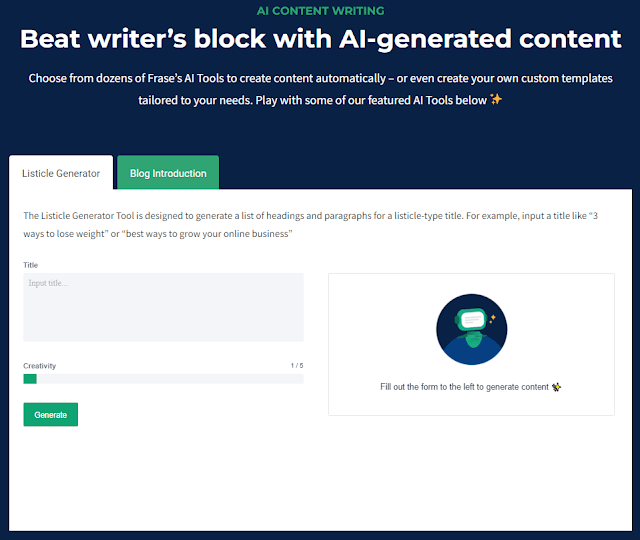
3. Frase AI
Frase AI distinguishes itself by integrating robust SEO capabilities directly into the content creation process. Similar to other SEO-focused tools, Frase helps users research, create, and optimize content to meet search engine requirements. It analyzes top-ranking content for target keywords, generating detailed content briefs and outlines that guide the AI in producing high-quality, search-engine-friendly articles. This focus makes Frase invaluable for content strategists and SEO professionals aiming to improve organic visibility. Pricing tiers, including Solo ($14.99/month), Basic ($44.99/month), and Team ($114.99/month) plans, offer varying document credits and user seats. An optional SEO Add-on for $35/month further enhances its optimization features, regardless of the base plan.
4. Article Forge
Article Forge offers a distinct approach to AI content generation by requiring only a keyword to produce a complete article. This streamlined process is designed for maximum efficiency, particularly for users needing to generate numerous articles quickly. Its core promise is to deliver unique, readable content that passes plagiarism checks like Copyscape, a critical feature for maintaining content integrity. While it does not offer a free plan, it provides a 30-day money-back guarantee, allowing users to assess its suitability risk-free. Plans range from Basic ($27/month for 25k words) to Unlimited ($117/month), catering to different volume needs and emphasizing its role as a high-volume content generation solution.
5. Rytr
Rytr positions itself as a superb AI content writing assistant, particularly appealing to small businesses, bloggers, and students due to its user-friendly interface and affordability. It excels in generating SEO-friendly blog posts, articles, and various other text formats rapidly. Rytr’s free plan, offering up to 5,000 characters per month and access to a built-in plagiarism checker, makes it highly accessible for new users or those with limited content needs. The Saver Plan ($9/month) and Unlimited Plan ($29/month) provide expanded character limits and features, solidifying Rytr’s appeal as a cost-effective and efficient tool for a broad user base.

6. Writesonic
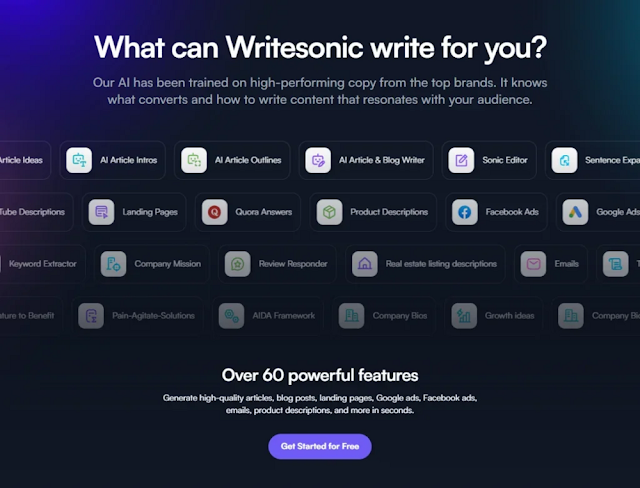
Writesonic stands out as a versatile AI article writing software that includes integrated grammar and plagiarism checkers, ensuring both quality and originality. It’s designed to assist in creating diverse content, including marketing copy, website content, and blog posts. Its intuitive design makes it suitable for solopreneurs and small businesses operating on a budget. Writesonic offers a limited free trial with 10 credits, allowing users to test its capabilities before subscribing. Paid plans, such as Short-form ($15/month) and Long-Form ($19/month), cater to different content lengths and complexity requirements, providing flexibility for varying content strategies.
7. CopySmith
CopySmith focuses on producing quality content rapidly, offering features for personal and professional documents, blogs, and presentations. Its strength lies in providing a wide range of templates to expedite content creation, making it a robust tool for diverse content requirements. CopySmith offers a free trial without requiring credit card details, facilitating easy access for prospective users. Its Starter Plan ($19/month) and Professional Plan ($59/month) provide escalating word limits and features, with an Enterprise option available for custom, tailored solutions, indicating its capability to serve a wide spectrum of users from individuals to large organizations.
8. Hypotenuse.ai
Hypotenuse.ai is particularly adept as an AI writing software for e-commerce and product descriptions, though it also supports articles and infographics. Its specialization makes it an invaluable asset for online retailers needing to generate engaging and optimized product narratives at scale. The platform offers a free trial, allowing users to experience its unique capabilities before committing to a subscription. Its Starter Plan ($29/month) and Growth Plan ($59/month) provide varying word counts and features, while an Enterprise option caters to larger businesses with custom needs, emphasizing its utility across different scales of e-commerce operations.

9. Kafkai
Kafkai is an AI content generator and writing software specifically designed to produce niche-specific content across a broad range of topics. This specialization makes it a powerful tool for SEOs and marketers who manage multiple niche websites or require highly targeted content. Its user-friendly interface complements its ability to generate personalized content. Kafkai provides a free trial to help users determine its fit for their specific niche content needs. Its pricing structure, including Writer ($29/month for 100 articles), Newsroom ($49/month for 250 articles), Printing Press ($129/month for 1000 articles), and Industrial Printer ($199/month for 2500 articles) plans, is volume-based, offering significant cost savings for high-volume content production.
10. Peppertype.ai
Peppertype.ai is an online AI content generator that caters to small business owners seeking a powerful tool for crafting and generating various content types. Its ease of use and versatility make it an attractive option for those needing to produce diverse marketing and communication materials. While Peppertype.ai does not offer a free plan, it provides a free trial to explore its functionalities. The Personal Plan ($35/month) and Team Plan ($199/month) offer different levels of access and features, with an Enterprise option available for custom pricing, highlighting its scalability to support growing businesses and larger teams.
Implications for Content Strategy and the Future Workforce
The proliferation of AI content generators has significant implications for content strategy and the future of creative work. Content teams are increasingly shifting their focus from pure content generation to strategic planning, editing, and optimizing AI-produced drafts. Human writers are evolving into "prompt engineers," guiding AI to produce better output, and "content curators," ensuring accuracy, brand voice, and ethical compliance. This synergy between human creativity and AI efficiency is expected to define the future of content production, allowing businesses to meet escalating content demands without compromising quality or relevance. Furthermore, continuous advancements in AI are likely to lead to even more sophisticated tools, capable of deeper research, more personalized content, and enhanced multimodal content creation.
In conclusion, AI content generators have transitioned from novelties to essential tools within the digital ecosystem. They offer unparalleled efficiency, scalability, and support for SEO, fundamentally altering how content is created and disseminated. While each tool reviewed—from Jasper AI’s long-form prowess to Hypotenuse.ai’s e-commerce specialization—brings distinct advantages, the overarching theme is the empowerment of content creators. The strategic selection and ethical application of these AI tools will be paramount for businesses seeking to thrive in an increasingly content-driven world, underscoring the enduring partnership between human ingenuity and artificial intelligence.