Nila Kartika Wati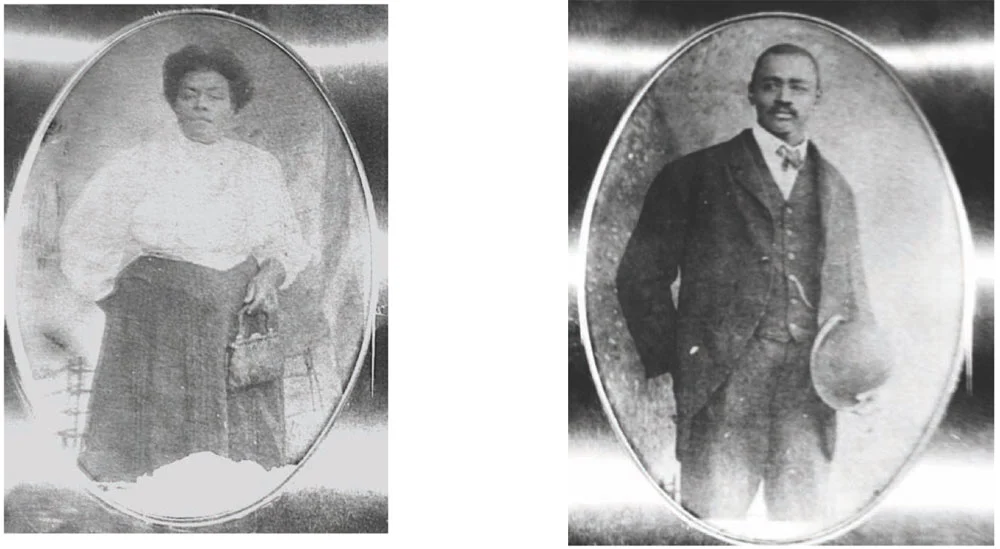
On May 23, 2026, a historical highway marker was unveiled in Mathews County, Virginia, marking a pivotal moment in the long-standing effort to document and acknowledge the history of the Black community on Gwynn’s Island. The ceremony served as the culmination of a five-year research project led by descendants of the island’s former Black residents, who sought to reconcile family oral histories with official records. The marker’s installation followed two years of intensive negotiations with the Commonwealth of Virginia’s Board of Historic Resources, highlighting the persistent challenges of documenting racial displacement in the American South.
The history of Gwynn’s Island, a small landmass in the Chesapeake Bay, reflects a broader narrative of post-Civil War Black prosperity followed by the systemic pressures of the Jim Crow era. While local lore often characterized the departure of Black families in the early 20th century as a voluntary migration for better employment, modern archival research and genealogical investigations tell a different story—one of racial intimidation, legal maneuvering, and forced exodus.
The Foundation of Prosperity: From Contraband to Landownership
The origins of the Black community on Gwynn’s Island are rooted in the Civil War. In June 1863, Union forces seized approximately 40 enslaved people from a plantation on the island. Among them were "young Dolly" and Billy, the latter of whom would eventually be known as Captain William Smith. Under the "contraband" policy of the Union Army, many formerly enslaved men like Smith enlisted to fight. Military records from the National Archives confirm Smith’s service in the Union cavalry, an experience that provided him with the "mustering-out" pay necessary to establish a post-war life.
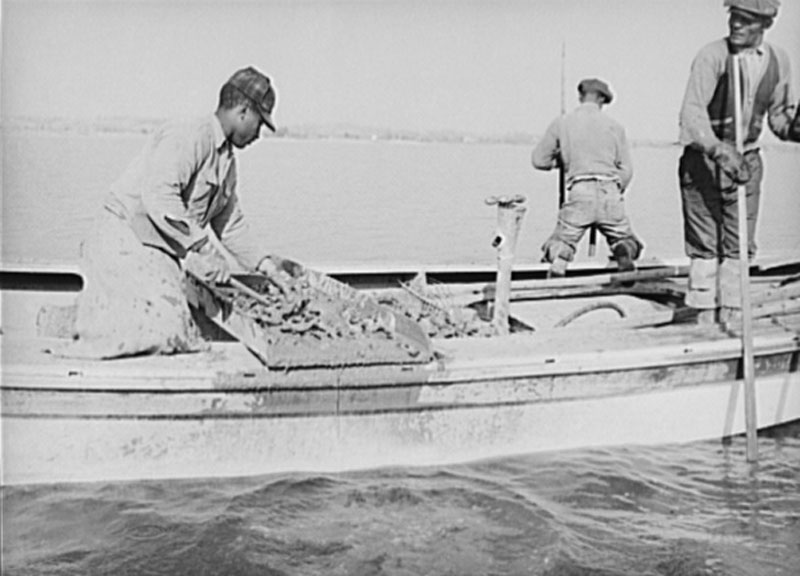
Returning to Gwynn’s Island, Smith utilized his resources to enter the region’s maritime economy. In the late 19th century, the island’s economy was centered on the harvesting of oysters, crabs, and fish. Smith purchased five acres of land for $75, a significant acquisition for a formerly enslaved man at the time. Agricultural census data from 1880 provides a glimpse into the family’s burgeoning self-sufficiency: they cultivated potatoes and corn, sold 60 dozen eggs annually, and employed laborers.
By the turn of the century, the Smith family had ascended to the middle class. William Smith’s son, James Henry Smith, and his wife, Ida Baker Smith, a schoolteacher, represented a generation of literate, property-owning Black citizens. Census records from 1900 indicate that the Smiths owned their land free of debt and that all four of their children were enrolled in school. Photographs from the era show James Smith in a bowler hat with a pocket watch, and Ida in formal attire, projecting an image of stability and civic participation.
The Rise of Jim Crow and the 1915 Christmas Eve Conflict
The prosperity of the Black community coincided with a shift in the social and political climate of Virginia. As the 20th century began, the "Lost Cause" movement gained momentum, leading to the installation of Confederate memorials and the renaming of public institutions. In 1912, a Confederate monument was erected in Mathews County, and in 1915, the local high school was renamed "Lee-Jackson" to honor Confederate generals Robert E. Lee and Stonewall Jackson.
This atmosphere of heightened racial tension set the stage for the events of December 24, 1915. According to historical accounts recovered from the "dead papers" files of the Mathews County Clerk’s Office, a physical altercation broke out at a local establishment involving James Henry Smith. While later white amateur histories characterized Smith as a "drunk troublemaker" who initiated a fight in a bar full of white men, the presiding judge’s personal trial notes suggest a different sequence of events.
The judge’s notes indicate that two white men were fighting with Smith’s brother-in-law when Smith intervened to break up the "fuss." Smith was subsequently assaulted by several white men, leading to a violent melee. Despite evidence of self-defense, Smith was charged with malicious wounding. During the trial, Smith was represented by an attorney and pleaded not guilty. Although the judge instructed the jury that Smith should be acquitted if he used only necessary force for self-defense, the all-white, all-male jury found him guilty. He was sentenced to 30 days in jail and a $45 fine—a substantial sum that his father, William Smith, raised within six weeks.
The Forced Exodus and the "White Man’s Paradise"
The conclusion of the legal proceedings did not end the threat to the Smith family. Reports of a potential lynching circulated while Smith was in custody. Oral histories from descendants recount that Smith was hidden in a church for three days following his release before being told he had to leave the island immediately.
This was not an isolated incident. Within a few years, the entire Black population of Gwynn’s Island—consisting of approximately 20 to 30 families—departed. Deeds and phone directories from the period document a rapid liquidation of Black-owned assets. William Smith sold his primary acreage to white witnesses who had been involved in his son’s trial, often at prices that did not reflect the long-term value of the waterfront property.
By 1920, the Black community had been entirely displaced. The demographic shift was celebrated in a 1924 feature article in the Richmond Times-Dispatch, titled "White Man’s Paradise Nestles in Virginia Bay." The article framed the island’s lack of Black residents as a point of pride and a defining characteristic of the community’s identity, effectively erasing the history of the families who had built their lives there over the preceding five decades.
Chronology of Displacement and Erasure
- 1863: Union forces seize enslaved people on Gwynn’s Island; William Smith enlists in the Union Army.
- 1870s–1880s: William Smith returns to the island, purchases land, and establishes a maritime business.
- 1900: The Smith family is documented as literate, property-owning, and middle-class.
- 1912–1915: Increasing racial tension; installation of Confederate monuments and renaming of schools.
- December 24, 1915: A fight involving James Henry Smith leads to his arrest and trial.
- 1916: James Smith is convicted; threats of lynching force his family to flee.
- 1920–1922: The remaining Black families leave Gwynn’s Island; land is sold to white residents.
- 1924: Richmond Times-Dispatch publishes the "White Man’s Paradise" feature.
- 2021: Descendants present their research to the Middle Peninsula African-American Genealogical and Historical Society.
- 2026: A Virginia highway marker is unveiled to honor the displaced community.
Socioeconomic Consequences and Generational Trauma
The forced migration to cities like Norfolk and Hampton resulted in a sharp decline in the Smiths’ socioeconomic status. James Henry Smith, once a business owner and employer, became a renter and worked as a "coal trimmer," a grueling and menial job. The family’s health also suffered; census records from 1930 show that several of Smith’s children and grandchildren died young from tuberculosis, pneumonia, and complications during childbirth—ailments often exacerbated by the cramped living conditions and reduced access to healthcare in urban environments.
In contrast, the white individuals who acquired the Smith family’s land on Gwynn’s Island lived notably longer lives, with some reaching nearly 100 years of age. This disparity underscores the long-term physical and economic toll of racial displacement.
Analysis of Implications and Historic Justice
The struggle to install the 2026 highway marker highlights the ongoing friction in Virginia’s public memory. The Chair of the Department of Historic Resources Board noted that the Gwynn’s Island marker faced the most significant opposition of any marker in the board’s history. Much of the resistance came from local officials aligned with the Sons of Confederate Veterans, who sought to soften the language regarding racial intimidation.
The marker’s final text, while described as "watered down" by some advocates, represents a formal acknowledgment of a community that was systematically erased from local history. For descendants like Maria Sharp Montgomery, the recovery of this history is essential for reframing the family narrative. "It changes how you feel about yourself and about your children if you think your great-grandfather was a drunk troublemaker who caused the family’s exile," Montgomery noted during the research process.
The case of Gwynn’s Island is an example of a "sundown town" dynamic, where racial exclusion was maintained through a combination of legal pressure and the threat of extrajudicial violence. By documenting these events, historians and descendants are challenging the "voluntary migration" myths that have long sanitized the history of the American South.
As Elsie Williams, a descendant of the islanders, stated at the unveiling: "The marker is proof that our history matters. While today’s unveiling of the marker is a victory for historic justice, our work doesn’t stop with a plaque." The effort continues as researchers seek to preserve archives and ensure that the full, unvarnished history of Virginia’s coastal communities is taught to future generations.