Nila Kartika Wati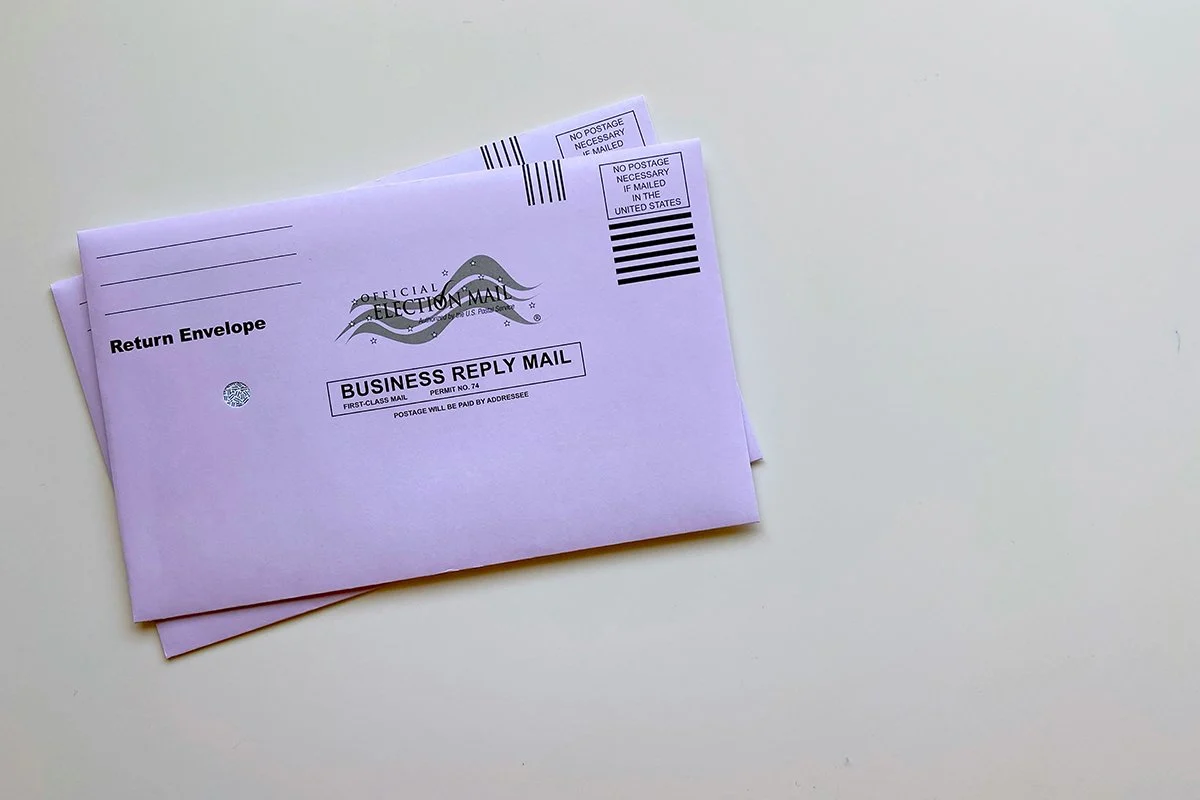
In a move that underscores the escalating tension between federal oversight and state-level election administration, the United States Supreme Court has blocked a controversial Postal Service rule that would have fundamentally reshaped the processing of mail-in ballots. The decision, while focused largely on the immediate logistical risks of implementing new procedures ahead of a major election cycle, touches upon a deeper constitutional struggle: the extent of the federal government’s authority to act as a gatekeeper in a process historically managed by individual states. At the center of the dispute is an executive order that sought to impose stringent new verification and tracking requirements on the U.S. Postal Service (USPS), a move that critics argue would have transformed the agency from a neutral carrier into an arbiter of voter eligibility.
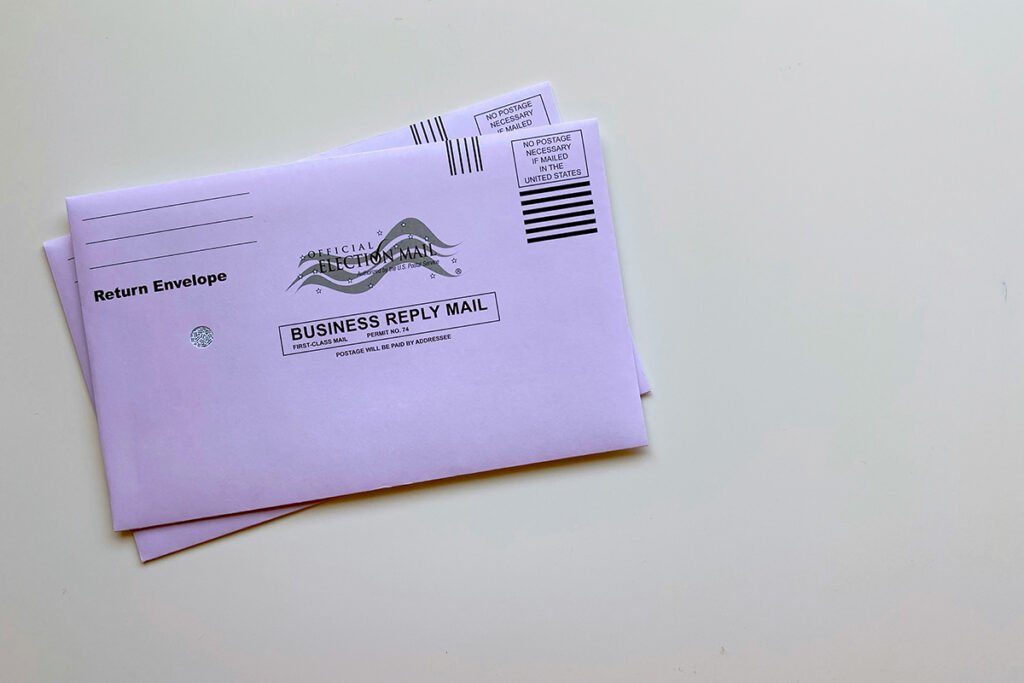
The legal battle originated from a Trump administration executive order designed to overhaul how mail-in ballots are handled across the nation. Rather than banning the practice of mail-in voting, the order proposed a significant expansion of federal involvement. It required states to provide the USPS with granular data regarding voters eligible for mail-in or absentee ballots. Under this framework, the USPS would only deliver ballots to individuals on these state-approved lists, utilizing a new verification and tracking system. Furthermore, all ballots would have been required to be mailed in "Official Election Mail" envelopes, equipped with unique, USPS-standardized barcodes. States that failed to adhere to these federal specifications faced the prospect of having their ballots delayed or rejected entirely by the postal system.
A Conflict of Missions: Security vs. Accessibility
The administration defended these measures as essential safeguards for election integrity. Proponents argued that a centralized tracking system and standardized envelopes would prevent the distribution of ballots to ineligible individuals and provide much-needed transparency in the ballot-delivery chain. They maintained that the USPS, as a federal entity, was uniquely positioned to provide a uniform layer of security across the disparate systems used by the 50 states.
However, voting rights advocates and election officials raised immediate alarms, characterizing the proposal as an attempt to "weaponize" the Postal Service. They argued that the rule would create a "federal gatekeeper" for the democratic process. By giving a federal agency the power to reject ballots based on barcode errors or discrepancies in state-provided lists, the order introduced new points of failure into the voting process.
"The facts speak for themselves," Karen Dolan, director of the Criminalization of Race and Poverty Project at the Institute for Policy Studies, stated in an interview with NPQ. "By imposing these kinds of restrictions, you are threatening the disenfranchisement of millions of people and injecting chaos and uncertainty into the democratic process. When you do that, you threaten democracy."
Dolan and other experts noted that the Supreme Court’s decision to block the rule was a pragmatic response to the threat of widespread disenfranchisement. However, the Court’s focus on the timing of the implementation—rather than the constitutionality of the federal government’s reach—has left a cloud of uncertainty over future elections.
The Technical Risks: Insights from the Whistleblower Report
The logistical concerns were not merely theoretical. A whistleblower report emerged during the litigation, detailing significant technical flaws in the Postal Service’s proposed ballot-tracking portal. According to the report, the system intended to manage the new verification requirements was not fully operational and suffered from vulnerabilities that could have led to the mass rejection of legitimate ballots.
In some scenarios, a single technical glitch or a printing error on a barcode could have resulted in entire batches of ballots being flagged as "unauthorized" by the USPS system. For states that had already invested millions in their own tracking infrastructure, the federal mandate represented an unfunded and technically unstable layer of bureaucracy. Court filings highlighted that many states lacked the backup infrastructure to pivot back to predominantly in-person voting if the mail-in system were to fail, raising the specter of "election-day chaos."
Legal Chronology and the Supreme Court’s Narrow Ruling
The path to the Supreme Court was marked by a series of lower court injunctions. Federal judges in multiple jurisdictions initially blocked the policy, citing the potential for irreparable harm to the voting process. When the case reached the high court, the justices declined to allow the rule to take effect before the upcoming midterm elections.
The Court’s rationale leaned heavily on the "Purcell Principle," a judicial doctrine that discourages courts from changing election rules close to an election to avoid voter confusion and administrative disruption. By focusing on the timing, the Court avoided a definitive ruling on whether the executive branch has the authority to impose such requirements under Article II of the Constitution.
This narrow focus has drawn scrutiny. Justice Brett Kavanaugh, in a concurring opinion, suggested that the executive branch might indeed possess the authority to take such actions under different circumstances. This suggestion has been interpreted by legal scholars as an invitation for future administrations to revisit similar policies, provided they are introduced earlier in the election cycle.
"In fact, Justice Brett Kavanaugh, in his concurring opinion, suggested that the executive branch might have the authority to take such action, leaving the door open to that possibility," Dolan observed, highlighting the precarious nature of the current victory for voting rights.
The Statistical Reality of Voter Fraud
Central to the administration’s push for these rules was the narrative that mail-in voting is inherently susceptible to fraud. However, this claim stands in stark contrast to empirical data. Numerous studies by the Brennan Center for Justice, the Cybersecurity and Infrastructure Security Agency (CISA), and academic researchers have consistently shown that voter fraud in the U.S. is "exceedingly rare."
Data from the 2020 general election, which saw a record 65 million people vote by mail due to the COVID-19 pandemic, showed no evidence of widespread fraud that could have altered the outcome. Security measures such as signature verification, unique ballot identifiers, and secure drop boxes have historically proven effective at the state level. Advocates argue that the proposed USPS rule was a solution in search of a problem—one that carried the high cost of complicating the voting process for legitimate citizens.
"This administration is afraid of accountability," said Maryam Jazini Dorcheh, vice president of litigation at Common Cause. She emphasized that mail ballots are a secure and proven method of participation, used by officials across the political spectrum. In her view, the attempt to undermine confidence in the process is a strategic move to create confusion that can later be used to challenge election results.
The Expanding Role of the Nonprofit Sector
As federal institutions like the Department of Justice (DOJ) face accusations of becoming increasingly politicized, the role of non-governmental organizations (NGOs) in protecting the ballot has expanded. Traditionally, the Civil Rights Division of the DOJ served as the primary watchdog against discriminatory election practices. However, critics now argue that the department has shifted its focus, at times aiding efforts to increase surveillance of voters rather than protecting access.
This institutional shift has forced nonprofits to fill the gap. Organizations such as the League of Women Voters, Campaign Legal Center, and Common Cause have ramped up their efforts in voter education, legal advocacy, and litigation.
"Nonprofits play a significant role in civil society, and even more so now, increasingly, as some of the institutions that were meant to ensure free and fair access to the ballot are being toppled," Dorcheh added. These organizations are now the primary sources of reliable information for voters navigating a landscape of changing rules and conflicting narratives.
Implications for Future Elections
The Supreme Court’s intervention provides a temporary reprieve, but the underlying debate over who controls the mechanics of American democracy remains unresolved. The dispute has clarified the battle lines for the 2028 presidential election and beyond, as the "gatekeeper" model of federal oversight remains a goal for those seeking stricter control over the electoral process.
Anna Baldwin, director of voting rights litigation at the Campaign Legal Center, noted that even when the administration loses in court, the resulting "confusion and chaos" can be viewed as a tactical success by those seeking to undermine confidence in the system. "What is more troubling is the effort to upend election rules and spread misinformation about voter fraud, which is, in reality, an exceedingly rare phenomenon," she said.
The consensus among civil rights groups is that a healthy democracy relies on minimizing barriers to participation. Marcia Johnson, chief of activation and justice at the League of Women Voters of the United States, stressed the importance of institutional vigilance. "Unfortunately, when the power of the bully pulpit is used to express a lack of confidence in our election infrastructure, it inevitably affects public confidence," she said. Her organization continues to focus on providing voters with the tools to navigate these challenges, from sample ballots to polling place locators.
Ultimately, the clash over the USPS rule serves as a harbinger of a more profound constitutional debate. As the nation moves forward, the balance of power between state-led election administration and federal executive intervention will likely remain one of the most consequential legal issues of the decade. For now, the Postal Service remains a carrier of the mail, but the push to make it a guardian of the gate is far from over.