Pevita Pearce
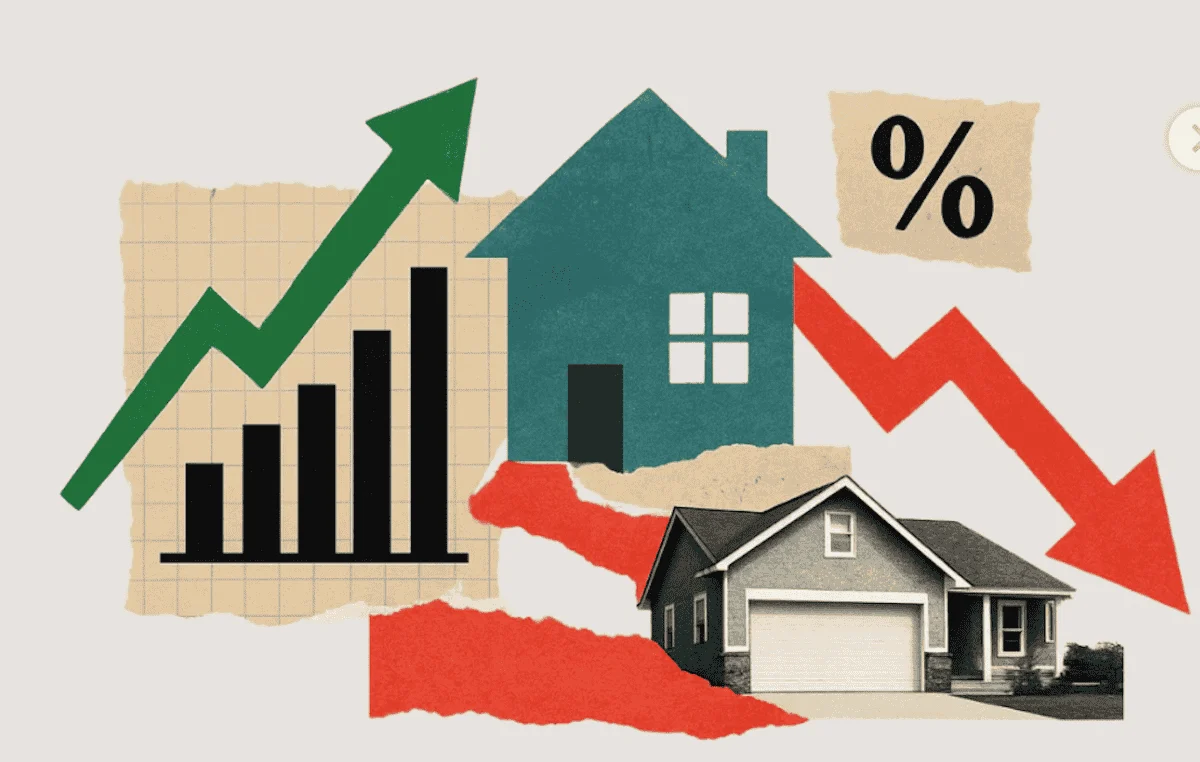
In an era marked by persistent economic headwinds, including escalating gas and grocery prices, rising interest rates, and a general surge in the cost of living, a growing number of Americans are finding themselves in a precarious financial position. This economic squeeze has led to an increased reliance on short-term financial solutions to cover essential expenses. However, many of these readily available options, particularly payday loans and similar app-based lending services, come with exorbitant costs that can trap struggling workers and families in a cycle of debt, pushing them further into financial distress.
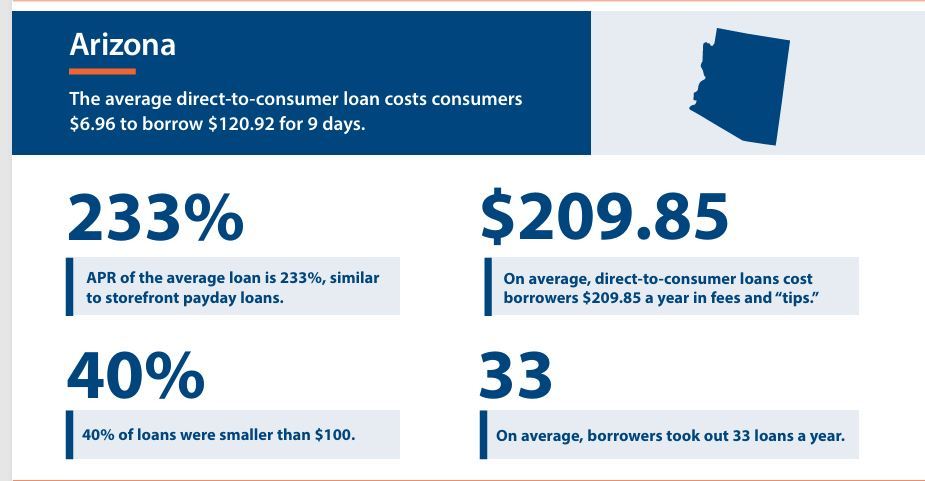
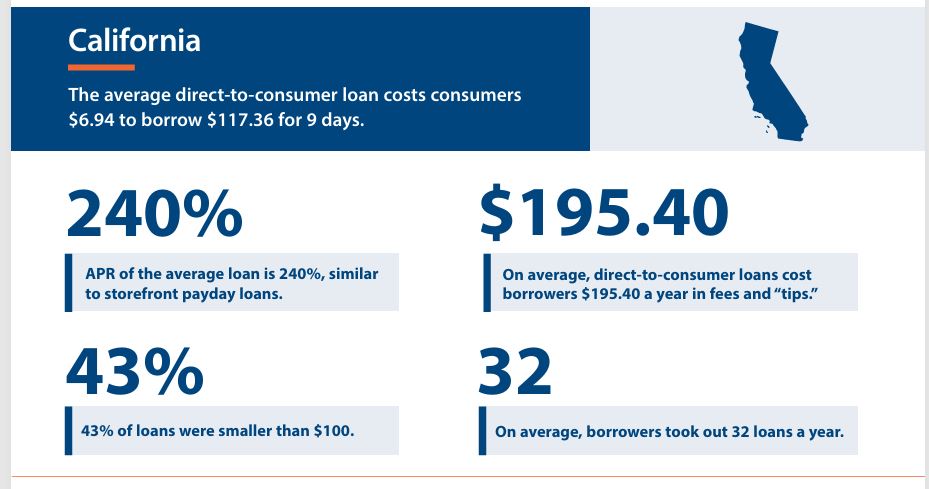
Recognizing this critical issue, the Center for Responsible Lending (CRL) and its Julian Bond Institute (JBI) have released new, comprehensive research titled "The Cost of Payday Loan Apps in Your State." This in-depth analysis provides state-specific data that vividly illustrates the extraordinarily high costs and alarming rates of reborrowing associated with these financial products. The research is presented through an interactive map, allowing users to explore the landscape of payday loan app costs in their specific region, alongside detailed fact sheets for all 50 states, the District of Columbia, and a nationwide overview.
Christelle Bamona, a senior researcher at CRL and a co-author of the analysis, highlighted the severity of the findings. "Our state-by-state data show that payday loan apps charge triple-digit interest rates and rely on people taking out dozens of loans a year to generate most of their fees," Bamona stated. She emphasized the need for policy intervention, adding, "This business model should concern policymakers. To protect consumers, strong interest rate caps must be applied to these predatory loans."
The CRL’s analysis is grounded in a substantial, anonymized dataset comprising bank account transactions from nearly 347,000 borrowers who utilized payday loan apps. These apps are frequently marketed under the guise of "Earned Wage Advances" (EWAs), a distinction that often masks the true nature and cost of the financial services provided. The research aims to demystify these products and expose the financial burdens they place on vulnerable consumers.
Understanding the Landscape of Payday Loan Apps
Payday loan apps, often positioned as convenient solutions for immediate cash flow needs, operate on a model that leverages recurring fees and high interest rates. While some are direct-to-consumer offerings, others are integrated into employer payroll systems, presenting a seemingly less intrusive option. The CRL’s research sought to dissect these different modalities to provide a clearer picture of their impact.
Based on a nationwide sample of borrowers, the CRL’s analysis of direct-to-consumer payday loan apps revealed several key trends:
- High Annual Percentage Rates (APRs): The study found that these apps frequently charge APRs that can reach into the triple digits, far exceeding the rates of traditional loans and even other forms of high-cost credit. This translates to borrowers paying hundreds of dollars in interest and fees for relatively small loan amounts.
- Frequent Reborrowing: A significant portion of borrowers are compelled to take out multiple loans within a year. This cycle of reborrowing is often a consequence of the initial loan’s high cost, which can deplete the borrower’s remaining funds, forcing them to seek another loan to cover expenses.
- Accumulation of Fees: The business model of many payday loan apps is heavily reliant on accumulating fees from borrowers. These fees can include origination fees, monthly maintenance fees, and other charges, which can quickly outpace the principal amount borrowed.
The analysis also extended to all payday loan app advances, encompassing both those obtained directly from lenders and those facilitated through employer-based programs. This broader scope provided a more comprehensive view of the financial challenges faced by users across different types of app-based lending.
Key findings regarding all payday loan app advances included:
- Average Borrowing Cycles: The data indicated that the average borrower might engage in a substantial number of borrowing cycles throughout the year, underscoring the persistent need for funds and the difficulty in escaping the debt trap.
- Significant Cost Burden: The total cost of borrowing, when aggregated across multiple loans, represents a substantial drain on household budgets, diverting funds that could otherwise be used for essential needs or savings.
- Disproportionate Impact on Low-Income Households: While the research data was anonymized, the nature of the services and the economic pressures that lead individuals to seek them suggest a disproportionate impact on low-income households and individuals working in hourly wage jobs, who are most susceptible to unexpected expenses.
The Economic Context: A Perfect Storm for Borrowing
The surge in the use of payday loan apps is not an isolated phenomenon but rather a symptom of broader economic pressures impacting American households. The period following the initial economic recovery from the COVID-19 pandemic has been characterized by persistent inflation. The Consumer Price Index (CPI) has shown significant year-over-year increases for many essential goods and services. For instance, the cost of food at home saw a notable rise, and energy prices, particularly at the pump, have fluctuated but generally remained elevated.
Simultaneously, the Federal Reserve’s efforts to combat inflation have led to a series of interest rate hikes. This has directly impacted the cost of borrowing for consumers, making mortgages, auto loans, and credit card debt more expensive. For individuals living paycheck to paycheck, these rising costs can create immediate shortfalls.
Compounding these challenges is the often-stagnant wage growth for many segments of the workforce. While some sectors have experienced wage increases, these have not always kept pace with the rate of inflation, leading to a real decrease in purchasing power for a significant portion of the population. This economic environment creates a fertile ground for individuals to seek quick financial solutions, often without fully grasping the long-term consequences of high-cost loans.
The Evolution of High-Cost Lending
The advent of the internet and mobile technology has fundamentally reshaped the lending landscape. Traditional payday lenders, often operating from storefronts, have been complemented and, in some cases, supplanted by online platforms and mobile applications. These apps offer a streamlined application process, often promising near-instantaneous approval and disbursement of funds. This ease of access, coupled with discreet marketing, can be particularly appealing to individuals who may feel stigmatized or embarrassed about seeking traditional financial assistance.
However, this technological advancement has also raised concerns about regulatory oversight. The digital nature of these apps can make it more challenging for regulatory bodies to monitor their practices and enforce consumer protection laws effectively. The CRL’s research highlights the need for updated regulatory frameworks that can keep pace with these evolving financial technologies.
The Earned Wage Advance (EWA) Distinction: A Closer Look
The marketing of some payday loan apps as "Earned Wage Advances" warrants particular attention. EWAs are typically presented as a service that allows employees to access a portion of their earned wages before their scheduled payday. While some EWAs are genuinely fee-free or charge nominal service fees, the line between a legitimate EWA and a disguised payday loan can become blurred.
According to the CRL, some EWA providers, even those affiliated with employers, can operate in ways that resemble traditional payday lending. This can include charging fees that, when annualized, equate to triple-digit APRs, especially if the employee frequently accesses their wages through the service. The CRL’s research aims to differentiate between genuinely beneficial EWA programs and those that exploit workers’ immediate needs.
Expert Analysis and Implications
The findings from the CRL and JBI carry significant implications for consumer protection, financial literacy, and public policy. The research underscores the urgent need for stronger regulations to curb predatory lending practices.
- Policy Recommendations: The call for strong interest rate caps is a central recommendation. Many states have enacted laws limiting the interest rates on consumer loans, but the specific regulations around app-based lending and EWAs can be inconsistent or insufficient. Implementing a universal, low-cost cap on interest rates would make it more difficult for predatory lenders to operate profitably.
- Consumer Education: The research also highlights the critical importance of financial literacy. Consumers need to be better informed about the true cost of the financial products they are using. This includes understanding APRs, the impact of fees, and the risks of reborrowing. Educational initiatives, perhaps in partnership with employers and community organizations, could empower consumers to make more informed financial decisions.
- Employer Responsibility: For employers offering or partnering with EWA providers, there is an ethical consideration to ensure that these services genuinely benefit employees without creating new financial burdens. Transparency in fees and the true cost of accessing wages is paramount.
- Alternative Solutions: The CRL’s work implicitly advocates for the development and promotion of more affordable and sustainable alternatives to high-cost short-term loans. This could include expanded access to credit union services, community-based loan programs, and emergency assistance funds.
Timeline of Events and Research Genesis
While the specific timeline of the CRL’s research project is not detailed in the provided text, the genesis of such research typically stems from ongoing concerns about consumer debt and predatory lending. The Center for Responsible Lending has a long history of advocating for consumer financial protection and has conducted numerous studies on various forms of high-cost credit. The recent escalation of economic challenges, particularly inflation and rising interest rates, likely provided the impetus for this focused analysis on payday loan apps, which have seen increased usage in recent years. The release of state-specific data suggests a deliberate effort to inform policymakers and the public at a granular level, enabling targeted interventions.

Broader Impact and Future Outlook
The implications of widespread reliance on high-cost payday loan apps extend beyond individual financial hardship. When a significant portion of the population is dedicating a substantial portion of their income to servicing debt, it can have a dampening effect on local economies. Reduced discretionary spending can impact small businesses, and the constant stress associated with financial insecurity can affect individual well-being and productivity.
The CRL’s research serves as a critical call to action. By providing clear, data-driven evidence of the detrimental impact of these lending practices, the organization aims to galvanize support for regulatory reform and promote greater financial fairness. As economic conditions continue to evolve, the need for robust consumer protections in the financial marketplace remains paramount. The ongoing dialogue around the cost and accessibility of short-term financial solutions will undoubtedly shape future policy decisions and the financial landscape for millions of Americans.
The interactive map and state fact sheets are invaluable tools, empowering consumers and policymakers alike with the information necessary to understand and address the pervasive issue of high-cost lending facilitated by modern financial apps. This research underscores that while short-term financial assistance may be necessary, the cost of that assistance should not lead to perpetual financial struggle.