Lina Irawan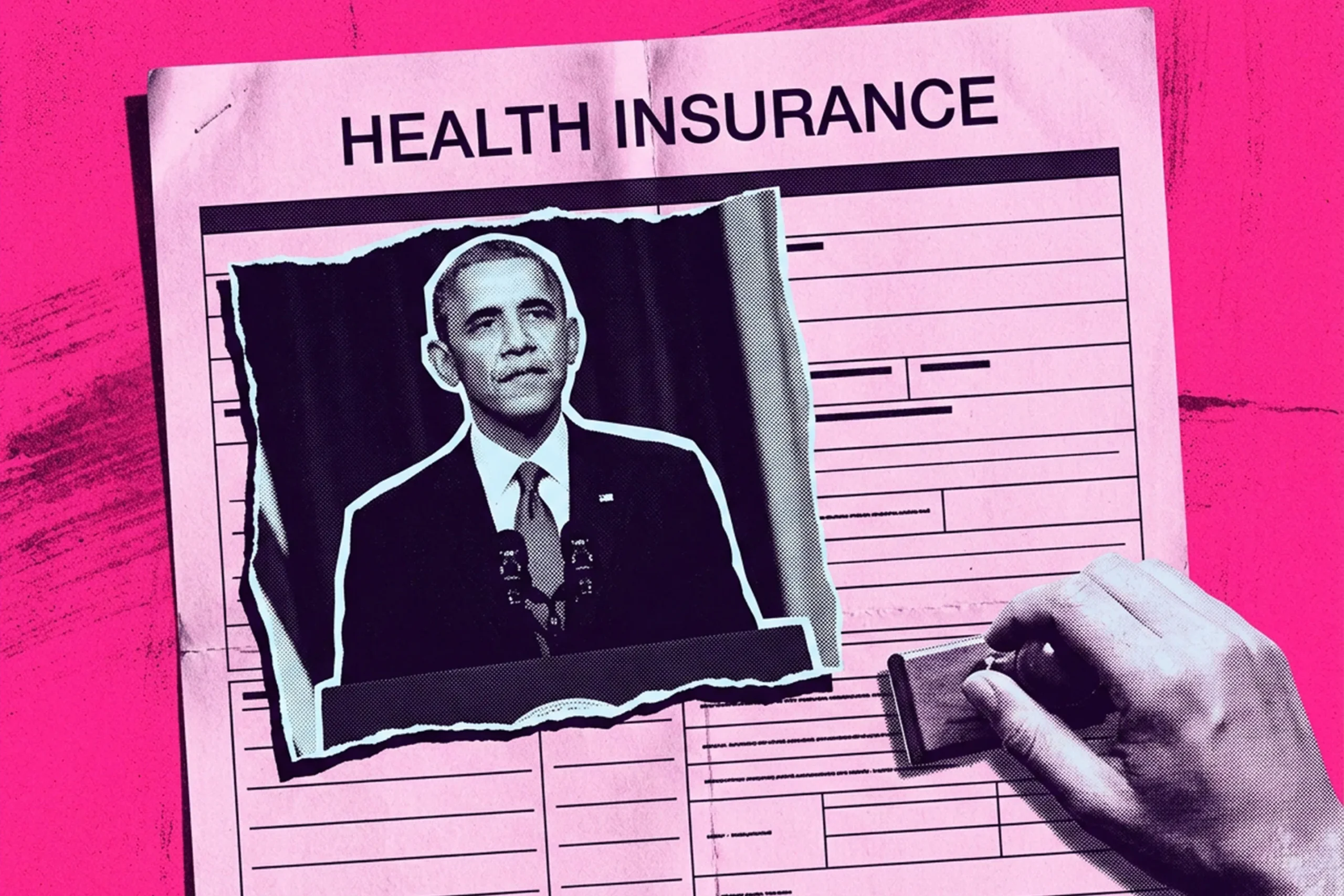
The Trump administration commenced mailing $500 "refunds" on Wednesday to nearly one million individuals enrolled in health insurance plans through the Affordable Care Act (ACA) marketplace, a move that has ignited a fierce political debate just weeks before crucial midterm elections. The White House asserted that this disbursement of funds, framed as "Working Families Obamacare Refunds," stems from an alleged overcharging of ACA enrollees in 30 states under the previous administration, leading to a surplus of user fees that is now being returned to taxpayers. This initiative, while presented as a rectifying measure for past financial inefficiencies, has been met with immediate and sharp criticism from Democrats, who accuse the administration of attempting to influence voters ahead of the upcoming electoral contests.
The Genesis of the Refund: A Claim of Overcharged User Fees
The Affordable Care Act, commonly known as Obamacare, established a framework for health insurance marketplaces designed to expand coverage. A critical component of the ACA’s operational funding for the federally run marketplace (Healthcare.gov) and its associated services comes from user fees levied on insurers. These fees, typically a percentage of premiums, are ultimately passed on to consumers. The Trump administration’s core assertion is that the user fees collected from 2014 through 2020 were excessive, accumulating a significant surplus that, they argue, rightfully belongs to the policyholders. Specifically, the White House claimed that "For years, the Biden Administration overcharged you to fund the operation of HealthCare.gov. That money belongs to hard-working Americans, not the Government." This statement, reportedly included in a letter accompanying each check from President Donald Trump, explicitly frames the refunds as a correction for past governmental fiscal mismanagement.
The administration’s justification centers on the idea that the federal government, under the prior administration, extracted more in user fees than was necessary to operate the federal marketplace effectively. While the exact methodology for calculating this "surplus" has been a point of contention and limited public disclosure, the administration has maintained that an analysis of historical revenue and expenditure for Healthcare.gov revealed an excess. This purported surplus, according to the White House, allowed for these one-time payments to be made without impacting current ACA operations or requiring new appropriations from Congress. The decision to return these funds directly to enrollees is characterized by the administration as a commitment to fiscal responsibility and a direct benefit to those who bore the burden of higher fees.
A Chronology of Announcements and Disbursements
The concept of these "Obamacare refunds" first surfaced publicly on September 9, when Axios reported on the administration’s plan. This revelation coincided with a broader political strategy unfolding as President Trump delivered a convention speech on the same day, during which he separately promised to send $5,000 "dividend checks" to "every adult" should Republicans maintain control of both the House and Senate in the upcoming midterm elections. The timing of both announcements, mere weeks before a critical election cycle, immediately fueled speculation and political debate.
Following the initial reports, the administration officially announced the commencement of mailing $500 checks on Wednesday. These payments are being issued as Treasury Department checks, adding a formal governmental imprimatur to the initiative. Each check is accompanied by a personalized letter from President Trump, reiterating the administration’s narrative about overcharged fees and its commitment to returning funds to the American people. In addition to the physical mailings, President Trump utilized social media platforms, including a video message, to personally communicate directly with eligible recipients, suggesting the refunds would be automatically mailed to their home addresses, further amplifying the message and ensuring widespread awareness.
The context of these refunds also ties into broader health care cost discussions. President Trump suggested the $500 checks would provide a measure of relief for Obamacare customers who experienced higher health care premiums this year. This increase, he noted, followed Congress’s decision last year not to extend enhanced tax credits that had previously lowered health insurance costs for millions of ACA enrollees from 2021 to 2025. This framing connects the refunds not just to past overcharges but also to recent financial burdens faced by consumers, presenting the administration as responsive to current economic pressures in healthcare.
Eligibility and Geographic Reach: Who Benefits?
The White House has specified that the $500 refunds are being sent to nearly one million individuals residing in 30 states that utilize the federal health insurance marketplace, Healthcare.gov. A crucial distinction for eligibility is that recipients must not be receiving premium assistance, also known as federal subsidies. These subsidies are designed to make health insurance more affordable for lower and middle-income individuals and families by reducing their monthly premium costs. Typically, individuals with incomes exceeding 400% of the federal poverty line (approximately $63,000 for an individual, though this figure fluctuates) are ineligible for premium assistance. This income threshold is a critical determinant, as it means the $500 checks are primarily directed toward higher earners within the ACA’s customer base—those who pay the full unsubsidized premium and, according to the administration, therefore bore the brunt of the "excess" user fees.
This selective distribution has drawn significant criticism regarding equity. Critics argue that while the administration champions the return of funds, the majority of ACA enrollees, who depend on premium subsidies to afford their coverage, will receive nothing. This demographic often represents households with greater financial vulnerabilities, leading to accusations that the refunds disproportionately benefit wealthier individuals who are already more financially secure.
The 30 states whose residents are eligible for these refunds, all relying on the federal exchange and Healthcare.gov, include: Alabama, Alaska, Arizona, Arkansas, Delaware, Florida, Hawaii, Indiana, Iowa, Kansas, Louisiana, Michigan, Mississippi, Missouri, Montana, Nebraska, New Hampshire, North Carolina, North Dakota, Ohio, Oklahoma, Oregon, South Carolina, South Dakota, Tennessee, Texas, Utah, West Virginia, Wisconsin, and Wyoming.
Conversely, residents of states that operate their own state-based marketplaces are explicitly ineligible for these specific federal refunds. These states include: California, Colorado, Connecticut, Georgia, Idaho, Illinois, Kentucky, Maine, Maryland, Massachusetts, Minnesota, Nevada, New Jersey, New Mexico, New York, Pennsylvania, Rhode Island, Vermont, Virginia, Washington, and Washington, D.C. This distinction underscores the administrative complexities of the ACA, where different states have adopted varying models for managing their health insurance exchanges, leading to disparities in how federal policies and initiatives are applied.
Political Reactions and Broader Implications
The timing and nature of these refunds have made them an immediate flashpoint in the ongoing political battle leading up to the midterm elections. Democrats swiftly condemned the initiative, labeling it a cynical attempt to "buy votes" and a blatant misuse of government funds for political gain. They argue that distributing checks weeks before an election, accompanied by a letter from the President, crosses ethical lines and represents an abuse of executive power. Critics also point to the fact that the administration has consistently sought to dismantle the ACA since its inception, making this sudden embrace of "refunds" for ACA enrollees appear hypocritical and purely opportunistic.
Health policy experts and consumer advocacy groups have also weighed in, raising questions about the financial mechanics and precedent set by these refunds. While the administration frames the checks as a return of a surplus, some experts argue that any "excess" user fees should ideally be reinvested into improving the ACA marketplace, stabilizing premiums, or expanding enrollment assistance, rather than being distributed as one-time payments. There are also concerns about the long-term implications for the funding stability of Healthcare.gov, especially if future administrations were to similarly reallocate or "refund" operational surpluses.
The political calculation behind these refunds is undeniable. With approximately 23 million Americans having selected marketplace coverage this year—many because they lack employer-sponsored health insurance—this demographic represents a significant voting bloc. Targeting nearly a million of these individuals with a direct financial benefit, even if it’s a relatively modest $500, is seen by many as a strategic effort to generate goodwill and potentially sway undecided voters in key states. The broader context of the $5,000 dividend checks promise further solidifies the perception that the administration is leveraging financial incentives as part of its midterm election strategy.
Beyond the Headlines: The Future of ACA Funding
The "Obamacare refunds" initiative, regardless of its immediate political impact, brings to the forefront deeper questions about the administration and funding of the Affordable Care Act. The debate over "overcharged" user fees highlights the lack of transparency that can sometimes surround governmental revenue collection and expenditure, particularly in complex areas like healthcare regulation. It also underscores the ongoing partisan divide over the ACA’s structure and future. While the Trump administration has repeatedly sought to repeal and replace the ACA, this action demonstrates an unexpected engagement with its financial mechanisms, albeit through a lens of past alleged inefficiencies.
The non-extension of enhanced tax credits in the prior year, which led to higher premiums for many, provides additional context for the current financial pressures on ACA enrollees. These subsidies, which significantly lowered insurance costs for millions, demonstrated the critical role federal assistance plays in making coverage affordable. The $500 refund, while beneficial to its recipients, pales in comparison to the annual savings many received from the enhanced tax credits, prompting questions about the administration’s broader commitment to affordability for all ACA users.
As the midterm elections approach, the impact of these $500 checks will be closely watched. While the direct financial benefit to recipients is clear, the broader implications for health policy, government ethics, and the political landscape remain subjects of intense scrutiny and debate. The "Obamacare refunds" serve as a potent reminder of the intersection of healthcare, economics, and electoral politics in the American system, shaping not only individual financial well-being but also the future direction of national policy.