Nila Kartika Wati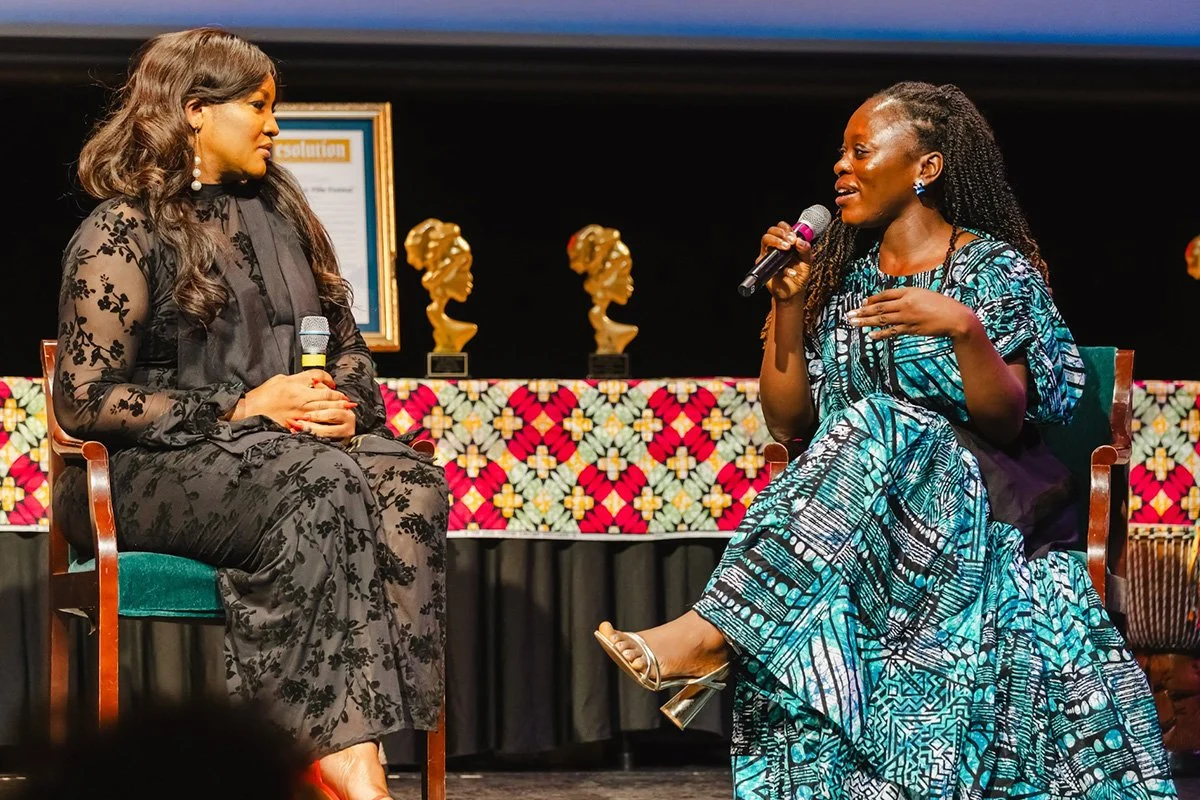
The Silicon Valley African Film Festival (SVAFF) prepares to mark its 17th annual edition in San Jose, California, standing as a premier cultural institution that provides a platform for African voices in a region dominated by global technology narratives. Despite its longevity and its strategic location within the wealthiest zip codes in the United States, the festival continues to operate under a cloud of financial uncertainty. For nearly two decades, SVAFF has cultivated a dedicated audience and fostered intricate relationships with tech industry giants, yet it faces a persistent struggle to secure the capital necessary to sustain a permanent workforce and expand its institutional footprint.
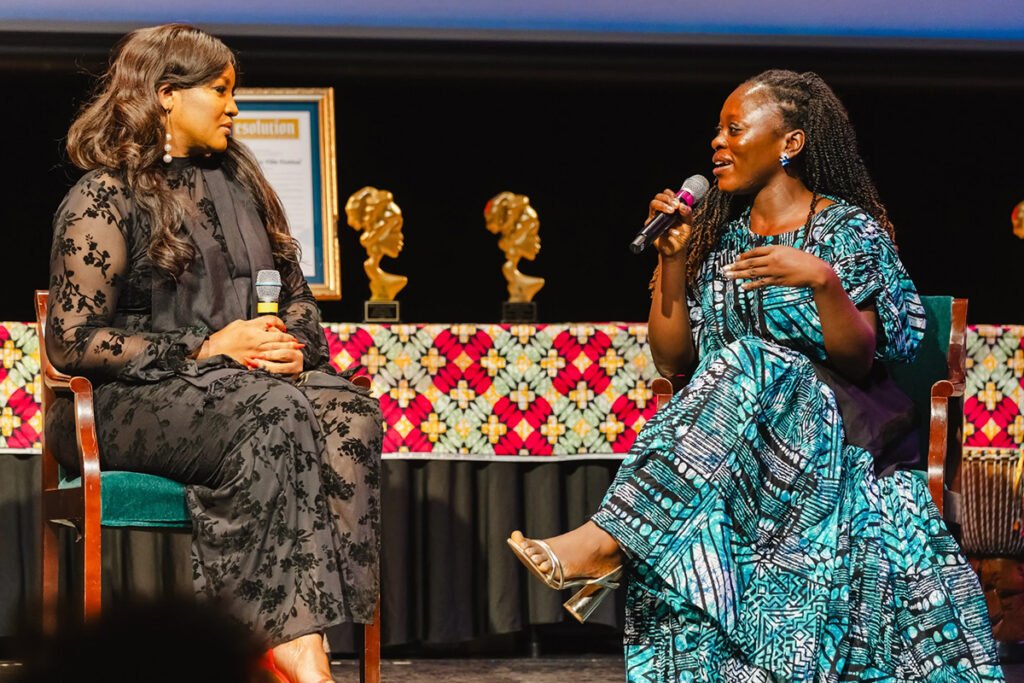
As the festival returns to the Historic Hoover Theatre from October 8 to 11, it will showcase a curated selection of 76 films representing 33 countries. This year’s lineup reflects the diversity of the African continent and its global diaspora, featuring a mix of narrative features, documentaries, and short films. Beyond the screenings, the event serves as a holistic cultural immersion, incorporating an African market, live musical performances, and panel discussions. While the festival offers visiting filmmakers unparalleled access to the tech companies whose hardware and software power modern cinema, the proximity to such vast wealth has not translated into the kind of long-term financial endowment typical of major cultural festivals in other metropolitan hubs.
The Evolution of a Cultural Vision: A Chronological Overview
The origins of the Silicon Valley African Film Festival are rooted in the personal journey of its founding director, Chike C. Nwoffiah. Born in Nigeria, Nwoffiah arrived in Silicon Valley as a graduate student 36 years ago. After a successful tenure in the biotechnology sector, he returned to his lifelong passion for theater and film, a transition that exposed him to the profound misconceptions Americans held regarding African life.
The timeline of the festival’s development illustrates a slow but steady institutionalization of Nwoffiah’s vision:
- 1988: Chike C. Nwoffiah arrives in Silicon Valley from Nigeria.
- Early 2000s: Nwoffiah begins teaching African history at a local college, using short films as a pedagogical tool to challenge stereotypes.
- 2008: The first iteration of the festival begins as a modest "Saturday morning" curation of 10 short films, aimed at sparking community dialogue.
- 2010–2016: SVAFF establishes its roots at the Community School of Music and Arts in Mountain View, California, gradually gaining recognition among the African immigrant community and local film enthusiasts.
- 2017: The festival moves its headquarters to San Jose to leverage the city’s larger African immigrant population, international airport, and diverse hotel infrastructure.
- 2020–2023: Like many arts organizations, the festival navigates the challenges of the COVID-19 pandemic, reinforcing its digital presence while maintaining its commitment to physical screenings.
- 2024: The 17th edition launches with nearly 1,000 submissions, highlighting the festival’s growing international prestige.
The festival’s mission has remained consistent: ensuring that African filmmakers retain the agency to tell their own stories. This year’s opening-night feature, Afrotōpia by David Mboussou, exemplifies this ethos. The film explores the tension between industrial logging and Indigenous sacred forests in the Congo Basin, providing a nuanced look at environmental and cultural preservation. Similarly, local Bay Area filmmaker Kenan Moos’s Diagnosing Healthcare bridges the gap between the continent and the diaspora by examining systemic medical injustices faced by Black Americans.
The Corporate Paradox: Engagement vs. Investment
One of the most striking aspects of SVAFF’s operations is its relationship with the Silicon Valley tech ecosystem. Over the years, Nwoffiah has successfully integrated the festival into the internal cultures of major corporations. SVAFF has established ties with employee resource groups (ERGs) such as Adobe’s Black Employee Network, Black@YouTube, and Africans@Google.
These partnerships provide significant benefits, including group ticket purchases, volunteer support, and hosting opportunities for visiting filmmakers. For instance, Adobe has hosted receptions at its San Jose headquarters, where filmmakers can interact with engineers and offer feedback on editing technology. At YouTube, filmmakers engage in discussions about the algorithms that govern content distribution.
However, Nwoffiah makes a critical distinction between "corporate engagement" and "corporate investment." While ERGs provide hospitality and volunteer labor, they often lack the budgetary authority to provide the substantial, multi-year grants required for institutional stability. SVAFF operates on an annual budget of less than $200,000—a figure that is remarkably low for an international film festival in a high-cost region. The organization has no permanent paid staff; instead, it relies on seasonal workers and Nwoffiah’s own unpaid labor, which he estimates at 80 hours per week during peak periods.
This financial fragility is exacerbated by the "Silicon Valley Address" perception. Some vendors and artists assume that because the festival is based in a wealthy tech hub, it is flush with capital, making it difficult for Nwoffiah to negotiate the affordable rates necessary for a nonprofit.
Economic Disparities and the Displacement of the Black Community
The struggles of SVAFF mirror a broader socioeconomic crisis affecting the Black population in Santa Clara County. Jocelyn Dubin, co-chair of the Black Leadership Kitchen Cabinet of Silicon Valley (BLKC), notes that cultural events like SVAFF are often "labors of love" that exist despite, rather than because of, the regional economic climate.
Supporting data highlights the precarious position of Black residents and organizations in the region:
- Housing and Wealth Gap: A 2024 analysis by the Silicon Valley Institute for Regional Studies found that homeownership among non-Hispanic Black adults in Santa Clara and San Mateo counties stands at approximately 34 percent, compared to 60 percent for non-Hispanic white adults.
- Demographic Shifts: Research by SV@Home indicates that between 2010 and 2020, 171 census tracts in the county saw a loss of Black residents, even as the overall population grew. Neighborhoods with higher poverty rates were particularly susceptible to this displacement.
- Cost of Living: The cost of living in Silicon Valley is significantly higher than the national average, a factor that Nwoffiah cites as a primary reason for losing seasonal staff and volunteers who can no longer afford to live in the area.
Dubin and other community leaders argue that the survival of institutions like SVAFF is intrinsically linked to the economic stability of the local Black community. Without affordable housing and support for Black-owned businesses and nonprofits, the cultural fabric that sustains the festival is at risk of unraveling. The BLKC has taken an active role in supporting the festival, funding tickets for those who cannot afford to attend and integrating Nwoffiah’s production expertise into other community initiatives like Black Family Day.
Educational Outreach and Community Integration
A core pillar of SVAFF’s mission is its educational programming, which seeks to provide a counter-narrative to the often-monolithic portrayal of Africa in Western media. The "Africa in the Classroom" initiative provides schools with access to a library of over 500 films, curated for age-appropriateness and subject matter.
During the festival, this commitment to education takes a tangible form. Through a partnership with the Santa Clara County Alliance of Black Educators, middle school students are bused to the Historic Hoover Theatre for special screenings and discussions. These sessions allow students to engage directly with filmmakers, fostering a deeper understanding of global cultures and the art of cinema.
Furthermore, the "African Cinema Café" series extends the festival’s reach throughout the year. By bringing screenings to smaller community settings, SVAFF uses film as a "pathway to courageous conversations" on topics ranging from mental health and grief to economic justice. Nwoffiah recalls instances where screenings on mental health led to healthcare professionals in the audience standing up to offer immediate resources and advice to attendees, demonstrating the festival’s role as a catalyst for community wellness.
Implications for the Future of Black-Led Nonprofits
The case of the Silicon Valley African Film Festival serves as a microcosm of the challenges facing Black-led nonprofits in high-tech corridors. While the festival has succeeded in building "cultural capital" and community trust, the lack of "financial capital" remains a barrier to scaling its impact.
Industry analysts suggest that for organizations like SVAFF to achieve sustainability, there must be a shift in how tech philanthropy operates. Moving beyond one-off sponsorships from employee groups toward direct, institutional support from corporate philanthropic arms could provide the "investment" Nwoffiah seeks. Additionally, urban planning that pairs affordable housing with support for cultural institutions is essential to preventing the further displacement of the artists and organizers who make these events possible.
Despite the hurdles, the festival’s impact on its participants remains profound. Nwoffiah points to the emotional reactions of the audience—from children refusing to leave after a screening of animated films to immigrants finding a sense of "home" in the theater—as the ultimate validation of the work. As the 17th edition approaches, the festival stands as a testament to the resilience of the African spirit and a call to action for a region that prides itself on innovation but has yet to fully invest in its own cultural diversity.
The survival of SVAFF is not merely an arts-and-culture issue; it is an economic and social justice imperative. As Nwoffiah observes, when a community feels an organization belongs to them, they will fight to keep it alive. The question remains whether the broader Silicon Valley ecosystem will join that fight with the financial resources necessary to ensure the festival’s next 20 years.