Pevita Pearce
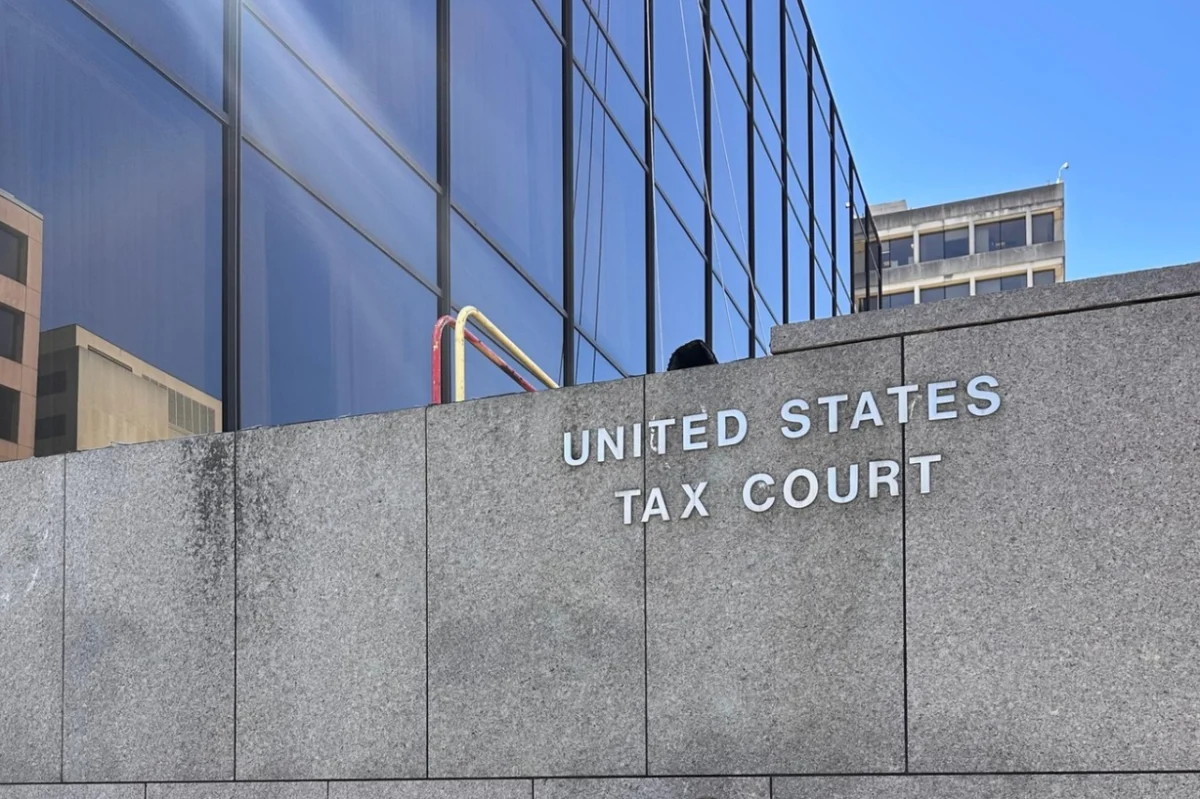
In a significant ruling that underscores the Internal Revenue Service’s (IRS) increasing scrutiny of conservation easement deductions, the Tax Court has denied substantial charitable deductions claimed by Del Monte LLC and associated investors in the case Del Monte LLC, TC Memo 2026-107, filed October 19, 2026. The decision highlights a critical requirement for these deductions: conservation easements must be granted in perpetuity, and inflated valuations, particularly those involving historic structures and urban development rights, are subject to intense examination. This case serves as a stark warning to taxpayers and promoters alike regarding the stringent legal and appraisal standards that must be met to qualify for these potentially lucrative tax benefits.
The Allure and Pitfalls of Conservation Easements
Conservation easements have long been a mechanism for landowners to receive significant charitable deductions while preserving land for specific conservation purposes. These easements allow property owners to retain ownership of their land, but they must grant certain rights—such as restrictions on development, use, or access—to a qualified charitable organization or government entity. When structured correctly and for qualifying conservation purposes, the donation of such an interest in property, owned for more than one year, can be deducted at its full fair market value (FMV). This deduction is subject to an annual limit of 30% of the taxpayer’s adjusted gross income (AGI), with any excess carried forward for up to five years.
The IRS, however, has a well-documented history of auditing and challenging conservation easement deductions, especially those it suspects have been artificially inflated or are part of abusive tax schemes. A particular area of concern has been the promotion of these easements through syndicates, often involving the preservation of historic buildings or the relinquishment of speculative development rights. These arrangements have repeatedly appeared on the IRS’s annual "Dirty Dozen" list of tax scams, signaling the agency’s aggressive stance against perceived abuses.
A Complex Scheme Unraveled: The Del Monte LLC Case
The core of the Del Monte LLC case involved a limited liability company (LLC) based in Ohio that, in conjunction with another LLC, acquired historically significant buildings in downtown Columbus. These properties were subsequently sold to a syndicate. The syndicate, in turn, orchestrated a multi-tiered partnership structure designed to distribute significant tax deductions to its investors. These deductions were purportedly based on the donation of conservation easements related to the historic structures.
The specific transactions involved the execution and recording of historic preservation easement agreements. These agreements imposed restrictions on the building facades and, crucially, involved the relinquishment of "unbuilt air development rights." The concept behind valuing these rights often hinges on speculative, hypothetical future development scenarios. To substantiate the substantial charitable deductions claimed—amounting to approximately $39 million—the promoter of the syndicate engaged architects and appraisers. These professionals prepared feasibility studies that projected massive, hypothetical vertical expansions atop the historic structures. The claimed deduction was based on the estimated value of the development rights that would be forfeited by imposing these restrictions.
However, the IRS challenged the validity and valuation of these easements. The agency’s objections centered on two primary concerns: the accuracy of the valuations placed on the easements and the compliance with the fundamental requirement that such easements must be granted in perpetuity.
The Tax Court’s Verdict: Perpetuity and Valuation in Focus
The Tax Court’s decision in Del Monte LLC aligned with the IRS’s position, denying the claimed charitable deductions. The court’s findings were based on two critical determinations:
- Excessive Valuation: The court concluded that the valuations of the conservation easements were indeed excessive. This implies that the appraisal methods used, particularly those relying on speculative future development potential, failed to meet the legal standards for determining fair market value in the context of charitable contributions. The IRS often scrutinizes appraisals that rely on hypothetical scenarios, especially when they lead to disproportionately large deductions.
- Failure to Comply with Perpetuity Rules: Perhaps the most significant aspect of the ruling was the determination that the syndicate failed to comply with the perpetuity rules. For a conservation easement to qualify for a charitable deduction, the restriction on the property must be permanent. This means it cannot be terminated or extinguished under any foreseeable circumstances. The court’s finding suggests that the easement agreements, as structured or interpreted, did not meet this stringent requirement, thereby invalidating the deduction.
The concept of perpetuity is fundamental to the integrity of conservation easements. It ensures that the conservation benefits are realized indefinitely, justifying the substantial tax benefits provided to the donor. If an easement can be terminated or extinguished, the charitable purpose is undermined, and the deduction is therefore unwarranted.
Broader Implications for Real Estate Owners and Investors
The Del Monte LLC ruling carries significant implications for a wide range of stakeholders in the real estate and tax advisory sectors:
For Real Estate Owners Considering Easements:
- Strict Adherence to Rules: The case reiterates the absolute necessity for property owners to strictly adhere to all IRS regulations governing conservation easements. This includes ensuring that the easement is granted for a qualified conservation purpose (such as preserving relatively natural habitats, open space for scenic enjoyment or public benefit, or historic structures) and that it is granted in perpetuity.
- Independent and Rigorous Appraisals: Taxpayers must obtain appraisals that are not only defensible but also based on sound valuation methodologies that accurately reflect the FMV of the donated interest. Relying on promoters’ inflated valuations or appraisals based on speculative future development rights is extremely risky. Engaging independent, qualified appraisers with a deep understanding of conservation easement valuation is crucial.
- Understanding the Irrevocability: Once a conservation easement is granted, it is generally irrevocable. This means that any decision to donate an easement should be made only after careful consideration of all potential implications, including the long-term impact on property rights and the tax benefits. There is no "going back" once the easement is legally established.
- Due Diligence on Promoters: For those considering participating in syndicated conservation easement deals, extensive due diligence on the promoters and the proposed structure is paramount. The IRS’s "Dirty Dozen" designation for such schemes serves as a red flag. Investors should seek independent tax and legal advice to understand the risks involved.
For Tax Professionals:
- Heightened Scrutiny and Responsibility: Tax advisors play a critical role in guiding clients through the complex landscape of conservation easements. The Del Monte LLC ruling underscores the need for professionals to maintain a high degree of diligence, ensuring that their advice and the structures they recommend are fully compliant with IRS regulations and current tax court interpretations.
- Understanding Evolving IRS Positions: The IRS continually refines its approach to auditing and challenging tax shelters. Professionals must stay abreast of the latest IRS pronouncements, court decisions, and enforcement priorities related to conservation easements.
- Ethical Considerations: Promoting or facilitating abusive tax schemes carries significant professional and ethical risks, including penalties and potential disbarment. Advisors must prioritize their clients’ legitimate tax planning needs over aggressive or questionable strategies.
For the Real Estate and Conservation Sectors:
- Reinforcement of Legitimate Conservation Efforts: While this ruling targets abusive practices, it also, by extension, reinforces the integrity of legitimate conservation easement programs. By weeding out fraudulent claims, the IRS aims to protect the credibility of genuine conservation initiatives that benefit society.
- Potential Chilling Effect: Conversely, overly aggressive IRS enforcement or highly publicized court losses can potentially create a chilling effect on legitimate conservation easement donations, even for those structured with the best intentions and in full compliance. Landowners might become hesitant to engage in these transactions due to fear of prolonged audits or legal battles.
- Focus on Urban Conservation: The case’s involvement of historic buildings in an urban setting also highlights that conservation easements are not solely confined to rural or wilderness areas. However, it underscores that the valuation and perpetuity requirements apply with equal rigor, regardless of the property’s location or type. The valuation of development rights in urban areas, particularly those based on speculative expansions, will likely face intense scrutiny.
Background and Chronology of the Case (Inferred)
While the precise timeline of the Del Monte LLC transaction is not fully detailed in the provided memo excerpt, a plausible chronology can be inferred:
- Pre-2026: Del Monte LLC and its partner LLC acquire historically significant buildings in downtown Columbus, Ohio.
- Circa 2020-2023: The syndicate is formed, and partnerships are structured. The syndicate acquires the properties or the rights to structure easements on them.
- Circa 2023-2024: Historic preservation easement agreements are executed and recorded, imposing facade restrictions and relinquishing unbuilt air development rights. Appraisals and feasibility studies supporting the claimed deductions are prepared by architects and appraisers.
- Tax Year(s) in Question: Investors in the syndicate claim approximately $39 million in charitable deductions for the tax years in which the easements were donated.
- IRS Audit Initiated: The IRS identifies the conservation easement deductions claimed by the syndicate’s investors as potentially abusive or inflated. An audit is initiated.
- IRS Challenges Deductions: Following its audit, the IRS disallows the claimed charitable deductions, citing concerns over valuation and the perpetuity requirement.
- Tax Court Litigation: Del Monte LLC and potentially other parties involved in the syndicate challenge the IRS’s determination by filing a case with the U.S. Tax Court.
- October 19, 2026: The Tax Court issues its memorandum opinion in Del Monte LLC, TC Memo 2026-107, ruling in favor of the IRS and denying the deductions.
Official Statements and Expert Analysis (Inferred)
While no direct quotes from the parties are available in the excerpt, the Tax Court’s decision speaks volumes. An IRS spokesperson, in a hypothetical statement, might emphasize the agency’s commitment to ensuring the integrity of the tax system. "The IRS is dedicated to preventing tax fraud and abuse. Conservation easements are valuable tools for conservation, but they must be structured in strict compliance with the law. We will continue to challenge schemes that misrepresent the value of donated property or fail to meet essential legal requirements, such as the perpetuity rule."
Tax attorneys specializing in this area might offer further analysis. "This ruling is a clear signal from the Tax Court that the IRS’s aggressive stance on conservation easements is being upheld," commented a hypothetical tax attorney. "The emphasis on perpetuity is not new, but the court’s clear finding of non-compliance in this case, coupled with the denial of deductions based on inflated valuations of speculative development rights, should serve as a significant deterrent to promoters of similar schemes. Taxpayers and their advisors must prioritize robust, defensible valuations and absolute adherence to the permanent nature of the easement."
The Path Forward: Navigating Conservation Easements with Caution
The Del Monte LLC case is a critical reminder that while conservation easements can offer substantial tax benefits, they are not a guaranteed loophole. The IRS and the courts are increasingly vigilant in scrutinizing these transactions. Property owners and their advisors must approach conservation easement donations with a thorough understanding of the legal requirements, meticulous attention to detail in appraisal processes, and a commitment to genuine conservation outcomes. The prospect of significant charitable deductions should never overshadow the fundamental need for legal compliance and ethical practice. For those considering such donations, particularly those involving complex structures or urban development rights, consulting with experienced legal and tax professionals who specialize in this area is not just advisable, but essential. The stakes, as demonstrated by this $39 million denial, are extraordinarily high.