Lina Irawan
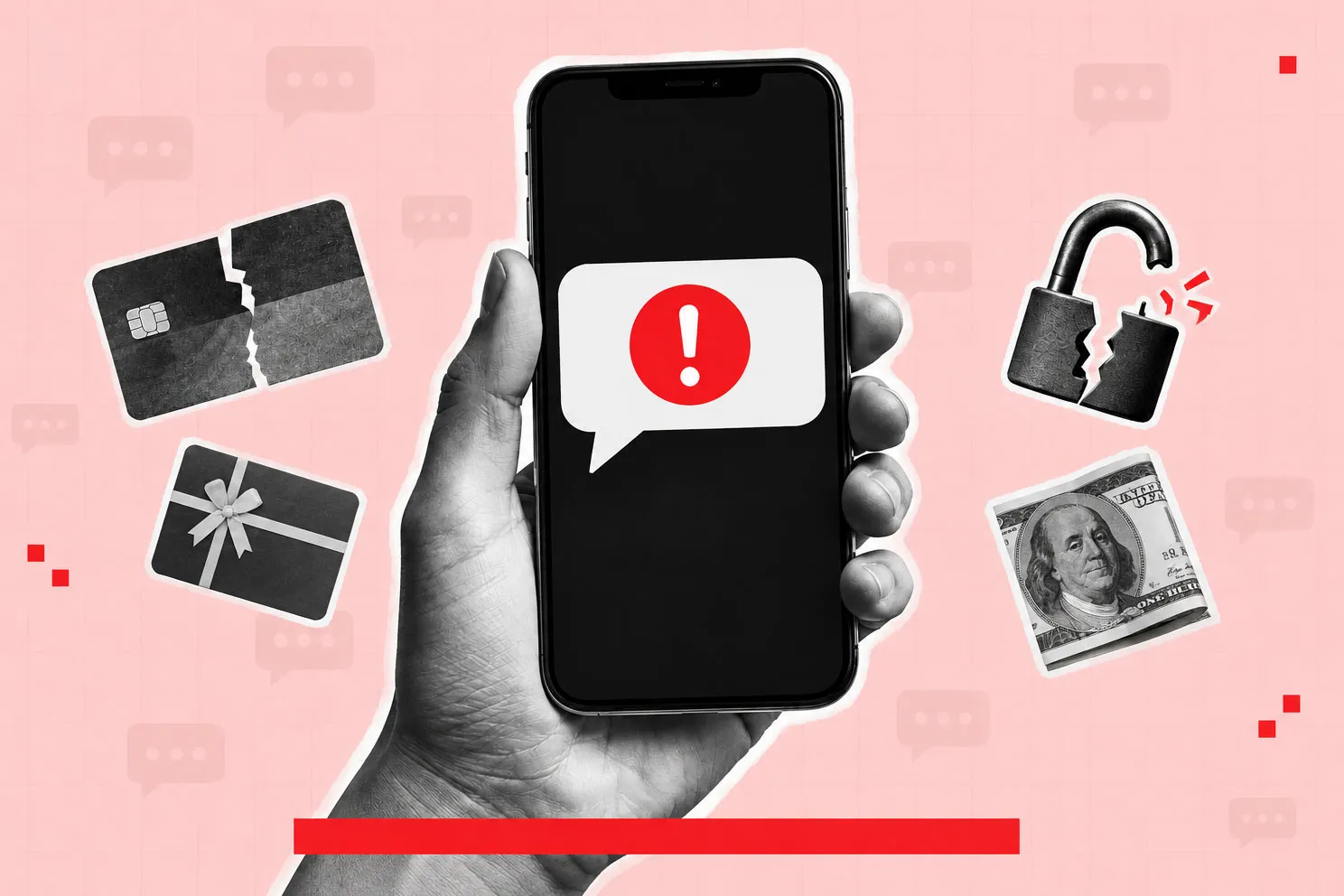
The highly anticipated European Travel Information and Authorization System (ETIAS), designed to enhance border security and streamline travel for visa-exempt visitors to the Schengen Area, has faced multiple delays, now projected to launch no earlier than 2027. This protracted postponement has inadvertently created a fertile ground for sophisticated online scams, with over 150 fraudulent websites identified by reports from The Guardian, actively advertising and accepting advance applications for a travel authorization that does not yet exist. Unsuspecting travelers, particularly those from nations like the United States accustomed to visa-free entry, risk losing money, and more critically, compromising their sensitive personal information to these illicit operations.
Understanding ETIAS: A Digital Layer for European Security
The European Travel Information and Authorization System (ETIAS) is not a visa but an electronic travel authorization, akin to the United States’ ESTA or Canada’s eTA. Its primary purpose is to pre-screen travelers from approximately 60 visa-exempt countries before their arrival in the Schengen Area, thereby strengthening the security of the bloc’s external borders. This initiative stems from a broader EU strategy to manage growing geopolitical challenges, combat terrorism, and tackle organized crime, while simultaneously facilitating legitimate travel.
Once operational, ETIAS will apply to citizens of dozens of nations, including the United States, Canada, Australia, and the United Kingdom, who currently enjoy visa-free access to the Schengen Zone. These travelers will need to obtain an ETIAS authorization before embarking on their journey to any of the 30 participating European countries, which encompass popular destinations such as France, Italy, Spain, Germany, Greece, and the Netherlands. Collectively, these nations attract tens of millions of American tourists annually, with France alone hosting over 4 million U.S. visitors in a typical year, and Italy often surpassing that figure. The authorization will permit short stays of up to 90 days within any 180-day period and will remain valid for three years or until the traveler’s passport expires, whichever comes first.
The application process, when it officially launches, is designed to be entirely online via a dedicated European Union website. The standard fee for an ETIAS authorization is set at €20 (approximately $23, subject to exchange rate fluctuations). Crucially, travelers under the age of 18 and over 70 will be exempt from this fee, reflecting a commitment to accessibility and fairness. The system aims for rapid processing, with most applications expected to be approved within minutes. However, in certain cases, manual review may be required, extending the processing time.
A Protracted Journey: The ETIAS Implementation Timeline
The concept of ETIAS first emerged in 2016, driven by a desire to enhance security in the wake of various geopolitical events and terrorist attacks. The European Commission formally proposed its creation in April 2016, drawing parallels with successful systems in North America. The legislative process culminated in the official adoption of the ETIAS Regulation in September 2018, marking a significant step towards its implementation.
Initially, ETIAS was slated for launch in early 2021. However, the complexities of integrating new IT systems across 30 different national border agencies, coupled with the need for robust data protection protocols and extensive technical development, led to the first round of delays. The COVID-19 pandemic further exacerbated these challenges, shifting priorities and straining resources across the continent. The launch date was subsequently pushed to late 2022, then to May 2023, and later to early 2024.
Each postponement has been attributed to a combination of factors, including the need for additional development time for the underlying IT architecture, the establishment of comprehensive data-sharing agreements between member states, and ensuring full interoperability with other EU systems such as the Entry/Exit System (EES). The EES, which will electronically register non-EU citizens each time they cross an EU external border, is itself a massive undertaking that needs to be fully operational before ETIAS can effectively function. The latest official communications indicate that ETIAS will not be implemented until at least 2027. This continuous shifting of the timeline has unfortunately created a vacuum of information and certainty, which scammers have been quick to exploit.
The Rise of Deception: Unmasking the ETIAS Scam Epidemic
The confusion surrounding the ETIAS launch date has been a boon for fraudulent operators. A recent investigation uncovered over 150 websites actively soliciting applications and payments for ETIAS authorizations, despite the system not being operational. These sites prey on travelers’ desire for preparedness and their potential unawareness of the delays.
Scammers employ a range of sophisticated tactics to lend an air of legitimacy to their operations:
- Lookalike Websites: Many fraudulent sites are meticulously designed to mimic official European Union government pages. They often use convincing web addresses that might include terms like "europa," "eu," "etias-gov," or "official-etias," subtly differing from the true official domain (europa.eu/etias).
- Government-Style Layouts and Branding: These sites frequently feature layouts, color schemes, and even copyrighted EU logos and emblems, creating a powerful illusion of authenticity. High-quality graphics and professional-sounding language further enhance their deceptive appeal.
- Misleading Information: Fraudulent platforms often provide outdated or entirely false information about travel requirements, application fees, and processing times. They might claim an urgent need to apply "now" to avoid future complications or higher costs, creating a false sense of urgency.
- Exaggerated Fees: While the official ETIAS fee will be €20, scam sites frequently charge significantly higher amounts, sometimes upwards of €70-€100, for an authorization that doesn’t exist. These exorbitant fees are often disguised as "processing," "expedited service," or "translation" charges.
- Collection of Sensitive Data: Beyond the financial loss, the most significant risk lies in the collection of sensitive personal information. Fraudulent operators request passport details, full names, dates of birth, addresses, and credit card numbers. This data is a goldmine for identity thieves, who can use it to open fraudulent accounts, make unauthorized purchases, or engage in other forms of financial fraud. The global cost of identity theft is substantial, with estimates often running into billions of dollars annually, affecting millions of individuals worldwide.
It is important to note that not every third-party ETIAS website is necessarily fraudulent in the long term. Once ETIAS officially launches, legitimate commercial intermediaries will likely be allowed to submit applications on behalf of travelers, offering convenience for an additional fee. However, for now, no company, legitimate or otherwise, can genuinely obtain or process an ETIAS authorization. Any claim to do so is, by definition, misleading.
Official Warnings and the European Union’s Stance
European Union authorities have been vocal in their warnings against these scams. The European Commission, responsible for the implementation of ETIAS, has repeatedly emphasized that the system is not yet operational and that travelers should refrain from applying through any channel claiming otherwise. Official statements often reiterate that the only legitimate source for ETIAS information and, eventually, applications, will be the official ETIAS website managed by the EU.
National border agencies and tourism boards across Europe have also disseminated warnings through their respective channels, advising citizens and potential visitors to exercise extreme caution. These warnings often highlight the financial risks and, more importantly, the dangers of identity theft associated with sharing personal data on unofficial sites. The EU is actively working with cybersecurity firms, domain registrars, and international law enforcement agencies to identify and take down fraudulent websites, though this remains an ongoing challenge given the ease with which new sites can be created. The fight against these scams is a continuous game of cat and mouse, underscoring the need for individual traveler vigilance.
Broader Implications: Trust, Security, and Digital Borders
The ETIAS scam epidemic carries broader implications beyond individual financial losses. It can erode public trust in official digital government services and future cross-border initiatives. When travelers encounter fraudulent systems purporting to be official, it creates skepticism and confusion, potentially hindering the smooth adoption of legitimate digital tools designed for security and efficiency.
For the European Union, the challenge lies in effectively communicating crucial information in a rapidly evolving digital landscape. The repeated delays, while perhaps necessary for technical integrity, have inadvertently created an information gap that scammers have exploited. This highlights the critical need for clear, consistent, and widely publicized communication strategies from governmental bodies regarding major digital transformations like ETIAS.
Furthermore, these scams underscore the growing global threat of cybercrime and identity theft in an increasingly digitized world. As more processes move online, the opportunities for malicious actors to exploit vulnerabilities – whether technical or human – multiply. The ETIAS situation serves as a stark reminder that vigilance against online fraud is not merely an individual responsibility but a collective societal challenge that requires robust cybersecurity infrastructure, effective law enforcement, and ongoing public education campaigns. The estimated global cost of cybercrime is projected to reach trillions of dollars annually in the coming years, with individual consumers often bearing the brunt of these attacks.
Safeguarding Your Journey: Practical Advice for Travelers
Navigating the complexities of international travel requirements demands careful attention, especially when new systems are being introduced. To protect yourself from ETIAS waiver scams and similar fraudulent schemes, travelers should adhere to the following critical precautions:
- Avoid Premature Applications: The most crucial rule is simple: do not pay for an ETIAS authorization until the program officially launches. Any website claiming it can secure your approval now is unequivocally misleading you. The earliest official launch date is now 2027.
- Verify Official Sources: For all updates and eventual application procedures, rely solely on the official ETIAS website: europa.eu/etias. Bookmark this address and always navigate directly to it. Be extremely wary of links from unsolicited emails, social media ads, or third-party travel blogs unless you have independently verified their legitimacy.
- Scrutinize Web Addresses (URLs): Fraudulent websites often use URLs that closely resemble official ones but contain subtle misspellings, additional words (e.g., "etias-apply.com" instead of "europa.eu/etias"), or different top-level domains (.org, .info instead of .eu or country-specific domains for official government sites). Always double-check the URL in your browser’s address bar.
- Beware of Urgency and Pressure Tactics: Legitimate government processes do not typically pressure applicants with "limited-time offers" or threats of increased fees if not applied for immediately. A false sense of urgency is a common scam tactic.
- Examine Website Aesthetics and Content: While some scam sites are sophisticated, others may have grammatical errors, awkward phrasing, or inconsistent branding. Legitimate government websites are typically meticulously maintained and professionally presented.
- Understand Payment Security: When the time comes for legitimate applications, ensure that any payment gateway is secure (look for "https://" in the URL and a padlock icon in your browser). Be cautious about websites that only accept unconventional payment methods or wire transfers, which are often untraceable.
- Distinguish ETIAS from UK ETA: It is vital to remember that ETIAS is entirely separate from the United Kingdom’s own electronic travel authorization (ETA) system. The UK ETA is already being rolled out for certain nationalities and has its own distinct application requirements and costs (£10, or about $13). Travelers planning to visit both the EU and the UK will eventually need both separate authorizations.
- Monitor Financial Statements: Regularly review your credit card and bank statements for any unauthorized charges, especially if you have inadvertently interacted with a suspicious website.
- Reporting Fraud and Identity Theft: If you suspect you’ve fallen victim to an ETIAS scam, take immediate action.
- Contact your credit card issuer: Dispute the charge and explain the situation. They may cancel your card and issue a new one to prevent further unauthorized transactions.
- Report to relevant authorities: Depending on your location, contact local law enforcement or consumer protection agencies.
- Protect against identity theft: If you’ve shared sensitive personal information (passport details, full name, date of birth), visit resources like IdentityTheft.gov (for U.S. residents) for guidance on placing fraud alerts, freezing credit, and monitoring your financial accounts.
The Future of European Travel Authorization
Despite the delays and the current challenges posed by fraudulent activities, the European Travel Information and Authorization System remains a cornerstone of the EU’s future border management strategy. Once fully operational, ETIAS is expected to streamline entry procedures for eligible travelers, enhance security by pre-screening visitors, and contribute to the overall safety of the Schengen Area. The system is a reflection of a global trend towards digitalizing borders to manage increased travel volumes and evolving security threats.
For now, however, the safest and most prudent course of action for Americans and other visa-exempt travelers planning a trip to participating European countries is patience. There is absolutely no requirement for an ETIAS authorization at present. Engaging with any third party offering "advance applications" for a non-existent system is a needless risk to both your finances and your personal security. Waiting for the official launch and applying directly through the verified European Union portal is the only guaranteed way to secure a legitimate authorization and avoid becoming another statistic in the growing problem of online travel scams. The journey to a fully digital and secure European border is ongoing, and traveler vigilance remains the most potent defense against those who seek to exploit this transition.