admin
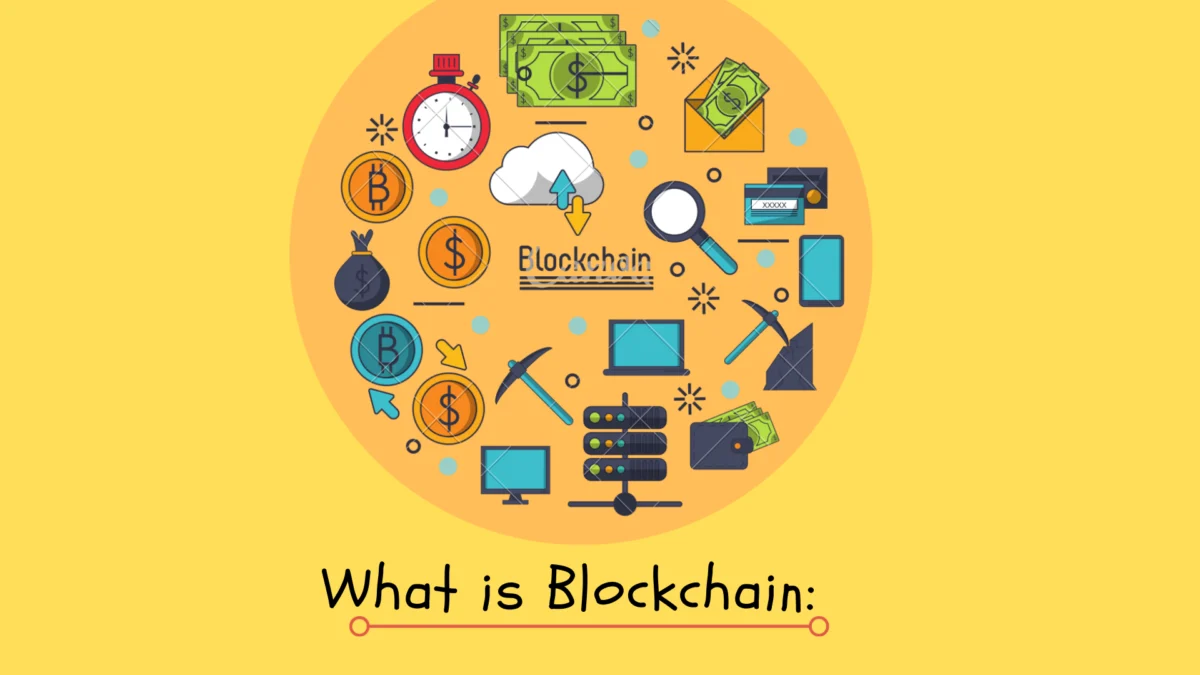
The traditional methods of online payments, heavily reliant on intermediaries such as banks and credit card companies, are increasingly facing disruption from the emergent capabilities of blockchain technology. This innovation promises a paradigm shift towards a digital landscape where transactions and data exchanges can occur with unprecedented levels of security, transparency, and decentralization, potentially reducing the need for trusted third parties. This article delves into the foundational principles, historical evolution, operational mechanics, diverse applications, and the broader implications of blockchain technology.
Understanding the Core Principles of Blockchain
At its essence, a blockchain is a distributed, immutable ledger that records transactions in a secure and verifiable manner. Unlike a conventional centralized database, where information is stored and controlled by a single entity, a blockchain distributes identical copies of its ledger across a network of interconnected computers, known as nodes. Each "block" in the chain contains a timestamped batch of valid transactions, and once a block is added, it is cryptographically linked to the previous one, forming an unbreakable chain. This structure ensures that any attempt to alter past data would necessitate altering all subsequent blocks across the entire network, a computationally near-impossible task, thereby guaranteeing the integrity and immutability of the records. This fundamental design principle is often referred to as Distributed Ledger Technology (DLT).
A Brief History of Digital Immutability
The conceptual roots of blockchain technology predate Bitcoin by several decades. The initial breakthrough can be traced back to 1991 when two mathematicians, Stuart Haber and W. Scott Stornetta, introduced a cryptographically secured chain of blocks. Their seminal work focused on a system designed to ensure that digital document timestamps could not be tampered with, laying the theoretical groundwork for verifiable, immutable records. This early innovation, published in the Journal of Cryptology, sought to create a practical solution for securing digital data by linking blocks of information using cryptographic hashes, making any modification detectable.
Building upon these foundational concepts, the idea of digital cash began to emerge. In 1998, computer scientist Nick Szabo proposed "Bit Gold," a decentralized digital currency system. Although Bit Gold was never fully implemented, its design incorporated several features that would later become integral to cryptocurrencies, including cryptographic proof of work to create new units and a distributed ledger to record transactions. Szabo’s vision underscored the potential for a monetary system free from central control, anticipating many of the principles that define modern blockchain applications.
However, it was not until 2008 that the theoretical concepts coalesced into a practical, working system. An anonymous entity or group known as Satoshi Nakamoto published a whitepaper titled "Bitcoin: A Peer-to-Peer Electronic Cash System." This paper detailed the design of Bitcoin, the world’s first cryptocurrency, which leveraged a novel implementation of blockchain technology to create a decentralized, trustless digital payment system. The Bitcoin network launched in January 2009, demonstrating the viability of a blockchain-based currency and sparking global interest in the underlying technology. Satoshi Nakamoto’s innovation was not merely an invention of a digital currency but the successful deployment of a robust, decentralized ledger that could maintain consensus without a central authority, a truly revolutionary achievement. Following Bitcoin, the ecosystem expanded significantly with the launch of Ethereum in 2015, which introduced "smart contracts" – self-executing contracts with the terms of the agreement directly written into code – further broadening the potential applications of blockchain beyond mere currency.
How Blockchain Technology Operates: A Step-by-Step Overview
The operational mechanism of a blockchain, while complex in its cryptographic underpinnings, can be understood through a series of logical steps that ensure data integrity and network security:
- Transaction Initiation: A participant initiates a transaction, which could be a monetary transfer, a data record, or a contract execution. This transaction is bundled with others into a data block.
- Verification and Validation: The proposed block of transactions is broadcast to all nodes in the network. These nodes then verify the legitimacy of the transactions within the block, checking against existing records and established network rules. For example, in a cryptocurrency network, nodes would verify that the sender has sufficient funds.
- Consensus Mechanism: To add a new block to the chain, the network must agree on its validity through a consensus mechanism. The most well-known mechanism is "Proof of Work" (PoW), used by Bitcoin, where "miners" compete to solve a complex computational puzzle. The first to solve it proposes the new block, and if other nodes verify its correctness, it’s accepted. Other mechanisms, like "Proof of Stake" (PoS), involve validators pledging their cryptocurrency as collateral to participate in block creation, offering a more energy-efficient alternative.
- Block Creation and Hashing: Once validated and a consensus is reached, a new block is created. This block contains the transaction data, a timestamp, and a unique cryptographic hash of the previous block. This hash acts as a digital fingerprint, linking the new block irrevocably to its predecessor.
- Chain Addition and Distribution: The newly validated block is added to the existing blockchain, extending the chain. Copies of the updated blockchain are then distributed across all network nodes, ensuring that every participant has an identical, up-to-date record of all transactions. This distributed nature is key to its resilience and security.
This continuous process, executed rapidly by modern computing infrastructure, ensures that the ledger is constantly growing, transparently updated, and resistant to unauthorized alterations. The cryptographic linking of blocks means that even a minor change in an old block would invalidate all subsequent blocks, making such an act immediately detectable and rejected by the network.
The Power of Decentralization
One of the most transformative aspects of blockchain is its inherent decentralization. In a centralized system, a single authority holds control over data and operations, creating a single point of failure and potential vulnerability to censorship, manipulation, or cyberattacks. Blockchain mitigates these risks by distributing power and data across a vast network of independent nodes.
Imagine a critical database, such as a national identity registry or a global supply chain record. If this database is centralized, a breach of its security could lead to widespread data loss or corruption. With a blockchain, however, information is replicated across thousands or even millions of computers globally. If one node or a small group of nodes experiences an issue or is compromised, the integrity of the overall system remains unaffected because the vast majority of other nodes hold the correct, verifiable data. This distributed validation and storage mechanism ensures the authenticity and irreversibility of records, making blockchain an exceptionally robust and secure technology. This architectural choice fosters a trustless environment where participants do not need to rely on a central intermediary, but rather on the cryptographic security and consensus mechanisms of the network itself.
Diverse Applications Beyond Cryptocurrency
While blockchain’s initial prominence stemmed from its role in powering cryptocurrencies like Bitcoin and Ethereum, its capabilities extend far beyond digital money. Major corporations and industries are actively exploring and implementing blockchain solutions for various critical functions.
Supply Chain Management: A prime example of blockchain’s real-world impact is in supply chain management. Companies like Walmart, in partnership with IBM Food Trust, utilize blockchain to track the journey of food products from farm to consumer. This system allows for instant traceability, reducing the time it takes to identify the source of contamination outbreaks (e.g., E. coli, Salmonella) from weeks or months to mere seconds. For instance, in 2018, Walmart mandated its leafy green suppliers to upload their data to the blockchain, significantly improving response times for potential recalls and enhancing consumer safety. This transparency also helps in combating counterfeiting and ensuring ethical sourcing. Other companies like Maersk and IBM also collaborated on TradeLens, a blockchain-enabled shipping solution, to streamline logistics for millions of shipping containers globally.
Healthcare: Blockchain offers a secure and immutable way to manage sensitive patient data. Electronic health records can be stored and shared across different providers with enhanced security and patient consent controls, ensuring data privacy while facilitating interoperability. This can streamline insurance claims, improve drug traceability to combat counterfeit medications, and securely manage clinical trial data.
Identity Management: The concept of "self-sovereign identity" is gaining traction, where individuals control their digital identities on a blockchain, selectively revealing information as needed without relying on centralized authorities. This could revolutionize national IDs, passports, and digital credentials, offering enhanced privacy and security.
Voting Systems: Several initiatives are exploring blockchain for secure and transparent voting systems. The immutability of the ledger could prevent tampering with votes, enhance voter confidence, and streamline the auditing process, though widespread adoption still faces significant technical and regulatory hurdles.
Real Estate: Blockchain can streamline property transactions, reduce fraud, and lower administrative costs by creating a transparent and immutable record of ownership and transfer. Asset tokenization, where real-world assets are represented as digital tokens on a blockchain, is also transforming how illiquid assets can be traded.
Intellectual Property Rights: Artists, musicians, and creators can use blockchain to timestamp and register their intellectual property, providing undeniable proof of ownership and creation, simplifying royalty distribution, and combating copyright infringement.
Companies like AIG, Siemens, Pfizer, and Unilever are among those investing in blockchain solutions, recognizing its potential to enhance operational efficiency, security, and transparency across their vast global operations. These applications underscore blockchain’s versatility as a foundational technology capable of underpinning secure data management across virtually any industry.
Advantages and Challenges of Blockchain Implementation
While blockchain presents a compelling vision for a more secure and efficient digital future, its adoption comes with both significant advantages and inherent challenges.
Advantages (Pros):
- Enhanced Security: Cryptographic encryption and decentralization make blockchain highly resistant to fraud, tampering, and cyberattacks. Data, once recorded, is immutable.
- Transparency: All participants on a public blockchain can view the entire transaction history, fostering trust and accountability. Private blockchains offer controlled transparency.
- Decentralization: Eliminates the need for intermediaries, reducing costs, speeding up processes, and removing single points of failure.
- Immutability: Records cannot be altered or deleted, providing a reliable and verifiable audit trail.
- Efficiency: Automated processes through smart contracts and reduced reliance on manual reconciliation can significantly speed up transactions and business processes.
- Reduced Costs: By eliminating intermediaries and automating tasks, blockchain can lower operational costs in many sectors.
Challenges (Cons):
- Scalability: Many existing blockchain networks, particularly public ones, struggle with processing a high volume of transactions per second compared to traditional centralized systems. This can lead to slower transaction times and higher fees during peak usage.
- Energy Consumption: Consensus mechanisms like Proof of Work (PoW) consume vast amounts of energy, raising environmental concerns. While PoS offers a more sustainable alternative, it is not universally adopted.
- Regulatory Uncertainty: The rapidly evolving nature of blockchain technology often outpaces regulatory frameworks, creating legal ambiguities and compliance challenges for businesses.
- Interoperability: Different blockchain networks often operate in silos, making it challenging for them to communicate and exchange data seamlessly.
- Complexity: Implementing and integrating blockchain solutions can be complex, requiring specialized technical expertise and significant upfront investment.
- Data Storage Limitations: Storing large amounts of data directly on a blockchain can be expensive and inefficient. Solutions often involve storing data off-chain and using the blockchain for verification and integrity checks.
- Irreversibility of Transactions: While an advantage for security, the immutability of records means that erroneous transactions are difficult or impossible to reverse, posing challenges for error correction.
The Future Landscape: Industry Adoption and Broader Implications
The trajectory of blockchain adoption indicates a growing understanding of its potential beyond speculative cryptocurrencies. Analysts project the global blockchain market to expand significantly, driven by increasing enterprise adoption and government interest in DLT. The initial hesitation stemming from technological complexity and regulatory uncertainty is gradually giving way to strategic investments and pilot programs across diverse sectors.
In finance, blockchain is poised to revolutionize everything from cross-border payments and remittances to trade finance and capital markets. Solutions leveraging blockchain can reduce settlement times, lower transaction costs, and enhance the security of financial instruments. Governments and public sector organizations are exploring blockchain for digital identities, land registries, and transparent governance initiatives. The healthcare sector continues to invest in securing patient data and streamlining supply chains for pharmaceuticals.
Furthermore, blockchain is a foundational technology for emerging digital paradigms like Web3, Non-Fungible Tokens (NFTs), and the Metaverse. Web3 aims to build a decentralized internet where users have greater control over their data and digital assets. NFTs, unique digital assets recorded on a blockchain, are transforming ownership in digital art, collectibles, and gaming. The Metaverse, a persistent virtual world, will likely rely on blockchain for secure ownership of virtual assets and interoperability.
The widespread integration of blockchain into mainstream industries, as anticipated by industry leaders and technology analysts, is not a distant future but a current trend gaining momentum. As the technology matures, scalability solutions improve, and regulatory clarity emerges, blockchain is expected to become an indispensable component of the global digital infrastructure, fundamentally altering how we perceive and manage trust, data, and value in the digital age.
Addressing Frequently Asked Questions About Blockchain
To further clarify common queries, here are concise answers to frequently asked questions regarding blockchain technology:
Is Blockchain a cryptocurrency?
No, blockchain is not a cryptocurrency. It is the underlying technology, a distributed ledger system, that enables cryptocurrencies like Bitcoin and Ethereum to function securely and transparently. Cryptocurrencies are merely one application of blockchain technology.
Is it possible for Blockchain to be hacked?
While theoretically possible, hacking a well-established and large blockchain network like Bitcoin or Ethereum is extraordinarily difficult and expensive. It would typically require controlling a majority (51%) of the network’s computing power to override consensus and alter the ledger, an endeavor that becomes exponentially harder as the network grows. Smaller, less decentralized blockchains might be more vulnerable, but the inherent design of robust blockchains makes them highly secure against conventional hacking attempts.
What is the most prominent blockchain company?
Coinbase Global is widely recognized as one of the most prominent blockchain companies, primarily operating as a leading cryptocurrency exchange platform. It provides extensive infrastructure and services for the digital currency economy, including trading, custody, and development tools for various blockchain assets. However, many other major technology firms like IBM, Microsoft, and Amazon also have significant blockchain divisions and offerings.
Who owns Blockchain?
Blockchain, especially public blockchains like Bitcoin’s, is a decentralized technology with no single owner. It is maintained by a network of independent participants (nodes) who collectively validate and store the ledger. While specific blockchain implementations or platforms might be owned by companies (e.g., Hyperledger Fabric by the Linux Foundation), the fundamental concept of a decentralized, public blockchain is not proprietarily owned.
What is the difference between Bitcoin and Blockchain technology?
Bitcoin is a specific cryptocurrency, a digital asset designed to be a medium of exchange, which was the first practical application of blockchain technology. Blockchain, on the other hand, is the underlying distributed ledger technology that records and secures all Bitcoin transactions. Think of it this way: blockchain is the engine, and Bitcoin is the first car built with that engine.
What is the difference between Blockchain and a Database?
While both store data, their architectures and core principles differ significantly. A traditional database is typically centralized, allowing authorized users to modify or delete data, and it operates on a client-server model. A blockchain, conversely, is a distributed and decentralized ledger where data is stored in cryptographically linked blocks. Once a block is added, its data is immutable, meaning it cannot be changed or deleted. This design eliminates the need for a central authority and ensures data integrity through consensus mechanisms across the network, fundamentally differentiating it from a conventional database.
Blockchain technology represents a profound shift in how digital information is stored, secured, and transferred. Its ability to create trust in a trustless environment, coupled with its robust security features and potential for disintermediation, positions it as a cornerstone of future digital infrastructures. While challenges remain, the ongoing innovation and increasing adoption across industries signal that blockchain is not merely a passing trend but a transformative force reshaping the digital world.