Lana Rhoades

As the retail landscape continues to evolve in the mid-2020s, the complexities of sales tax compliance remain a primary hurdle for small and medium-sized enterprises (SMEs) and large-scale e-commerce platforms alike. Central to this regulatory environment is the resale certificate, a document often confused with the sales tax permit but serving a distinct and critical function in the supply chain. While a sales tax permit authorizes a business to collect tax from end-consumers, a resale certificate—also known as an exemption certificate—serves as the legal mechanism that prevents double taxation by allowing retailers to purchase inventory tax-free.
The distinction between these two documents is fundamental to maintaining a healthy bottom line. When a registered retailer presents a valid resale certificate to a supplier, they are certifying that the items being purchased are intended for resale, either in their original form or as a component of another product. Because sales tax is theoretically designed to be a "consumption tax" paid only by the final user, the resale certificate ensures that the tax burden is not compounded at every stage of the manufacturing and distribution process. However, the administration of these certificates is not centralized; rather, it is governed by a patchwork of state laws, each with its own forms, expiration dates, and verification requirements.
The Regulatory Evolution of Resale Compliance
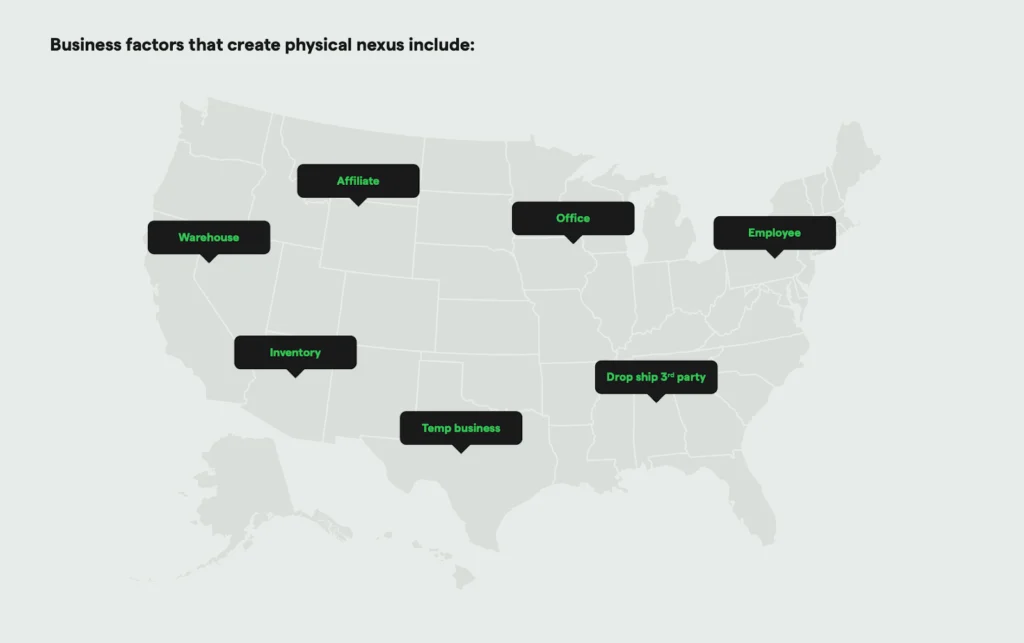
To understand the current state of resale certificates in 2026, one must look back at the landmark shifts in American tax law. For decades, the "physical presence" standard established by the 1992 Supreme Court case Quill Corp. v. North Dakota protected out-of-state retailers from collection obligations. This changed radically in June 2018 with South Dakota v. Wayfair, Inc., which allowed states to mandate tax collection based on "economic nexus"—typically a threshold of sales revenue or transaction volume.
Following the Wayfair decision, states rapidly moved to capture revenue from the burgeoning e-commerce sector. By 2026, the integration of marketplace facilitator laws has shifted much of the collection burden to platforms like Amazon and Walmart, but individual sellers remain responsible for documenting their tax-exempt purchases. This has led to an increased reliance on resale certificates as businesses scale across state lines. According to recent economic data, sales tax revenue accounts for approximately 30% of total state tax collections across the U.S., making the rigorous enforcement of exemption documentation a priority for state departments of revenue.
Strategic Alternatives: SST and MTC Certificates
For businesses operating in dozens of jurisdictions, the administrative burden of filing individual state forms is significant. Two primary solutions have emerged to streamline this process: the Streamlined Sales Tax (SST) Exemption Certificate and the Multistate Tax Commission (MTC) Uniform Sales and Use Tax Certificate.
The SST agreement is an effort by 24 member states to simplify and modernize sales and use tax administration. By using a single SST certificate, a retailer can claim exemptions across all participating states simultaneously. Similarly, the MTC certificate is accepted by approximately 38 states, though with various caveats and state-specific exceptions. Industry experts warn, however, that utilizing these multi-state documents can be a double-edged sword. Registering for the SST or MTC can alert state tax authorities to a business’s presence, potentially triggering a liability for collecting sales tax in those states if the business has met the local nexus thresholds.
State-by-State Requirements for 2026
The process of obtaining and presenting a resale certificate varies significantly depending on the jurisdiction. Below is a detailed breakdown of the requirements and forms for each state as of late 2026.
Alabama through California: Diverse Approaches to Documentation
In Alabama, the process is formalized through the Alabama Application for Certificate of Exemption (Form ST-EX-A1), which requires businesses to demonstrate they are actively engaged in retailing. Alaska remains a unique case; while there is no state-level sales tax, various localities levy their own taxes and may offer local exemption status. Arizona provides sellers with flexibility, accepting the Arizona Resale Certificate (Form 5000A), the Border States Uniform Sale for Resale Certificate, or the MTC certificate.
Arkansas and California represent two ends of the administrative spectrum. Arkansas allows the use of the state-specific Form ST 391 or the Streamlined Exemption Certificate. California, known for its stringent tax oversight, requires the completion of the California General Resale Certificate (CDTFA-230). Unlike some states that allow for "blanket" certificates that cover all purchases from a single vendor, California auditors often scrutinize these documents to ensure they are fully executed and specific to the nature of the business.
The East Coast and Southern Hubs
Florida stands out as one of the few states that does not accept out-of-state resale certificates. Any business wishing to purchase items tax-free in Florida must register for a Florida sales tax permit and receive an annual resale certificate directly from the state. This "closed system" is designed to maximize compliance but adds a layer of complexity for national distributors.
In contrast, Georgia and Connecticut offer more traditional paths. Georgia uses the ST-5 Certificate of Exemption, while also participating in the MTC framework for non-registered sellers. Connecticut requires the Sales & Use Tax Resale Certificate, emphasizing that the burden of proof for the exempt nature of the sale rests entirely on the purchaser.
Mid-Atlantic and Midwest Compliance
Illinois and Indiana have modernized their systems to allow for digital filing. Illinois utilizes the CRT-61 Certificate of Resale, while Indiana relies on the ST-105 General Sales Tax Exemption Certificate. In the Northeast, Massachusetts and New York maintain rigorous standards. New York’s Form ST-120 is a staple for the state’s massive wholesale sector, and the state provides an online verification system where suppliers can check the validity of a buyer’s sales tax ID in real-time.
Pennsylvania and Maryland have also streamlined their processes. Pennsylvania’s REV-1220 form is a multi-purpose document used for various exemptions, including resale. Maryland does not issue an "official" government-printed certificate but provides a suggested template that contains all the legally required information, such as the buyer’s Maryland registration number.
Western and Mountain States
The Western United States offers a mix of participation in the SST and state-specific mandates. Washington state, for instance, issues a "Reseller Permit" to registered businesses, which is a specific document that must be renewed every few years. If a business is not required to register in Washington, they must use the Streamlined Sales and Use Tax Exemption Certificate.
Colorado presents a simplified model where a standard sales tax permit serves as the resale certificate. The state is also notable for its broad acceptance of out-of-state certificates, facilitating easier interstate commerce. Nevada and Utah follow similar paths, with Utah providing options for the state-specific TC-721 or the multi-state SST and MTC forms.
Economic Impact and Risk Management
The implications of mismanaging resale certificates extend far beyond simple paperwork errors. For a supplier, accepting an invalid or fraudulent resale certificate can lead to "strict liability" in many jurisdictions. If an audit reveals that a supplier sold items tax-free to a buyer who did not provide a valid certificate, the state may hold the supplier responsible for the uncollected tax, plus penalties and interest.
Data from tax compliance studies in 2025 indicated that nearly 15% of all sales tax audit assessments were the result of missing or incomplete exemption certificates. For a high-volume wholesaler, this can translate into millions of dollars in unforeseen liabilities. Consequently, many large corporations now utilize automated certificate management software to track expiration dates and verify the authenticity of state-issued ID numbers.
Future Outlook: Automation and AI in Tax Compliance
Looking toward the end of the decade, the trend in resale certificate management is moving toward total digitization. Several states are currently piloting blockchain-based systems to create a "single source of truth" for tax-exempt status. In such a system, a supplier’s point-of-sale software would instantly ping a state database to verify a buyer’s resale status, eliminating the need for paper forms and manual record-keeping.
Furthermore, the rise of Artificial Intelligence (AI) in tax auditing means that state revenue departments can now cross-reference purchase records with reported sales more efficiently than ever. If a business uses a resale certificate to buy thousands of dollars worth of office furniture—items unlikely to be resold—AI-driven "red flag" systems are increasingly likely to trigger an audit.
Conclusion for Stakeholders
For the modern retailer, the resale certificate is an indispensable tool for maintaining price competitiveness. However, it requires a disciplined approach to record-keeping and a deep understanding of the geographical nuances of tax law. Whether utilizing the streamlined SST forms or navigating the specific requirements of states like Florida and California, businesses must treat exemption documentation as a core component of their financial risk management strategy. As state governments continue to refine their collection methods in the post-Wayfair era, the cost of non-compliance will only continue to rise, making education and automation the best defenses for the American business community.