Lana Rhoades
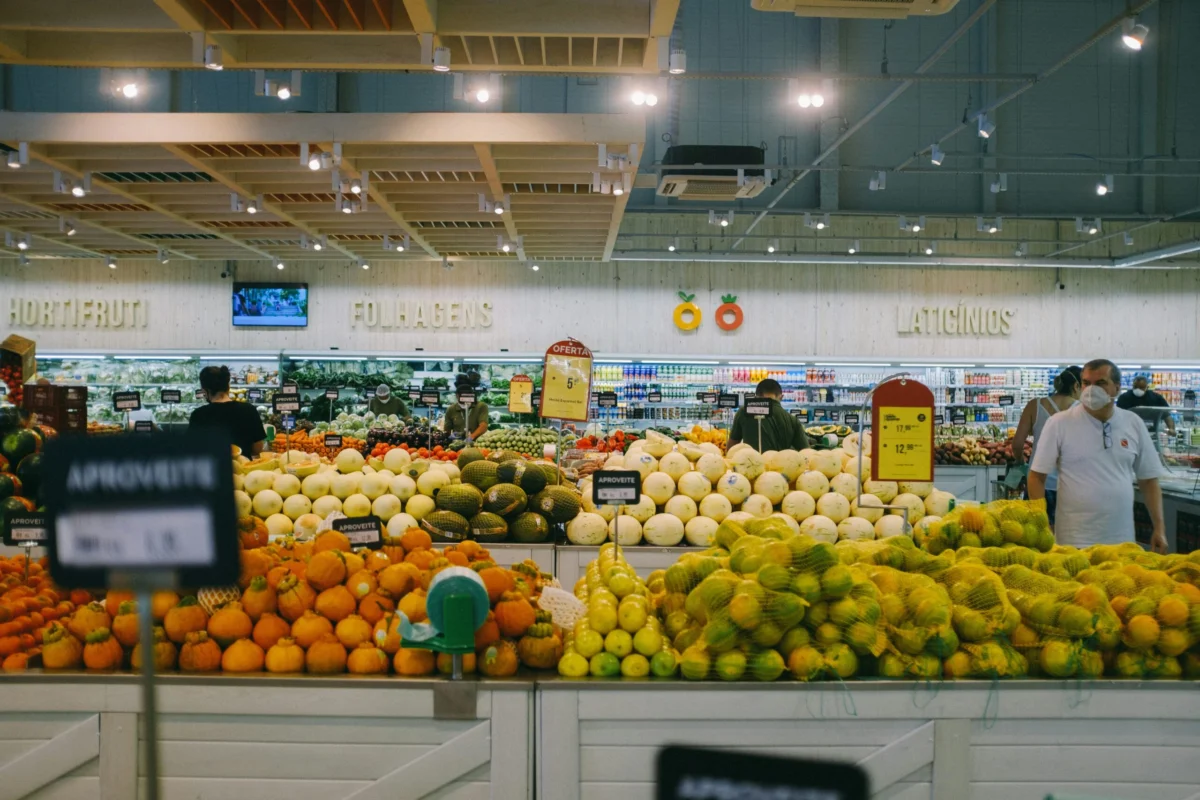
The most significant financial risk currently facing food and beverage retailers is not found in supply chain disruptions or shifting consumer preferences, but rather within the silent digital architecture of their own product catalogs. As of late 2026, the misclassification of a single Stock Keeping Unit (SKU) has become a primary catalyst for multi-state tax audits and substantial back-tax liabilities. In a sector characterized by razor-thin margins, the difference between a tax-exempt "grocery staple" and a taxable "prepared food" or "candy" can hinge on a single ingredient or the inclusion of a plastic utensil, creating a regulatory minefield for businesses operating across state lines.
The Fragmented State of Modern Food Taxation
The fundamental challenge for food and beverage (F&B) sellers lies in the lack of a unified national standard. While most consumer goods are taxed at a uniform rate within a specific jurisdiction, food items are subject to a complex web of exemptions, reduced rates, and specialized definitions. The taxability of a product is determined by a tripartite intersection: the nature of the product, the method of its sale, and the specific geographic location of the transaction.
Historically, states have moved toward exempting groceries from sales tax to alleviate the burden on lower-income households, as food taxes are widely considered regressive. However, this trend has created a patchwork of "fine print" that requires constant monitoring. While over 40 states and the District of Columbia currently exempt unprepared groceries from state-level sales tax, the definition of what constitutes an "unprepared grocery" remains highly volatile.
A Chronology of Legislative Shifts: 2024–2026
The legislative landscape for food taxation has undergone a rapid transformation over the last 24 months, reflecting a broader political push to combat inflation and provide direct consumer relief.
In August 2024, Oklahoma effectively eliminated its 4.5% state grocery tax, signaling a major shift in the Great Plains region. This was followed closely by Kansas, which completed its multi-year phase-down of grocery taxes, reaching a 0% rate on January 1, 2025. By mid-2025, the Southern states began to follow suit; Mississippi reduced its grocery tax rate from 7% to 5% in July, and Alabama lowered its state grocery rate to 2% in September 2025.
The most recent wave of changes occurred on January 1, 2026, when both Arkansas and Illinois officially eliminated their state-level grocery taxes. However, the Illinois transition serves as a cautionary tale for retailers. Simultaneously with the state-level repeal, the Illinois General Assembly authorized local municipalities to impose their own 1% grocery taxes by ordinance. Within months, hundreds of cities exercised this right, meaning that while the state rate vanished, the tax at the register remained for millions of shoppers. This phenomenon—the "local-level replacement"—is a recurring theme in states like Georgia, where groceries are exempt from the 4% state rate but remain subject to various local levies.
The Complexity of Product Categorization: The "Flour" and "Fork" Rules
The primary source of error for F&B sellers is the misapplication of specialized tax definitions, particularly those established by the Streamlined Sales Tax (SST) Governing Board. Currently, 23 states adhere to SST definitions, which utilize specific tests to distinguish between food categories.
One of the most notorious examples is the "Flour Rule" regarding candy. Under SST guidelines, candy is defined as a preparation of sugar or sweeteners combined with chocolate, fruits, or nuts in the form of bars or pieces. Crucially, the definition excludes any item containing flour. Consequently, a plain chocolate bar is classified as "candy" and is taxable in many jurisdictions, whereas a chocolate bar containing a wafer or cookie layer—such as a Twix or Kit Kat—is classified as "food" and may be exempt. To a warehouse manager, both are snacks; to a state auditor, they are fundamentally different tax entities.
Similarly, the "Fork Rule" governs the transition from grocery to prepared food. In many states, an item is deemed "prepared" if the seller provides eating utensils, including napkins or straws. A pre-packaged salad sold in a grocery aisle is an exempt grocery; that same salad, if handed to a customer with a plastic fork at a deli counter, becomes a taxable prepared food. This distinction also applies to the "Combination Test," where combining two or more ingredients into a single item—like a sandwich assembled on-site—triggers taxability, even if the individual ingredients (bread, meat, cheese) would be exempt if sold separately.
Data Analysis: The Hidden Cost of Misclassification
The financial implications of these coding errors are often magnified by the methodology used during state audits. State revenue departments rarely review every transaction. Instead, auditors typically examine a representative sample of sales over a specific period. If they find that a particular SKU was miscoded as exempt, they calculate an error rate and extrapolate that percentage across the company’s entire sales volume for the audit period—which often spans three to four years.
Industry data suggests that penalties for unpaid sales tax commonly range from 5% to 25%, but in cases of perceived negligence, these can be higher. When combined with compounded interest, the final assessment can easily exceed the original profit margin of the products sold. For a direct-to-consumer brand shipping thousands of orders monthly, a single wrong tax code on a popular SKU can result in a liability reaching six or seven figures.
Alcohol and Special District Levies
The taxation of alcoholic beverages represents a further layer of complexity, often involving excise taxes that are separate from general sales tax. Unlike groceries, which are trending toward exemption, alcohol is frequently subject to "sin taxes" and special district rates.
In Washington, D.C., for instance, while general goods are taxed at 6%, alcohol for off-premises consumption is taxed at 10.25%. Several states utilize "liquor-by-the-drink" taxes for on-premises sales, such as Tennessee’s 15% rate and Kansas’s 10% rate. Furthermore, 17 "control states" maintain government monopolies over the wholesaling or retailing of distilled spirits, effectively embedding the tax into the price of the product. Sellers who fail to account for these specialized district-level rates—or the distinction between on-premises and off-premises consumption—often find themselves under-collecting, a deficit that must be paid out of the business’s pocket upon discovery.
Strategic Framework for Compliance and Risk Mitigation
To navigate this environment, tax experts recommend a rigorous four-step audit process for all food and beverage product catalogs.
First, businesses must perform a SKU-level mapping that transcends internal marketing categories. Each item should be classified based on its physical properties (e.g., presence of flour, juice percentage) and its delivery method. Relying on broad categories like "Snacks" or "Drinks" is no longer sufficient for modern compliance.
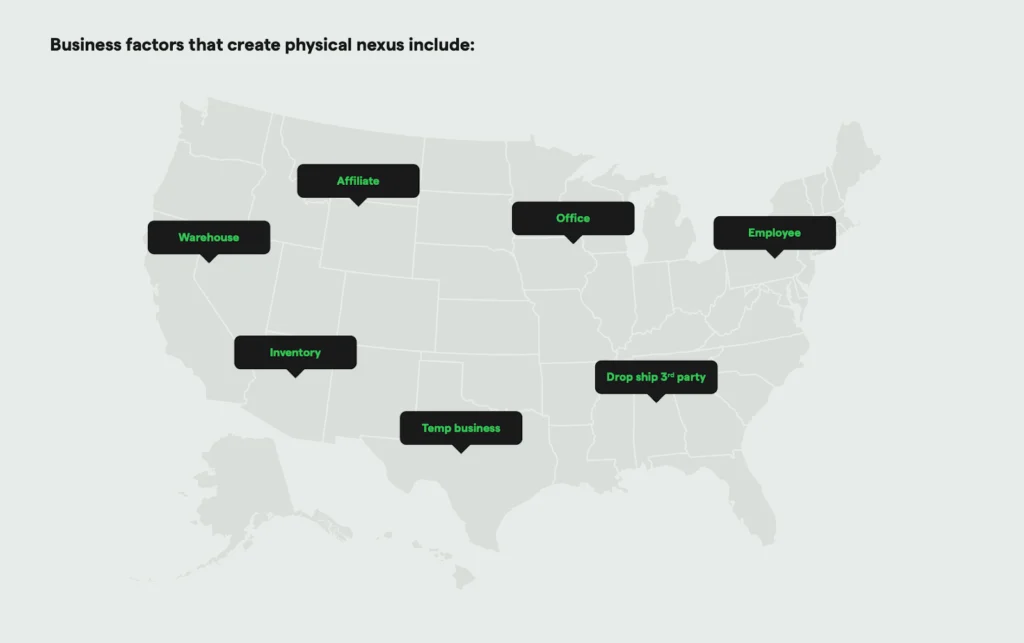
Second, sellers must conduct a nexus review. As economic nexus laws (stemming from the 2018 Wayfair decision) continue to evolve, businesses must identify every state where they have met the sales or transaction threshold. Once nexus is established, the seller is responsible for understanding the specific nuances of that state’s food tax laws, which may differ significantly from their home state.
Third, companies must validate their tax calculation logic at the hyper-local level. Because states like Illinois and Colorado allow local jurisdictions to deviate from state-level exemptions, a "state-wide" tax setting is often inaccurate. Modern tax engines must be configured to recognize the specific tax boundaries of the delivery address.
Finally, for B2B sellers, the management of exemption certificates is critical. A missing or expired resale certificate is treated by auditors as a taxable sale. In the F&B industry, where wholesalers move large volumes of product, a failure to maintain a digital, searchable database of valid certificates is a high-stakes vulnerability.
Broader Implications for the Retail Industry
The increasing complexity of food taxation is driving a significant shift in how F&B companies approach their technology stacks. Manual tax management is becoming virtually impossible for multi-state retailers. As a result, there is a growing reliance on automated compliance platforms that integrate directly with e-commerce and ERP systems. These platforms provide real-time updates to tax codes, ensuring that when a state like Oklahoma or Alabama changes its rate, the adjustment is reflected at checkout instantly.
The broader implication for the industry is a move toward "tax-aware" product development. Some manufacturers are now considering tax implications during the formulation of new products—for instance, by ensuring a snack bar contains enough flour to qualify as "food" rather than "candy" in key markets.
In conclusion, the era of treating food tax as a secondary administrative task has ended. For the modern F&B executive, tax compliance is now a core component of risk management and operational efficiency. As state departments of revenue become increasingly sophisticated in their auditing techniques, the ability to demonstrate precise, data-driven categorization of every product in a catalog is the only reliable defense against the mounting liabilities of the digital economy.