Nila Kartika Wati
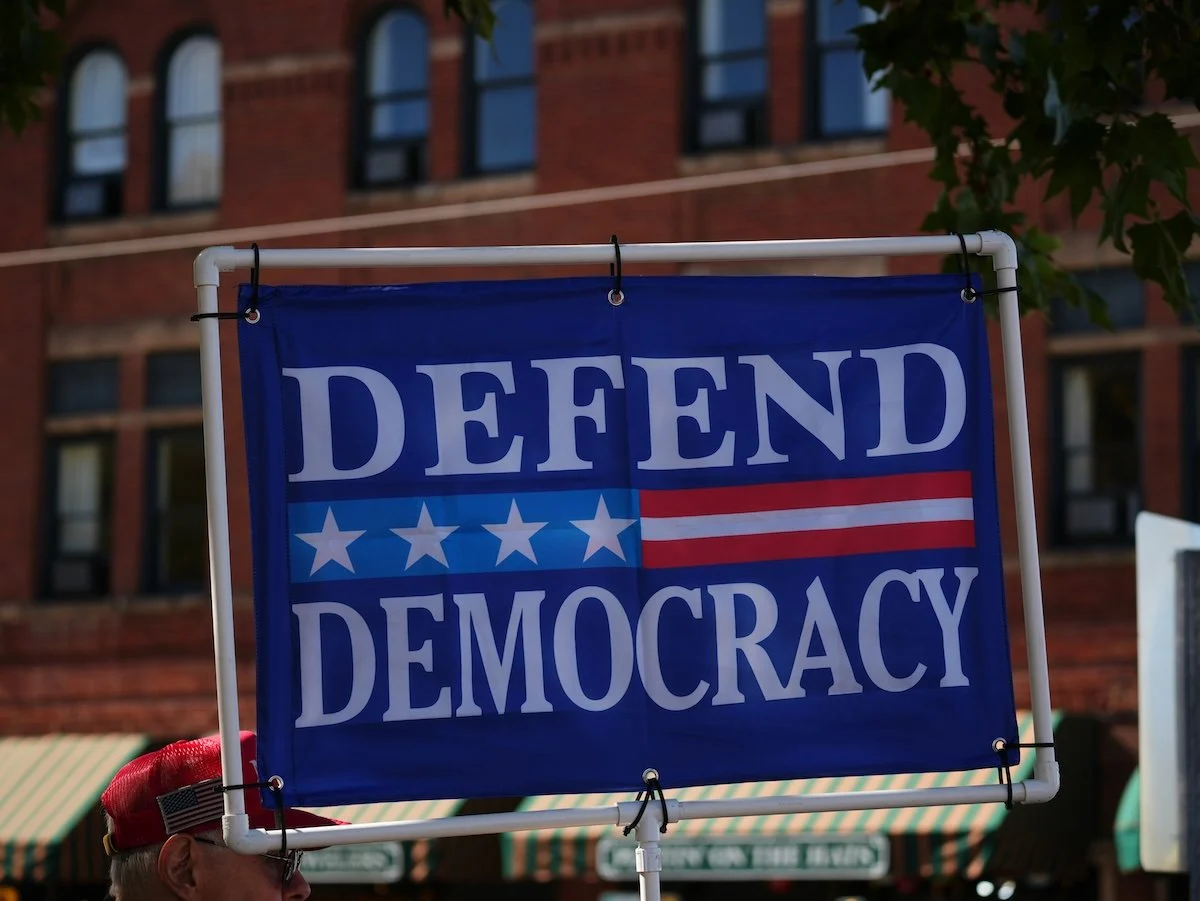
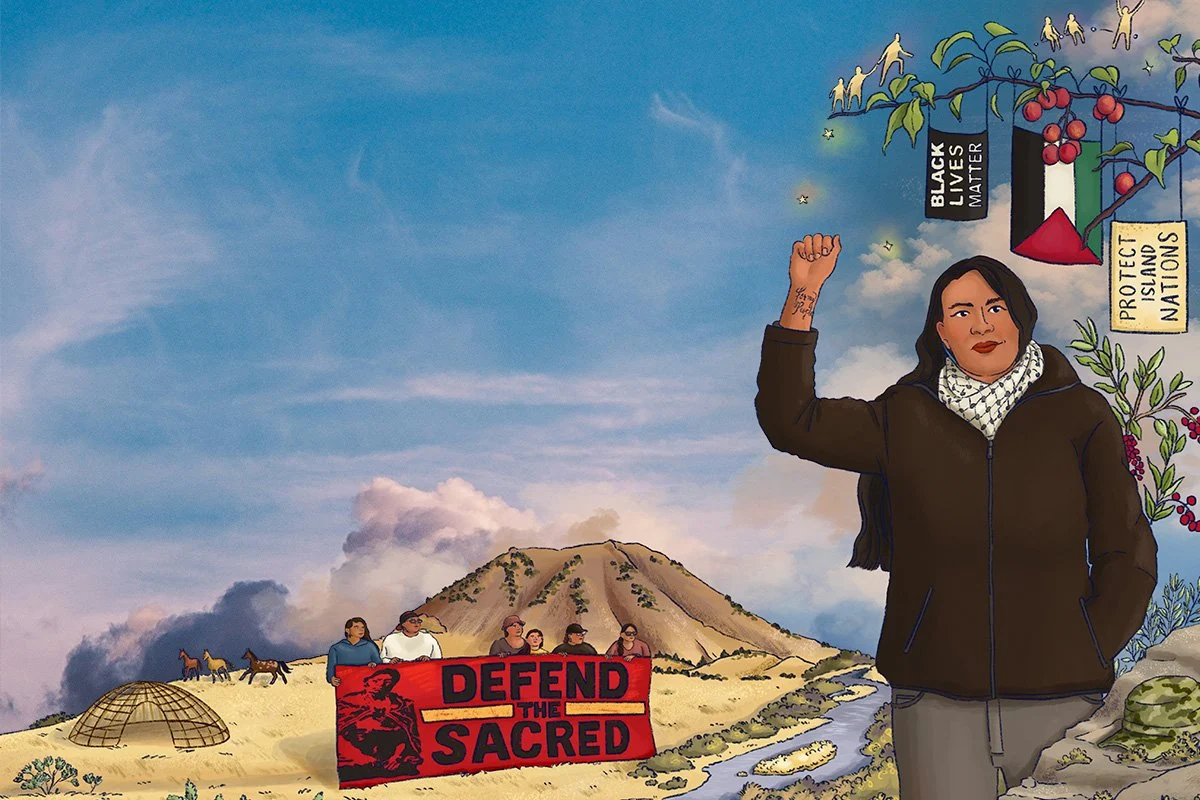
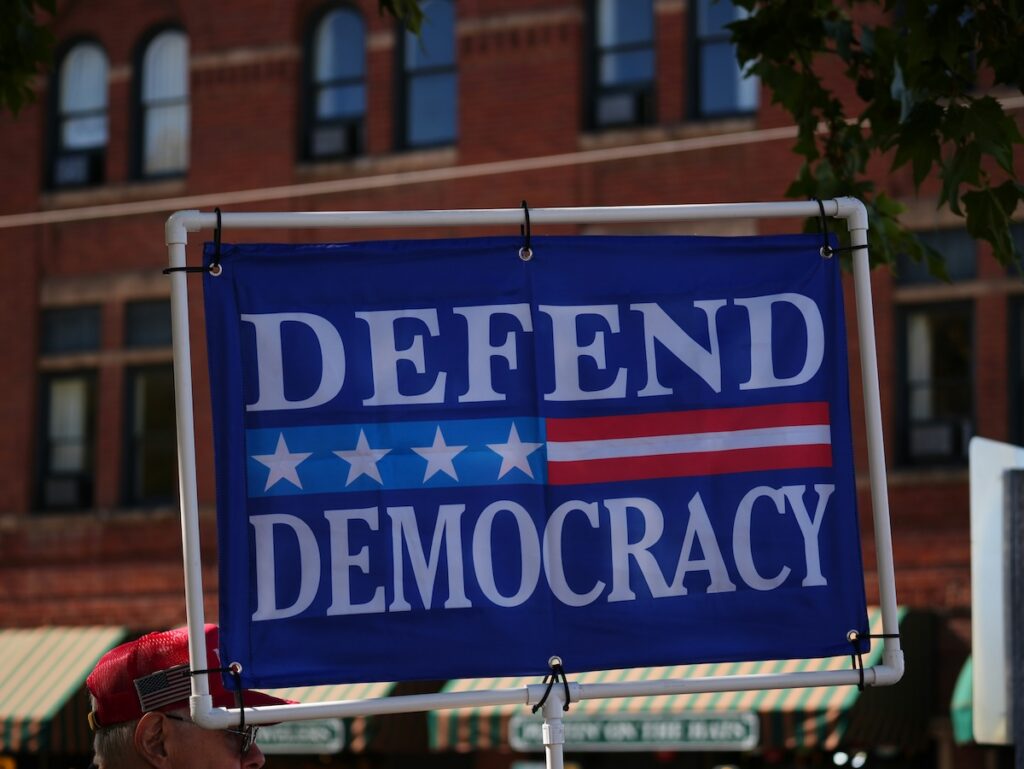
Political analysts, civil rights advocates, and grassroots organizers are increasingly shifting the national conversation from a defensive posture of preserving existing institutions to a proactive reimagining of American governance. While the slogan "save democracy" has become a central pillar of contemporary political discourse, a growing movement of scholars and activists argues that the traditional American democratic framework was not originally designed for universal inclusion. This shift in perspective suggests that the current political crisis in the United States is not merely a period to be survived, but an opportunity to address structural flaws that have historically marginalized Black Americans, women, immigrants, and the LGBTQ+ community.
The Historical Context of American Democratic Exclusion
The fundamental argument for reimagining rather than merely restoring democracy is rooted in the historical reality of the United States’ founding. At its inception, the American democratic experiment excluded the vast majority of the population. African Americans were enslaved and legally classified as property, while women were denied the right to vote and hold office. It took nearly a century after the founding for the 15th Amendment to prohibit the denial of the right to vote based on race, and nearly another half-century for the 19th Amendment to grant women’s suffrage in 1920.
Even after these constitutional milestones, systemic barriers such as Jim Crow laws, poll taxes, and literacy tests effectively disenfranchised millions until the passage of the Voting Rights Act of 1965. Legal experts point out that the Supreme Court’s 2013 decision in Shelby County v. Holder, which gutted key provisions of the Voting Rights Act, and the subsequent 2021 Brnovich v. DNC ruling, represent a modern contraction of those hard-won rights. This historical trajectory suggests that the "normal" state of American democracy has often been one of exclusion, prompting calls for a system built on "pro-Blackness, abundance, shared power, and liberation" rather than the restoration of a flawed status quo.
Modern Catalysts for Structural Reform
The urgency for democratic innovation has been accelerated by a series of landmark legal and political events. The 2022 Supreme Court ruling in Dobbs v. Jackson Women’s Health Organization, which overturned Roe v. Wade, serves as a primary example for many organizers of how federal protections can be dismantled. This decision ended nearly 50 years of national constitutional protection for abortion access, returning the authority to regulate or ban the procedure to individual states.
Beyond reproductive rights, the mechanics of the federal election system have come under intense scrutiny. The United States remains one of the few modern democracies where a candidate can win the presidency without receiving the most votes nationwide. This has occurred twice in the last 24 years—in 2000 and 2016—leading to a debate over the relevance of the Electoral College in a 21st-century representative democracy.
Furthermore, the influence of "dark money" in politics continues to be a point of contention. According to data from the Brennan Center for Justice, the 2010 Citizens United v. FEC decision has allowed for an explosion of outside spending in elections. In the 2022 midterm cycle alone, non-party outside groups spent approximately $2.1 billion, a significant increase from previous decades. Critics argue this creates a system where the voices of wealthy donors carry more weight than those of average citizens, further alienating the electorate from the democratic process.
A Chronology of Democratic Evolution and Contraction
To understand the current push for a "new democracy," it is essential to view the timeline of American voting and civil rights as a series of expansions followed by strategic retractions:
- 1789: The U.S. Constitution is ratified; voting is largely restricted to white, male property owners.
- 1870: The 15th Amendment is ratified, theoretically granting Black men the right to vote.
- 1890s–1960s: Jim Crow era; widespread disenfranchisement through state-level "Black Codes."
- 1920: The 19th Amendment is ratified, granting women the right to vote.
- 1965: The Voting Rights Act (VRA) is signed into law, providing federal oversight of elections in jurisdictions with a history of discrimination.
- 2010: Citizens United v. FEC expands the role of corporate and union money in political campaigns.
- 2013: Shelby County v. Holder removes the VRA’s "preclearance" requirement, leading to a wave of new state-level voting restrictions.
- 2020s: States begin experimenting with Ranked Choice Voting (RCV) and independent redistricting commissions to combat gerrymandering and polarization.
Comparative Models and Domestic Experiments
As Americans grapple with the limitations of their own system, some are looking abroad for alternative models of representation. Ireland, for instance, utilizes a form of proportional representation known as the Single Transferable Vote (STV). In this system, voters rank candidates in order of preference, and multiple representatives are elected from each district. Proponents argue this model reduces "wasted" votes and allows for a more diverse range of political parties to hold power, contrasting with the rigid two-party system of the United States.
Domestically, experimentation is already underway at the state and local levels. Alaska and Maine have implemented statewide Ranked Choice Voting, a system designed to ensure that the winning candidate has the support of a majority of voters. In the 2022 elections, Alaska’s use of RCV was credited with producing more moderate and consensus-driven outcomes.
Additionally, movements for campaign finance reform are gaining traction. "Democracy Vouchers," pioneered in Seattle, provide residents with small-dollar certificates they can donate to local candidates. This system is designed to incentivize candidates to engage with a broader base of constituents rather than focusing solely on high-dollar donors.
The Strategy of the "Long Game"
Political analysts note that the American right has successfully utilized a "long game" strategy for decades, focusing on state legislatures and the federal judiciary. By investing in candidate pipelines, think tanks, and litigation strategies, conservative organizations were able to achieve long-term goals, such as the overturning of Roe v. Wade, through persistent, decades-long efforts.
Civil rights organizers are now advocating for a similar long-term investment in "liberatory organizing." This approach emphasizes that political participation must extend beyond Election Day. It involves building "governing power"—the ability of communities to influence policy, hold elected officials accountable, and manage local institutions between election cycles. The argument is that if the right to vote is the floor of democracy, then active participation in governance is the ceiling.
Economic and Social Implications of a Reimagined Democracy
The push for a new democratic framework is inextricably linked to economic outcomes. Advocates for reform argue that a more responsive democracy would be better equipped to handle the "bread and butter" issues that affect the daily lives of citizens. According to the Economic Policy Index, rising income inequality in the U.S. correlates with a decline in political participation among lower-income brackets.
When democracy is perceived as a tool for the elite, public trust in institutions erodes. A 2023 Pew Research Center study found that only 16 percent of Americans say they trust the federal government to do what is right always or most of the time. Proponents of democratic innovation argue that by creating a system where people see a direct link between their participation and improvements in housing, childcare, and healthcare, this trust can be rebuilt.
Official Responses and Future Outlook
While many grassroots organizations push for radical change, official responses from the two major political parties remain divided. Democrats have largely focused on federal legislation like the "For the People Act" and the "John Lewis Voting Rights Advancement Act," which aim to standardize voting access and reduce the influence of money in politics. Republicans, conversely, have emphasized "election integrity," passing state-level laws that increase identification requirements and restrict ballot drop-box locations, arguing these measures are necessary to prevent fraud.
However, the debate is moving beyond these partisan lines as more citizens express dissatisfaction with the binary choices offered by the current system. The rise of independent voters—who now constitute a larger share of the electorate than either registered Democrats or Republicans in many states—suggests a growing appetite for structural reform.
The ultimate goal for many in this movement is not just to "fix" what is broken, but to build something that has never truly existed: a democracy capable of delivering real power and dignity to every resident of the United States. This requires a shift from fear-based organizing—protecting what remains—to curiosity-based organizing, which asks what a truly equitable society would look like.
As the nation moves toward future election cycles, the tension between preservation and innovation will likely define the American political landscape. Whether through the adoption of proportional representation, the abolition of the Electoral College, or the expansion of community-led governance, the conversation has moved definitively toward the future. The challenge for the next generation of leaders will be to determine if they are organizing to save the democracy of the past or to build the democracy of the future.