Pevita Pearce
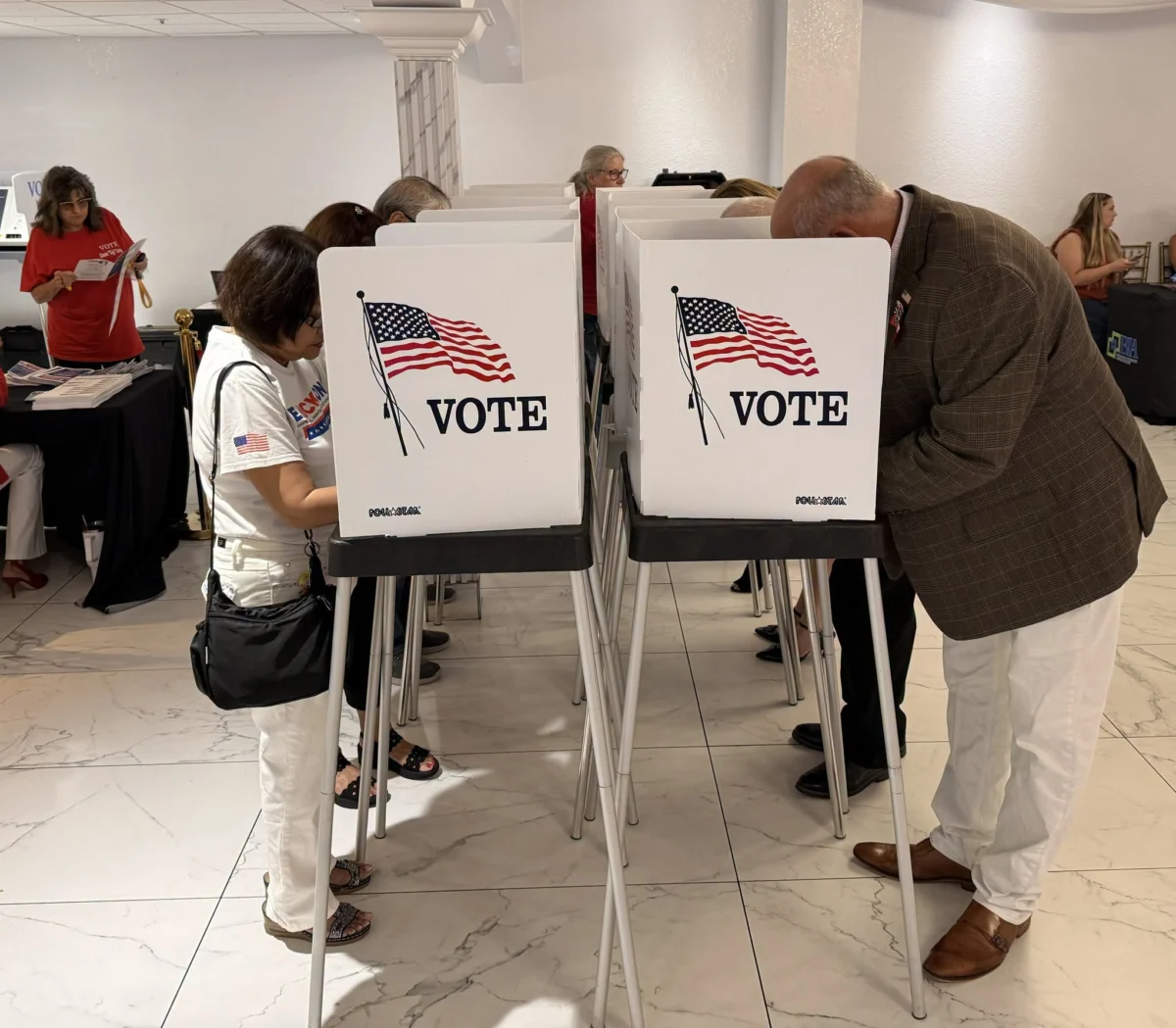
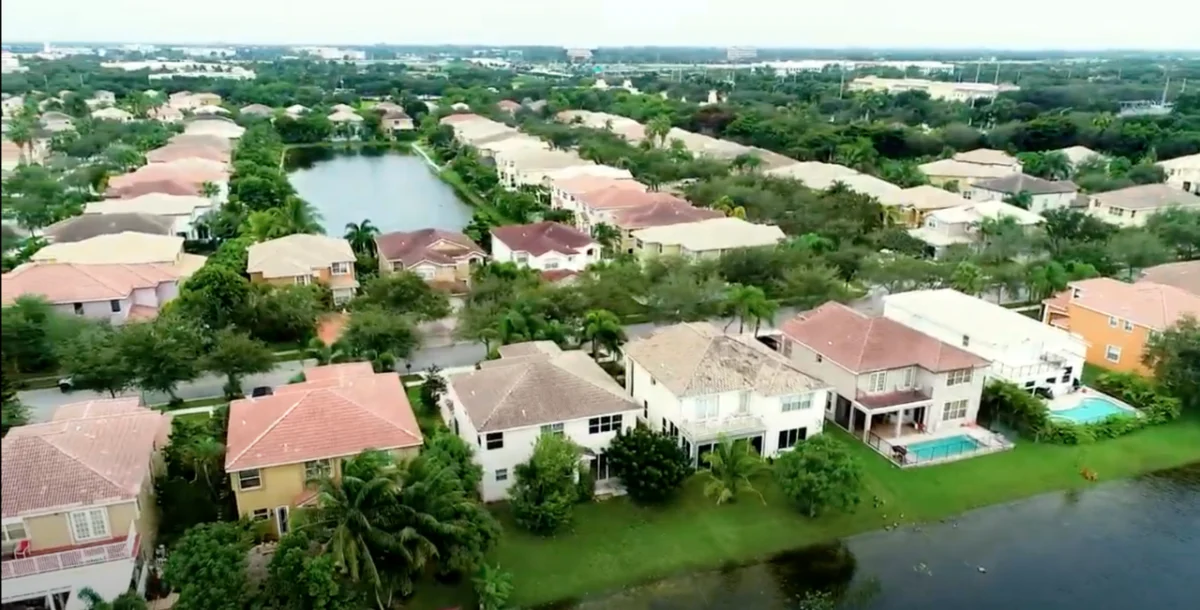
Florida voters overwhelmingly approved a constitutional amendment on Election Day to dramatically reduce property taxes, a decision that is now sending significant financial shockwaves through local governments across the state. The immediate concern for many officials, particularly in the increasingly vulnerable South Florida region, is the potential impact on the funding for essential flood control and infrastructure projects, which are already facing immense challenges due to rising sea levels and aging drainage systems.
The newly ratified amendment, which garnered 62% of the vote, incrementally raises the homestead exemption for property taxes from $50,000 to $250,000 by the year 2028. This substantial shift in tax policy represents a significant blow to the revenue streams of local governments, which rely heavily on property taxes to fund a wide array of public services.
At the annual summit of the Southeast Florida Climate Compact, a regional body comprising elected officials and experts from Palm Beach County to the Florida Keys, concerns about the fiscal fallout were palpable. Officials openly discussed the ramifications for the multi-billion dollar flood mitigation projects they have been tirelessly advocating for. Broward County Commissioner Steve Geller articulated a stark vision of the future, expressing deep pessimism regarding the state’s ability to manage its escalating environmental challenges without adequate funding.
"I advise people to move to another state because Florida is going to be a hellhole," Geller stated candidly to attendees. "We’re going to be underwater." His remarks underscored a prevailing sentiment among many environmental advocates and local leaders who believe the amendment’s passage, driven by promises of tax relief, has disregarded the long-term consequences of underfunding critical infrastructure.
The financial implications are substantial. According to an estimate from the flood consultant firm Brizaga, Broward County could face a budget deficit of $333 million by 2028 as a direct result of the property tax changes. Miami-Dade County, a region already grappling with significant flooding issues, estimates a potential loss of $700 million annually if the amendment’s full impact were realized today. This figure represents approximately 20% of the property taxes the county currently collects.
While some officials, such as Miami-Dade Commissioner Raquel Regalado, have sought to temper what they deem "panicky language" and suggest the impact may not be as severe as predicted, the prevailing mood at the Climate Compact summit was one of deep concern. Commissioner Geller further elaborated on his assessment, attributing the voters’ decision to what he described as misleading political rhetoric.
"The voters were lied to by venal politicians who, for their own gain, told the voters ‘you can have all the services you need without paying for them’," Geller asserted. "Living in Florida, you’ll receive the service level of a Third World country because that’s what you voted for."
The cost of addressing South Florida’s pervasive flooding issues is staggering. Projects aimed at mitigating flooding in individual neighborhoods within cities like Miami or Fort Lauderdale can range from tens to hundreds of millions of dollars. Local governments have historically struggled to secure adequate funding for these endeavors, often relying on a combination of state and federal grants, as well as voter-approved bonds, to supplement their property tax revenues.

Geller’s projections suggest that if essential services like police and fire departments are shielded from budget cuts, other vital areas, including parks, road maintenance, and crucially, flood control projects, would face a drastic reduction of up to 50%. "When it rains and the water doesn’t go anywhere, they’re going to call and say ‘you need to do something’," he warned. "I’m sorry, I can’t. You took away the funding we had for that."
Water Management District Budget Faces Significant Reduction
Perhaps the most consequential impact of Amendment 3 will be felt by the South Florida Water Management District (SFWMD). This agency bears the immense responsibility of managing water resources for nine million residents across South Florida, encompassing flood control, ensuring a clean drinking water supply, and spearheading the ambitious restoration of the Everglades. However, the district’s aging drainage infrastructure, some of which dates back over 70 years, is increasingly strained by rapid population growth and the relentless advance of rising sea levels.
While federal funding opportunities exist for some of the much-needed infrastructure upgrades, many of these projects require a matching contribution from the state or local districts. "The challenge is, if you have to match it, with what?" questioned Irela Bague, a former governing board member of the SFWMD.
Michael Antinelli, co-founder of Brizaga, has calculated that the SFWMD could see its budget reduced by as much as $78 million by 2028. A state analysis further projects this deficit could escalate to nearly $110 million by 2031. South Florida’s situation is particularly acute compared to other water management districts across the state. "All the others don’t have Everglades restoration and a 50/50 partnership with the federal government," Bague pointed out, highlighting the unique financial dependencies of the SFWMD.
Amendment 3’s provisions are set to take effect with the next fiscal year, granting local governments a limited window to strategize their budget adjustments. However, an additional component of the amendment mandates the legislature to explore pathways for the complete elimination of non-homesteaded property taxes. This future consideration poses a further threat to the long-term funding stability for critical flood control initiatives.
Turning to Homeowners and Alternative Funding Streams
The challenge of financing flood control projects is already a formidable one for South Florida communities. Governor Ron DeSantis has previously championed a state initiative that has allocated over a billion dollars in grants to local governments for such projects. Some speculate that this grant program may need significant expansion to compensate for the anticipated revenue shortfalls.
In the Florida Keys, a region facing some of the most immediate and severe threats from rising waters, officials have been actively seeking innovative funding solutions. Projections indicate that raising flooded roads alone will cost approximately $4.7 million over the next few decades. While federal and state grants have provided crucial initial support, county officials acknowledge that these matching funds are not a perpetual solution. Their request to the state for permission to implement a tourist-based sales tax to fund these projects was denied.
Last year, Monroe County explored the option of special assessments on homeowners in flood-prone areas. These assessments could have imposed tens of thousands of dollars in costs per household, in addition to ongoing maintenance expenses. This approach proved largely unworkable and effectively stalled the county’s primary road elevation program. According to Brizaga’s estimates, Amendment 3 could result in an additional $10 million reduction in Monroe County’s budget by 2028, further complicating their efforts to address critical infrastructure needs.
The long-term implications of these property tax cuts remain a subject of intense debate. While proponents argue that the measure will provide much-needed financial relief to Florida residents, critics contend that it jeopardizes the state’s ability to adapt to and mitigate the impacts of climate change, particularly in low-lying coastal areas. The coming years will likely see a significant recalibration of municipal budgets and a renewed push for alternative funding mechanisms as local governments grapple with the unintended consequences of this voter-driven fiscal reform.