Pevita Pearce
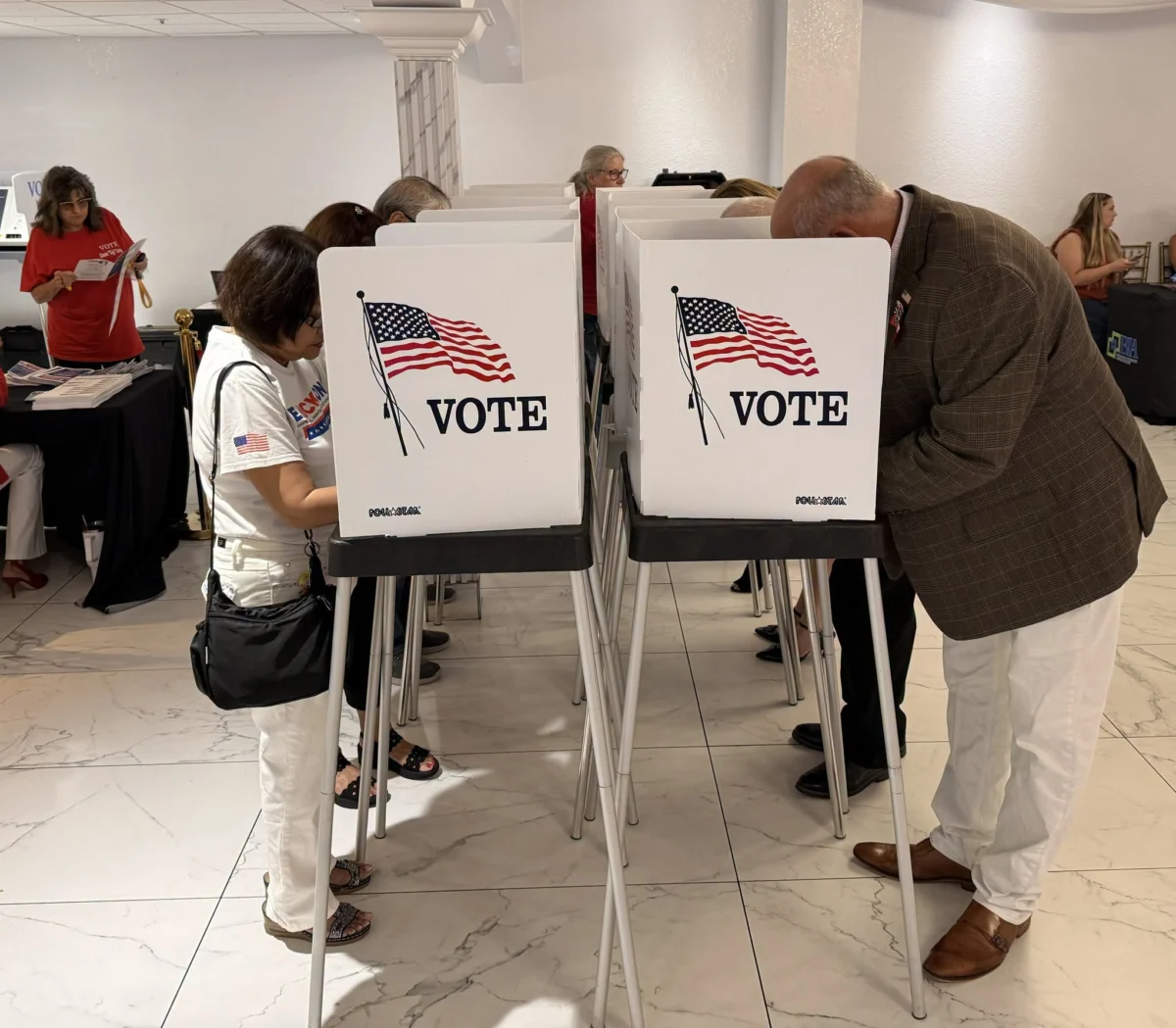
Hours after Florida voters overwhelmingly approved a sweeping property tax ballot amendment, Treasure Island City Manager Charlie Van Zant penned a somber letter to residents, candidly outlining the impending consequences of significantly reduced tax revenues. "I won’t pretend these choices will be easy," Van Zant wrote in a letter released Wednesday. "Some will require us to say no to things we value." His stark assessment reflects a growing concern among local officials across the state as they grapple with the financial realities of Amendment 3, which passed with a commanding 62% of the vote, aiming to provide substantial property tax relief to homeowners.
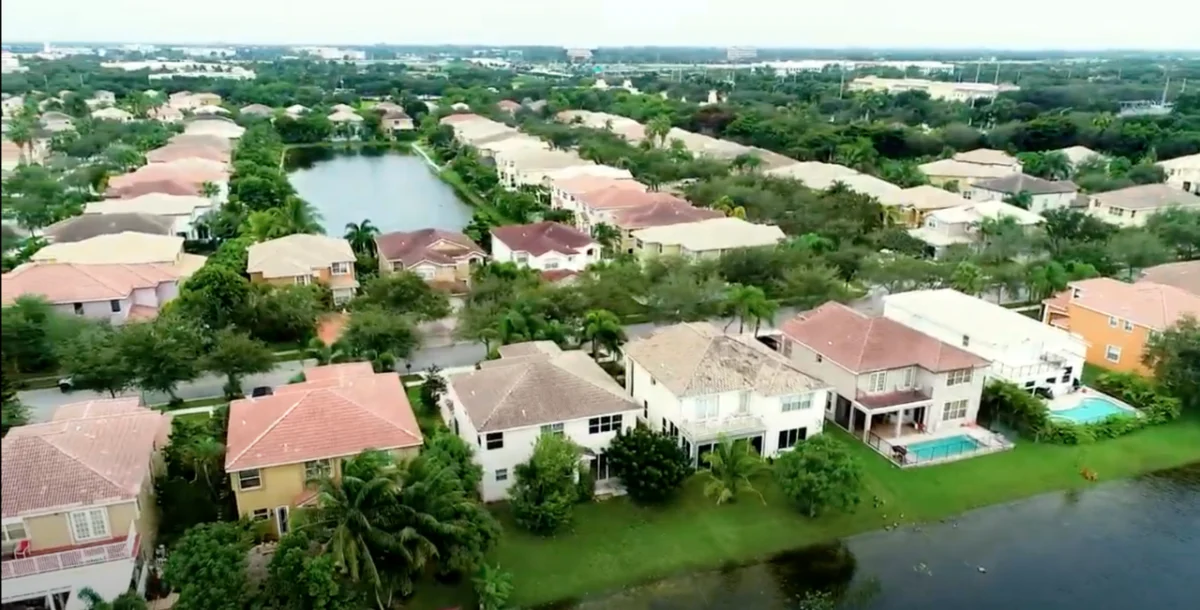
The approved amendment, while exempting property taxes that fund schools, dramatically increases the homestead exemption for primary residences. Beginning next year, the exemption will nearly triple from its current approximate $50,000 to $50,000 and then escalate further to $250,000 by 2028. This significant reduction in the taxable value of homes is projected to save Florida homeowners thousands of dollars annually. However, it also signals a seismic shift in how municipalities and counties will fund the essential public services their citizens rely upon. For months leading up to the vote, local leaders consistently warned of potential budget cuts, hiring freezes, service reductions, and the imposition of higher fees as a direct result of the anticipated revenue shortfall. The passage of Amendment 3 now forces a difficult fiscal calculus and raises fundamental questions about the sustainability of local governance as officials prepare for its implementation.
Legal Scrutiny Looms Over Residency Requirements
A key provision of Amendment 3 mandates that new residents moving to Florida on or after January 1, 2027, will not benefit from the increased homestead exemption until their fifth year of residency. This staggered implementation, intended to phase in the revenue impact, faces significant constitutional hurdles. In the 1980s, the Florida Supreme Court, in a landmark decision, declared a similar five-year waiting period for new residents seeking increased homestead exemptions unconstitutional. The court at the time reasoned that such a waiting period violated the Equal Protection Clause of the state constitution, finding no rational basis for differentiating between "two classes of permanent residents" solely based on their length of tenure in the state. The justices unequivocally stated, "It is constitutionally prohibited for this state to impose different taxes on its citizens based solely on their length of permanent residence in the state."
This historical precedent suggests that the residency requirement within Amendment 3 is ripe for legal challenges. Hillsborough County Property Appraiser Bob Henriquez, speaking to the Tampa Bay Times last month, indicated that such a challenge is likely inevitable. Pinellas County Property Appraiser Mike Twitty echoed this sentiment. If the residency requirement is indeed struck down by the courts, it could accelerate the loss of property tax dollars for local governments, as the full impact of the expanded exemptions would be felt more immediately across all eligible homeowners, regardless of their move-in date.
The Existential Threat to Small Municipalities
Smaller cities, such as Treasure Island and Largo, rely heavily on property taxes to fund the majority of their operational expenses. In densely populated counties like Pinellas, which hosts a multitude of small municipalities, the complex task of adapting to Amendment 3’s financial impact could prove particularly challenging. Former State Senator Jeff Brandes, a vocal critic of the amendment, asserted in September that several Pinellas communities might be compelled to dissolve. This potential dissolution would inevitably place a greater burden on the county to absorb the cost of providing essential services like public safety.
Brandes articulated his concerns at a town hall forum in Largo, stating, "I don’t think Kenneth City survives it. I don’t think Gulfport survives it. I think most of your beach communities are going to have some really tough conversations." He further questioned the role of municipal governance when basic services are outsourced: "If a city is contracting out its police department to the sheriffs, and has contracted out its fire department, what are we really running?" The prospect of a mayor presiding over the dissolution of their city is a difficult one, yet Brandes cautioned, "No mayor wants to be the mayor that dissolves the city. But some mayors are going to have that conversation."
Legislative Action and Fiscal Restraints
The implementation of Amendment 3 hinges on the Florida Legislature’s ability to pass enabling legislation. Governor Ron DeSantis has indicated a willingness to convene a special legislative session to address the amendment’s rollout, though the timing remains uncertain. Given DeSantis’s term limits, any special session he wishes to oversee would likely need to occur before he leaves office in January.
Furthermore, Governor DeSantis has expressed a desire to prevent local governments from raising other taxes to compensate for lost property tax revenue. This could manifest as a "taxpayer’s bill of rights" or similar legislative measures. State economists have projected that local governments could collectively face a revenue deficit approaching $12 billion annually by 2031. This projection underscores the potential for increased fees and a reduction in public services.
Several local governments are already preparing for the financial strain. St. Petersburg is contemplating the imposition of a special fee on all property owners to help fund its fire services. Pinellas County, anticipating the impact of Amendment 3, has already adopted a tighter budget for the current year, which included increased parking rates at some beach locations. Hillsborough County estimates an annual loss of up to $367 million by 2028, a figure that could necessitate layoffs, hiring freezes, and cuts to services for children, parks, pets, and the elderly.
Small cities and rural communities with limited industrial tax bases are particularly vulnerable to this decline in revenue. While Governor DeSantis previously suggested the creation of a state trust fund to provide grants for local governments, details regarding its funding sources remain scarce. Crucially, lawmakers omitted any mention of such a trust fund from the bill that placed Amendment 3 on the ballot. If the Legislature enacts restrictions on how local governments can respond to the revenue loss, the impact on services and amenities could be even more severe.
The Unclear Impact on Renters
While homeowners stand to benefit from significant annual savings on their property tax bills—though the proportional benefit varies among homeowners—the impact on renters is far less clear. Landlords and owners of non-primary residences will see the annual cap on their assessed home value increases reduced from 10% to 5%. Proponents of Amendment 3 suggest that landlords might pass these savings on to renters, or that the reduced cost of homeownership could incentivize renters to transition to homeownership sooner.
However, a recent study by tax policy expert Jared Walczak, commissioned by the Florida Housing Coalition, the Florida Apartment Association, and Miami Homes For All, presents a contrasting outlook. Assuming local governments will raise property tax rates to offset revenue reductions, the study predicts that renters could actually face higher costs. Walczak’s analysis indicates that by 2028, the average annual tax bill on an apartment building could increase by over $400 per unit. For single-family rental homes, this increase could exceed $1,000 annually.
Walczak’s report highlights a critical concern: "To the extent that Florida localities cut spending in response to Amendment 3, renters and others ineligible for homestead exemptions will experience service reductions without obtaining any tax relief." While the specific formula used for these projections has not been publicly disclosed, the analysis suggests a potential scenario where renters bear the brunt of reduced services without enjoying any direct tax benefits. Ultimately, the actual impact on renters statewide will depend on the localized responses of both local governments and individual landlords.
The Tampa Bay Rays Stadium and Evolving Financial Landscape
The passage of Amendment 3 occurs against the backdrop of the Tampa Bay Rays’ ambitious plans for a new $2.3 billion baseball stadium at the Dale Mabry Campus of Hillsborough College. Hillsborough and Tampa officials had previously finalized a funding agreement with the Rays in August, with the county committing $796 million and the city pledging $80 million. While Amendment 3 does not directly alter this specific funding deal, it introduces a significantly more challenging financial environment for both local governments involved.
The county’s contribution is slated to be funded through the Tourist Development Tax and a half-cent Community Investment Tax, typically allocated for infrastructure and stadium improvements. The city’s contribution is structured as a loan, intended to be repaid by property tax revenues generated from a proposed mixed-use district surrounding the stadium, comprising retail, residential, and dining establishments.
Both Tampa and Hillsborough County anticipate substantial revenue losses due to Amendment 3. Tampa’s Chief Financial Officer Dennis Rogero projects the city will lose $40 million in fiscal year 2028, with an additional $60 million the following year. Council member Guido Maniscalco, who opposed the stadium project, expressed concerns in August about the financial implications, stating, "If Amendment 3 wasn’t on the ballot and I didn’t have concerns about what happens in November, I would have really no issues supporting something like this. I’m worried for what’s going to happen, because the financial hit is going to be huge if Amendment 3 passes."
Conversely, proponents of the stadium project, including Governor DeSantis, argue that it will stimulate economic growth and generate revenue for the region. In a recent city podcast, Tampa Communications Director Adam Smith posed a pointed question to Mayor Jane Castor regarding the $80 million stadium commitment amidst potential fiscal constraints. Mayor Castor responded by emphasizing that the proposed stadium site currently generates no property tax dollars. "We’re going to create an entire community there," she stated, "that is going to generate property taxes for generations to come." This perspective highlights the inherent tension between immediate fiscal challenges and long-term development potential in the evolving financial landscape shaped by Amendment 3.