Lina Irawan
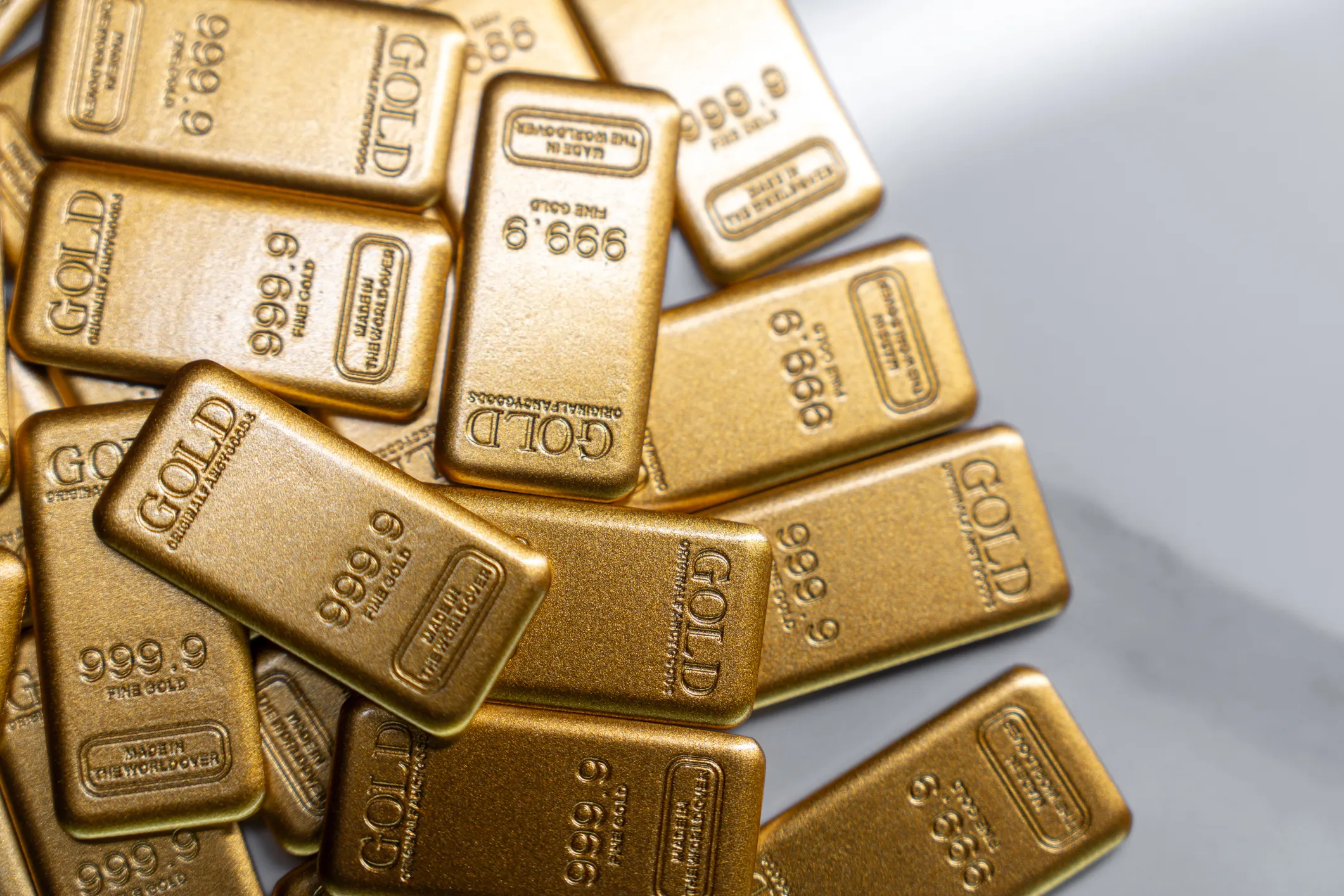
The ubiquitous warehouse retailer, Costco Wholesale Corporation, has emerged as an unexpected yet formidable player in the precious metals market, captivating both seasoned investors and first-time buyers with its offering of gold and silver bullion. Since its quiet introduction of gold bars to members in late 2023, the initiative has rapidly escalated into a significant sales channel, with Wells Fargo analysts estimating that Costco is now selling between $100 million and $200 million worth of gold bars each month. This remarkable volume underscores a broader trend of consumer interest in tangible assets amid economic uncertainties and positions Costco at the forefront of a unique retail investment strategy, prompting a closer examination of the implications for investors and the wider market.
The Allure of Gold: A Historical Perspective and Modern Imperative
Gold has historically served as a reliable store of value, a hedge against inflation, and a safe haven during economic turmoil. Its intrinsic value, unlike fiat currencies, is not subject to governmental policies or central bank decisions, making it a perennial favorite for portfolio diversification. In recent years, a confluence of factors has amplified this appeal: persistent inflationary pressures, geopolitical instability, and fluctuating equity markets have led many individuals to seek tangible assets that can preserve purchasing power.
The Consumer Price Index (CPI), a key measure of inflation, has remained elevated in many major economies, rekindling fears about the erosion of savings. This environment naturally steers investors towards assets like gold, which tend to perform well when traditional financial instruments are under stress. Gold’s price trajectory in 2023 and early 2024 has largely reflected this sentiment, demonstrating resilience and even setting new all-time highs, particularly as central banks around the world have also increased their gold reserves, signaling a systemic re-evaluation of its role in national wealth.
Costco’s Strategic Entry into the Bullion Market: A Timeline
Costco’s foray into selling precious metals began discreetly in the latter half of 2023. Initially, reports surfaced on social media and financial forums about the availability of 1-ounce PAMP Suisse Lady Fortuna Veriscan gold bars on Costco’s website. The product quickly gained traction, often selling out within hours of being restocked. This initial success signaled strong member demand and encouraged the retailer to expand its offerings.
By early 2024, Costco had broadened its inventory to include a wider variety of gold and silver products, such as American Gold Eagles and Buffalos, Canadian Maple Leafs, Silver Eagle tubes, and 10-ounce silver bars. The strategy aligned with Costco’s core business model: offering high-value, often bulk, items at competitive prices exclusively to its members. The decision to enter the precious metals market was a strategic pivot, leveraging the trust and loyalty of its extensive membership base to tap into a growing investment niche. This move not only diversified Costco’s product portfolio but also offered its members a unique benefit, further enhancing the value proposition of a Costco membership.
The Scale of Demand: Wells Fargo’s Estimates and Market Reaction
The sheer volume of Costco’s gold sales became evident with Wells Fargo’s detailed analysis released in April 2024. The investment bank estimated that Costco’s monthly gold sales ranged from $100 million to $200 million. This staggering figure highlights the significant appetite among consumers for physical gold, and Costco’s unexpected role in facilitating this demand.
Analysts at Wells Fargo pointed to several factors contributing to this success, including Costco’s competitive pricing (often just above the spot price, with minimal premiums compared to specialized dealers), the convenience of online purchasing, and the inherent trust consumers place in the Costco brand. The high volume of sales also suggests that Costco is reaching a demographic that might not typically frequent traditional bullion dealers, effectively democratizing access to physical gold investment. This phenomenon has prompted discussions within the financial community about the evolving landscape of retail investment and the potential for other mainstream retailers to explore similar ventures.
Navigating the Purchase: Key Considerations for Costco Buyers
For individuals contemplating the purchase of gold or silver through Costco, several practical and strategic considerations come into play. These aspects, while seemingly logistical, can significantly impact the overall value and security of the investment.
1. Optimizing the Transaction: Payment Strategies and Rewards Maximization
One of the most appealing aspects of buying precious metals at Costco is the potential to leverage credit card rewards, effectively offsetting some of the premium typically associated with bullion purchases. While precious metals inherently carry a markup above the fluctuating "spot price" – the real-time market price for a given metal – strategic payment methods can mitigate this cost.
Costco Executive members, for instance, receive an annual 2% reward on most Costco purchases. When combined with the co-branded Citi Costco Anywhere Visa Card, which offers an additional 2% cash back on all Costco purchases (and higher percentages on specific categories like gas and restaurants), members can achieve a cumulative 4% back on their gold and silver acquisitions. This 4% cash back can represent a substantial saving, potentially making Costco’s effective price on bullion highly competitive, sometimes even below what a specialized dealer might offer after accounting for their premiums.
Beyond co-branded cards, many other credit cards offer generous cash-back rewards, travel points, or introductory welcome bonuses that can be strategically utilized. New cardholders often qualify for significant sign-up bonuses after meeting a specific spending threshold within an initial period. A substantial purchase like gold bullion could easily meet such requirements, unlocking hundreds of dollars in additional value. It is crucial for prospective buyers to review their existing credit card benefits, compare different card offerings, and consider the timing of their purchase to maximize these rewards. The net cost of the gold, after factoring in cash back or bonus points, can be a significant differentiator when comparing Costco to other bullion vendors.
2. Understanding the Inventory: Product Diversity and Selection
Costco’s inventory of precious metals is robust, catering to various preferences and investment sizes. The wholesaler typically offers a range of internationally recognized and highly liquid bullion products, ensuring authenticity and ease of future resale. Popular items include:
- American Gold Eagles and Buffalos: These are iconic U.S. government-issued coins, highly sought after for their purity and legal tender status, which can sometimes offer tax advantages depending on jurisdiction.
- Canadian Maple Leafs: Produced by the Royal Canadian Mint, these coins are renowned for their exceptional purity (often .9999 fine gold) and distinctive design.
- Silver Eagle Tubes: For silver investors, Costco offers tubes of American Silver Eagle coins, providing a convenient way to purchase multiple ounces of the widely recognized silver bullion coin.
- 10-Ounce Silver Bars: These larger units cater to investors looking to acquire more significant quantities of silver at a potentially lower premium per ounce compared to smaller coins.
The variety allows members to choose products that align with their investment goals, whether they prioritize fractional ownership (coins) or larger, more cost-effective units (bars). While Costco’s selection is curated, it focuses on reputable and liquid assets, which is a key advantage for investors concerned about authenticity and market acceptance.
3. Managing Logistics: Purchase Limits and Stock Availability
Despite the deep inventory, Costco implements strict purchase limits on its precious metals to ensure broader member access and manage inventory. Typically, buyers are restricted to a maximum of four units (e.g., four 1-ounce gold bars) within a 24-hour period. These limits can vary based on the specific product and current demand. The high demand often leads to rapid sell-outs, with gold and silver products frequently appearing as "out of stock" on the Costco website. This necessitates vigilance from prospective buyers, who often monitor the website for restocks, sometimes using automated alerts. The consistent sell-outs underscore the intensity of demand and Costco’s challenge in maintaining sufficient supply, reflecting both the popularity of the offering and the inherent volatility of supply chains for precious metals.
4. The Finality of the Sale: Return Policies for Precious Metals
A critical distinction for Costco’s precious metals sales lies in its return policy. While Costco is famous for its exceptionally generous return policy on most merchandise, all sales of gold and silver bullion are explicitly designated as final. This "no returns" policy is standard practice within the precious metals industry due to the fluctuating market prices of these commodities. Once the transaction is complete, the buyer assumes all market risk associated with price movements. This policy underscores the importance of a well-researched and deliberate purchase decision, as there is no recourse for buyer’s remorse or changes in market conditions post-purchase.
5. Post-Purchase Responsibility: Secure Storage and Estate Planning
The responsibility for secure storage immediately transfers to the buyer upon delivery or in-store pickup. Given the high value and portability of gold and silver, appropriate security measures are paramount. Common storage solutions include:
- Home Safes: For smaller quantities, a robust, fire-resistant, and securely anchored home safe can be a viable option. However, this carries the risk of theft and potential damage from natural disasters. Adequate homeowner’s insurance riders specifically covering precious metals are advisable.
- Safe Deposit Boxes: Banks and credit unions offer safe deposit boxes, providing a higher level of security against theft and often natural disasters. This option, however, incurs annual fees and limits access to banking hours.
- Specialized Bullion Depositories: For larger holdings, professional third-party bullion depositories offer highly secure, insured storage solutions, often with audit capabilities. These services come with higher fees but provide institutional-grade security.
Beyond physical security, proper estate planning is crucial. Heirs must be informed about the existence, location, and details of precious metals holdings to ensure these assets are properly managed and distributed according to the owner’s wishes. Without explicit instructions or knowledge, valuable physical assets can be overlooked or lost during estate settlement.
The Broader Investment Landscape: Risks and Long-Term Perspective
While gold offers compelling advantages, it is imperative to acknowledge the inherent risks and limitations associated with it as an investment. No investment is without its drawbacks, and gold is no exception.
Inherent Risks of Gold Investment:
- Opportunity Cost: Gold is often considered a "dead asset" because it does not generate income in the form of dividends or interest, unlike stocks, bonds, or real estate. By investing in gold, investors may miss out on potentially higher returns offered by other asset classes, particularly during periods of strong economic growth and robust equity markets.
- Volatility: While gold is generally seen as a safe haven, its price can still be volatile. Geopolitical events, shifts in monetary policy, changes in currency values, and speculative trading can all cause significant short-term price fluctuations.
- Storage and Insurance Costs: As discussed, physical gold incurs costs for secure storage and insurance, which can eat into overall returns.
- Liquidity and Transaction Costs: While highly liquid, selling physical gold typically involves a bid-ask spread, meaning you sell for slightly less than the market price and buy for slightly more. This transaction cost can impact net returns, especially for frequent traders.
Gold as a Long-Term Asset:
Despite these risks, gold is largely viewed as a long-term investment. Its primary role in a diversified portfolio is to act as a hedge against inflation and economic uncertainty, preserving wealth over extended periods rather than generating rapid capital appreciation. Historical data suggests that gold tends to maintain its purchasing power over centuries, making it a valuable component for long-term financial planning and wealth preservation. Investors should approach gold with a patient perspective, understanding its counter-cyclical nature and its role as a stabilizer during market downturns.
The Importance of Due Diligence: Shopping Around and Spot Prices
Even with Costco’s competitive pricing, prudent investors should always conduct due diligence by "shopping around." The price of gold fluctuates throughout any given day based on global market dynamics. Buyers should check the live "spot price" of gold (the current market price for immediate delivery) before making a purchase. While Costco’s premiums are generally low, comparing their final price (including any credit card rewards) against other reputable online bullion dealers and local coin shops is crucial to ensure the most advantageous purchase. Premiums can vary based on the specific product, dealer overhead, and market demand, making price comparison an essential step for maximizing investment value. Understanding the difference between the spot price and the actual selling price (which includes the dealer’s premium) is fundamental to making informed decisions.
Implications for Retail and Investment: A New Frontier
Costco’s successful venture into precious metals sales marks a significant moment for both the retail and investment sectors. It demonstrates how a mainstream retailer can effectively tap into niche investment markets, leveraging its brand trust and extensive member base. This move has potentially democratized access to physical gold, making it more accessible to a broader demographic of consumers who might not typically engage with specialized bullion dealers.
For Costco, it represents an innovative expansion of its product offerings, further solidifying its value proposition to members and potentially attracting new ones. For the precious metals market, it introduces a major new distribution channel, potentially influencing pricing dynamics and increasing overall market liquidity. The phenomenon underscores a broader shift in consumer behavior, where tangible assets are gaining renewed interest as a hedge against an unpredictable economic future. As this trend continues, it will be fascinating to observe whether other large retailers follow suit, further blurring the lines between traditional retail and investment opportunities. Ultimately, Costco’s gold bar sales are not just a retail success story; they are a tangible reflection of evolving investment strategies in a complex global economy.