Lina Irawan
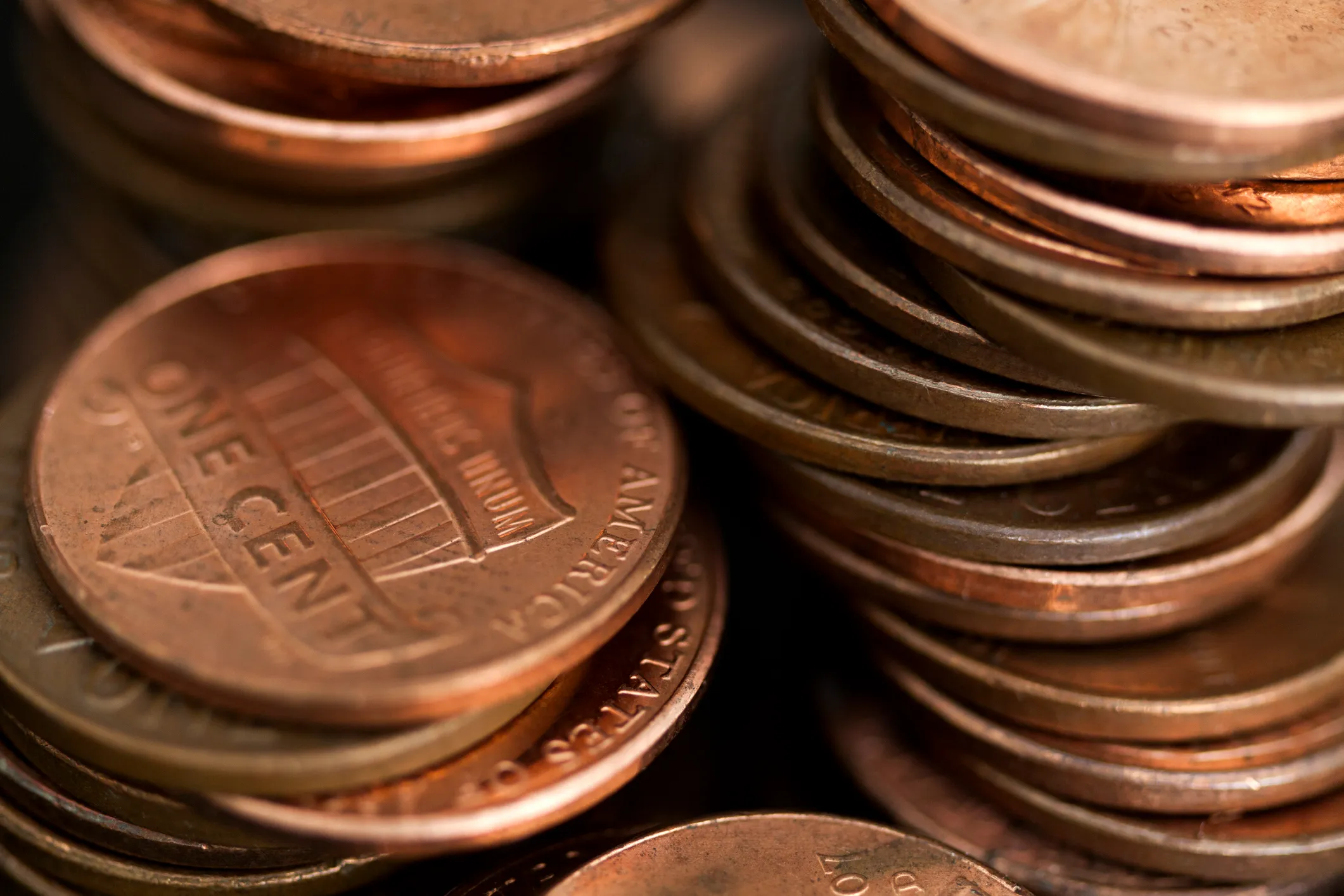
The era of the newly minted one-cent coin in the United States officially concluded in November 2025, when the U.S. Mint confirmed it had ceased production of the long-standing copper-plated zinc denomination. This landmark decision marks the end of a protracted national debate, largely driven by the economic absurdity of negative seigniorage – the persistent reality that it costs more to manufacture a penny than its intrinsic face value of one cent. While existing pennies, numbering in the hundreds of billions, remain legal tender and can still be used in transactions, the cessation of production has prompted a collective reevaluation of their utility and future, leaving millions of Americans to ponder the fate of the vast quantities of these coins accumulated in jars, drawers, and vehicle cup holders nationwide. This shift necessitates a fresh perspective on managing these ubiquitous yet increasingly cumbersome metallic discs, offering a range of practical, financial, and even nostalgic options for their disposition.
The End of an Era: A Historical and Economic Overview of the Penny
The penny, a fixture in American commerce for over two centuries, has a rich and complex history. First authorized by the Coinage Act of 1792, the initial "cent" was significantly larger and made of pure copper. Over time, its composition and size evolved, notably changing to a smaller diameter in 1857 and adopting the iconic Lincoln portrait in 1909 to commemorate Abraham Lincoln’s 100th birthday. The most significant material change occurred in 1982, when rising copper prices forced a shift from 95% copper to a copper-plated zinc core (97.5% zinc, 2.5% copper), a composition that persisted until its discontinuation.
The debate surrounding the penny’s viability escalated significantly in the 21st century. For years, the U.S. Mint reported substantial losses on penny production. By 2013, the cost to produce a single penny had risen to approximately 1.83 cents, climbing to over 2 cents in some subsequent years, creating an annual deficit of tens of millions of dollars for the Treasury. This phenomenon, known as negative seigniorage, became the primary economic argument against its continued production. Critics, including economists and advocacy groups like Citizens for a Sensible Currency, argued that the penny was an inefficient use of resources, both in terms of material costs and the labor involved in handling it for businesses and consumers. They pointed to the minimal purchasing power of a single cent in a modern economy, where inflation has significantly eroded its value since its inception.
Conversely, proponents, often led by groups like Americans for Common Cents, argued for the penny’s retention, citing its role in charitable giving, the potential for price increases if rounding to the nearest nickel became mandatory, and its symbolic value as a familiar part of American heritage. They also highlighted the cost to convert pricing systems for retailers and the psychological impact on consumers perceiving higher prices. However, the economic realities ultimately outweighed these arguments, particularly as cashless transactions became increasingly prevalent.
A Global Trend: Lessons from Other Nations
The United States is not an anomaly in retiring its lowest denomination currency. Several other developed nations have already phased out their equivalent of the penny, offering a blueprint for the U.S. experience. Canada, for instance, ceased distribution of its one-cent coin in 2013, citing similar issues with production costs and diminishing utility. The Royal Canadian Mint estimated annual savings of $11 million from the decision. Retailers in Canada now typically round cash transactions to the nearest five cents, a system that has been widely adopted with minimal disruption. Australia abolished its one- and two-cent coins in 1990, and New Zealand followed suit in 1990 and 2006, respectively, with their one- and two-cent coins, and then the five-cent coin. In each case, initial concerns about price inflation and consumer inconvenience largely proved unfounded, demonstrating a smooth transition to rounding practices. These international precedents provided significant weight to the arguments for the U.S. penny’s discontinuation, suggesting that its removal would be manageable and economically beneficial.
The Official Announcement and Immediate Implications
The U.S. Mint’s announcement in November 2025, following years of internal review and congressional discussion, confirmed the cessation of new penny production. While no official directive has been issued for the removal of existing pennies from circulation, the decision signals a de facto winding down of the coin’s active role in daily commerce. Mint officials, while not issuing direct statements on the economic specifics of this latest decision, have historically emphasized the fiscal responsibility inherent in managing the nation’s coinage system. The move is projected to save the U.S. Treasury millions annually, redirecting resources that were previously consumed by manufacturing a coin that cost more to produce than its face value.
For the average American, the immediate implications are subtle but significant. Retailers are not mandated to refuse pennies, as they remain legal tender. However, the decreasing availability of new coins, coupled with the existing trend of consumers and businesses already minimizing their use, is expected to accelerate the penny’s disappearance from transactional circulation. This creates a unique opportunity for individuals to proactively manage their accumulated pennies, transforming them from dormant assets into active financial tools, charitable contributions, or even collectible items.
Navigating the Transition: What to Do with Your Pennies
With billions of pennies currently in existence, the question for many Americans shifts from "Should we keep making them?" to "What should I do with the ones I have?" A range of options exists, from practical financial strategies to creative repurposing and even sentimental preservation.
1. Cashing In Your Pennies: Converting Loose Change to Usable Funds
One of the most straightforward approaches is to convert your stash of pennies into more useful denominations or electronic funds. While counting and rolling pennies can seem tedious, especially for large quantities, the cumulative value can be surprisingly substantial. A typical gallon-sized jar can hold thousands of pennies, easily totaling $50 or more.
- Banks and Credit Unions: Most financial institutions will accept rolled coins from their account holders, often without a fee. Some larger branches may even have coin-counting machines available for customer use. It is advisable to call ahead to inquire about their specific policies regarding rolled coins and coin counter access. Many banks prefer neatly rolled coins, which saves them labor and ensures accurate counting.
- Coin-Counting Machines (e.g., Coinstar): These ubiquitous machines, found in supermarkets and other retail locations, offer a convenient way to convert loose change. While they typically charge a service fee (often around 11.9% of the total value), they eliminate the need for manual counting and rolling. Many machines also offer the option to convert the value into gift cards for various retailers, sometimes waiving the fee for this option, effectively allowing you to retain the full value for future purchases. For individuals with large quantities of unsorted coins, the convenience often outweighs the fee.
2. Spending Them While They’re Still Accepted: A Gradual Reduction Strategy
Despite the cessation of production, pennies retain their status as legal tender. This means they can still be used for everyday purchases. For those who wish to slowly diminish their penny reserves without extra effort, integrating them into daily transactions is a viable strategy.
- Strategic Spending: Use pennies to make exact change or to reduce the amount of larger currency exchanged. For example, if a purchase totals $4.97, using two pennies will result in receiving a nickel back instead of three pennies.
- Challenges in Circulation: It is important to acknowledge that many consumers and businesses have already begun to shy away from pennies. Some retailers may prefer not to accept them due to the inconvenience of handling small denominations. This trend is likely to accelerate, potentially making it harder to spend them in the future. However, for smaller, local businesses or in situations where exact change is needed, pennies can still be readily utilized.
3. Saving Pennies for the Future: A Numismatic Perspective
With no new pennies entering circulation, existing coins could theoretically become more valuable to collectors over time. While the vast majority of common pennies will likely never command a significant premium, certain coins possess characteristics that make them highly desirable to numismatists (coin collectors).
- Identifying Collectible Pennies:
- Error Coins: Minting errors, such as double dies, off-center strikes, or planchet errors, can significantly increase a coin’s value. Famous examples include the 1955 "Doubled Die" Lincoln Cent.
- Key Dates and Mint Marks: Certain years or specific mint marks (e.g., "S" for San Francisco, "D" for Denver, "P" for Philadelphia, though Philadelphia pennies often had no mint mark before 1979) denote rarer productions. For instance, the 1909-S VDB (Victor David Brenner’s initials) Lincoln Cent is highly sought after.
- Steel Pennies: The 1943 steel cent, produced during World War II due to copper shortages, is another notable collectible.
- Condition: The state of preservation is paramount in coin collecting. Uncirculated or high-grade circulated coins are always more valuable.
- Starting a Hobby: For those with an interest in history or collecting, sifting through a jar of pennies can become an engaging and potentially rewarding hobby. Resources like coin collecting guides and online forums can help identify valuable specimens. While the likelihood of striking it rich is low for common pennies, the educational and recreational value is considerable.
4. Fostering Financial Habits: Pennies as a Tool for Savings and Investing
The humble penny can serve as an unexpected catalyst for improving personal financial discipline.
- Traditional Piggy Bank Savings: The classic method of dropping loose change into a jar or piggy bank remains an effective, low-effort way to accumulate savings. The visual accumulation can be a powerful motivator, demonstrating how small amounts can grow over time. Once a significant sum is reached, it can be deposited into a savings account, contributing to larger financial goals.
- Modern Round-Up Apps: Embracing technology, several financial apps offer "round-up" features. These apps link to your debit or credit card and automatically round up each purchase to the nearest dollar, investing the difference. While not exclusively for pennies, this concept embodies the principle of leveraging small, seemingly insignificant amounts for long-term financial growth. It’s a modern, automated equivalent of the penny jar, turning spare change into an investment portfolio.
5. Donating Your Pennies: Making a Collective Impact
If the prospect of counting, rolling, or spending pennies seems more trouble than it’s worth, donating them to charity is a noble and impactful alternative. Even seemingly small contributions can make a significant difference when pooled together.
- Charitable Organizations: Many charities, schools, and community groups regularly conduct "penny drives" or accept loose change donations. These organizations often have systems in place to efficiently count and convert large volumes of coins.
- Collective Power: A single jar of pennies might not seem substantial, but when combined with contributions from hundreds or thousands of others, it can quickly accumulate into a meaningful sum capable of supporting various causes, from local food banks to national disaster relief efforts. This option transforms inert currency into active philanthropic capital.
6. Creative Repurposing: Pennies Beyond Monetary Value
Beyond their financial utility, pennies possess inherent physical properties that make them surprisingly useful in creative and practical applications around the home and for DIY projects. This option saves money on materials and reduces waste by giving new life to old coins.
- Household Fixes:
- Stabilizing Wobbly Furniture: A penny or two strategically placed under a short leg can instantly level a wobbly table or chair.
- Makeshift Screwdriver: For screws with wide slots, a penny can sometimes serve as a temporary flathead screwdriver in a pinch.
- Tire Tread Gauge: The top of Lincoln’s head on a penny can be used as a simple gauge to check tire tread depth. If you can see the top of Lincoln’s head when the penny is inserted into a tire groove, your tread is likely too shallow.
- DIY and Home Decor:
- Penny Coasters/Countertops: Pennies can be meticulously glued onto surfaces like coasters, tabletops, or even entire countertops, then sealed with epoxy resin to create unique, durable, and visually striking finishes. The varying patina of older pennies can add a rich, mosaic-like texture.
- Wall Art/Murals: Artists and hobbyists use pennies to create intricate patterns and designs for wall art, adding metallic sheen and historical character to interior spaces.
- Tile Spacing: In small tiling projects, pennies can serve as makeshift spacers to ensure consistent grout lines.
- Adding Weight: Pennies can be placed into the hems of curtains or fabric tablecloths to help them hang straighter and prevent them from blowing around.
These creative uses not only repurpose the coins but also celebrate their unique aesthetic and historical significance, transforming them into functional or decorative elements.
7. Holding Onto Pennies for Nostalgia: Preserving a Piece of History
For many, the penny is more than just a unit of currency; it’s a tangible link to American history and a symbol of generations past. With production now halted, pennies will gradually become less common in daily life, potentially evoking a sense of nostalgia.
- Sentimental Value: Keeping a small collection of pennies can serve as a personal keepsake, a tangible reminder of a coin that has been in circulation for over 200 years. It can be a simple way to preserve a piece of Americana, perhaps passed down through families or saved from significant dates.
- Educational Tool: A collection of pennies can also be an excellent educational tool, demonstrating the evolution of U.S. coinage, the impact of inflation, and the history embedded in each design.
The Broader Impact and the Future of Small Change
The discontinuation of the penny is not merely a financial decision; it reflects broader shifts in economic behavior and technological advancement. As cashless transactions become increasingly dominant, the physical handling of small change becomes less relevant. The move is a recognition of this evolving landscape, where digital payments, debit cards, and mobile wallets are supplanting traditional cash.
This decision may also open the door for future discussions regarding other low-denomination coins, such as the nickel, which also occasionally faces negative seigniorage depending on metal prices. The experience with the penny’s phasing out will undoubtedly inform any future debates about the U.S. coinage system. The overall trend points towards a more streamlined, efficient, and potentially less cumbersome currency system, even if it means saying goodbye to a beloved, albeit costly, piece of our monetary heritage.
Conclusion: A Call to Action
The U.S. Mint’s decision to halt penny production marks a significant moment in American monetary history. While the coin’s active life as a newly minted item has ended, billions of existing pennies continue to circulate, presenting both a challenge and an opportunity for individuals. Whether you choose to cash them in, spend them down, explore their potential as collectibles, leverage them for financial growth, donate them to worthy causes, creatively repurpose them, or simply hold onto them for sentimental value, the key lies in making a conscious decision. Allowing these coins to languish unused in jars and drawers means billions of dollars in potential value remain dormant. By actively engaging with your penny stash, you can transform these small, often overlooked, coins into something more meaningful, productive, or even profitable, proving that even in their twilight, pennies can still pay off.