Nila Kartika Wati
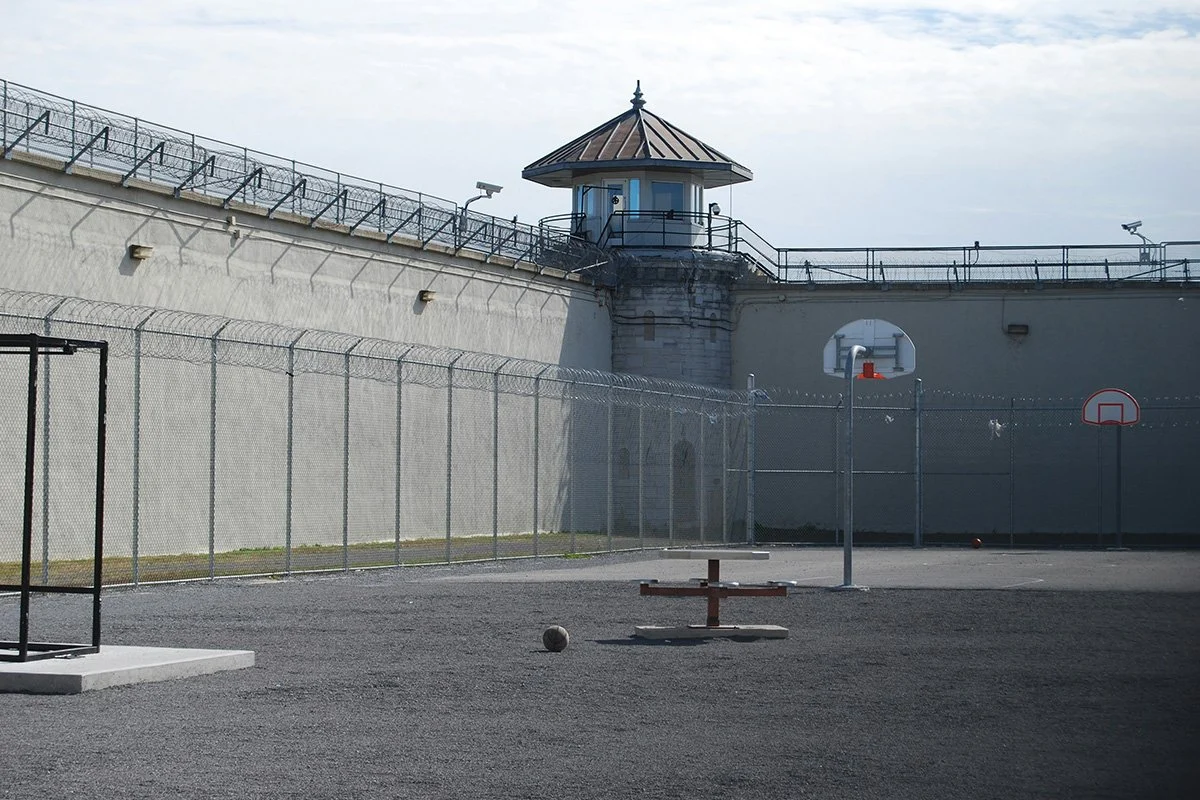
In a landmark development for the American criminal justice reform movement, Kerwin Pittman, a man who spent over 11 years within the confines of the North Carolina Department of Adult Correction, has finalized the purchase of the former Wayne Correctional Center in Goldsboro. The acquisition, completed in November 2025 for $275,000, marks a historic milestone as Pittman becomes the first formerly incarcerated individual in the United States to purchase a prison with the explicit intent of repurposing it into a sanctuary for rehabilitation and reintegration. The 80,000-square-foot property, which once served as a symbol of confinement and state-sanctioned punishment, is slated to undergo a radical transformation into a multi-service reentry campus designed to provide the housing, employment, and healthcare support necessary for successful transition back into society.
The project arrives at a critical juncture for North Carolina, where approximately 18,000 individuals are released from state prisons annually. For many, the return to civilian life is fraught with systemic barriers that often lead back to incarceration. A 2026 study titled "Bridging the Gap," conducted by the Wilson Center for Science and Justice at Duke Law, underscores the necessity of the mission, finding that individuals reentering communities require personalized, ongoing support rather than the fragmented services currently available. Pittman’s initiative, operating through his nonprofit Recidivism Reduction Educational Program Services (RREPS), seeks to address these gaps by creating a centralized hub where formerly incarcerated people can access the resources they need to build sustainable lives.
A Legacy of Incarceration Repurposed for Restoration
The Wayne Correctional Center has a storied history within the North Carolina penal system. The facility was shuttered in October 2013 following a series of state budget cuts and a directive from the North Carolina General Assembly to reduce the state’s overall prison capacity. For over a decade, the 400-bed facility sat dormant, a sprawling relic of the "tough on crime" era. Pittman’s acquisition, which received final approval from the North Carolina Council of State, represents a profound shift in the lifecycle of such institutions.
Pittman’s perspective is rooted in the lived experience of serving a sentence for conspiracy to commit murder. During his 11.5 years of incarceration, he witnessed firsthand the psychological toll of restrictive environments and the pervasive anxiety that accompanies the prospect of release. "When you’ve spent so much time in that type of facility, you start wondering, ‘What can this space be used for besides punishment?’" Pittman noted in recent statements. His transition back to society in 2018 was bolstered by a strong family support network—a luxury he recognizes many of his peers do not have. This disparity served as the catalyst for the founding of RREPS and the eventual purchase of the Goldsboro site.
The Architecture of Reentry: A Hybrid Campus Model
The vision for the former prison is ambitious, moving beyond the traditional halfway house model to create a "workforce campus." Pittman and his team, which includes nationally recognized criminal justice reform strategist Louis L. Reed, envision a hybrid facility with a capacity for up to 250 residents. The project is designed to be a holistic environment where the physical layout of the prison is dismantled—both literally and figuratively—to foster growth rather than control.
Scheduled to welcome its first residents by 2028, the campus will offer a comprehensive suite of services:
- Transitional and Long-term Housing: Providing a stable environment for those who would otherwise face homelessness upon release.
- Vocational Training and Job Placement: Partnering with local businesses to provide certifications in high-demand trades, addressing the "second chance hiring" gap.
- Health and Wellness Support: Integrating mental health services, addiction recovery programs, and general healthcare to address the trauma of incarceration.
- Educational Opportunities: Offering STEM education and cognitive behavioral therapy.
- Youth Engagement: Creating specialized spaces for justice-involved youth to engage in art therapy and career pathway programs to prevent future adult incarceration.
By addressing these interconnected challenges in one location, the RREPS model aims to mitigate the "reentry cliff"—the period immediately following release when the lack of resources most frequently leads to recidivism.
The Socioeconomic Context of Recidivism
The necessity of Pittman’s project is supported by sobering economic data. According to the Chamber of Commerce of the United States, six out of every ten formerly incarcerated individuals remain unemployed for up to four years after their release. This systemic exclusion from the labor market is one of the primary drivers of recidivism. However, the data also highlights a clear solution: individuals who maintain steady employment for at least one year post-release see their recidivism rates plummet to approximately 16%.
In North Carolina, the cost of recidivism is not only social but financial. The state spends tens of thousands of dollars per year to house a single inmate. By investing in reentry infrastructure, advocates argue that the state can save millions in future correctional costs while expanding the tax base through a newly empowered workforce. The Duke Law study further emphasizes that without "bridging the gap" between the prison gates and the community, the cycle of poverty and incarceration remains unbroken. Pittman’s campus is a direct response to this data, aiming to provide the "soft landing" that the current system lacks.
Financial Strategy and the $10 Million Fundraising Goal
While the purchase of the property was a significant milestone, the true challenge lies in the renovation and operationalization of the massive site. Pittman and Reed have set a fundraising goal of $10 million to cover the initial phases of construction and the establishment of service programs. The project’s financial strategy is a complex tapestry of philanthropic support, public workforce development grants, and private sector partnerships.
The leadership team is also exploring "earned revenue" opportunities, such as leasing space to other nonprofits or social enterprises that align with their mission. Furthermore, they are seeking to leverage state and federal programs that offer tax breaks and bonding for economic development in underserved areas. The $10 million investment is viewed as "seed capital" for a model that Pittman hopes can be replicated across the country as more rural prisons are closed.
Louis L. Reed, who brings extensive experience in national policy reform, views the funding of this project as a litmus test for the philanthropic sector. "This is about reimagining justice in America and building infrastructure that supports real second chances," Reed stated. The project poses a fundamental question to donors and policymakers: Are they willing to invest in the leadership of those with lived experience, providing them the capital necessary to build institutions that the state has failed to provide?
Timeline and Implementation Challenges
The transformation of a prison into a community center is a massive logistical undertaking. The construction timeline is estimated at two years, focusing on removing the aesthetic and functional elements of incarceration—such as barbed wire, heavy steel doors, and restrictive layouts—and replacing them with an environment conducive to learning and healing.
Beyond the physical renovations, RREPS must navigate complex zoning regulations, secure long-term operational funding, and establish a network of reliable service providers. The goal of opening in 2028 provides a window for the organization to build the necessary organizational infrastructure. Pittman has emphasized that the project’s success will be measured by clear outcomes: the number of residents who secure permanent housing, the percentage of participants who remain employed, and the overall reduction in recidivism among the campus’s alumni.
Broader Implications for the Nonprofit Sector and Justice Reform
The Wayne Correctional Center project is more than a local initiative; it is a symbolic reversal of the mass incarceration trend that dominated the late 20th century. By taking the tools of punishment and repurposing them for empowerment, Pittman is challenging the traditional hierarchy of the nonprofit sector, where leadership is often removed from the communities being served.
For the broader nonprofit and social justice sectors, this project serves as a case study in "lived-experience leadership." It advocates for a shift in power, suggesting that those who have survived the system are best equipped to design the solutions for those still trapped within it. The project also highlights the changing landscape of rural America, where abandoned state facilities can be reimagined as hubs for economic and social revitalization.
As the 2028 opening date approaches, the eyes of the nation will likely be on Goldsboro, North Carolina. If Pittman and RREPS can successfully navigate the financial and operational hurdles, the former Wayne Correctional Center could serve as a national blueprint for how to turn the "warehouses of the past" into the "workshops of the future." In doing so, they are not just providing beds and jobs; they are attempting to redefine the American concept of justice from one of permanent exclusion to one of genuine restoration.