Nila Kartika Wati
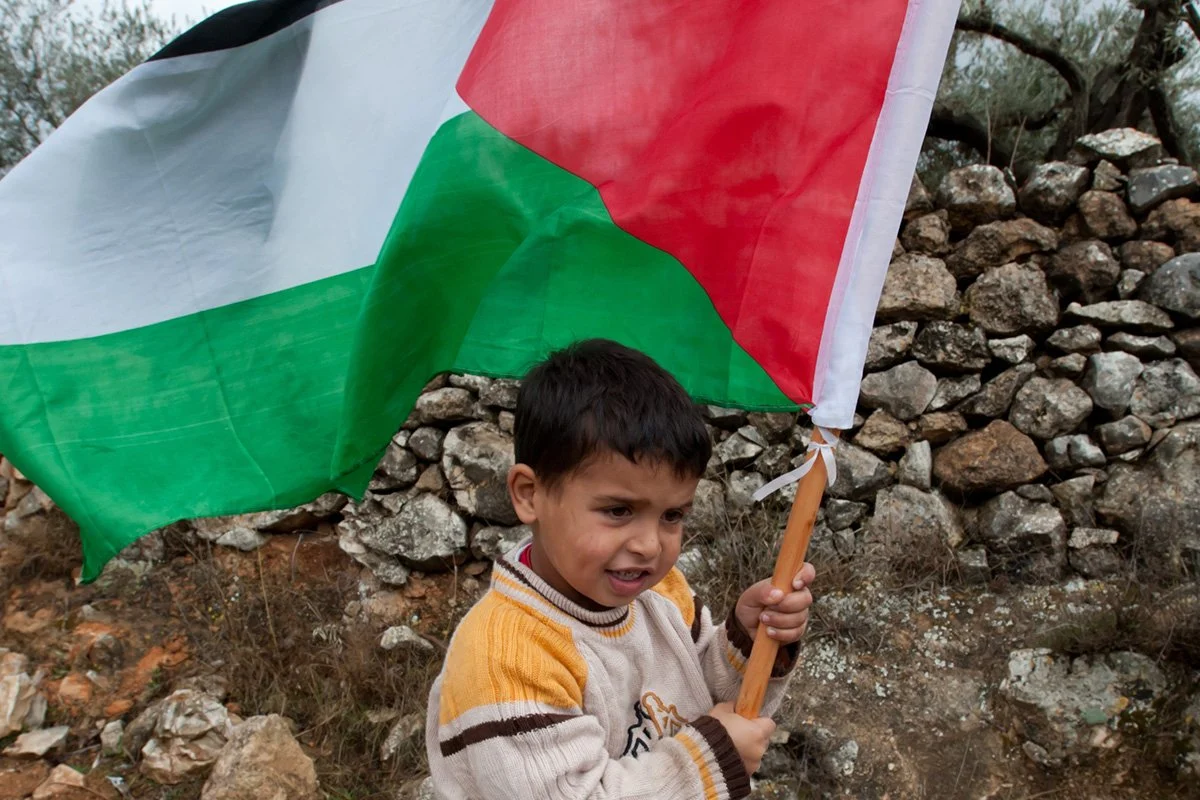
As the conflict in Gaza enters its fourth year, the humanitarian landscape has been defined not only by the immediate loss of life but by a growing population of children living with permanent disabilities. For thousands of young Palestinians who have survived the intense bombardments, the end of an airstrike marks only the beginning of a grueling, lifelong struggle for recovery. This process necessitates a sophisticated network of medical intervention, prosthetic technology, specialized rehabilitation, and long-term psychosocial support—resources that remain critically scarce due to ongoing blockades and the systematic destruction of healthcare infrastructure.
The scale of the crisis is unprecedented. Beyond the immediate physical trauma, children who have lost limbs face a reality where simple milestones, such as walking to a classroom or playing sports, are transformed into monumental challenges. These hurdles are exacerbated by a fractured medical system and stringent restrictions on the entry of essential supplies, leaving a generation of youth to navigate a world that is physically and structurally ill-equipped to accommodate them.
The Al-Bait Village Initiative: A Sanctuary Amidst Scarcity
In the heart of central Gaza, specifically within the Deir al-Balah region, local efforts have emerged to fill the vacuum left by the collapse of formal state and international services. One such effort is Al-Bait Village, an initiative founded by Abdul Karim Abu Daher. The project was conceived during the catastrophic famine of the summer of 2025, a period when food insecurity and the lack of medical care reached a breaking point. Abu Daher observed that children with amputations were among the most vulnerable, often neglected in the broader struggle for basic survival.
What began as a grassroots response to immediate hunger evolved into a comprehensive support center. By early 2026, Al-Bait Village began formal operations, offering a centralized hub for education, healthcare, and psychological rehabilitation. Starting with a cohort of 130 children, the village’s capacity expanded to approximately 240 by mid-2026. The facility is powered largely by a dedicated team of 35 individuals, the majority of whom are volunteers.
The administrative philosophy of the village emphasizes a sense of belonging over mere service delivery. Administrators and volunteers often work without compensation, driven by the goal of creating a "home" environment rather than a clinical institution. For many children who have lost both their limbs and their primary caregivers, the village provides the only stable social structure in their lives.
Personal Accounts of Resilience: Abdul Rahman, Sama, and Rateb
The individual stories within Al-Bait Village illustrate the complexities of pediatric disability in a conflict zone. Abdul Rahman, a 12-year-old boy who once found joy in swimming and cycling, lost a leg during an airstrike on a neighboring residence. While he has been fitted with a basic prosthetic limb, his recovery is far from complete. He currently advocates for an electronic prosthetic that would allow for the fluid movement required to regain his former independence. His aspirations, however, are tempered by his concern for his peers; he frequently expresses the hope that his friends in the village will receive even basic mobility aids so they can engage in collective play.
Similarly, 11-year-old Sama represents the psychological toll of physical trauma. After losing a foot in an explosion that also claimed the life of her uncle, Sama withdrew from social life, spending months in isolation. For a child in Gaza, a physical injury often leads to educational disruption and social withdrawal. The village has attempted to bridge this gap by providing specialized transportation, ensuring that Sama can access educational activities and connect with other children who share similar experiences, thereby mitigating the risk of chronic depression.
The most harrowing examples of the crisis are seen in children like eight-year-old Rateb. Having lost both a leg and both parents to the conflict, Rateb lives with his elderly grandfather in a makeshift tent. In the absence of a functional prosthetic limb, Rateb has been forced to use a length of plastic pipe as a crude walking tool. While Al-Bait Village has provided him with basic necessities and a more stable shelter, the specialized medical care and high-quality prosthetic he requires remain out of reach due to the ongoing medical blockade.
Statistical Overview and Systemic Barriers to Care
The gap between the need for assistive devices and their availability is stark. According to data compiled by health authorities and international monitoring groups, by May 2026, there were at least 2,277 documented amputees in Gaza. However, only 502 of these individuals—roughly 22 percent—had received permanent prosthetic limbs. This disparity is not merely a matter of funding; it is a direct result of logistical and political barriers.
In September 2026, it was reported that more than 900 wheelchairs destined for injured children were being held in warehouses in Jordan. These essential mobility aids were delayed by rigorous inspection processes and restrictions on "dual-use" items—materials that the Israeli government claims could be repurposed for military use. This categorization often includes high-grade plastics, carbon fiber, and certain electronic components essential for modern prosthetics and wheelchairs.
Furthermore, the physical environment of Gaza presents a secondary barrier to those with disabilities. Years of bombardment have left roads decimated and neighborhoods buried under millions of tons of rubble. For a child with a prosthetic limb or a wheelchair, navigating these terrains is often impossible, further limiting their access to schools, markets, and healthcare facilities.
Chronology of the Humanitarian and Medical Crisis
The current state of disability services in Gaza is the result of a multi-year degradation of resources:
- October 2023 – Early 2024: The initial phase of the conflict leads to a surge in traumatic injuries. Major medical centers, including Al-Shifa Hospital, face significant damage, eliminating specialized orthopedic and neurological wards.
- Late 2024: International aid organizations report a "surgical crisis," where lack of anesthesia and sterilized equipment leads to a higher rate of amputations for injuries that might have been salvageable under normal conditions.
- Summer 2025: A severe famine and total blockade on fuel and medical supplies bring the healthcare system to a near-total collapse. Local initiatives like Al-Bait Village are conceptualized during this period.
- Early 2026: The first dedicated rehabilitation centers for child amputees begin to operate at a grassroots level, though they remain dependent on smuggled or highly regulated international donations.
- Mid-2026: The number of amputees continues to rise as secondary infections and lack of follow-up care for older injuries lead to delayed surgical interventions.
International Responses and Legal Implications
The international community has repeatedly voiced concern over the treatment of persons with disabilities in Gaza. Humanitarian agencies, including the World Health Organization (WHO) and UNICEF, have noted that the denial of medical equipment violates the Convention on the Rights of Persons with Disabilities (CRPD), to which many involved parties are signatories.
Official statements from human rights organizations have called for "medical corridors" to allow for the evacuation of children who require complex surgeries that cannot be performed within the strip. However, the approval rate for medical evacuations remains low. In many cases, children who are granted permission to leave are not allowed to be accompanied by their parents, leading to further psychological trauma and "toxic stress."
Analysts suggest that the long-term implications of this crisis will be felt for decades. Gaza is currently witnessing the emergence of a "generation of amputees." Without significant intervention, these children face a future of limited employment opportunities and chronic health issues. The socio-economic burden on the territory will be immense, as thousands of young adults will require ongoing medical maintenance for their prosthetics and assistive devices.
Beyond Survival: The Quest for a Childhood
For children like Mahmoud Saber Fataier, an 11-year-old who lost a hand, the recovery process is as much about identity as it is about physical health. Mahmoud has turned to art, using his remaining hand to document his experiences and express his aspirations. Al-Bait Village facilitates these outlets, offering programs in dabke (traditional dance), computer literacy, and digital technology.
These activities are vital for psychological "re-integration," helping children view themselves as more than just victims of war or patients in a clinic. However, the organizers of these programs are the first to admit that art and education cannot replace the need for advanced medical technology. The village continues to petition international organizations for electronic limbs and specialized pediatric care, but the response has been hampered by the broader geopolitical deadlock.
As the conflict persists, the stories emerging from Gaza highlight a fundamental truth: survival is not synonymous with recovery. For the thousands of children living with disabilities, the "long road" is paved with systemic obstacles that require more than just local volunteerism to overcome. It requires a fundamental shift in international aid delivery and a lifting of the restrictions that currently treat life-saving medical equipment as a security threat. Until then, children like Rateb will continue to walk on plastic pipes, and the dream of a functional childhood will remain out of reach for Gaza’s most vulnerable.