Nila Kartika Wati
The United States Supreme Court issued a pivotal ruling on November 9, 2026, lifting a lower court’s injunction and allowing the Trump administration to resume border wall construction across the Big Bend region of West Texas. The decision effectively dissolves a legal shield that had protected the area since early October, placing a fragile, century-old adobe church at the center of a high-stakes conflict between national security policy and cultural heritage preservation. The case, Friends of the Ruidosa Church v. Mullin et al., represents a significant legal challenge brought by a small nonprofit organization against the federal government’s use of sweeping environmental and legal waivers to expedite the construction of a 2,000-mile barrier along the U.S.-Mexico border.
The Heart of the Conflict: El Corazón Sagrado de la Iglesia de Jesús
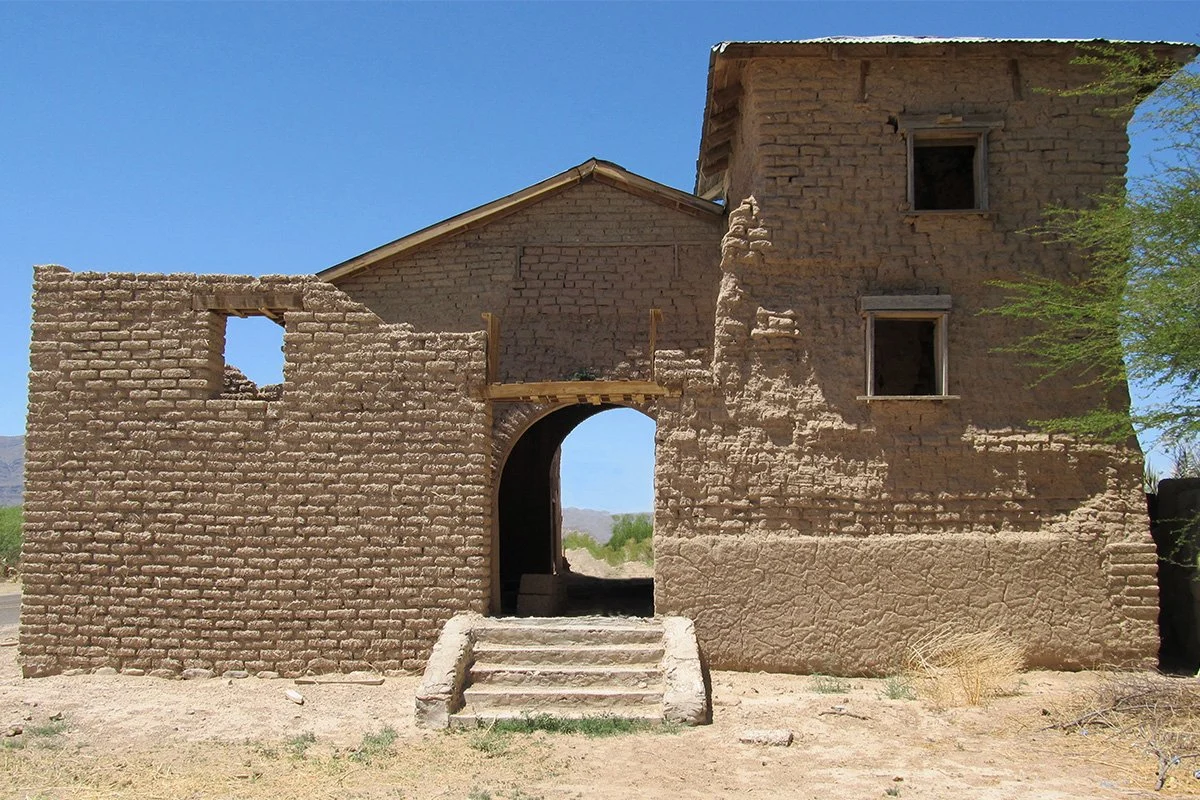
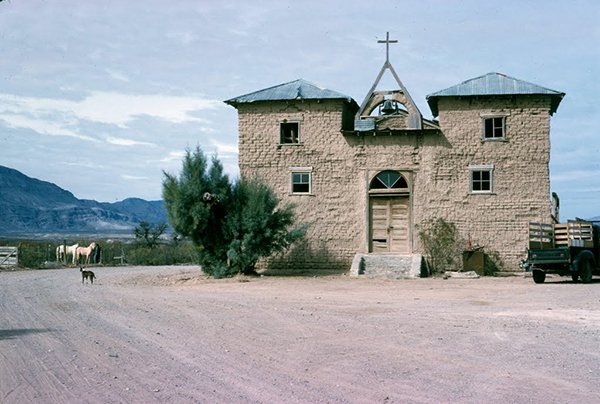
At the center of the dispute is El Corazón Sagrado de la Iglesia de Jesús (The Sacred Heart of the Church of Jesus), a historic structure commonly known as the Ruidosa Church. Situated in the remote West Texas town of Ruidosa, the church sits approximately 200 meters from the Rio Grande, where the river forms the distinctive curve that gives the Big Bend region its name. To the north, the Chinati Mountains provide a dramatic backdrop to a site that has served as a cultural and spiritual anchor for over a century.
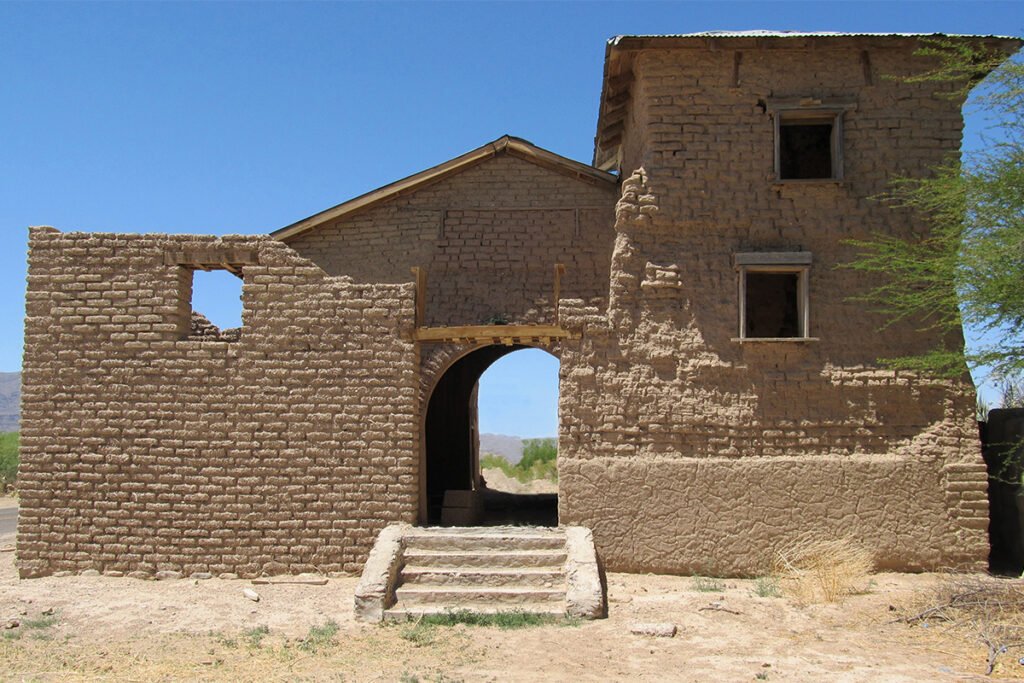
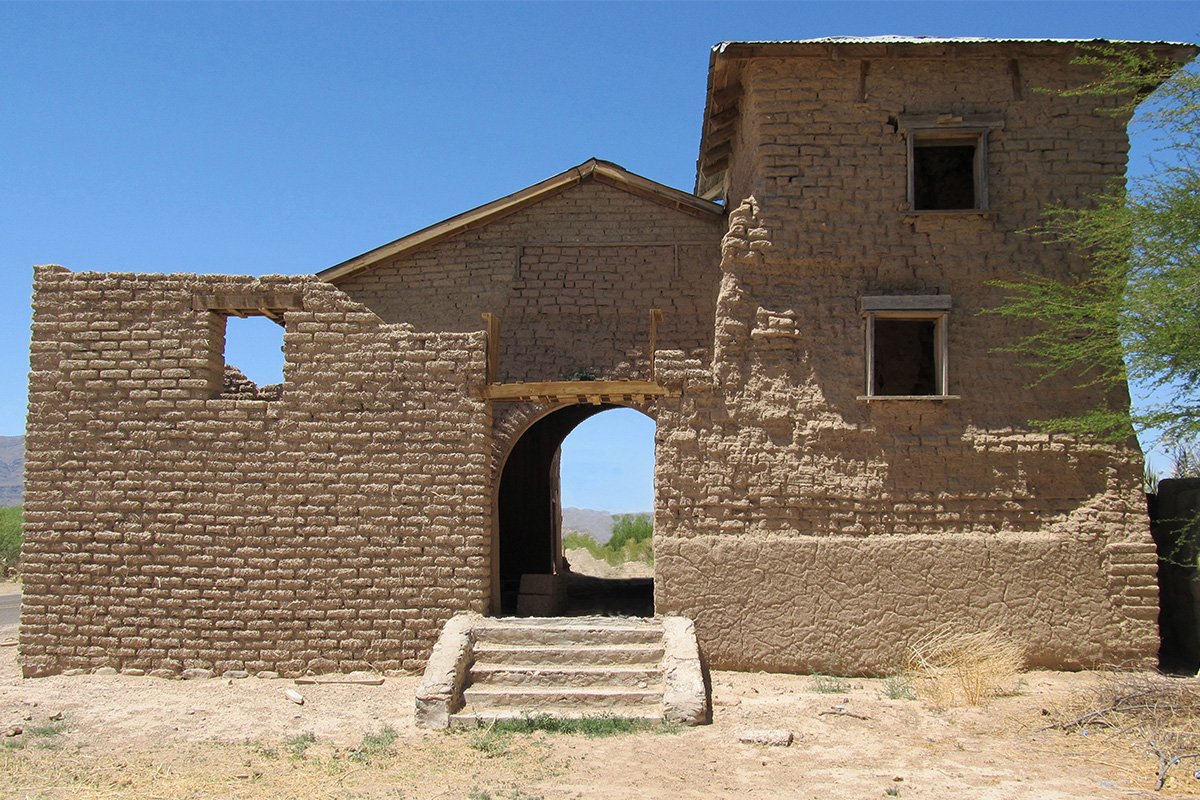
Built in 1915, the church was constructed by local residents to serve the Latino-majority farming communities that flourished on both sides of the river during the early 20th century. The architecture is a notable example of frontier adobe construction, featuring two pyramidal-roofed towers and four freestanding adobe arches—believed by historians to be the largest remaining structures of their kind in Texas. Unlike modern brick or stone buildings, adobe is composed of sun-dried mud and straw, making it highly susceptible to environmental stressors and mechanical vibrations.
The church fell into disrepair in the 1950s as the local population dwindled due to a lack of irrigation water. By the 1990s, one of its towers had collapsed, prompting the Catholic Diocese of El Paso to schedule the building for demolition. However, a grassroots movement led to the formation of the "Friends of the Ruidosa Church," a nonprofit that eventually secured the title to the property and began a decades-long restoration effort supported by the Texas Historical Commission and the National Trust for Historic Preservation.
A Chronology of Legal Escalation
The legal battle began in earnest in April 2026, when the Friends of the Ruidosa Church, represented by the Center for Biological Diversity, filed a lawsuit in the U.S. District Court for the Western District of Texas. The complaint challenged the federal government’s use of legal waivers—granted under the REAL ID Act of 2005—which allow the Secretary of Homeland Security to bypass dozens of environmental, health, and safety laws to ensure the expeditious construction of border barriers.
In August 2026, construction crews began moving into the Big Bend area, prompting the plaintiffs to seek an emergency injunction. On October 2, District Judge Kathleen Cardone granted the request, temporarily barring construction. In her ruling, Judge Cardone agreed that the plaintiffs could experience "irreparable harm" if work continued while the case was being litigated, noting that the government had failed to comply with certain environmental statutes not covered by the waivers.
The Trump administration immediately appealed to the U.S. Supreme Court, arguing that the district court had overstepped its authority and that the delay compromised national security. On October 21, the administration filed an application to stay the injunction, which the Supreme Court granted on November 9. This ruling allows the installation of 30-foot steel bollard fencing and heavy vehicle barriers to proceed while the underlying merits of the case continue to be debated in the lower courts.
The Technical Threat: Seismic Impact on Adobe Structures
The primary concern cited by the Friends of the Ruidosa Church and historic preservation experts is the physical vulnerability of the adobe structure. The proposed border wall alignment is slated for construction only 400 yards from the church. To facilitate this, heavy industrial equipment—including excavators, pile drivers, and multi-ton trucks—must transit the narrow roads directly adjacent to the site.
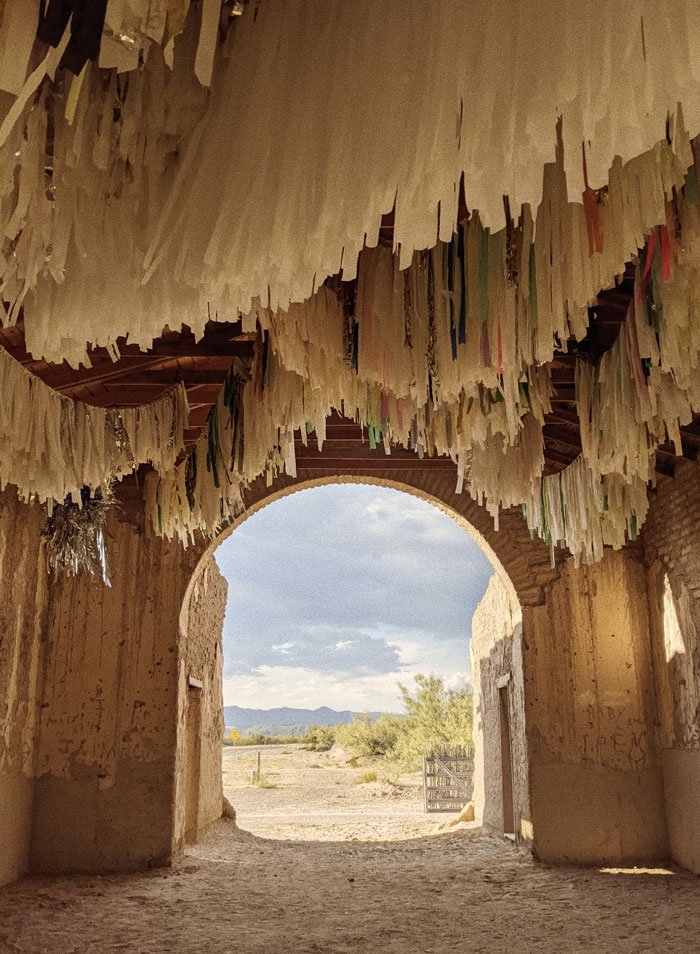
Structural engineers have warned that the vibrations generated by such machinery are akin to localized seismic events. Adobe, while durable under compression, has very low tensile strength and can easily crack or crumble when subjected to consistent low-frequency vibrations. In the legal complaint, the plaintiffs alleged that the "pass-through traffic" of heavy equipment alone could destabilize the church’s fragile arches, which are currently undergoing delicate stabilization work.
"Our biggest threat right now is the border wall," stated Martha Stafford, the nonprofit’s board treasurer. "When they start bringing in the heavy equipment, it passes right in front of the church. The vibration from this equipment can really destabilize the arches."
Security Imperatives vs. Border Realities
The federal government has defended the construction as a vital component of border security. Customs and Border Protection (CBP) Commissioner Rodney S. Scott stated in August that the infrastructure is necessary to "detect illegal crossings and respond faster." The administration has characterized the Big Bend region as a corridor for "cartel incursions, drug trafficking, and illegal entry."
To support this expansion, the government has already awarded five contracts in the Big Bend area totaling more than $6 billion. These contracts cover the installation of steel bollards, the construction of all-weather patrol roads, and the deployment of advanced surveillance technologies, including ground sensors and towers.
However, critics and some local law enforcement officials point to the government’s own data to argue that the Big Bend sector is an outlier in terms of border activity. Due to its rugged terrain and extreme isolation, the region consistently records the lowest number of unauthorized crossings along the entire 2,000-mile southern border. This discrepancy has led preservationists to argue that the potential destruction of a unique historical landmark is an unnecessary price for a barrier in an area with minimal transit.
Broader Implications for Cultural Heritage
The Ruidosa Church’s plight has garnered national attention, reflecting a broader debate over how the United States balances modern policy goals with the preservation of its diverse history. Earlier this year, the National Trust for Historic Preservation named the church to its list of "America’s 11 Most Endangered Historic Places." The site was also recognized by Latinos in Heritage Conservation as an endangered Latinx landmark.
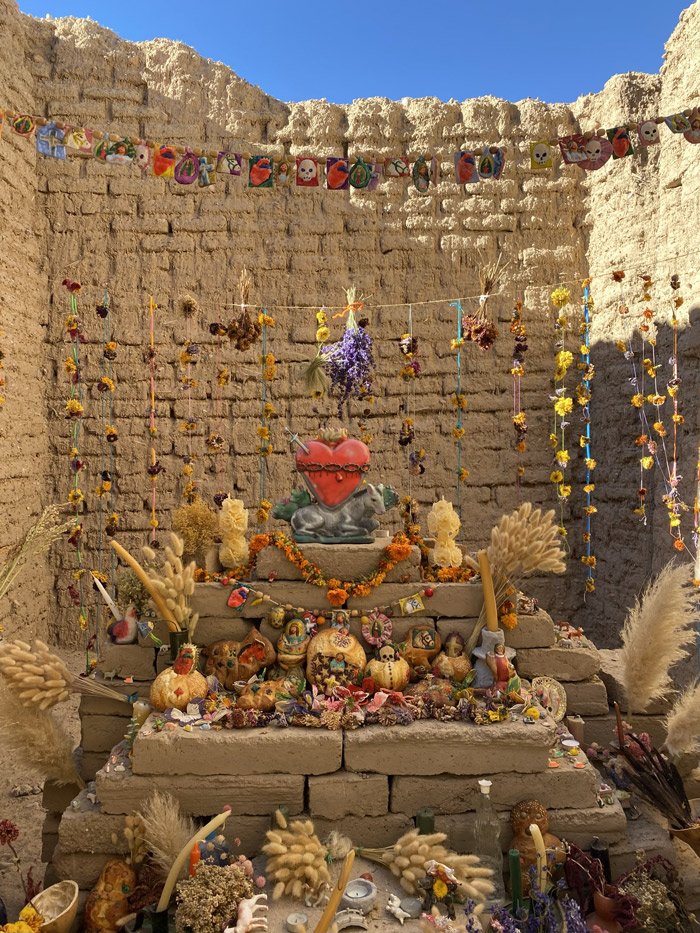
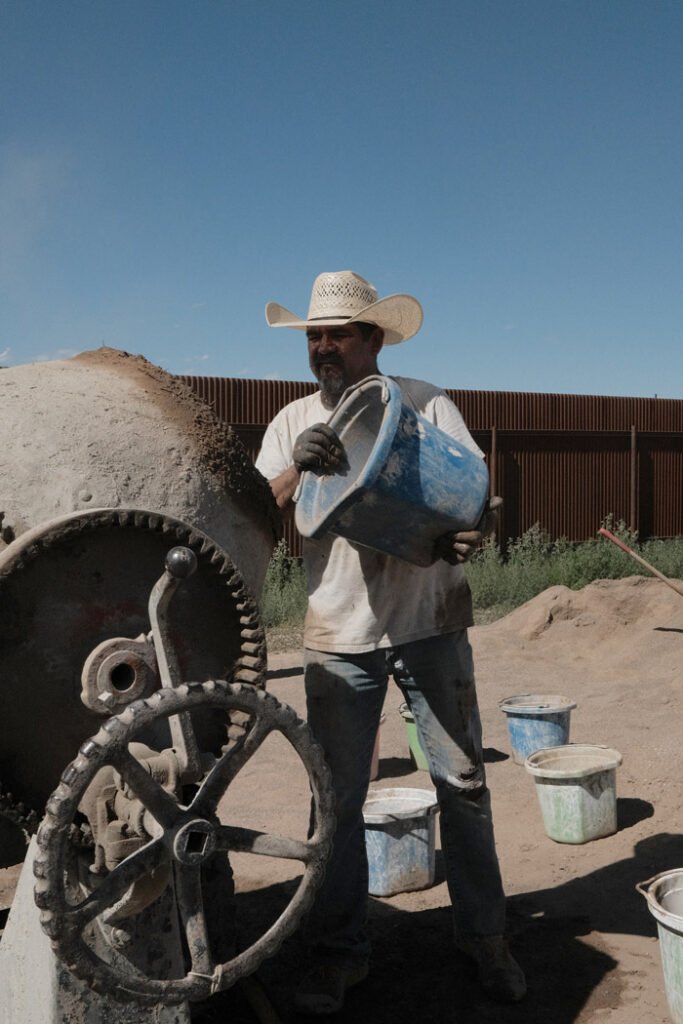
The nonprofit has worked to transform the church from a ruin into a community hub. Annual autumn gatherings feature regional art exhibitions and traditional Matachín dancing—a ritual dance that blends Indigenous and Spanish traditions. The group also hosts adobe-making workshops, where community members from both Ruidosa and nearby Marfa hand-cast bricks to be used in the restoration of the collapsed tower.
"The church is an existing reminder of agricultural communities that were on the border," said Mike Green, the board president of Friends of the Ruidosa Church. "It was handmade by local citizens… representing collaborative effort, sacrifice, and hard work to do something meaningful."
Analysis of Potential Outcomes
The Supreme Court’s decision to lift the injunction does not end the lawsuit, but it significantly changes the landscape. With construction allowed to resume, the "irreparable harm" the plaintiffs feared may occur before the District Court can issue a final ruling on the merits of the case.
Legal analysts suggest that if the church suffers structural damage during construction, it could lead to further litigation regarding the government’s liability for the destruction of historic property. Furthermore, the case highlights the enduring controversy surrounding the REAL ID Act waivers. While the Supreme Court has historically been reluctant to interfere with executive authority on border security, this case tests the limits of that authority when it conflicts with the preservation of sites designated as nationally significant.
As heavy machinery returns to the banks of the Rio Grande, the volunteers of the Friends of the Ruidosa Church remain in a state of high alert. For them, the battle is not merely about a building, but about the preservation of a "spiritual feeling" and a physical link to a shared trans-border history that predates modern political divisions. The coming months will determine whether the 111-year-old arches of Ruidosa can withstand the literal and metaphorical tremors of a changing border.