Nila Kartika Wati
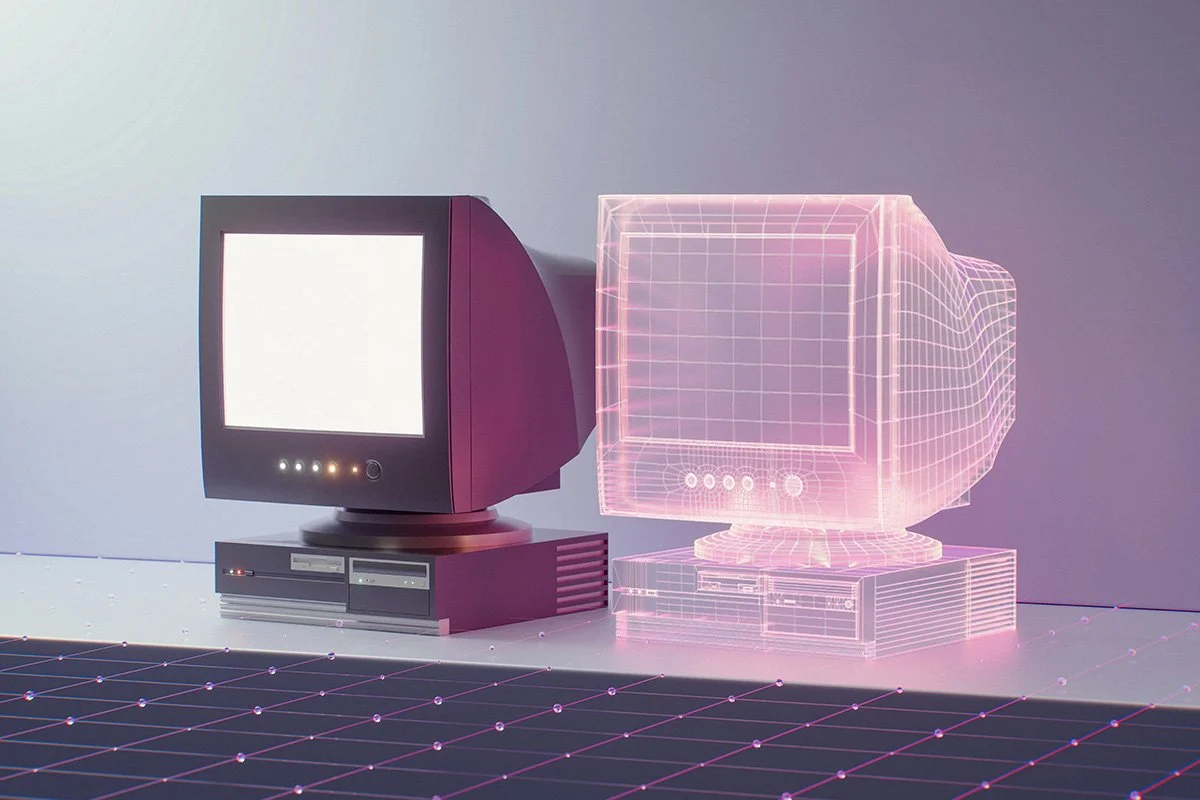
The landscape of media consumption has undergone a fundamental transformation since the turn of the millennium, transitioning from a model of tangible possession to one of ephemeral access. For decades, the acquisition of movies, music, and video games was defined by physical "third spaces"—locations like Blockbuster, local independent record stores, and community libraries where consumers could explore, borrow, and permanently own cultural artifacts. However, the advent of the digital-first era, catalyzed by the introduction of the iPod, the rise of Steam, and the dominance of streaming giants like Netflix and Disney+, has systematically dismantled the traditional concept of ownership. Today, consumers find themselves in a precarious position where the products they "purchase" are increasingly revealed to be temporary licenses, subject to revocation at the whim of corporate entities.
The Sony Precedent and the Licensing Illusion
The tension between consumer expectations and corporate policy recently culminated in a significant legal challenge against Sony Interactive Entertainment. As the company moves toward an all-digital hardware ecosystem—exemplified by consoles that omit physical disc drives—it has faced intense scrutiny over its disclosure practices. A class-action lawsuit filed in 2024 argues that Sony has failed to adequately inform consumers that digital "purchases" do not constitute legal ownership. Sony’s defense rests on the claim that its terms of service and digital license disclosures are sufficiently clear that a "reasonable consumer" would understand they are merely leasing access to software.
Ken Kutaragi, the founder of PlayStation and former Sony chairman, recently acknowledged this cultural friction, noting that physical discs have become a "metaphor for owning games." Despite this sentiment, the industry trend remains aggressively digital. Market data indicates that physical disc sales now account for a dwindling percentage of total revenue, providing corporations with a statistical mandate to phase out physical production. Yet, this shift creates a "fragility of records" that did not exist in the analog age. When a digital storefront closes or a licensing agreement expires, the media associated with it often vanishes, leaving consumers with no recourse and no permanent copy of the work they funded.
A Chronology of the Digital Shift (2000–2026)
The erosion of physical media followed a clear chronological progression, beginning with the disruption of the music industry and ending with the current crisis in software and film preservation:
- 2001–2005: The rise of the iPod and the iTunes Store introduces the concept of the "digital library," shifting music from CDs to compressed files. While users "owned" the files, they were often locked behind Digital Rights Management (DRM).
- 2007–2011: Netflix transitions from a DVD-by-mail service to a streaming powerhouse. The "subscription model" begins to replace the "rental model," decoupling the act of payment from the acquisition of a specific title.
- 2013–2019: Video game platforms like Steam and the PlayStation Store become the primary method of software distribution. The launch of "Games as a Service" (GaaS) ensures that many titles require a constant internet connection to function, even for single-player content.
- 2020–2024: Major film studios begin removing original content from streaming platforms (e.g., Disney+ and Warner Bros. Discovery) to claim tax write-offs, rendering some modern films and series legally unwatchable.
- 2026: Sony and other hardware manufacturers signal a definitive move away from physical media, sparking legislative interest in "Right to Own" laws.
Digital Decay and the Loss of Historical Records
Beyond the economic frustrations of consumers lies a more profound societal risk: the erasure of the historical record. Unlike paper documents or physical film reels, which can survive for centuries with minimal maintenance, digital records are subject to "digital decay." A 2024 study by Pew Research highlighted the staggering rate at which online content is disappearing. According to the data, 38 percent of webpages that existed in 2013 are no longer accessible. Even more concerning is the decay within institutional records; 23 percent of news pages and 21 percent of government websites contain at least one broken link to critical information.
Social media, often considered the "first draft of history" in the 21st century, is equally vulnerable. One in five tweets on X (formerly Twitter) vanishes within months of being posted due to account deletions, suspensions, or privacy changes. This malleability of the digital record allows for the potential manipulation of history. A recent report by The Guardian noted efforts to alter or delete hundreds of federal datasets, a move that experts warn could leave the nation without the information needed to make life-saving policy decisions. As Denice Ross, former US chief data scientist, remarked, the nation is at a "vulnerable point" where the loss of data directly impacts the ability to benefit American communities.
The Economics of "Enshittification" and Wage Stagnation
The shift away from physical media also carries heavy economic implications, particularly for low-income households. In the analog era, the secondary market—comprised of used book stores, pawn shops, and game exchanges—provided a vital point of entry for those priced out of new releases. Digital-only models effectively kill the resale value of media. For example, the upcoming Grand Theft Auto VI is expected to offer a "physical" edition that contains only a download code rather than a disc. This ensures the game has a resale value of zero dollars and requires the consumer to possess high-speed internet, adding a hidden "connectivity tax" to the $79.99 purchase price.
This phenomenon aligns with the concept of "enshittification," a term coined by author Cory Doctorow to describe the lifecycle of digital platforms. As platforms sit between buyers and sellers, they eventually begin to "abuse" users to maximize shareholder value, often by raising prices while simultaneously removing features or content. Without the leverage of ownership, consumers have no agency to advocate for themselves. When a service like Disney+ increases its subscription fee while removing dozens of titles, the subscriber is held hostage to the platform’s ecosystem, unable to "take their business elsewhere" without losing access to their entire library.
Advocacy and the Legislative Path Forward
In response to these systemic issues, digital rights advocacy groups and policymakers have begun to mobilize. The Electronic Frontier Foundation (EFF) has been a vocal critic of Sony’s recent hardware decisions, arguing that the move to digital-only consoles diminishes the "right to access and engage with culture." The EFF has called for a fundamental reform of Section 1201 of the Digital Millennium Copyright Act (DMCA), which often prevents consumers from "modding" or repairing the digital products they buy.
On the legislative front, Representative Ritchie Torres (NY-15) announced the "Power To The Players Act" in October 2026. The bill aims to direct the Federal Trade Commission (FTC) to establish regulations that protect a consumer’s ability to truly own and play the video games they purchase. Key provisions of the act include:
- Mandatory Ownership: Requiring that the "purchase" of a game constitutes a permanent transfer of ownership rather than a revocable license.
- Offline Functionality: Ensuring that any game with an online component must provide a functional offline mode before servers are shut down.
- Resale Rights: Protecting the consumer’s right to transfer or resell digital assets.
"When you pay for a game, you should own it," Representative Torres stated during the bill’s announcement. "A game that can be taken away the moment a company pulls the plug is not a purchase. It is a rental disguised as a sale."
The Role of Preservation and Philanthropy
While legislation seeks to fix the future, organizations like the Internet Archive are working to save the past. Founded by Brewster Kahle, the Internet Archive serves as a digital library for humanity’s principal publishing platform. However, the archive faces increasing opposition from news organizations and AI companies. Over 340 news outlets have recently blocked the archive from crawling their sites, citing concerns over AI training data. Kahle warns that such blocks prevent historians, researchers, and journalists from consulting an accurate record of the web.
The preservation of digital media is an active, resource-intensive process that requires constant migration from old storage formats to new ones. Unlike a library of physical books that can sit on a shelf for decades, a digital archive must be "powered on" and maintained to survive. This creates a unique role for the nonprofit and philanthropic sectors. Supporting organizations that defend digital civil liberties and maintain open-access archives is essential to ensuring that the 21st century does not become a "dark age" of lost information.
Conclusion: Reclaiming the Metaphor
As the world moves further into an all-digital existence, the "metaphor" of the physical disc must be codified into law. Ownership is a central tenet of economic mobility and cultural stability; it allows for the transfer of wealth, the preservation of history, and the protection of consumer agency. The intersectional challenges of digital decay and corporate licensing require a dynamic solution that combines legislative oversight with robust public archiving. Whether through the "Power To The Players Act" or the continued efforts of the EFF, the goal remains the same: to ensure that in our digital world, "buying" something still means it belongs to you. Without this guarantee, the history and culture of the modern era remain on loan, subject to a "delete" key held by entities with no obligation to the public good.