Nila Kartika Wati
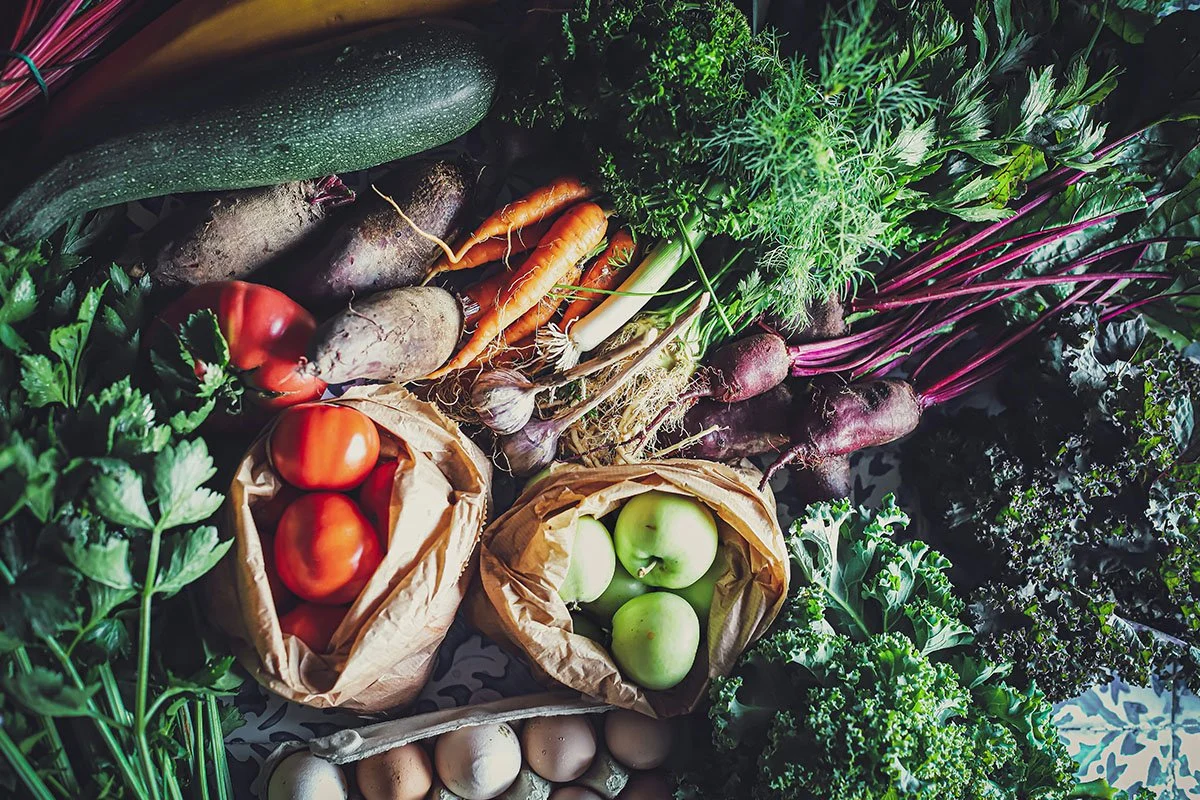
In the South Bronx zip code of 10454, situated within the nation’s poorest congressional district, a multifaceted initiative is reshaping the landscape of urban food security through a combination of regenerative agriculture, community-led research, and nutritional education. The program, known as LEAF—Leading an Ecological and Accessible Food System—is a collaborative endeavor between the Stone Barns Center for Food & Agriculture and the Columbia Climate School. Now in its fourth year, the initiative has moved beyond traditional charitable models to establish a sustainable, community-embedded framework that addresses the root causes of food insecurity while fostering a deeper connection to the land and the local food system.
The South Bronx has long been characterized by systemic socioeconomic challenges. New York’s 15th Congressional District, which encompasses the area, faces a poverty rate of approximately 44 percent, a figure that stands in stark contrast to the relative affluence of surrounding regions. Residents often navigate a "food apartheid" landscape, where access to high-quality, fresh produce is limited by both geographic distance and economic barriers. Against this backdrop, LEAF has emerged not merely as a distribution network, but as a laboratory for social and ecological change, proving that integrated community-focused initiatives can be transformational for both participants and the broader food system.
The Genesis and Evolution of the LEAF Initiative
The roots of LEAF can be traced back to an organic interaction between the leadership of Stone Barns—an 80-acre farm and educational center in Tarrytown, NY—and the community advocates of the South Bronx. The program was sparked when Stone Barns board members visited the neighborhood of Carolina Saavedra, the center’s community education manager. Saavedra, who also serves as a sous chef at the renowned La Morada community kitchen and a land steward at the Bruckner Mott Haven Garden, provided a direct bridge between the agricultural resources of Tarrytown and the specific needs of the Bronx.
Recognizing the limitations of top-down philanthropy, Stone Barns committed capital and logistical support to create a program that prioritized the lived experience of Bronx residents. The initiative officially launched four years ago, initially focusing on the distribution of regeneratively produced food. Over time, the scope expanded to include home gardening kits, bilingual nutrition education, and a rigorous research component designed to measure the program’s impact on public health and community resilience.
In 2024 and 2025, the program also extended its reach to Sleepy Hollow, New York, demonstrating its scalability. Despite fluctuations in funding and federal budget cuts that have threatened similar programs nationwide, LEAF has maintained a 99 percent participant retention rate from its first year to its second, a metric that underscores the program’s resonance with the community it serves.
A Holistic Model: Beyond Traditional Food Distribution
The LEAF model is built upon three primary pillars: ecological food access, hands-on agricultural education, and community-based participatory research. Participants receive a bi-weekly distribution of high-quality, nutrient-dense foods sourced directly from Stone Barns. This includes regeneratively raised eggs, grass-fed beef, onions, and specialty grains like rye berries—items that are often prohibitively expensive or entirely unavailable in local Bronx supermarkets.
Complementing the food distribution is a robust educational framework. In April, June, and September, households receive home gardening kits equipped with seedlings for greens, herbs, and vegetables such as lunchbox peppers. These kits are accompanied by bilingual instructions and nutrition materials tailored for both adults and children. To bridge the gap between the farm and the kitchen, the program provides recipes tested at Blue Hill at Stone Barns, the center’s acclaimed partner restaurant. This ensures that participants not only have access to fresh ingredients but also the culinary confidence to prepare them.
Furthermore, the program facilitates guided farm tours and activities at the Stone Barns campus in Tarrytown. For many participants, these visits represent a rare opportunity to connect with the source of their food and engage in the physical act of land stewardship. This connection is further reinforced by the program’s commitment to growing specific crops, such as hot peppers, at the direct request of the community, ensuring that the food system reflects the cultural preferences of the participants.
Statistical Impact and the Sustainability Study
To validate the efficacy of the LEAF model, a research consortium composed of professors, scientists, dietitians, and community leaders was formed. In January, the consortium published a landmark paper in the journal Sustainability detailing the findings from the program’s first two years. Lead researcher Natalie Greaves-Peters, a behavioral nutritionist, noted that while behavioral changes were not statistically significant in the first year, the data from the second year revealed a profound shift.
The study documented statistically significant increases in:
- Fruit and vegetable consumption: Households reported a marked uptick in the frequency and variety of produce consumed.
- Gardening proficiency: Participants expressed higher levels of comfort and enjoyment in growing their own food.
- Mental Well-being: The research highlighted a positive emotional response to gardening, suggesting that the act of cultivation serves as a tool for stress reduction and mental health support.
- Resource Utilization: There was a measurable increase in SNAP (Supplemental Nutrition Assistance Program) participation and awareness of WIC (Women, Infants, and Children) benefits among the cohort.
Greaves-Peters emphasized that these results demonstrate the importance of sustained, long-term engagement. "We can’t think our work is done once we hand food over," she stated. The longitudinal data suggests that holistic programs offer far more impact than one-off distributions, particularly in communities where systemic barriers to health have existed for generations.
Community Integration and the Human Element
The success of LEAF is deeply rooted in its "community participatory based research" approach. By involving established local organizations such as La Morada, the WordUp bookshop, and the Bruckner Mott Haven and Brook Park community gardens, the program has built a level of trust that traditional social services often lack. Food distributions are scheduled to align with school pickup times and rotate through familiar community spaces, reducing the friction of access.
Maria Pena, a Bronx resident and LEAF participant, highlighted the dignity inherent in the program’s delivery. Unlike some local food pantries where staff-client interactions can feel transactional or dehumanizing, Pena noted that LEAF treats participants "with kindness and humanity." This focus on dignity has fostered a self-sustaining community; an active WhatsApp group allows members to coordinate food pickups, share recipes, and exchange information on social services like English classes or library programs.
This communal spirit has also led to an increase in local food production. Saavedra estimated that approximately 30 percent of LEAF participants have transitioned from home gardening kits to cultivating plots in community gardens. This shift challenges the negative narratives often associated with high-poverty zip codes, proving that when provided with land, seeds, and knowledge, residents are eager to reclaim their roles as food producers.
Future Implications and the "Food is Medicine" Movement
As LEAF enters its next phase, the research consortium is expanding its methodology from a cross-sectional study to a quasi-experimental one. This will include focus groups, in-depth interviews, and the objective measurement of participants’ carotenoid levels. Carotenoids are naturally occurring pigments in produce that serve as antioxidants; their levels in the human body are a direct biological marker of fruit and vegetable intake. By utilizing this data, the consortium aims to provide empirical evidence that can influence government policy and support the growing "food is medicine" movement.
The implications of this research are significant. As federal budget cuts threaten to terminate or scale back nutrition education and food access programs, LEAF provides a replicable, evidence-based model for how public-private partnerships can fill the gap. The consortium intends to publish its findings as open-source data, encouraging other municipalities and non-profits to adopt similar ecological and community-centered frameworks.
Jason Grauer, Executive Director at Stone Barns, views the program as a critical component of a larger mission to transform the national food system. "We want food citizens and healthier food citizens," Grauer noted. By demonstrating that high-quality, regeneratively produced food can be accessible to all—regardless of zip code—LEAF is setting a new standard for how society addresses the intersection of environmental health, public nutrition, and social justice.
The program’s success suggests that the solution to food insecurity lies not just in the volume of calories provided, but in the quality of the food, the health of the soil it comes from, and the strength of the community bonds that deliver it. As the LEAF initiative continues to grow, it serves as a powerful testament to the idea that an ecological food system is not a luxury, but a fundamental right that can be realized through collaboration, science, and a deep respect for human dignity.