

 Candice Horbacz
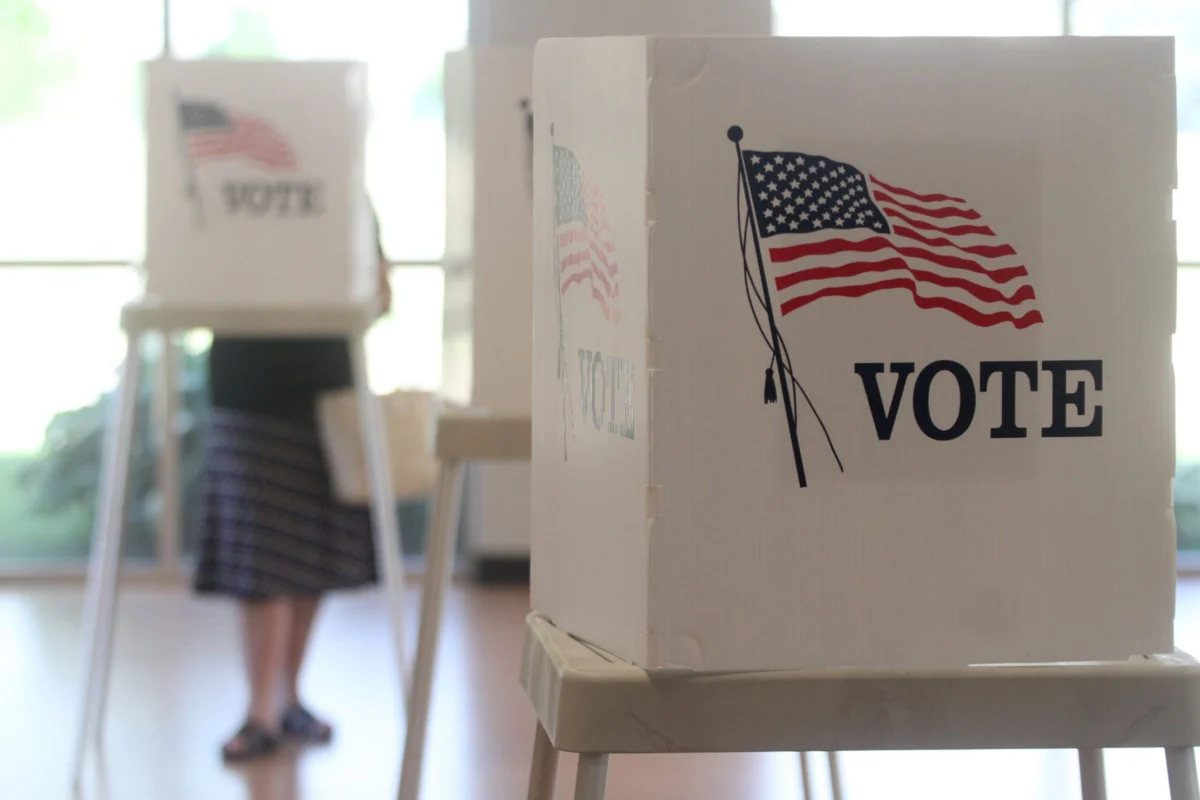
In a political landscape where voters delivered a significant rebuke to Republicans in the broader 2026 midterm elections, a more nuanced picture emerged regarding state-level tax ballot measures. Across red and blue states, citizens largely demonstrated a cautious approach to dramatic tax code alterations, favoring targeted relief and fiscal responsibility over wholesale systemic changes. This trend suggests a prevailing message that while the electorate is deeply concerned with affordability, particularly in housing, their preferred solutions often run through carefully considered adjustments to the tax code rather than radical overhauls. Two notable exceptions, however, offered glimpses into potential future directions for tax policy debates.
A National Landscape of Fiscal Caution
The 2026 midterms unfolded against a backdrop of persistent economic anxieties, including elevated inflation, rising interest rates, and a national housing crisis that had pushed homeownership further out of reach for many and squeezed existing homeowners with escalating property tax burdens. These conditions fueled public discontent and placed immense pressure on state and local governments to address cost-of-living issues. Tax policy, often seen as a direct lever for economic relief or redistribution, naturally became a central battleground in numerous states. Proponents of various ballot initiatives campaigned on promises of easing financial strain for families, fostering economic growth, or ensuring greater tax equity. Opponents frequently countered with warnings of budget instability, economic disincentives, or unfair burdens on specific groups.
However, despite the palpable desire for change, the overall outcome of tax-related ballot measures suggested a deep-seated wariness among voters toward proposals deemed too disruptive or economically precarious. This sentiment transcended partisan divides, indicating that practical concerns about government services and economic stability often outweighed ideological purity when it came to pocketbook issues.
Florida’s Property Tax Conundrum: A Patchwork Solution
One of the most significant tax measures to pass was Florida Amendment 3, which ratified a new $250,000 homestead exemption specifically for non-school property taxes. This measure, approved by approximately 62% of voters, is a clear indicator of Floridians’ profound dissatisfaction with soaring property tax bills, a consequence of the state’s booming real estate market and rapid population growth. The existing "Save Our Homes" amendment, enacted in 1992, caps annual assessment increases for homesteaded properties at 3% or the Consumer Price Index, whichever is lower. While this has provided substantial protection for long-term residents, it has also created a stark disparity, with newer homeowners often paying significantly higher property taxes on homes of similar value.
Amendment 3 sought to alleviate some of this pressure by granting an additional exemption, estimated to save the average qualifying homeowner approximately $300-$500 annually on their non-school property tax bill. This relief, while welcomed by many, is projected to result in a revenue loss of roughly $275 million annually for local governments across the state, impacting services funded by county, municipal, and special district levies.
Local government associations, such as the Florida League of Cities and the Florida Association of Counties, had voiced strong concerns during the campaign, warning that the exemption would leave them "in the lurch." They argued that without alternative revenue sources, cities and counties would be forced to either cut essential services like public safety, infrastructure maintenance, or parks and recreation, or to raise property tax rates on commercial properties and non-homesteaded residential properties (including rental units and second homes) to compensate for the lost revenue. Critics also pointed out that this measure, much like Save Our Homes, represents another "temporary patch" that further complicates Florida’s already intricate property tax system, potentially exacerbating inequities and distorting property markets in the long run. The long-term implications include further incentivizing local governments to seek less economically efficient revenue streams or to shift burdens to a narrowing tax base, particularly impacting businesses and new residents.
Colorado’s Graduated Income Tax: A Narrow Shift
In a stark contrast to the general caution, Colorado voters appeared to have narrowly approved Amendment 87, a measure poised to fundamentally alter the state’s income tax structure. As of election night, the measure held a razor-thin lead of approximately one percentage point, with 75% of votes reported, indicating a highly contested outcome that was still subject to final certification. If the results hold, Amendment 87 would amend the state constitution, which currently mandates a flat income tax rate, to permit a graduated-rate system. Concurrently, it would implement an initiated statute establishing new rates, replacing the state’s existing 4.4% single-rate income tax with a progressive structure topping out at 8.4%.
Proponents, largely progressive advocacy groups and labor unions, argued that the flat tax disproportionately burdened lower and middle-income families, while the wealthy paid a smaller share of their income. They championed Amendment 87 as a step towards greater tax equity, estimating it would generate an additional $1.2 billion annually for critical state services such as education, infrastructure, and healthcare. For instance, proposed brackets could include a 4.5% rate for income up to $50,000, 6.5% for income between $50,001 and $200,000, and 8.4% for income above $200,000. Under such a system, an estimated 70% of Colorado taxpayers would see a slight decrease or no change in their income tax burden, while the top 10-15% of earners would face higher rates.
Conversely, business organizations and conservative groups warned that a graduated income tax, particularly one with a top rate of 8.4%, could deter high-income earners and businesses from relocating to or expanding within Colorado, potentially hindering economic growth. Governor Jared Polis, while generally supportive of progressive tax reforms, had expressed reservations about the specific rates and the potential for a "brain drain" if the state became significantly less competitive for high earners. The full implications of this shift, if confirmed, will unfold over the coming years, potentially serving as a bellwether for other flat-tax states considering similar transitions.
The California Wealth Tax: A Resounding Rejection
Perhaps the most watched tax measure nationally was California’s proposed wealth tax, which voters definitively rejected. This highly ambitious measure, known as the "Billionaire Tax Act," aimed to impose a 1.5% annual tax on an individual’s net wealth exceeding $50 million. The proposal quickly became the night’s "star attraction" due to its far-reaching economic and political ramifications, representing the first serious attempt by a major U.S. state to implement a broad-based wealth tax.
Supporters, including a coalition of social justice advocates and some progressive economists, argued that the tax was a crucial tool for addressing extreme wealth inequality and generating substantial revenue—estimated at $10-12 billion annually—to fund public services and tackle pressing issues like homelessness, climate change, and affordable housing. They highlighted that only a tiny fraction of California’s wealthiest residents, perhaps fewer than 10,000 individuals, would be subject to the tax.
However, the opposition was formidable and diverse. Business groups, fiscal conservatives, and even some moderate Democrats, including Governor Gavin Newsom (who, while supporting a federal wealth tax, opposed the state version), raised serious concerns. Critics argued that the tax was unconstitutional, logistically impossible to administer due to challenges in valuing illiquid assets, and highly likely to trigger an exodus of wealthy residents and capital from the state. They pointed to the historical failures of wealth taxes in European countries, many of which have since repealed them due to capital flight, administrative complexities, and limited revenue generation.
The decisive rejection in California, a state often at the forefront of progressive policy, delivers a significant blow to the burgeoning national movement for wealth taxation. It is likely to dampen enthusiasm for similar measures currently being explored or debated in states like Oregon, Minnesota, Hawaii, and Washington. While proponents in California have already signaled their intent to try again in 2028, the 2026 outcome sends a clear message to policymakers nationwide, including members of Congress contemplating federal wealth tax proposals: the practical and political hurdles to implementing such a tax remain extremely high, even in the nation’s most progressive jurisdictions.
Property Tax Relief: A Spectrum of Approaches
Beyond Florida, other states grappled with property tax relief, but voters largely preferred more measured approaches to radical cuts.
- North Carolina: Voters approved a responsible legislative mandate requiring the General Assembly to implement levy (revenue) limits. This approach caps the annual growth of property tax collections from all existing property in aggregate, offering relief by slowing the overall rate of increase without creating immediate fiscal crises for local governments or distorting individual property values through exemptions. This method allows for predictable revenue for services while providing taxpayers with long-term stability.
- Oklahoma: Voters rejected a measure that sought to tighten existing assessment limits. While assessment limits aim to control property tax growth for individual properties, overly restrictive limits can severely distort property markets, create highly non-neutral tax burdens (where new buyers pay significantly more than long-term residents for similar properties), and starve local governments of necessary revenue. The rejection signals a preference for maintaining a more balanced approach to property valuation and taxation.
- Wyoming: Voters likewise rejected a proposal for an irresponsibly large exemption for house values. This outcome underscores the electorate’s caution against measures that could severely undermine the financial stability of local municipalities and school districts, which heavily rely on property tax revenue. The proposed exemption, while offering substantial relief to homeowners, was deemed unsustainable for the state’s smaller, rural communities.
These results collectively indicate that while voters are eager for property tax relief, they are generally wary of measures that could destabilize local government finances or create significant inequities within the tax system.
Tax Limits and Voter Control: A Mixed Message
Several states also considered measures related to controlling future tax increases, revealing a dual desire for legislative fiscal discipline alongside the preservation of direct democratic power.
- Iowa: Iowans approved a constitutional amendment requiring a two-thirds supermajority vote in the legislature to raise income taxes. This measure, supported by approximately 58% of voters, is a significant victory for fiscal conservatives, making it substantially harder for future legislatures to increase the state’s income tax burden. Proponents argued it would ensure greater fiscal prudence and protect taxpayers from arbitrary increases.
- North Carolina: Voters capped the state’s income tax rate at 3.5%, just above the 3.49% rate planned for 2027. This permanent cap, also approved by a strong majority, locks in one of the lowest income tax rates in the nation, reflecting a long-term commitment to a low-tax environment that proponents believe attracts businesses and residents.
- Utah and California: In contrast to Iowa and North Carolina, voters in both Utah and California rejected measures that would have made it more difficult for the voters themselves to approve tax increases through future ballot questions. In Utah, Proposition 4, which would have increased the threshold for citizen-initiated tax increases, failed. Similarly, in California, Proposition 42, which sought to raise the voter approval threshold for local special taxes, was also rejected. These outcomes suggest that while voters want legislators to be fiscally disciplined, they also want to retain their own direct power to approve or reject tax measures when they believe there is a compelling need for public funding. This preserves an important avenue for citizen-led initiatives, even if the California wealth tax demonstrated the limits of such initiatives in the face of strong opposition.
Broader Implications and the Affordability Agenda
The 2026 midterm elections delivered a complex and often contradictory message from the electorate regarding tax policy. While the national political narrative focused on a "drubbing" for one party, the granular results on state tax measures reveal a deeper, more nuanced conversation. Voters are undeniably dissatisfied with the status quo, especially concerning the rising cost of living. Their "affordability agenda" is real, but it doesn’t necessarily translate into an appetite for extreme or economically risky tax changes from either end of the political spectrum.
Instead, the results point to a preference for targeted relief, such as Florida’s property tax exemption (despite its potential drawbacks), and for mechanisms that ensure fiscal responsibility and predictability, like North Carolina’s property tax levy limits and Iowa’s supermajority requirement for income tax hikes. The rejection of the California wealth tax underscores a significant hesitation toward novel, unproven tax instruments, particularly those with high administrative complexity and potential for capital flight. Even Colorado’s shift to a graduated income tax, while progressive, was a narrow victory in a state that has historically prided itself on its flat tax, indicating that such fundamental changes still face considerable public debate and resistance.
The message is clear: voters want solutions to affordability challenges, but they also value stable public services and economic competitiveness. They are wary of proposals that could either cripple local governments or drive away wealth and investment. This dynamic creates a challenging environment for policymakers, who must navigate between public demands for relief and the imperative to maintain sound fiscal health. The outcomes of the 2026 state tax ballot measures suggest that while the political winds may shift dramatically, voters’ fundamental views on specific tax policies—prioritizing pragmatic solutions over ideological grand gestures—have remained remarkably consistent, even amid significant partisan churn. The ongoing debate over how best to balance affordability, equity, and fiscal stability will undoubtedly continue to shape state legislative sessions and future ballot initiatives for years to come.








