

 Candice Horbacz
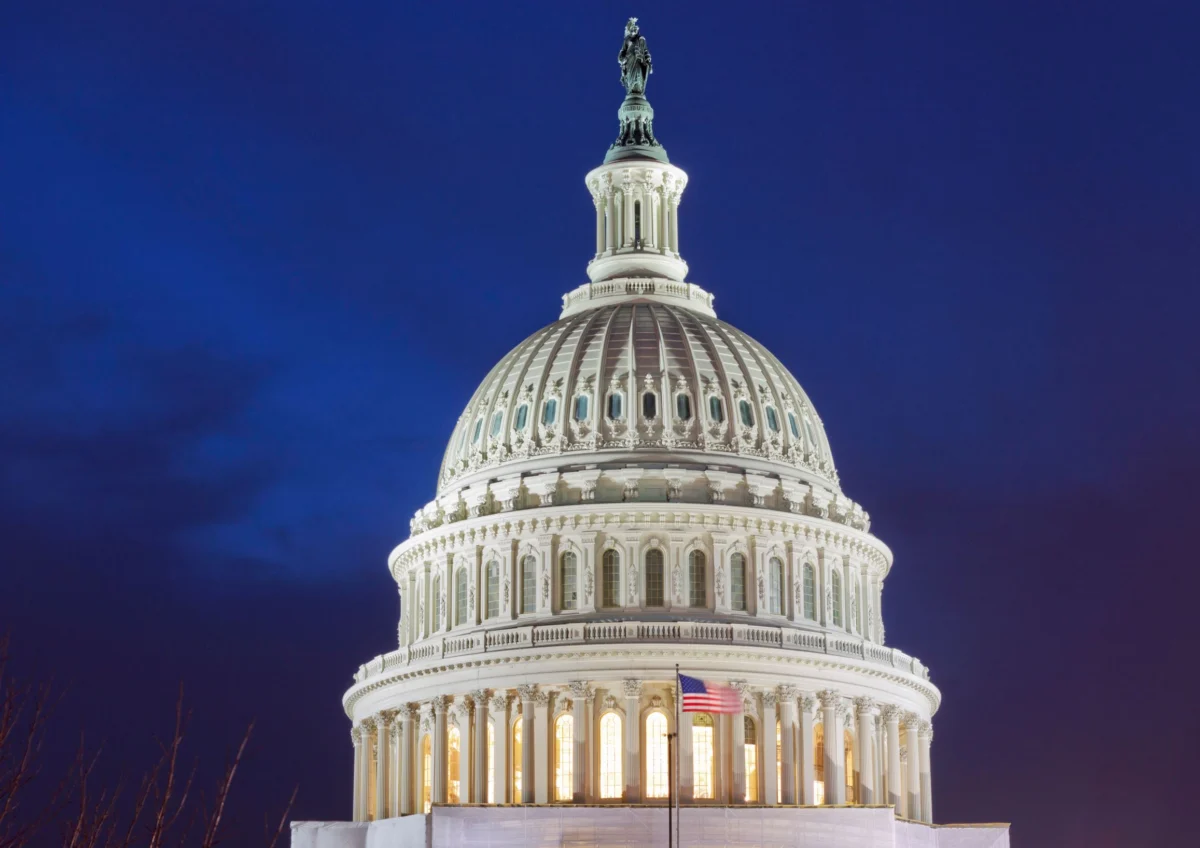
The political tectonic plates of Washington have shifted significantly following the recent US midterm elections, with early results confirming that the Democratic Party has successfully retaken control of both the US House of Representatives and the US Senate. This pivotal change in legislative power is poised to profoundly reorient the federal tax agenda for the upcoming 120th Congress, which convenes on January 3, 2027, setting the stage for intense debates over proposed tax cuts and increases that will define economic policy for the next two years. While the Democratic-controlled Congress will face the formidable challenge of legislating with a Republican president in the White House, their newfound majorities will nonetheless allow them to shape the national dialogue, prioritize specific policy proposals, and lay the groundwork for future legislative battles.
The immediate implication of this power shift is a direct recalibration of federal tax issues discussed in Washington. Democrats are signaling a clear intent to pursue an agenda focused on expanding social safety nets and addressing income inequality, largely through targeted tax credits and significant revenue increases on corporations and high-income individuals. However, the presence of a Republican president, likely President Trump, means that any ambitious legislative efforts will inevitably confront the reality of a presidential veto, limiting immediate legislative victories but amplifying the importance of messaging and policy development for the future. Political analysts suggest this period will be crucial for Democrats to articulate their vision for the nation’s fiscal future, even if direct legislative wins prove challenging.
The Democratic Agenda: Prioritizing Revenue Generation
A cornerstone of the Democratic tax agenda will be a concerted effort to raise substantial tax revenue, primarily from corporate entities and the wealthiest Americans. These proposals, while potentially stymied by presidential opposition, will serve as critical vehicles for public discussion and will outline the party’s long-term direction for the nation’s tax code.
One of the highest priorities for congressional Democrats will center on proposals to raise the corporate income tax rate. Currently standing at 21 percent, a rate established by the 2017 Tax Cuts and Jobs Act, Democrats are exploring options to increase it, potentially to levels seen prior to 2017 or a graduated system. Before the 2017 reforms, the top corporate rate was 35 percent, and proponents of an increase argue that a higher rate could generate significant federal revenue, foster greater tax equity, and align the U.S. more closely with global minimum tax efforts. Conversely, business advocacy groups, including the US Chamber of Commerce, are expected to vehemently oppose such increases, arguing that they would dampen U.S. competitiveness, discourage domestic investment, and ultimately lead to slower economic growth and fewer jobs. The debate will likely extend to whether the rate should be a flat increase or a graduated structure, where larger corporations pay a higher percentage, as well as potential accompanying changes to the corporate tax base.
Beyond domestic corporate rates, international tax rules for multinational corporations are also slated for review. Discussions may include altering the tax treatment of foreign earnings, calculating tax liability on a country-by-country basis to enhance transparency, and implementing stronger guardrails against profit shifting. Profit shifting, a practice where multinational companies reduce their tax burden by moving the location of their profits from high-tax countries to low-tax jurisdictions, has long been a target for reform among Democrats seeking to ensure companies pay their "fair share" domestically.
A more novel and potentially contentious area of focus will be the tax treatment of data center and artificial intelligence (AI) investments. In 2026, several proposals emerged from Congress aiming to modify existing incentives or introduce new taxes on this rapidly expanding sector. These proposals include disallowing bonus depreciation for data centers, either conditionally or entirely. Bonus depreciation allows businesses to immediately deduct a larger portion of certain investments in new equipment or technology in the first year, a provision intended to incentivize investment. Removing or limiting this for data centers could significantly increase the after-tax cost of these large infrastructure projects. Further, some lawmakers have even suggested enacting a new tax on "bits" – a concept that would directly tax digital data transfer or storage – or imposing a new excise tax on the substantial electricity consumption of data centers. The rationale behind these novel taxes is multifaceted, potentially driven by concerns over environmental impact, energy security, or simply as a new revenue stream from a booming industry. The tech industry, represented by powerful lobbying groups, would undoubtedly mobilize against such measures, arguing that they stifle innovation, hinder the development of critical AI infrastructure, and could place the U.S. at a competitive disadvantage globally.
Democrats in both chambers have also targeted high-income individuals with proposals for income surtaxes. Senator Chris Van Hollen (D-MD), for instance, has championed a proposed surtax of 12 percent on taxpayers earning over $1 million. Such a surtax would be levied on top of existing marginal income tax rates, significantly increasing the overall tax burden on the wealthiest individuals.
Capital gains taxes will similarly be a major area of focus. Current proposals aim to raise capital gains tax rates, potentially aligning them more closely with ordinary income tax rates, particularly for high earners. Another significant reform under consideration is the elimination of the "step-up in basis" at death for inherited assets. Under current law, when an inherited asset (like stocks or real estate) is passed on after death, its cost basis is "stepped up" to its fair market value at the time of inheritance, effectively eliminating capital gains tax on appreciation that occurred during the deceased owner’s lifetime. Ending this provision would mean heirs would owe capital gains tax on the full appreciation of the asset from its original purchase price, a move that could generate substantial revenue but would be strongly opposed by wealthy families and estate planners. More aggressive proposals include taxing unrealized capital gains annually for very-high-net-worth individuals, a complex and administratively challenging concept. Some Democrats have gone even further, advocating for a direct wealth tax, levying an annual tax on the total assets of billionaires, a proposal that faces significant legal and constitutional hurdles in addition to economic debate.
These various revenue-generating proposals will undoubtedly spark continued debate within the Democratic Party itself regarding the most effective and least disruptive ways to increase tax revenue. The core tension lies between adjusting existing levers within the established tax code versus enacting novel and untested tax ideas that carry considerable administrative, legal, and economic risks. Regardless of the chosen path, most proposed tax increases on capital and high earners would likely come with steep economic trade-offs, as they could discourage saving, investment, and entrepreneurial activity, potentially dampening long-term U.S. economic growth.
The Democratic Agenda: Targeted Tax Cuts and Credits
While focusing on revenue generation, Democrats also aim to implement significant tax cuts in the form of expanded tax credits, particularly in the areas of health care, child support, and housing. These initiatives are designed to provide financial relief and support to middle- and lower-income families.
At the top of the Democratic legislative list may be the restoration of expanded Premium Tax Credits (PTCs), which expired at the end of 2025. PTCs are crucial subsidies that help individuals and families afford health insurance purchased on the Affordable Care Act (ACA) exchanges. From 2021 through 2025, Democrats enacted temporary but substantial expansions of these subsidies, significantly lowering monthly premiums for millions of Americans. House Democratic Leader Hakeem Jeffries (D-NY), widely expected to become the next Speaker of the House, has publicly declared restoring more generous PTCs as a top priority. While navigating Republican opposition will be challenging, the looming debt limit debate in 2027 could provide an opportunity for Democrats to leverage their position. The Congressional Budget Office (CBO) previously estimated that extending the PTC expansion would cost approximately $350 billion over a decade, highlighting the significant fiscal commitment involved.
Additionally, Leader Jeffries and other prominent Democrats are prioritizing expansions of the Child Tax Credit (CTC) and the Earned Income Tax Credit (EITC). Democrats successfully enacted one-year expansions of these credits in 2021 as part of the American Rescue Plan, which temporarily boosted the CTC from $2,200 per child to $3,000 (or $3,600 for children under six) and made it fully refundable, meaning even families with no income tax liability could receive the full benefit. The 2021 expansion also allowed for monthly payments, a significant change from the annual lump sum. The EITC expansion in 2021 focused on increasing the credit for childless adult workers, recognizing the often-overlooked financial struggles of this demographic. While attempts to extend these expansions in 2022 failed, Democrats are determined to revive them. Restoring the 2021 CTC parameters could increase the per-child credit to $3,000 or more and could cost over $500 billion over the next decade. Similarly, a renewed expansion of the childless EITC could cost between $60 billion and $120 billion over the next decade, depending on its specific design. Child advocacy groups and anti-poverty organizations are strong proponents of these expansions, citing their proven effectiveness in reducing child poverty and providing vital economic support to working families.
Housing tax policy is another area ripe for Democratic action in 2027. This includes potential expansions to the Low-Income Housing Tax Credit (LIHTC), a bipartisan program that incentivizes the construction and rehabilitation of affordable rental housing. Republicans themselves expanded the LIHTC in the 2025 One Big Beautiful Bill Act (OBBBA), indicating a rare area of potential common ground. It remains to be seen what additional changes Democrats would seek, but the program’s effectiveness in addressing housing shortages makes it a likely target for enhancements. The estimated cost of repealing the LIHTC and the new markets tax credit, for example, would raise $202.7 billion over 10 years, underscoring the significant investment the current program represents. Furthermore, some Democrats have supported legislation to extend full expensing to multifamily residential housing construction. This provision would allow developers to immediately deduct the full cost of building new apartment complexes, thereby lowering the after-tax cost of construction and incentivizing increased housing supply, a critical need in many parts of the country grappling with housing affordability crises.
The 2028 Fiscal Crossroads: Debt, Social Security, and Expiring Tax Cuts
The 120th Congress will not only grapple with new legislative proposals but also confront critical fiscal deadlines and daunting long-term budgetary challenges. These include an escalating national debt, the looming insolvency of the Social Security trust fund, and the expiration of significant tax cuts enacted in 2025.
The broader U.S. budgetary outlook presents a formidable backdrop for any tax policy discussions. Federal debt has surpassed $32 trillion and recently exceeded 100 percent of the nation’s gross domestic product (GDP), a level not seen since World War II. The Congressional Budget Office (CBO) consistently projects large budget deficits indefinitely into the future, with the government spending $2 trillion more than it took in during the most recent fiscal year. This unsustainable fiscal trajectory is compounded by rising government borrowing costs, with the benchmark 10-year Treasury yield recently hovering around five percent. This increase in federal borrowing costs has a direct ripple effect on consumer borrowing, pushing up rates on everything from mortgages to auto loans. Lawmakers will undoubtedly face increasing pressure from households, businesses, and investors to address this widening gap between spending and revenue in the years ahead.
A much larger and more immediate issue looms with the projected depletion of the Social Security trust fund. The Social Security Trustees currently project that the trust fund will be fully depleted in 2032. Absent congressional action, Social Security would no longer be able to pay out benefits in full, potentially leading to a significant reduction in payments to retirees and other beneficiaries (estimated to be around 80% of promised benefits). The U.S. senators elected in the recent midterms will face this issue head-on during their current six-year term. Addressing Social Security’s long-term solvency will require a delicate and politically challenging blend of benefit reductions and additional revenue. The Tax Foundation, in its publication Options for Reforming America’s Tax Code 3.0, has outlined various ways lawmakers could bring additional revenue into the trust fund, emphasizing that any bipartisan and enduring package for Social Security reform will necessitate compromise from both sides of the aisle. Retiree advocacy groups are expected to be highly vocal, pressing lawmakers for solutions that protect benefits for current and future generations.
Adding another layer of complexity, members of the 120th Congress and President Trump will face at least one critical tax deadline: the expiration of several tax cuts enacted in the 2025 One Big Beautiful Bill Act (OBBBA) on December 31, 2028. These expiring provisions include deductions for tips, overtime pay, auto loan interest, and an enhanced deduction for seniors. Furthermore, a key provision allowing manufacturers to immediately deduct the full cost of new factory buildings will also expire. The combined cost of extending these tips, overtime, auto loan interest, and enhanced senior deductions beyond 2028 is estimated at $577.3 billion over 10 years. It remains unclear how Democrats will approach these expiring provisions. While some Democratic lawmakers have historically supported extending and expanding deductions like those for tips and overtime, the significant revenue cost of extending a package of Republican-led tax cuts will present a difficult political and fiscal dilemma.
The Enduring Debate on Tariffs
The issue of tariffs, a hallmark of the Trump administration’s trade policy, will also remain a point of contention and potential legislative action. President Trump unilaterally imposed hundreds of billions of dollars in tariffs on a wide array of goods, affecting both economic adversaries and allies. While many Democratic policymakers have consistently opposed the administration’s tariff imposition, often criticizing the unilateral approach and the resulting economic disruptions, the issue does not split neatly along traditional party lines.
Indeed, while Democrats largely disapprove of the rapid, chaotic changes and the broad application of tariffs on allies, some within the party support targeted tariffs on specific goods, such as aluminum and steel, to protect domestic industries and jobs. This nuanced stance complicates any congressional effort to roll back existing tariffs. Even if Democrats can muster the votes to pass legislation aimed at repealing some or all of Trump’s tariffs, it is highly unlikely that Congress could assemble a veto-proof majority on the issue in the next two years, given the Republican president’s known affinity for tariffs as a trade tool. Agricultural exporters and import-dependent industries would likely advocate for tariff rollbacks, citing increased costs and reduced market access, while certain labor unions might continue to support protectionist measures for specific sectors.
Broader Implications and Outlook
The shifting balance of power in Washington promises a busy and contentious session for the 120th Congress starting in January 2027. Even if the divided government leads to legislative gridlock and few bills ultimately pass, the proposals and debates initiated by each party on tax and trade policy will offer critical signals for an even more consequential few years ahead. The interplay between a Democratic-controlled Congress and a Republican White House will necessitate strategic maneuvering, emphasizing political messaging and the framing of policy choices for the public.
From the lead-up to the 2028 presidential election, which will undoubtedly influence every legislative decision, to the expiration of the OBBBA tax cuts on December 31, 2028, and the persistent budgetary issues plaguing Washington, federal tax policy is poised to once again take center stage. Democrats enter this new Congress with a clear agenda of both tax cuts and tax increases they aim to enact, driven by goals of enhancing social welfare, promoting economic equity, and generating revenue. However, they must meticulously balance these ambitious priorities against the reality of a presidential veto, the increasingly urgent national debt and deficit situation, and the impending crisis of Social Security. The decisions made – or postponed – in this Congress will have profound and lasting implications for the nation’s economy, investment climate, and social fabric for years to come.








