

 Candice Horbacz
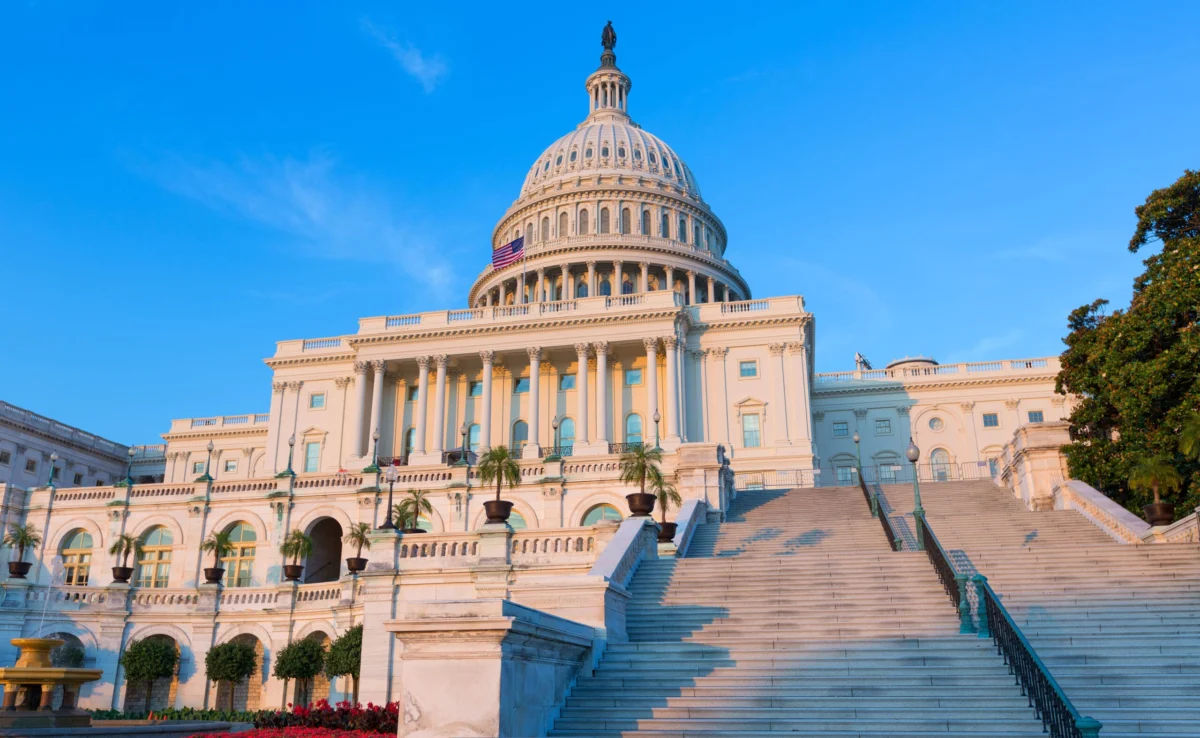
The results of the recent midterm elections have solidified a political landscape where Washington is poised for another era of divided government. With Democrats securing control of both chambers of Congress and a Republican continuing to occupy the White House, the legislative agenda for 2027 and 2028 will be shaped by an intricate dance of partisan disagreement and potential bipartisan compromise. While the ideological chasms between the two major parties are significant across areas such as taxation, trade regulations, and overall fiscal policy, there exist specific intersections where common ground might be found, leading to meaningful policy shifts.
The Landscape of Divided Government: Historical Context and Political Dynamics
Divided government is a recurring feature of the American political system, often emerging when voters express a desire for checks and balances against a single party holding excessive power. Historically, such periods have yielded both legislative gridlock and landmark compromises. For instance, the late 20th century saw periods of Republican presidents working with Democratic Congresses, sometimes leading to significant budget agreements or welfare reforms. The current configuration – a Republican executive paired with a Democratic legislature – presents a distinct set of challenges and opportunities. The White House will likely focus on executive actions and veto power to shape policy, while Congress will aim to pass legislation reflecting its priorities, potentially forcing negotiations. The inherent tension lies in the need for both branches to secure legislative victories while navigating their differing mandates and constituent demands. This political dynamic necessitates a search for areas of mutual benefit, where both parties can claim a win for their constituents and the broader economy.
A Chronology of Policy Development: From Midterms to the New Congress
The journey towards the policy debates of 2027 and 2028 begins with the hypothetical midterm election results, which, by determining the balance of power in Congress, serve as the immediate catalyst for this divided government scenario.
- Midterm Elections (Late 2026): The outcome of these elections, granting Democrats control of both the House and Senate, directly sets the stage. Voters’ choices reflect a complex interplay of national sentiment, local issues, and a desire for governmental accountability, culminating in the divided authority.
- Lame-Duck Session (November-December 2026): Following the midterms, the outgoing Congress often convenes for a "lame-duck" session. This period can be crucial for passing legislation that might otherwise face tougher opposition in the new Congress. Potential bills, some of which may have been worked on in a bipartisan fashion over the preceding two years, could be pushed through. These might include appropriations bills, minor tax technical corrections, or even laying groundwork for future larger reforms. Lawmakers might prioritize measures with broad support, knowing that the window for easier passage is closing.
- New Congress Convenes (January 3, 2027): The official start of the 119th Congress marks the formal beginning of the new legislative era. New committee assignments, leadership elections, and the initial unveiling of legislative priorities will define this period. The White House will present its budget proposals, and Congress will begin its legislative work, setting the agenda for the next two years.
Areas for Potential Bipartisan Agreement: Enhancing Economic Efficiency and Taxpayer Services
Despite the significant policy divides, several areas represent meaningful opportunities for bipartisan cooperation, particularly those that align with principles of sound tax policy: simplicity, neutrality, transparency, and stability.
1. Enhancing Full Expensing for Multifamily Housing Construction:
Full expensing is a tax provision that allows businesses to immediately deduct the full cost of certain investments in new or improved technology, equipment, or buildings, rather than depreciating them over several years. This policy alleviates a bias in the tax code against capital investment, thereby incentivizing companies to invest more. In the long run, such investments are crucial for raising worker productivity, boosting wages, and creating jobs.
Applying full expensing specifically to multifamily housing construction presents a compelling case for bipartisan support. The United States faces a persistent housing affordability crisis, with a significant deficit in housing units across many metropolitan areas. Data from organizations like the National Association of Home Builders (NAHB) consistently highlight shortages in new construction. By allowing immediate deduction of construction costs for multifamily units, developers are incentivized to undertake more projects, which could:
- Increase Housing Supply: Accelerate the construction of apartments and other rental units, directly addressing supply shortages.
- Lower Housing Costs: An increase in supply, over time, can help moderate rental prices and housing costs, benefiting a wide range of income earners.
- Stimulate Economic Activity: Boost the construction sector, creating jobs not just in building but also in related industries like manufacturing and services.
- Attract Investment: Make real estate development more attractive to investors by improving cash flow and reducing the tax burden on new projects.
From a Republican perspective, this aligns with market-based solutions and incentives for private sector growth. For Democrats, addressing housing affordability and stimulating job creation are key priorities. The potential for a tangible, positive impact on a critical economic and social issue makes this a strong candidate for bipartisan legislative action.
2. Improving Taxpayer Services at the IRS:
The Internal Revenue Service (IRS) has historically faced challenges stemming from chronic underfunding, technological obsolescence, and staffing shortages, leading to significant backlogs in processing returns, long wait times for taxpayer assistance, and difficulties in implementing new tax legislation. The Taxpayer Advocate Service’s annual reports consistently detail these deficiencies, noting millions of unanswered calls and delayed refunds.
Both parties have an interest in a functional and efficient IRS, albeit for different reasons. Republicans often advocate for streamlining government operations and reducing bureaucracy, which a modernized IRS could embody. Democrats often champion adequate funding for public services and ensuring fair tax collection. Bipartisan efforts could focus on:
- Technological Modernization: Investing in updated IT systems to improve processing efficiency, enhance cybersecurity, and facilitate digital interactions with taxpayers.
- Staffing Increases and Training: Hiring more customer service representatives and agents to address backlogs and provide timely assistance, particularly during tax season.
- Enhanced Online Tools: Developing more intuitive and comprehensive online resources for taxpayers to manage their accounts, track refunds, and access information.
The implications of an improved IRS are far-reaching:
- Reduced Taxpayer Burden: Faster processing, quicker refunds, and easier access to help alleviate stress and costs for individuals and businesses.
- Improved Compliance: A more efficient IRS can better enforce tax laws, ensuring that all taxpayers pay what they owe, thereby reducing the tax gap (the difference between taxes owed and taxes paid).
- Operational Efficiency: Modernization can lead to long-term cost savings for the agency and more effective utilization of resources.
Statements from various congressional members, while differing on the level of funding, often acknowledge the need for IRS improvement, making this a pragmatic area for agreement.
3. Reforming Trade Policy and Rolling Back Economically Harmful Tariffs:
The Trump administration implemented a series of tariffs on various imported goods, particularly from China, citing national security and unfair trade practices. While intended to protect domestic industries and jobs, these tariffs have been widely criticized by economists across the political spectrum for increasing costs for American consumers and businesses, distorting global trade, and inviting retaliatory tariffs from other countries. Organizations like the American Action Forum and the Peterson Institute for International Economics have published extensive analyses detailing the billions of dollars in costs imposed by these tariffs on US importers and consumers.
Rolling back some of these economically harmful tariffs presents a significant bipartisan opportunity:
- Lower Consumer Prices: Tariffs are effectively taxes on imports, which are often passed on to consumers. Reducing or eliminating them could lead to lower prices for a wide array of goods.
- Reduced Input Costs for Businesses: Many American manufacturers rely on imported components. Tariff relief would lower their production costs, potentially increasing competitiveness and profitability.
- Improved Supply Chain Stability: Tariffs can disrupt global supply chains. Their removal could lead to more predictable and efficient trade flows.
- Reclaiming Congressional Authority: A crucial aspect of this reform could be Congress reasserting its legislative authority over trade and tariff policy, which many argue has been unduly ceded to the executive branch. The U.S. Constitution grants Congress the power to regulate commerce with foreign nations and lay duties, imposts, and excises. Reclaiming this authority would restore a critical check and balance on executive power.
While some Republicans might be hesitant to reverse policies associated with a former Republican president, many within the party advocate for free-market principles that oppose tariffs. Democrats, while sometimes supporting targeted trade protections, also often express concerns about consumer costs and global economic stability. The economic data illustrating the costs of tariffs could provide a strong impetus for bipartisan action.
Challenges and Potentially Harmful Bipartisan Efforts: Eroding the Tax Base and Distorting Markets
Unfortunately, not all bipartisan efforts result in sound tax reform. The pursuit of political compromise can sometimes lead to policies that complicate the tax code, reduce essential revenue, or create targeted carveouts that distort economic activity at the expense of overall efficiency and fairness.
1. The "No Tax On" Trend and Narrowing the Income Tax Base:
In recent years, both parties have shown a propensity to support a "no tax on" trend, advocating for exemptions or special treatment for specific activities, industries, or types of income. While politically popular, this trend has several detrimental effects:
- Complicating the Tax Code: Each new exemption adds layers of complexity, making the tax code harder to understand, comply with, and administer.
- Narrowing the Tax Base: By excluding certain income or activities from taxation, the "tax base" – the total amount of income or economic activity subject to taxation – shrinks. A narrow tax base means that to raise the same amount of revenue, higher tax rates must be imposed on the remaining, taxable activities. This disproportionately burdens those who do not qualify for exemptions.
- Non-Neutrality and Inefficiency: Such carveouts distort economic decision-making, incentivizing investment and activity in favored sectors over others that might be more productive or efficient in a neutral tax environment. This leads to misallocation of capital and reduced overall economic efficiency.
Lawmakers are already considering new or revived carveouts for specific sectors. For example, the film and television industry often lobbies for tax credits and incentives, arguing they stimulate local economies and create jobs. Similarly, clean energy companies frequently seek tax breaks to encourage renewable energy development and adoption. While the goals behind these incentives may be laudable, their implementation through the tax code can create unintended consequences. For instance, a 2018 Treasury Department report estimated that various tax expenditures related to energy alone amounted to tens of billions of dollars annually, highlighting the significant impact of such carveouts.
2. Targeted Tax Carveouts and Credits:
Beyond the "no tax on" trend, the impulse to create specific tax breaks for particular sectors or activities is strong in a divided government. These carveouts, often championed by well-organized lobbying efforts, can take the form of specialized deductions, credits, or accelerated depreciation schedules for specific industries or types of investments.
- Film and Television Industry Credits: States and the federal government have long offered tax credits to film and television productions, aiming to attract them to specific locations. While proponents cite job creation and local economic boosts, critics argue that these credits often result in a net loss for taxpayers, as the economic benefits rarely outweigh the cost of the incentives.
- Clean Energy Company Incentives: The push for clean energy is strong, and tax credits for renewable energy production, energy efficiency improvements, or electric vehicle purchases are often proposed. While addressing climate change is a critical goal, the design of these incentives matters. Overly generous or poorly targeted credits can lead to inefficient investments, market distortions, and excessive costs to the Treasury without achieving optimal environmental outcomes.
- Other Sector-Specific Benefits: Historically, various industries, from manufacturing to agriculture, have sought and sometimes received specific tax advantages. These can range from deductions for certain types of equipment to preferential tax rates for specific agricultural products.
The primary criticisms of targeted carveouts include:
- Increased Complexity: Each new carveout adds provisions to an already intricate tax code, increasing compliance costs for businesses and the IRS.
- Revenue Loss: These breaks reduce the overall tax revenue collected, potentially necessitating higher taxes elsewhere or contributing to increased national debt.
- Economic Distortions: By favoring specific industries or activities, these policies interfere with the natural allocation of capital and labor, potentially hindering overall economic growth by diverting resources from more productive uses.
- Lack of Transparency: The true cost and effectiveness of many carveouts are often difficult to assess, making it challenging for the public and policymakers to evaluate their merit.
Broader Economic and Fiscal Implications
The policy choices made in 2027-2028 under a divided government will have significant ramifications for the nation’s economic health and fiscal stability.
- Budgetary Pressures: The United States faces substantial long-term fiscal challenges, including a growing national debt and increasing entitlement spending as the population ages. The decisions on tax policy—whether they broaden the tax base or narrow it further, whether they prioritize revenue generation or targeted incentives—will directly impact the federal budget deficit. Thoughtful tax reform could contribute to fiscal sustainability, while poorly designed policies could exacerbate existing pressures.
- Economic Stability and Growth: A stable and predictable tax environment is crucial for business investment and long-term economic growth. Uncertainty surrounding tax policy can deter investment, while a clear, neutral, and simple tax code encourages productive economic activity. Policies that foster capital investment, such as full expensing, generally promote growth, whereas targeted carveouts can create market inefficiencies that hinder it.
- Global Competitiveness: The global economic landscape is highly competitive. The tax and trade policies adopted by the US will influence its attractiveness as a place to invest and do business. A tax system that is competitive internationally, combined with trade policies that facilitate rather than impede commerce, can enhance the nation’s standing in the global economy. Conversely, a complex, high-tax, or protectionist regime could deter foreign investment and harm domestic firms competing internationally.
Conclusion: The Imperative of Principled Policymaking
The new Congress, operating under the constraints and opportunities of a divided government, faces critical decisions on tax, trade, and fiscal policy over the next two years. Bipartisan cooperation will undoubtedly be the linchpin for any significant legislative achievements. However, as the preceding analysis demonstrates, not all bipartisan tax policy is created equal.
Lawmakers must remain steadfast in prioritizing the foundational principles for sound tax reform: simplicity, neutrality, transparency, and stability. Policies that broaden the tax base, reduce complexity, minimize distortions, and offer predictable rules are more likely to foster long-term economic prosperity for all Americans. Conversely, a proliferation of targeted carveouts and special interest provisions, even if supported by both parties, risks further eroding the tax base, complicating an already intricate system, and ultimately undermining the nation’s economic potential. The challenge for 2027 and 2028 will be to navigate the political imperatives of compromise while upholding these essential principles for a resilient and equitable tax system.
About the Author
Alex Durante is a Senior Economist at the Tax Foundation, working on federal tax policy and model development. Alex worked as a research assistant at the Federal Reserve Board and served as a staff economist on the Council of Economic Advisers.








