Lina Irawan
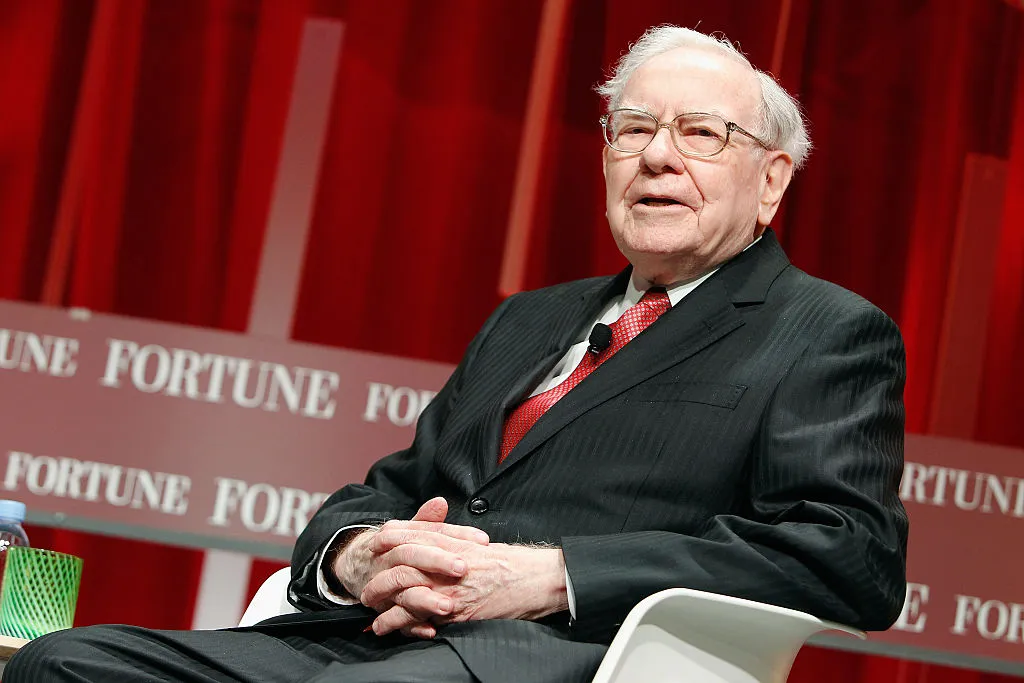
Warren Buffett, the iconic CEO of Berkshire Hathaway, has etched his name into the annals of finance through an unparalleled track record of outperforming the S&P 500 for decades. His investment philosophy, often described as simple yet profoundly effective, deliberately eschews the allure of speculative "flashy stocks" in favor of a meticulous assessment of fundamental value. This steadfast approach has consistently identified undervalued companies, enabling Berkshire Hathaway to deliver extraordinary long-term growth. While some investors might perceive his chosen strategies as conventional or even "boring" in an era of rapid market shifts and fleeting trends, it is precisely this disciplined, long-term perspective that has proven to be the most reliable generator of wealth. For individual investors seeking to cultivate their own financial prosperity, Buffett’s core investment tenets offer an invaluable blueprint.
The Oracle of Omaha: A Legacy of Value Investing
Warren Buffett’s journey to becoming one of the world’s most successful investors is deeply rooted in the principles of value investing, a methodology he learned from his mentor, Benjamin Graham, author of "The Intelligent Investor." Graham taught Buffett to view stocks not merely as ticker symbols fluctuating on a screen, but as fractional ownership in real businesses. This fundamental perspective became the bedrock of Buffett’s investment strategy.
Berkshire Hathaway, originally a struggling textile manufacturer, was transformed under Buffett’s leadership starting in the mid-1960s. Instead of trying to revive the dying textile operations, Buffett shrewdly began allocating its capital to other, more promising ventures. This strategic pivot marked the beginning of Berkshire’s evolution into the sprawling, diversified conglomerate it is today, encompassing interests in insurance (Geico), energy (Berkshire Hathaway Energy), consumer goods (Coca-Cola, See’s Candies), and significant stakes in technology (Apple) and financial services (American Express).
Over a span of more than 50 years, from 1965 to 2022, Berkshire Hathaway’s Class A shares delivered an astounding average annual return of 19.8% compared to the S&P 500’s average annual return of 9.9% (including dividends). This consistent outperformance, achieved through numerous market cycles, recessions, and technological revolutions, underscores the enduring power of Buffett’s core philosophy. His approach is characterized by patience, a deep understanding of business fundamentals, and an unwavering commitment to a few core principles.
1. Cultivating Companies with Enduring Economic Moats
One of the most vivid and frequently cited concepts in Buffett’s investment lexicon is the "economic moat." Drawing an analogy from medieval castles, Buffett explains that a strong business, much like a well-fortified castle, requires a deep, wide moat to protect it from competitors. This moat represents a company’s sustainable competitive advantages that make it difficult for rivals to encroach on its market share and profitability. A larger, more formidable moat ensures the company’s long-term viability and growth potential.
Buffett’s application of this concept is evident across Berkshire Hathaway’s portfolio. For example, Apple, Berkshire Hathaway’s largest equity holding, exemplifies a business with a powerful economic moat. Its moat is multi-faceted, built on:
- Brand Strength and Loyalty: Apple’s brand is synonymous with innovation, quality, and luxury, fostering an intensely loyal customer base willing to pay a premium for its products. This brand equity creates significant pricing power.
- Ecosystem Lock-in: The seamless integration of Apple’s hardware (iPhone, iPad, Mac) with its software (iOS, macOS) and services (App Store, iCloud, Apple Music) creates a sticky ecosystem. Once users are invested in this ecosystem, switching costs to a competitor become high.
- Design and Innovation: Apple consistently pushes boundaries in product design and technological innovation, allowing it to maintain a leading edge and differentiate itself from competitors in the crowded smartphone, computer, and wearables markets.
Other examples from Berkshire’s portfolio further illustrate various types of moats:
- Cost Advantages: Companies like Geico benefit from a low-cost operating structure that allows them to offer competitive prices while maintaining healthy profit margins. Certain industrial companies also achieve this through economies of scale or proprietary processes.
- Network Effects: Businesses like Visa and Mastercard thrive because the value of their service increases as more people use it. The more merchants accept their cards, the more attractive they become to consumers, and vice versa, creating a virtuous cycle.
- Intangible Assets: Patents, trademarks, and regulatory approvals can also form significant moats. Pharmaceutical companies, for instance, rely heavily on patents to protect their blockbuster drugs from generic competition for a period.
- High Switching Costs: Beyond Apple’s ecosystem, some software providers or industrial suppliers create high switching costs for their clients, making it prohibitively expensive or disruptive for customers to move to a competitor.
For investors, identifying companies with strong moats requires diligent research into a company’s industry position, its unique value proposition, and the sustainability of its competitive advantages. It means looking beyond current trends to assess a company’s ability to defend its market share and profitability over the long haul.
2. Prioritizing Predictable and Robust Cash Flow
In an investment landscape often captivated by companies with soaring revenue growth but persistent net losses, Buffett’s unwavering focus on predictable cash flow stands in stark contrast. He is not interested in speculative ventures that promise future profitability at the expense of current financial stability. Instead, he seeks to invest in mature, well-established businesses that consistently generate substantial free cash flow. This focus on immediate, tangible profitability and cash generation is a cornerstone of his value investing philosophy.
Predictable cash flow is paramount because it provides a company with the financial flexibility to fund its operations, invest in future growth, and reward shareholders. Companies with strong and growing free cash flow can:
- Fund Dividends: A consistent stream of cash allows a company to pay and, crucially, increase dividends over time. This makes the stock attractive to income-focused investors and signals financial health. Coca-Cola, a long-standing Berkshire holding, is renowned for its consistent dividend payouts, often referred to as a "dividend aristocrat."
- Execute Share Buybacks: When a company believes its stock is undervalued, it can use excess cash to repurchase its own shares. This reduces the number of outstanding shares, thereby increasing earnings per share (EPS) and often boosting the stock price, benefiting existing shareholders. Berkshire Hathaway itself has engaged in significant share buybacks when its stock traded below its intrinsic value.
- Reinvest in Growth Opportunities: Companies with robust cash flow have the capital to invest in research and development, expand operations, acquire complementary businesses, or modernize infrastructure without relying heavily on debt or diluting existing shareholders through new equity issuance. This self-funded growth is often more sustainable and less risky.
- Build Financial Resilience: A healthy cash flow acts as a buffer during economic downturns, allowing the company to navigate challenging periods without severe financial distress, layoffs, or cuts to essential investments.
For investors aiming to emulate Buffett, analyzing a company’s cash flow statement is critical. Look for consistent, upward trends in operating cash flow and free cash flow over several years. A rising free cash flow indicates that the company is generating more capital than it needs for operations and capital expenditures, providing flexibility for strategic initiatives and shareholder returns. Furthermore, examining the quality of earnings and ensuring that cash flow aligns with reported profits can help avoid companies that manipulate accounting figures. Buffett often emphasizes that "cash flow is what counts."
3. The Most Potent Investment: Yourself
Beyond the meticulous analysis of financial statements and competitive advantages, one of Buffett’s most profound pieces of advice transcends traditional stock picking: the importance of investing in oneself. He argues that while well-chosen equities can undoubtedly accelerate one’s path to long-term financial goals, the greatest return on investment comes from enhancing one’s personal capital.
Investing in yourself encompasses several critical dimensions:
- Education and Lifelong Learning: Continuously acquiring knowledge and skills is paramount. This includes formal education, but also self-directed learning through books, courses, and practical experience. For investors, this translates into deepening their understanding of finance, economics, and specific industries, enabling them to make more informed investment decisions aligned with their financial goals, risk tolerance, and time horizons. As Buffett famously stated, "The more you learn, the more you earn."
- Skill Development: Focusing on developing valuable, in-demand skills directly impacts one’s career trajectory and earning potential. Whether it’s mastering a new software, honing communication skills, or cultivating leadership abilities, these investments directly contribute to increased income, which is a foundational element for building wealth. A higher income stream provides more capital available for saving and investing.
- Networking and Relationships: Building a strong professional network and fostering meaningful relationships can open doors to new opportunities, provide valuable mentorship, and offer diverse perspectives. These connections can be invaluable for career advancement and personal growth.
- Health and Well-being: Often overlooked, investing in one’s physical and mental health is crucial for sustained productivity, sharp decision-making, and overall quality of life. A healthy individual is better positioned to pursue career opportunities, manage stress, and make sound financial choices over a long period.
Buffett’s emphasis on self-investment underscores a holistic view of wealth creation. Financial freedom is not solely about market returns; it’s also about maximizing one’s human capital. By consistently improving oneself, individuals enhance their capacity to earn, save, and invest effectively, creating a powerful compounding effect on both personal and financial growth.
Beyond the Principles: Discipline, Patience, and Long-Term Vision
While the three principles—moats, cash flow, and self-investment—form the pillars of Buffett’s strategy, his overarching success is inextricably linked to several pervasive qualities:
- Long-Term Horizon: Buffett is a staunch advocate of holding investments for the long haul. He famously quipped, "Our favorite holding period is forever." This patient approach allows the power of compounding to work its magic and enables companies to grow and realize their full potential, often riding out short-term market fluctuations.
- Circle of Competence: Buffett advises investors to operate within their "circle of competence," meaning to invest only in businesses and industries they genuinely understand. This prevents making ill-informed decisions based on speculation or fleeting trends in unfamiliar territories.
- Emotional Discipline: Perhaps one of the most challenging aspects of investing, Buffett consistently demonstrates remarkable emotional discipline. He avoids panic selling during market downturns and resists the urge to chase fads during euphoric bull markets. His famous adage, "Be fearful when others are greedy, and greedy when others are fearful," encapsulates this counter-cyclical mindset.
- Simplicity and Clarity: Despite the complexity of global finance, Buffett’s investment decisions are often rooted in simple, understandable business models. He avoids overly complex financial instruments or opaque companies, preferring clarity and transparency.
In an era dominated by algorithmic trading, meme stocks, and the relentless pursuit of short-term gains, Buffett’s disciplined, fundamental-driven approach serves as a powerful reminder of the enduring virtues of patience, thorough analysis, and a long-term perspective. Financial analysts frequently highlight that Buffett’s unparalleled success isn’t just in what he picks, but how long he holds it, underscoring the profound impact of compounding over decades.
For individual investors, regardless of their current portfolio size or financial expertise, embracing these timeless principles offers a robust and proven pathway to sustainable wealth creation. By focusing on businesses with defensible competitive advantages, prioritizing predictable cash flow, and making the ultimate investment in personal development, investors can build a resilient foundation for achieving their financial goals. These tenets, honed over more than half a century by the "Oracle of Omaha," remain as relevant and powerful today as ever.