Candice Horbacz
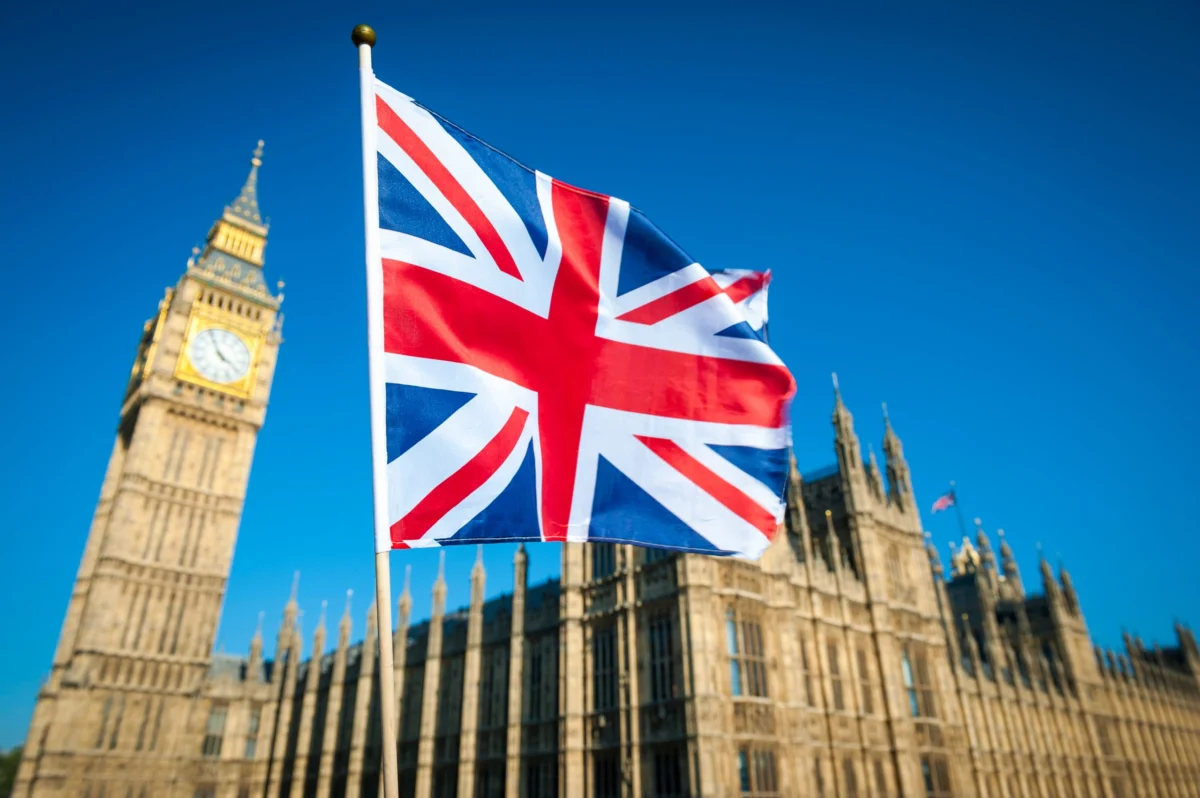
On 28 October 2026, the British Chancellor John Healey announced the Labour government’s Autumn Budget, a fiscal statement that, while containing numerous technical and incremental adjustments, signaled a discernible shift in economic policy. At its core, the budget revealed a strategy leaning heavily towards immediate revenue generation, notably through increased taxation on key sectors, coupled with a reduction in capital allowances. This approach raises questions about its potential impact on long-term investment and the nation’s economic growth trajectory, sparking debate among economists and business leaders alike. The Chancellor framed the budget as a necessary step to stabilize public finances and provide targeted support to households amidst ongoing cost-of-living pressures, a narrative that underpins many of the temporary relief measures announced.
Key Fiscal Measures: A Deeper Dive
The Autumn Budget 2026 is a complex tapestry of adjustments, with several prominent threads emerging that directly impact businesses, households, and local authorities across the United Kingdom. While the government aims to project an image of measured fiscal responsibility, many of the announced changes have significant implications for the cost of capital and the broader investment climate.
Business Taxation and Investment Incentives Under Scrutiny
Perhaps the most economically impactful proposals within the budget pertain to business taxation and the incentives for capital investment. These changes are widely expected to influence corporate decision-making and the UK’s competitiveness.
-
Capital Allowances: A Shift in Investment Landscape
The budget introduces a notable reshaping of capital allowances, a critical mechanism for encouraging business investment. The main writing-down allowance (WDA) is set to decrease from 14 percent to 12 percent. This reduction, however, is partially offset by an increase in the first-year allowance (FYA) from 40 percent to 50 percent. This marks a continuation of a trend observed in last year’s budget, which had already seen the WDA main rate cut from 18 percent to 14 percent. The cumulative effect of these changes is a reduction in the real value of deductions for assets in the main rate pool, falling from 75.9 percent to 70 percent, and now further to 62.2 percent for assets without the benefit of the first-year allowance. This category includes commonly acquired assets such as second-hand equipment, assets leased overseas, and main pool cars, suggesting a broad impact on various business operations.For leased assets within the main rate pool that do qualify for the first-year allowance, the real value of deductions will see a marginal increase from 79.1 percent to 80.8 percent of investment costs. However, the Treasury’s own projections indicate that the overall effect is dominated by the more significant decline in deductions for assets not receiving the FYA. This shift is projected to generate an annual average of £871 million in revenue until the fiscal year 2031-32, a clear indication of the government’s focus on short-term fiscal consolidation.
Economists at institutions like the Tax Foundation have consistently highlighted that improving capital allowances is among the most effective tax policy tools for stimulating capital investment. By allowing businesses to pull deductions forward in time, it directly reduces the upfront cost of new capital, thereby encouraging expansion and modernization without necessarily sacrificing long-term tax revenue from returns on past investments. The current budget’s direction, by reducing these allowances, is therefore seen by many as a trade-off: immediate revenue retention in exchange for a potential slowdown in capital investment and economic growth over the medium to long term. This strategy contrasts with recommendations for strengthening capital allowances to foster sustainable economic growth, suggesting a prioritization of short-term fiscal gain over broader economic expansion.
-
Banking Sector Faces Increased Tax Burden
Another significant measure targets the banking sector, introducing a temporary increase in the bank surcharge. This surcharge, previously set at 3 percent, will rise to 6 percent, pushing the combined corporation tax and bank surcharge rate for financial institutions from 28 percent to 31 percent. This elevated rate will be in effect for a fifteen-month period, from January 2027 to March 2028.While this temporary hike is anticipated to generate approximately £1 billion in additional revenue, it is not without its critics. The banking sector already shoulders a substantial tax burden, contributing over £12.3 billion annually through corporation tax, the existing bank surcharge, and the bank levy. Industry bodies, such as UK Finance, are expected to voice concerns that this further increase could diminish the sector’s capacity to support crucial lending activities, which are vital for broader investment and economic growth. Furthermore, there are worries that it could undermine the UK’s attractiveness and competitiveness as a leading global financial center, potentially steering economic activity and investment towards jurisdictions with more favorable tax regimes.
The ideal scenario, as often argued by free-market advocates, posits that the financial sector should face the same corporation tax rate as other economic sectors. This, they contend, would allow Britain to leverage its comparative advantages in finance without imposing disproportionate burdens that could inadvertently push valuable economic activity elsewhere. The temporary nature of the surcharge offers a glimmer of hope for a return to a more level playing field, but the immediate impact could be felt by institutions grappling with post-pandemic recovery and ongoing global economic uncertainties.
-
Local Governance and Fiscal Devolution
In a move towards greater fiscal devolution, the budget outlines a plan for local authorities to retain a larger share of the revenue they generate. From April 2027, mayors will gain the ability to retain a portion of local business rates revenues, with a permanent provision allowing them to keep 20 percent of future business rates growth within their respective areas. This increased fiscal autonomy will be balanced by a corresponding reduction in funding from central government grants.This policy shift is generally welcomed by proponents of localism. Devolving property tax revenues provides local governments with a direct fiscal incentive to implement pro-growth policies that enhance the local business climate. By directly benefiting from increased economic activity, local authorities are encouraged to invest in infrastructure, services, and regulatory environments that attract and retain businesses. This mechanism also offers a more automatic and localized funding stream for public investments that, in turn, can capitalize into higher business property values, creating a virtuous cycle of local growth and investment. The ability to retain a share of local income taxes, while not directly addressed in this specific measure, aligns with the broader principle of empowering local governments to compete for residents and businesses through effective local governance.
-
Encouraging Entrepreneurship: Capital Gains Tax Relief for Founders
The budget also introduces a targeted relief for founders and early investors in high-growth, innovative companies. This measure foresees a reduced Capital Gains Tax (CGT) rate of 10 percent for qualifying disposals, subject to a lifetime limit of £10 million. To qualify for this beneficial rate, individuals must meet a stringent set of criteria, including holding at least 25 percent of the company and satisfying complex thresholds related to turnover, employment growth, and innovation.While lower CGT rates are generally acknowledged as effective tools for fostering entrepreneurship and attracting venture capital investment, the highly specific and complex nature of these qualifying rules raises concerns. Critics suggest that such narrow scoping could inadvertently reduce the effectiveness of the relief by creating significant legal uncertainty and increasing compliance costs for potential beneficiaries. Entrepreneurs and investors might be deterred by the administrative burden and the risk of not meeting all conditions, potentially undermining the policy’s intended goal of stimulating innovation and investment in nascent companies. Clarity and simplicity are often lauded as key attributes of effective tax incentives, and the complexity here could be a stumbling block.
Energy Policy: Conflicting Signals?
The government’s approach to the energy sector presents a seemingly contradictory strategy, simultaneously seeking to extract more revenue from producers while attempting to alleviate costs for consumers.
-
Electricity Generation Levy Escalates
One notable change is the increase in the Electricity Generator Levy, which will rise from 45 percent to 55 percent. This enhanced levy is set to remain in place until March 2028. The tax applies to revenues earned by electricity generators above a specified benchmark price, after accounting for eligible exclusions, exceptional costs, and annual allowances. The measure is designed to capture a larger share of what the government deems "excess profits" generated during periods of high energy prices. -
Household Energy Support via VAT Reduction
This increase in taxation on energy production sits in uneasy juxtaposition with another measure aimed at households: a temporary reduction in Value Added Tax (VAT) on domestic electricity bills. From October 2026 to July 2027, the VAT rate on domestic electricity will be reduced from 5 percent to 0 percent. On one hand, policymakers are clearly striving to lower the immediate energy cost burden for households facing persistent cost-of-living pressures. On the other, by simultaneously increasing the tax burden on electricity generation, the government risks sending mixed and potentially confusing signals to investors within the energy sector. This could deter essential long-term investments in new generation capacity, potentially impacting future energy security and affordability. The delicate balance between supporting consumers and ensuring a robust, investable energy supply chain remains a significant policy challenge.
Impact on Households and Consumption
Beyond business and energy, the budget includes several measures directly influencing household finances and consumption patterns.
-
Targeted Consumption Taxes: Gaming and Alcohol
The Autumn Budget introduces targeted adjustments to consumption taxes. The Machine Games Duty on higher-stake gaming machines will increase from 20 percent to 25 percent. This represents a deliberate rise in the taxation of gambling activities, increasing the tax burden on households that engage in this form of leisure spending. Conversely, the budget seeks to reduce the overall tax burden on alcohol by expanding the small-producer alcohol duty relief and lowering the alcohol duty for beverages with lower alcohol content. This incentive aims to encourage the industry to shift towards producing lower-strength products and to support small-scale production, aligning with public health objectives and supporting smaller businesses. -
Council Tax Rebate: Short-Term Relief, Long-Term Questions
A significant expenditure measure in the budget is the announcement of a one-off £100 council tax rebate. This rebate is slated for more than 20 million households in council tax bands A to D in 2027. With an estimated fiscal cost exceeding £2.6 billion, it stands as one of the largest expenditure items in the budget. While this rebate offers immediate, short-term financial support to households grappling with rising costs, it conspicuously avoids addressing the deeply entrenched structural shortcomings of the council tax system itself. The system continues to rely on property valuations dating back to 1991, leading to significant inequities and outdated assessments. Consequently, the rebate is viewed by many as a temporary palliative rather than a comprehensive solution to the longer-term concerns surrounding the fairness and efficiency of local property taxation. Reform of the council tax system, including potential revaluations or alternative models, remains a prominent "elephant in the room" for future budgets.
Savings and Pensions: A Mixed Bag
The budget presents a nuanced picture for savers and pensioners, offering both positive adjustments and new tax increases.
-
ISA Allowances Maintained, Withdrawal Penalties Eased
In a positive development for savers, the budget reverses a previously announced reduction in the Cash ISA annual allowance. Instead of decreasing the limit from £20,000 to £12,000 for individuals under 65 from April 2027, the government will maintain the more generous £20,000 allowance. Additionally, the withdrawal penalty for Lifetime ISA holders purchasing properties above the £450,000 threshold will be reduced from 25 percent to 20 percent, effective from October 2026. These changes are likely to be welcomed by individuals aiming to save for housing or for retirement. -
Rising Tax Rates on Savings and Property Income
However, these positive changes are accompanied by tax increases elsewhere. From April 2027, tax rates on savings and property income will rise by a further two percentage points across all bands. This means the savings basic rate will increase from 20% to 24%, the higher rate from 40% to 44%, and the additional rate from 45% to 49%. These increases will affect a broad spectrum of savers, potentially reducing the net returns on various investments and rental income.Table 1. Tax Rates on Savings and Property Income
| Savings Rates | Tax Year 2026 to 2027 | Tax Year 2027 to 2028 |
|---|---|---|
| Starting rate for savings | 0% | 0% |
| Savings basic rate | 20% | 24% |
| Savings higher rate | 40% | 44% |
| Savings additional rate | 45% | 49% |
*Source: HM Treasury, “Budget 2026: Overview of Tax Legislation and Rates (OOTLAR), Annex A: Rates and Allowances.”*- New Pension Tax Allowance for Low-Income Pensioners
From 6 April 2027 to 5 April 2030, a new pension tax allowance will remove income tax for pensioners whose total income does not exceed the full new State Pension. This measure, at an annual cost of £50 million from 2027-28, is designed to provide targeted relief to low-income pensioners. It is valued at 20 percent of the gap between the State Pension and the personal allowance and is withdrawn at £1 for every £3 of income above the State Pension. While providing support, the withdrawal mechanism could weaken work incentives for pensioners who might consider supplementing their income, creating a marginal disincentive to earn beyond the State Pension threshold.
International Trade: Easing Tariffs Amidst Customs Changes
One of the more encouraging aspects of the budget, particularly for consumers and businesses engaged in international trade, is its stance on tariffs.
-
Tariff Suspensions Provide Relief
The budget includes a suspension of tariffs on 72 products from August 2026, alongside an extension of existing suspensions for 361 products through the 2027-28 fiscal year. Crucially, additional tariff relief will apply to essential goods such as food products, fertilizer, kerosene used for heating oil, and various business inputs. These import tariff suspensions are projected to provide significant relief, reducing consumer tariff burdens by an estimated £60 million and business burdens by £145 million annually until 2028-29. This measure is expected to ease inflationary pressures on imported goods and reduce input costs for domestic industries, thereby potentially benefiting both businesses and end-consumers. -
Customs Duty Threshold Removal: A Minor Revenue Stream
However, the government also plans to remove the £135 customs duty relief threshold for commercial transactions and introduce new customs arrangements from October 2028. This change is expected to generate a modest £215 million in the fiscal year 2028-29, with prospective revenues turning slightly negative by 2030. While intended to streamline customs processes and potentially capture minor additional revenue, its overall fiscal impact is projected to be relatively small.
Reactions and Expert Analysis
The Autumn Budget 2026 has elicited a range of reactions from across the economic and political spectrum, reflecting the diverse impacts of its measures.
-
Business Community Concerns
Business leaders, particularly from manufacturing and banking, have expressed apprehension. The Confederation of British Industry (CBI) is expected to highlight the cumulative effect of reduced capital allowances and increased banking taxes as potentially detrimental to the UK’s long-term investment landscape. A spokesperson for the British Chamber of Commerce (BCC) might comment on the mixed signals, welcoming tariff reductions but questioning the broader strategy’s impact on business confidence. "While some targeted reliefs are appreciated," an inferred statement from a leading manufacturing association might read, "the overarching theme of extracting revenue at the expense of investment incentives creates an uncertain environment for businesses looking to grow and innovate." -
Economists Weigh In
Economists from independent think tanks like the Institute for Fiscal Studies (IFS) and the National Institute of Economic and Social Research (NIESR) are likely to scrutinize the budget’s underlying assumptions and its implications for fiscal sustainability and economic growth. Many are expected to echo the sentiment that prioritizing short-term revenue over policies that foster long-term capital formation could ultimately dampen productivity and living standards. The Tax Foundation, consistent with its earlier analysis, would likely reiterate that while immediate revenue targets might be met, the cost could be a lower trajectory for future economic expansion. Concerns about the complexity of the CGT relief for founders and the conflicting signals in energy policy are also likely to be prominent in expert commentary. -
Political Commentary
Opposition parties are poised to criticize the budget as lacking a coherent strategy for long-term growth, labeling it as a "sticking plaster" approach to fiscal challenges. They might highlight the temporary nature of household support measures and the avoidance of fundamental tax reforms as evidence of a government struggling to address core economic issues. Conversely, the Labour government would likely defend the budget as a responsible approach to managing public finances while providing essential support to families and businesses, framing the tax increases as necessary contributions from sectors capable of bearing them.
Broader Economic Implications and Missed Opportunities
The 2026 Autumn Budget, in its totality, underscores a prevailing governmental focus on fiscal consolidation, largely achieved through a series of tax increases, while simultaneously deploying a suite of temporary measures designed to support households. While certain policies, such as the extension of tariff suspensions and the increase in fiscal devolution to local authorities, represent positive steps towards alleviating economic burdens and empowering local governance, they appear to be overshadowed by measures that inherently raise the cost of investment and capital formation.
The budget conspicuously avoids addressing several longstanding structural weaknesses within the UK’s tax system. Fundamental reforms to the outdated council tax system, a broadening of the VAT base coupled with potential rate reductions, and a re-evaluation of the Stamp Duty Land Tax – perhaps even its replacement with a more efficient annual property or land tax, as previously mooted by figures within the government – were notably absent. Instead of relying primarily on increased taxation and transient rebates, a more sustainable and pro-growth approach would necessitate a stronger emphasis on spending restraints and comprehensive, growth-oriented tax reform. This budget, therefore, represents a cautious, revenue-driven stance that, while perhaps achieving its immediate fiscal targets, might ultimately miss crucial opportunities to lay a stronger foundation for the UK’s long-term economic prosperity and global competitiveness.
Timeline of Key Measures
- October 2026:
- British Chancellor John Healey announces the Autumn Budget.
- Reduction in Lifetime ISA withdrawal penalty (from 25% to 20%) takes effect.
- Temporary reduction in VAT on domestic electricity bills (from 5% to 0%) begins.
- January 2027:
- Temporary increase in bank surcharge (from 3% to 6%) takes effect.
- April 2027:
- Mayors begin to retain a share of local business rates revenues and 20% of future business rates growth.
- Tax rates on savings and property income rise by two percentage points across all bands.
- New pension tax allowance for low-income pensioners takes effect.
- Council tax rebate of £100 for eligible households is implemented.
- July 2027:
- Temporary reduction in VAT on domestic electricity bills concludes.
- March 2028:
- Temporary increase in bank surcharge concludes.
- Electricity Generator Levy increase (from 45% to 55%) concludes.
- Extension of tariff suspensions for 361 products concludes.
- August 2026 – 2028-29:
- Suspension of tariffs on 72 products takes effect, with broader tariff relief continuing.
- October 2028:
- Removal of the £135 customs duty relief threshold for commercial transactions and introduction of new customs arrangements.
- April 2030:
- New pension tax allowance for low-income pensioners concludes.
- 2031-32:
- Projected period for annual average revenue generation from capital allowance changes.
In conclusion, the Autumn Budget 2026 marks a pivotal moment for the Labour government, outlining a fiscal roadmap that prioritizes immediate financial stability through increased taxation. While providing some targeted relief for households and positive adjustments to trade tariffs, the core strategy of reducing capital allowances and increasing sector-specific taxes signals a potential dampening effect on long-term investment and economic growth. The avoidance of fundamental structural tax reforms suggests a pragmatic, albeit cautious, approach to managing the nation’s finances, leaving many of the UK’s deep-seated economic challenges to be addressed in future fiscal statements. The ultimate success of this budget will hinge on its ability to navigate current economic headwinds without inadvertently stifling the very engines of future prosperity.