Nila Kartika Wati
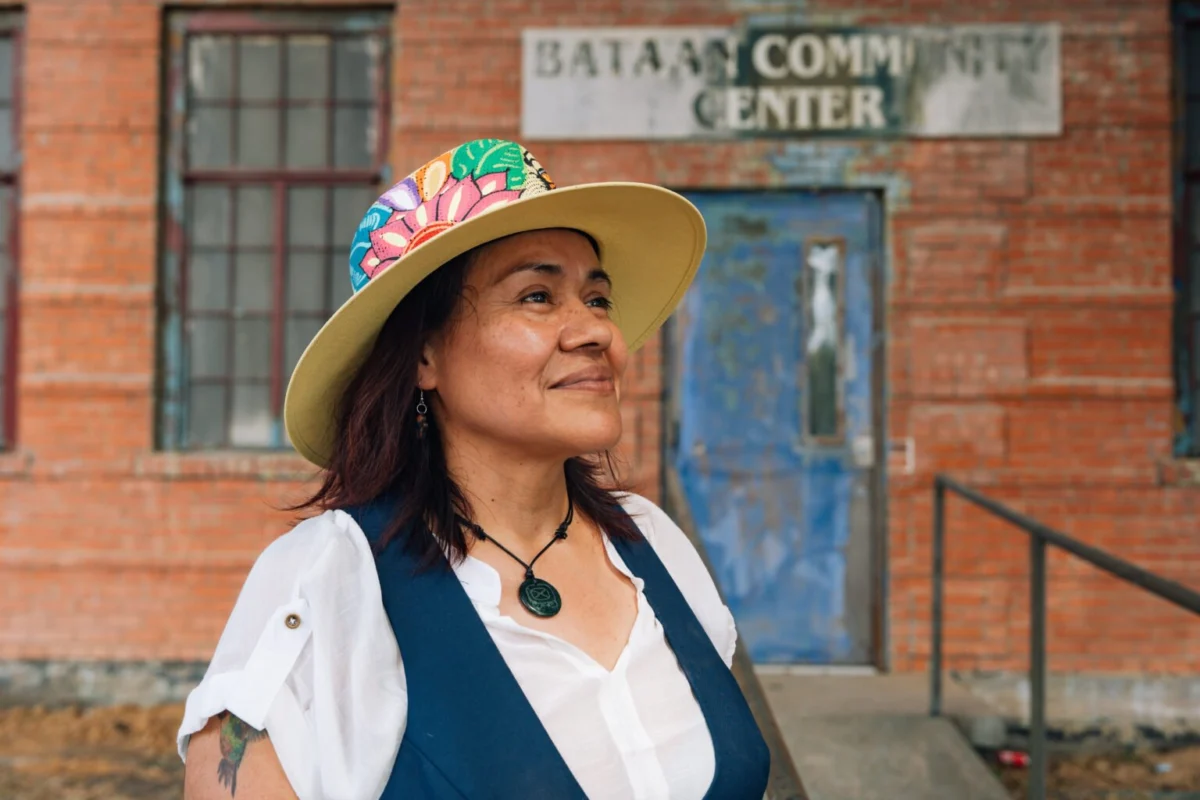
The historic neighborhood of La Bajada, situated in the shadow of the Dallas skyline, stands as the oldest remaining Mexican American enclave in West Dallas. For nearly a century, this community has been defined not merely by its geographical boundaries but by a persistent spirit of grassroots advocacy, largely spearheaded by generations of women. At the center of this cultural and civic endurance is the Bataan Community Center, a structure that has served as a sanctuary, a school of political education, and a site of communal defense. Today, as the neighborhood faces unprecedented pressures from gentrification and urban rebranding, a new chapter of leadership is emerging to reclaim the center and preserve the identity of a community that has survived decades of systemic neglect and environmental injustice.
The Foundations of Community Resilience in West Dallas
The history of La Bajada is inextricably linked to the industrial development of Dallas in the early 20th century. The neighborhood’s roots can be traced back to 1908 with the incorporation of Cement City by the Texas Portland Cement Company. This industrial settlement provided segregated company housing for Mexican workers and their families, who endured hazardous working conditions and a total lack of basic municipal services. While the city of Dallas grew around them, residents of Cement City and the burgeoning La Bajada neighborhood—formed in 1929—lived without gas, electricity, or paved sewers for decades.
Even after the City of Dallas annexed West Dallas in 1954, infrastructure gaps persisted. The Trinity River acted as a physical and psychological barrier, separating the affluent downtown core from the working-class Mexican American communities to the west. This isolation necessitated a self-reliant culture of care. Advocacy in La Bajada was never a formal academic exercise; it was a survival strategy inherited through family lines and practiced in the kitchens, church halls, and community centers of the neighborhood.
A Chronology of Environmental and Civic Struggle
To understand the current efforts to restore the Bataan Center, one must examine the timeline of environmental racism that shaped the community’s collective consciousness. For decades, La Bajada and surrounding areas were subjected to intense industrial pollution.
- 1908: Cement City is established, marking the beginning of industrial settlement in West Dallas.
- 1929: La Bajada begins to form as a residential hub for Mexican American families.
- 1930s–1950s: Residents live in the Trinity River floodplain, dealing with frequent flooding and a lack of city-funded infrastructure.
- 1954: Dallas annexes West Dallas, yet basic services like paved roads and sewers remain inconsistent for years.
- 1972: Local women and organizers open the Los Barrios Unidos Community Clinic to address the lack of healthcare access for Spanish-speaking residents.
- 1980s: Elevated lead levels are discovered in neighborhood children, linked to a nearby lead smelter that had operated in close proximity to homes for decades.
- 2012: The opening of the $120 million Margaret Hunt Hill Bridge connects West Dallas to Downtown, sparking a wave of speculative real estate development.
- 2018: The Bataan Community Center falls into disrepair and closes, eventually being transferred between various nonprofit entities and the city.
- 2020: The Josephine Torres Cultural and Community Center (JTCCC) is co-founded by Gloria Ardilla to reclaim and restore the Bataan Center.
This timeline illustrates a community that has constantly had to fight for the right to breathe clean air and access basic medical care. The lead smelter crisis, in particular, served as a catalyst for local organizing, proving that the health of the neighborhood depended on the vigilance of its residents.
The Role of Women in Grassroots Organizing
The backbone of La Bajada’s advocacy has historically been its women. Long before formal neighborhood associations were established, networks of care were formed through faith-based groups and youth programs. The Guadalupanas, a Catholic women’s group at St. Mary of Carmel Church, played a pivotal role in connecting families and identifying community needs. These women utilized cultural celebrations at the Bataan Center to build the social capital necessary for political action.
Sylvia Rodriguez Lagos, a longtime resident, recalls how her political education began by watching these women fight for the establishment of the Los Barrios Unidos Community Clinic in 1972. Initially operating out of a white trailer on Herbert Street, the clinic was a direct response to the lack of Spanish-language medical services and transportation options. Lagos’s mother managed the day-to-day operations of the clinic, demonstrating to her daughter that women could build and sustain the institutions the city had failed to provide.
Similarly, Maria Lozada Garcia, who served as the president of the La Bajada Neighborhood Association from 2016 to 2021, attributes her activism to the environment of her youth. She recalls her mother working alongside community mentor Josephine Torres to petition the city for the creation of Pueblo Park. The lessons were practical and immediate: identifying a need, gathering signatures, and confronting city officials. This "culture of care" ensured that every child in the neighborhood was watched over by multiple "mothers and fathers," creating a tight-knit social fabric that would later be essential in resisting displacement.
Gentrification and the Battle for Neighborhood Identity
In the last decade, the nature of the struggle in La Bajada has shifted from a fight for services to a fight for existence. The 2012 completion of the Margaret Hunt Hill Bridge transformed West Dallas into a prime target for luxury developers. The area surrounding La Bajada has been rebranded as "Trinity Groves," a popular entertainment and dining district.
Longtime residents argue that this rebranding is a form of cultural erasure. The name "La Bajada"—Spanish for "the descent" or "the lowland"—reflects the neighborhood’s history in the Trinity River floodplain. By replacing this name with "Trinity Groves" in marketing materials and city maps, developers and officials effectively wipe away a century of Mexican American history.
The economic impact of this shift is tangible. Rising property taxes and the construction of high-end residential units have placed immense pressure on families who have owned their homes for generations. In response, the community has organized to implement a Neighborhood Stabilization Overlay (NSO), a zoning tool designed to preserve the physical character of the neighborhood and prevent the construction of out-of-scale luxury homes. Residents also successfully blocked the development of a 400-foot tower that they argued was incompatible with the neighborhood’s historic footprint.
The Restoration of the Bataan Community Center
At the heart of the current effort to maintain community autonomy is Gloria Ardilla, the President and CEO of the Josephine Torres Cultural and Community Center (JTCCC). Ardilla, who arrived in La Bajada from Mexico as a five-year-old in 1985, views the restoration of the Bataan Center as a debt of gratitude to the mentors who raised her.
The Bataan Center had sat vacant and deteriorating since 2018. Under Ardilla’s leadership, the JTCCC was formed with the specific goal of returning local ownership of the building to the people of La Bajada. In May 2026, the center unveiled its new Unity Pavilion, marking a significant milestone in the revitalization of the property. For Ardilla, the center is more than a building; it is the "fuel and the muse" that gave the community a voice.
The restoration project serves several critical functions:
- Cultural Preservation: Providing a space for traditional celebrations and historical archives.
- Civic Education: Continuing the tradition of training new generations of residents in neighborhood advocacy.
- Community Sovereignty: Ensuring that the residents of La Bajada have a physical stake in the land as property values continue to climb.
Analysis of Broader Implications and Future Outlook
The struggle in La Bajada is a microcosm of urban trends across the American South, where historic minority neighborhoods are increasingly threatened by rapid redevelopment. The success of the La Bajada organizers offers a blueprint for other communities facing similar pressures. By combining formal zoning tools (like the NSO) with informal social networks and the reclamation of community assets (like the Bataan Center), residents have managed to slow the tide of displacement.
However, the challenge remains significant. The "bridge to nowhere," as the Margaret Hunt Hill Bridge was once called, has become a bridge for capital to flow into West Dallas, often at the expense of those who built the neighborhood. The transition of leadership from the generation of Josephine Torres to younger leaders like Gloria Ardilla is essential for the long-term sustainability of the community.
As Rodriguez Lagos notes, the urgency of passing down knowledge is paramount. The older generation, which fought for the first clinics and parks, is now focused on ensuring that the youth understand the history of the ground they stand on. The restoration of the Bataan Center is not just a construction project; it is an act of historical reclamation. In a city that is rapidly changing, the women of La Bajada are ensuring that their neighborhood’s name, history, and people are not forgotten.